Why Panama Geisha Coffee Sells Worldwide: Variety Secrets and Brewing Guide
Introduction: From winning the Best of Panama competition in 2004 to repeatedly breaking auction records, Geisha coffee has become a benchmark for specialty coffee with its distinctive floral and citrus profile. This article reveals the story behind its name—from the Japanese mistranslation "geisha" to the corrected Chinese name "gui xia"—explains how an Ethiopian heirloom variety made its breakthrough at Panama's Hacienda La Esmeralda, and provides professional pour-over parameters and a flavor map to help you precisely capture the delicate layers of this "top star of the coffee world."

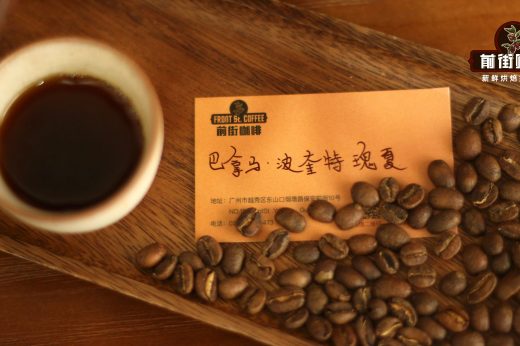
In 2004, a coffee from Panama won the Best of Panama competition with a record-breaking score. Over the following decade and more, it not only repeatedly set new record prices at green bean auctions but also became a frequent winner on barista competition stages worldwide. This variety, called "Geisha," captivates countless enthusiasts with its signature jasmine, citrus and tea-like flavors. But many people are confused on first encounter—why does its Chinese name include both "yi ji" and "gui xia"? Behind this lies a cross-cultural naming anecdote.

The Japanese traders who first encountered the variety misheard Gesha as "geisha" (geiko) because of the similar pronunciation, and this name was used for many years after entering Taiwan through Japanese channels. The name "gui xia" now used in mainland China comes from a reinterpretation of the variety's elegant qualities. According to research, the "geisha" translation once sparked controversy over cultural associations, and some merchants improperly used Japanese geisha imagery in marketing, prompting the industry to correct it to "gui xia," directly linked to the original Gesha mountain in Ethiopia—avoiding ambiguity while lending the coffee itself a poetic Eastern image.

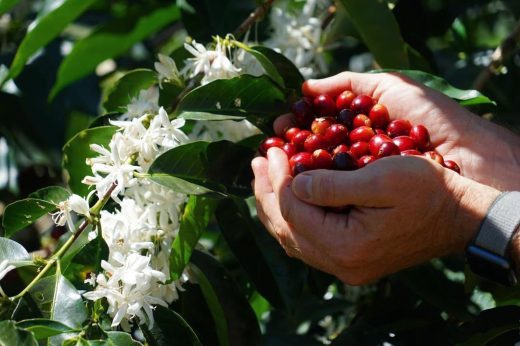
Tracing the variety's origins, Geisha can be dated back to the 1930s, when British colonists discovered wild populations in the Gesha mountains of southwestern Ethiopia. It was initially collected only as botanical samples and drew no particular attention. Later cultivated at research stations in Kenya and Tanzania, it was introduced to Panama for its outstanding resistance to leaf rust. After decades of ordinary cultivation, in 2003, during cupping at Hacienda La Esmeralda, staff accidentally discovered that a certain lot displayed unprecedented bright acidity and complex floral and fruity aromas, thus opening the legendary chapter of the Geisha variety.
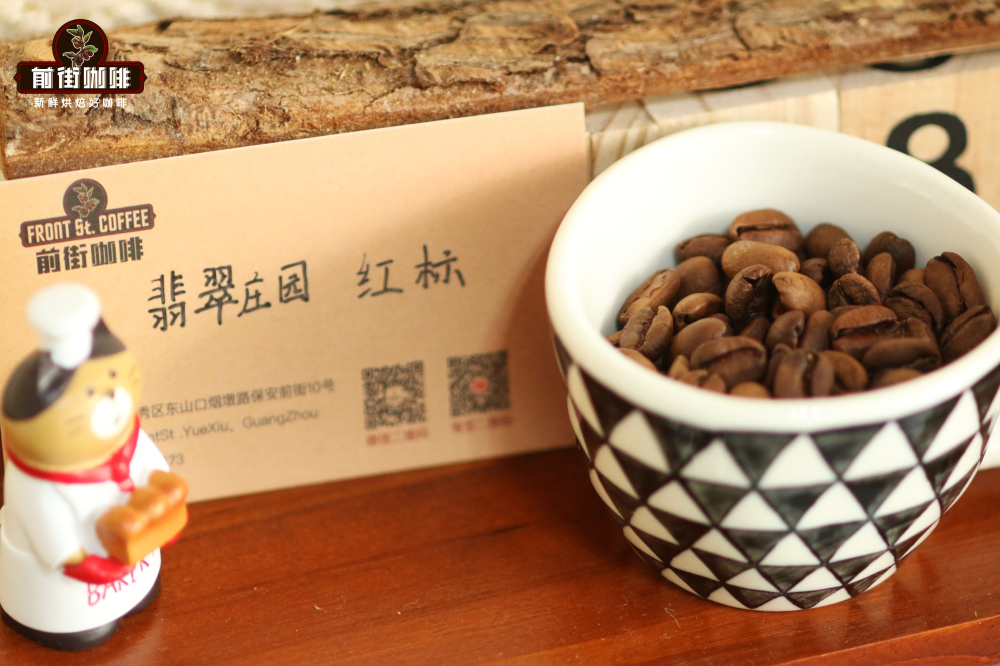
In 2004, this lot of coffee from a special plot at Hacienda La Esmeralda won first place at a high price of $21 per pound (about 170 yuan at the time), setting a green bean trading record. Genetic tracing confirmed a high match with the original Ethiopian Gesha variety, formally establishing its identity. Notably, the selection of the champion beans was extremely rigorous—only plants of a special age with distinctly different flavors were picked and processed separately. This concept of "single-lot separation" later became a common standard in the specialty coffee industry.

Today Geisha is grown in several micro-regions of Panama. In addition to Hacienda La Esmeralda, estates such as Elida, Auromar and Deborah also produce quality lots. For beginners, regular Geisha from the Boquete region is a cost-effective choice; although it is not as layered as competition-level estate beans, it still retains a clear lemon black tea character and a honey finish. If you want to experience top-tier flavors, look for the blueberry burst and sandalwood aromas common in competition-level Geisha; such beans usually come from volcanic soil areas above 1,600 meters.
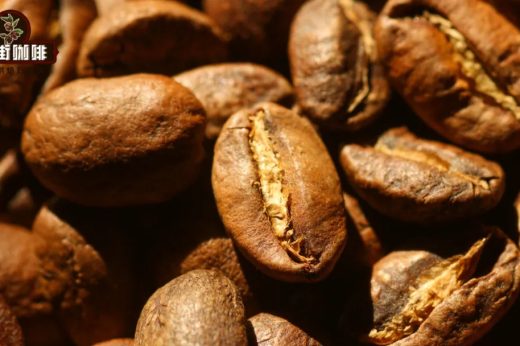
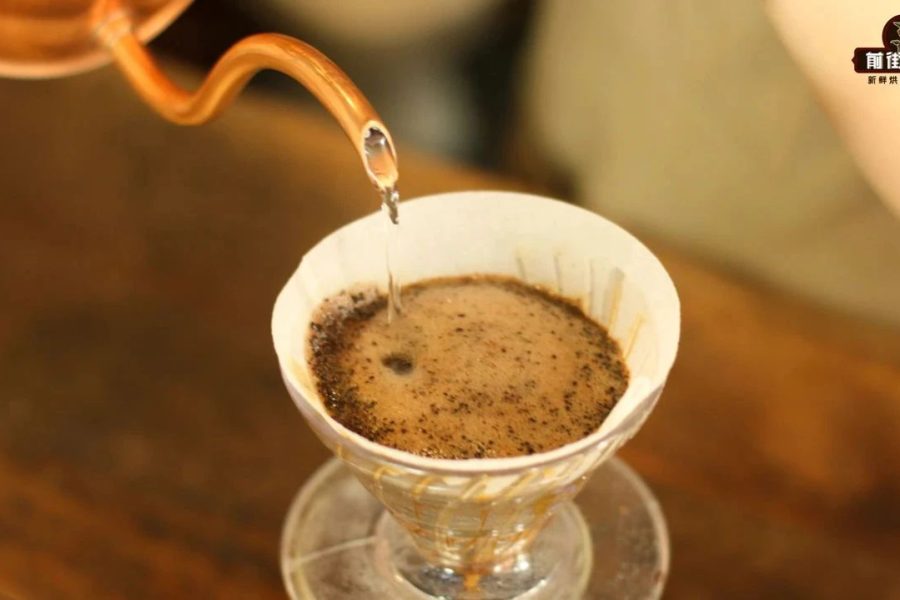
Professional brewing advice: given Geisha's high-density bean characteristics, use a coarse grind with 78% passing a No. 20 sieve (close to fine granulated sugar), paired with a V60 dripper at a 1:16 coffee-to-water ratio. Specific parameters: water temperature 91°C, bloom 15 g of coffee with 30 g of water for 30 seconds, pour in stages to 125 g, wait briefly for the bed to drop, then continue to a total of 225 g, with total time controlled at 2:10 to 2:20. This approach balances extraction efficiency and cup clarity, effectively highlighting the core flavor layers of citrus, white flowers and green tea.