Why SOE Lattes Are So Popular: The Secrets of Single-Origin Espresso Milk Coffee

Introduction: SOE lattes are becoming a new favorite among specialty coffee lovers thanks to their vivid, layered flavors. This article takes a close look at how SOE (single-origin espresso) differs from regular blends, explores why SOE lattes are more popular, and provides a complete guide covering bean selection, roast level, extraction parameters and the coffee-to-milk ratio, so you can recreate professional-level flavor at home.
Latte, one of the most popular milk coffees, is made by combining espresso with milk. Its appeal lies in softening the intense flavors of espresso to bring a sweeter, more approachable taste. Even so, if the ratio of coffee to milk is off balance, either the coffee flavor disappears entirely or bitterness takes over. Therefore, mastering the right espresso-to-milk ratio is the key to making a good latte.
In fact, there is no strictly uniform ratio for lattes; it is adjusted flexibly according to the flavor characteristics of the espresso used. However, most baristas have concluded through practice that the common espresso-to-milk ratio is roughly between 1:5 and 1:8, a range that accommodates most consumers' taste preferences.

Espresso beans intended for different uses also differ in flavor positioning and roasting strategy. For coffee shops seeking consistent output and broad acceptance, espresso blends are usually the safer choice because of their balanced flavor and rich crema. Blends combine beans from multiple origins and are roasted to at least a medium level, which not only yields full-bodied crema but also withstands dilution by milk, making them suitable for milk coffee.

For example, a common commercial blend consists of 90% Brazilian and Colombian Arabica beans paired with 10% Vietnamese Robusta. The espresso extracted from this recipe has thick golden crema and intense traditional Italian flavors such as dark chocolate and caramel. Although the addition of Robusta makes it slightly more bitter, it is suited to being balanced with more milk; for instance, using a 360ml cup, about 320ml of steamed milk (including milk foam) is added, giving an espresso proportion of about 1:8.
Other blends that emphasize a fresh style focus more on showcasing fruitiness and sweetness. These beans are usually roasted lighter and have lower bitterness, so adding too much milk when making a latte can easily mask their delicate original aroma. For example, one blend combining Ethiopian and Honduran beans presents winey notes, vanilla cream and candy aromas, and is better suited to a coffee-to-milk ratio of about 1:6 for a latte, thereby better preserving the coffee's unique character.

In addition, the market also offers dark-roasted traditional blends, which usually combine ingredients from Brazil, Indonesia, Vietnam and other places to present a full-bodied, intense character to the greatest extent. They are very suitable for americanos or classic lattes, with rich and stable crema, and are the everyday first choice of many coffee lovers.
In recent years, SOE (Single Origin Espresso) has gradually become a popular choice in the specialty coffee field. SOE emphasizes using coffee beans from a single origin; unlike traditional blends, it aims to highlight the unique terroir of that origin. Compared with conventional espresso blends, SOE usually uses lighter-roasted beans to retain clearer, brighter acidity and richer layers of fruit and floral notes.

Common SOE flavors include: the citrus and lemon notes of Ethiopian beans, the raisin-honey sweetness of Costa Rican beans, the berry acidity of Kenyan beans, and the delicate floral and honeyed sweetness of Panama Geisha. These distinctive flavor characteristics not only impress consumers but also enhance the coffee's recognizability. However, because SOE beans are usually roasted lighter and their flavor compounds are harder to release, the parameters need to be controlled more precisely during extraction, such as extending extraction time, raising water temperature and adjusting to a finer grind, which places higher demands on technique.
Precisely because SOE itself has a fresh flavor, bright acidity and sweetness, and less heavy crema than dark-roasted beans, when making an SOE latte, adding too much milk can easily mask the coffee's unique character. Therefore, it is recommended to keep the coffee-to-milk ratio at about 1:5, which preserves the milk's sweetness while highlighting the delicate flavors of the SOE beans.

Take a Geisha blend from Costa Rica's Mirazu Estate as an example. This bean uses a raisin honey process, and the espresso extracted has rich aromas of rose, strawberry candy and candied fruit; whether made as an americano or with milk, it displays captivating tropical fruit notes. Below are the parameters and process commonly used by professional baristas for making an SOE latte.
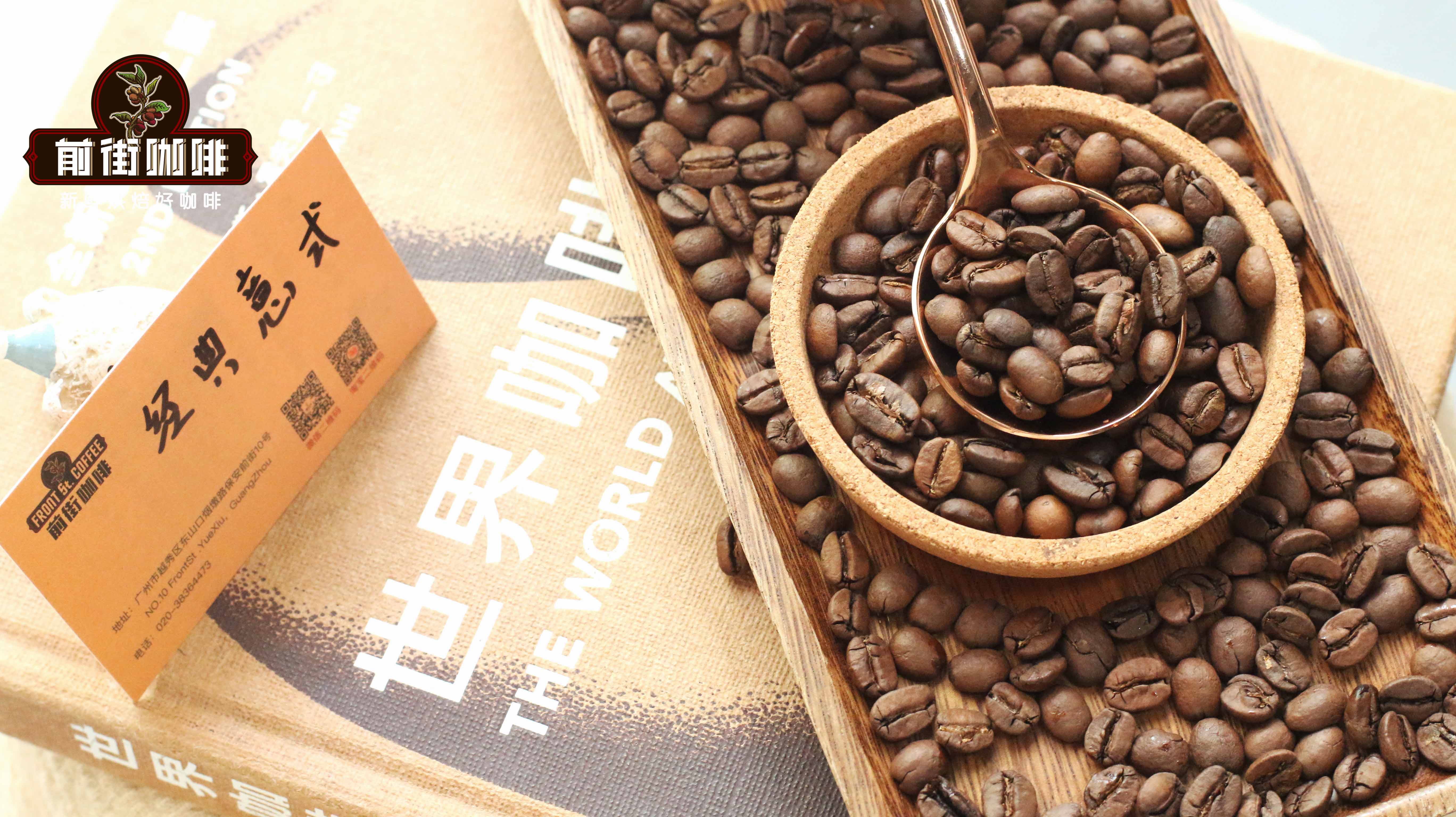
Coffee beans: Costa Rica Strawberry Candy Geisha Blend
Dose: 20g
Yield: 40g
Dose-to-yield ratio: 1:2
Extraction time: 26–32 seconds
Grind: Medium-fine is recommended, e.g. Q18 setting 2.0
Milk: 200g, at 55–60°C, with milk foam about 0.3–0.5cm thick
To begin, make sure the portafilter basket is dry, weigh out 20g of coffee grounds and distribute them evenly, then tamp the puck vertically with a tamper to ensure even, stable extraction. Next, run the espresso machine for 1–2 seconds to wet the group head, tare the scale, lock the portafilter onto the group head and start extraction. Watch the flow rate and color change, and stop when the coffee liquid reaches 40g at around 30 seconds; pour the espresso into a cup and set aside.

When steaming milk, use cold fresh milk and adjust the angle of the steam wand to create fine, dense microfoam about 0.3–0.5cm thick, keeping the temperature at 55–60°C for best results. Finally, combine the milk foam with the espresso and finish with latte art to complete a cup of SOE hot latte with full flavor.

When tasted, this SOE latte shows rich floral and fruity aromas, with layers of berries, pink florals, raisins and almonds on the palate, while the finish brings a warm, mellow sense of chocolate and hazelnut. The overall flavor is balanced and memorable, like tasting a berry cookie with coffee aroma, leaving a lasting impression.