Dirty Coffee and Latte at Home: Why Layering Fails
Introduction: With its distinctive layered look and refreshing taste, Dirty coffee has become a daily favorite for many coffee lovers. Yet when many people try to make it at home, they often find they cannot reproduce the beautiful layers seen in coffee shops. This article takes an in-depth look at how to properly make and drink Dirty coffee and lattes, from cup selection and extraction technique to milk pairing, fully explaining why homemade Dirty coffee layers poorly and helping you easily recreate a professional-quality result.
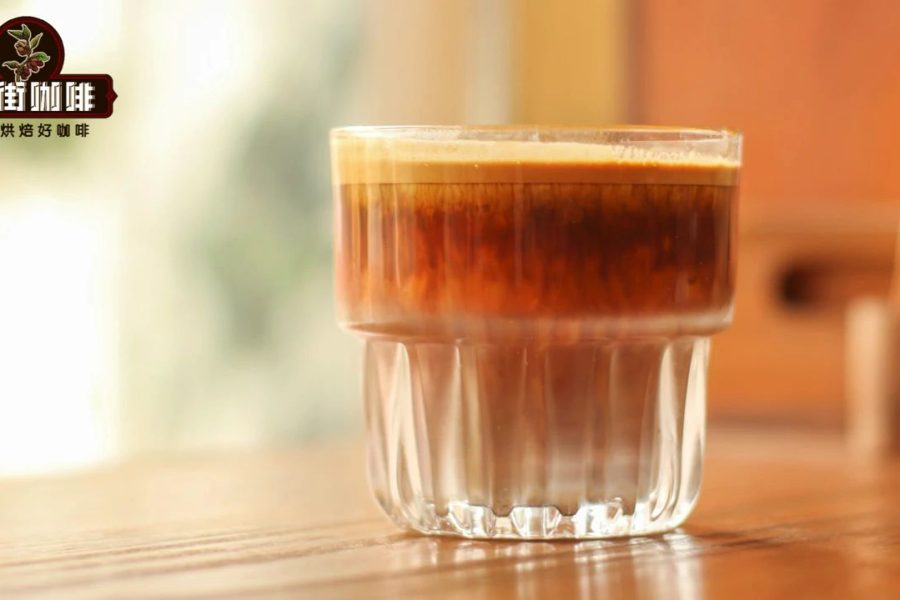
The essence of Dirty coffee lies in pouring freshly extracted hot espresso directly into chilled milk, using the temperature and density differences to form a clear layered effect. As time passes, the dark coffee gradually seeps through the white milk layer, creating a gradient look rather like something being "dirtied," which is how it got its name. This coffee is usually served in a tall transparent glass, with attention to both visual appeal and flavor presentation.

Although Dirty coffee may look like just a variation of an iced latte, its preparation demands more attention to detail. Many coffee enthusiasts follow online tutorials but often run into the problem of the coffee and milk mixing quickly and failing to maintain a clear layer. In fact, the main factors affecting the layering effect include cup choice, where the coffee stream lands, espresso concentration, and milk texture, among others.

First, cup shape and pre-chilling have a decisive influence on the visual layering. A tall, narrow transparent glass with a smaller opening is recommended, as this allows the coffee to spread slowly and extends how long the layers last. If the cup is too wide or too short, the coffee will quickly mix with the milk and be unlikely to form distinct layers. In addition, chilling the cup beforehand helps slow the coffee's downward seepage while better preserving the overall cold-drink texture and flavor layers.

Second, how the espresso is poured is extremely important. The most common mistake is holding the portafilter too far from the rim of the cup, so the coffee hits the milk surface as a thin, fast stream, breaking through the milk layer and mixing quickly. To avoid this, keep the coffee outlet as close to the milk surface as possible, letting the espresso flow in naturally at a slower speed so it floats on top. If your equipment is limited, you can first catch the espresso in a small container, then use a spoon to gently guide the coffee onto the milk surface—note that the spoon should be curved side up, letting the coffee slide in slowly along the edge.


Coffee bean selection and roast level also affect how the layers appear. Medium-dark roasted beans usually have richer oils and a darker color, which helps create a clearly contrasting layered effect. Too light a roast makes the coffee pale in color, making the layers hard to distinguish visually; too dark a roast, while intense in color, easily produces a burnt, bitter taste that affects the overall flavor experience. Beginners can choose a medium-dark roasted blend with balanced flavors, which has both a base of nuts and dark chocolate and good oil performance, helping improve the texture and appearance of Dirty coffee.
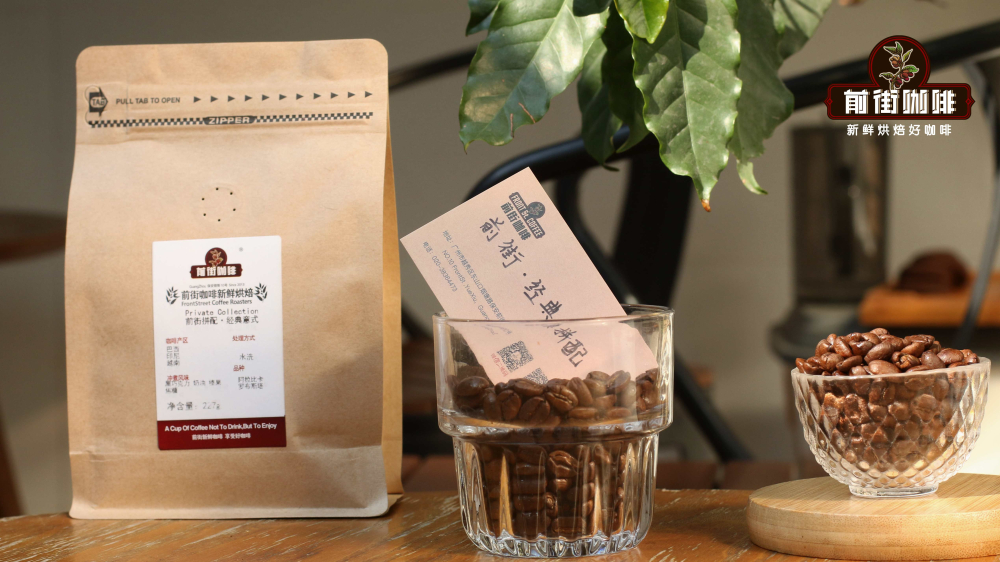
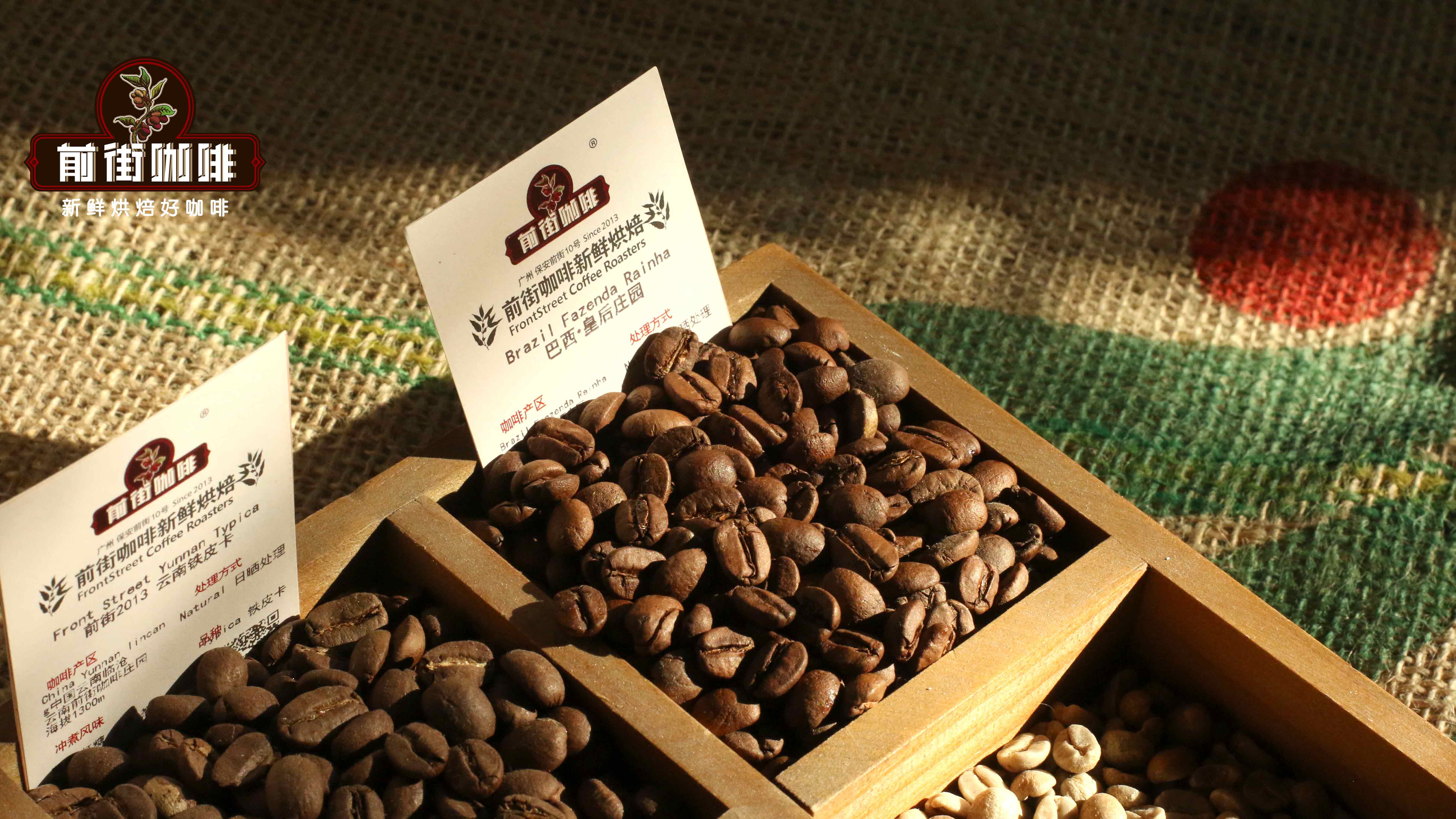
If you prefer the distinctive flavor of a single origin, you can try a high-quality medium-dark roasted single-origin bean; these beans often carry rich nutty, caramel, or cocoa aromas and are likewise suitable for making Dirty coffee or lattes. Note, however, that if you use a moka pot at home, its coffee concentration and oil content are generally lower than those of a professional espresso machine, making it often difficult to achieve the ideal layered effect, so it is not recommended as the main base for Dirty coffee.
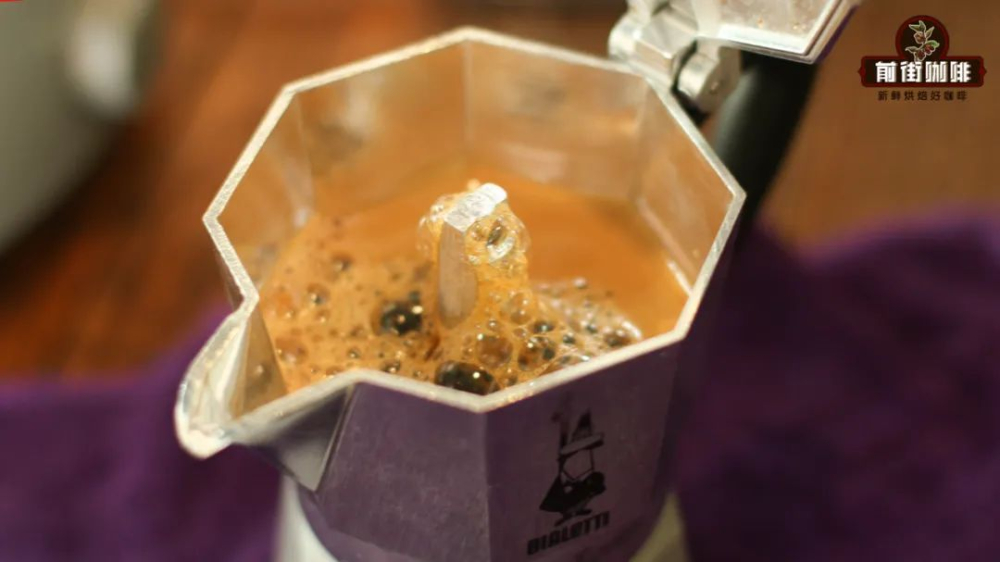
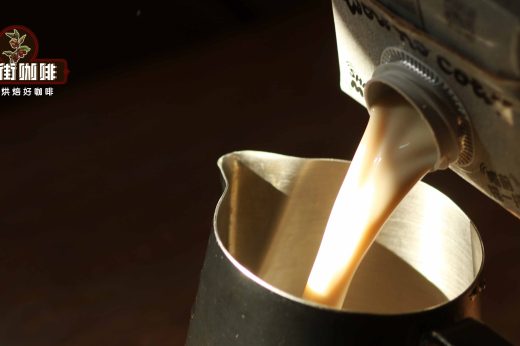
Besides the coffee itself, the texture and fat content of the milk are also important factors determining whether the layering succeeds. Whole milk or rich-style fresh milk is recommended; milk with fine foam and a thicker texture can better hold up the coffee and slow the speed of merging. If the fresh milk you usually keep at home is too thin, consider using purified milk (such as the ultrafiltered milk commonly called "Ice Blog"), which is not only thicker but also extends how long the layers stay stable and brings a distinctive savory note. Another compromise is to mix fresh milk and purified milk in proportion to create a base suited to your personal taste.
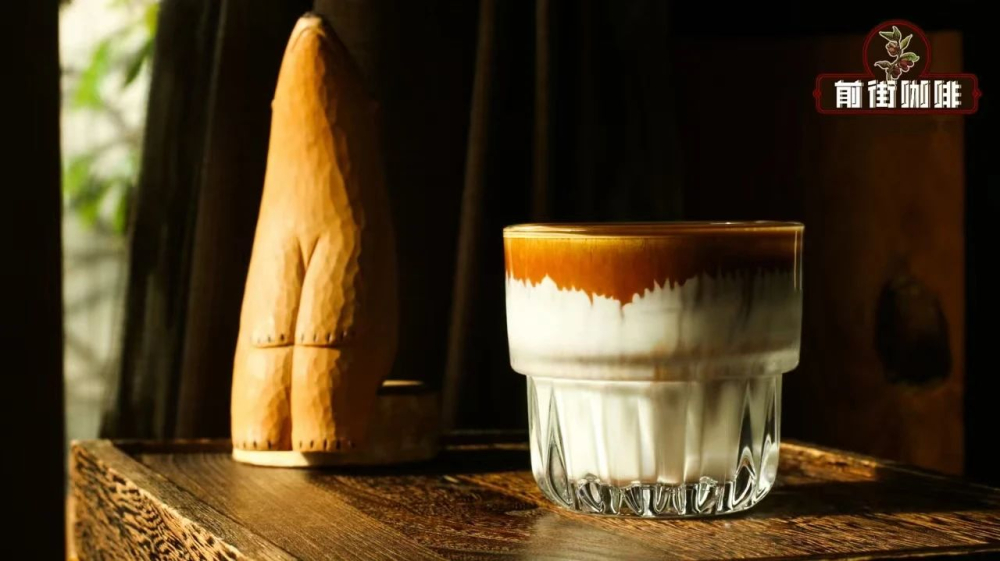
In summary, to make a visually appealing Dirty coffee with harmonious flavors at home, the key is to master four points: "low-temperature contrast, slow pouring, moderate oils, and rich milk." From pre-chilling the cup and where the coffee stream lands to choosing the milk, every step can affect the final layered appearance. By adjusting these details, you can recreate a cafe-level Dirty coffee experience even at home.