The Complete Guide to Resting Coffee Beans: From Degassing to Peak Flavor
Introduction: Is it normal for a newly bought bag of coffee beans to be puffed up? How long should you actually rest beans? This article takes a deep look at the principles of coffee bean degassing and reveals how different roast levels and processes affect resting time. By observing the flavor curve, it teaches you to pinpoint the peak drinking period precisely and avoid wasting freshly roasted, high-quality beans. Includes practical brewing advice and answers to common misconceptions.
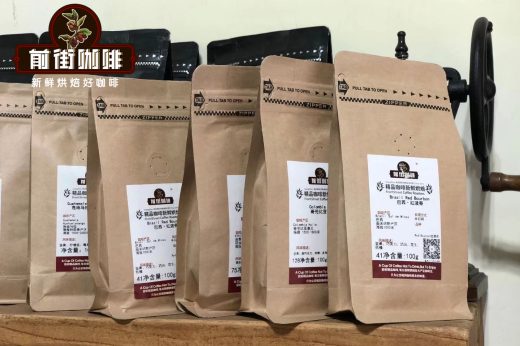
Many pour-over coffee enthusiasts have encountered this scene: opening a newly purchased bag of coffee beans and finding the bag slightly puffed. This bloating is actually proof of the coffee beans' vitality—they are continuously releasing carbon dioxide produced during roasting. But if you pour water and brew right away, beans that haven't been adequately rested will degas violently, disrupting the water flow and ultimately affecting extraction evenness.

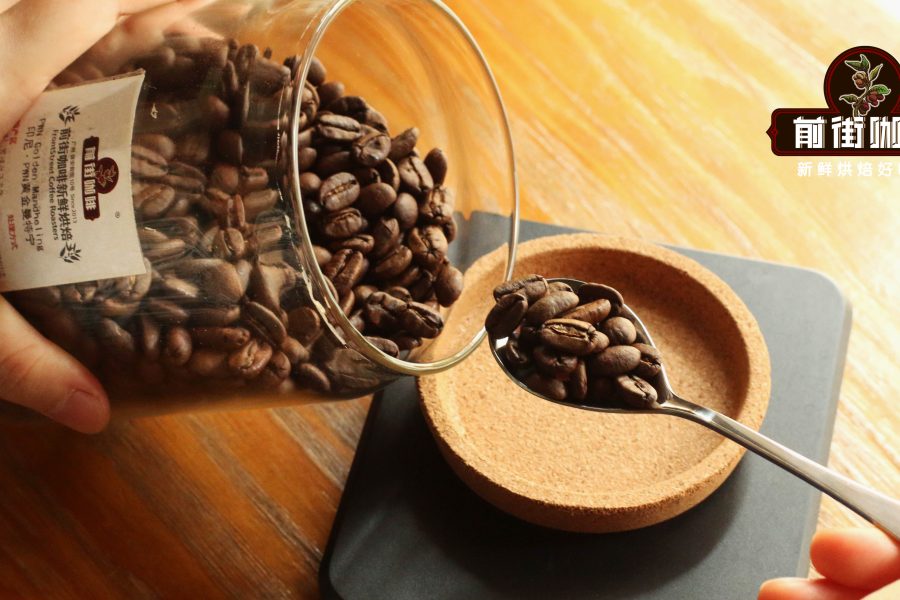
Freshly roasted coffee beans are like bread straight out of the oven—seemingly appealing on the surface but with hidden complexities. At this point the bean body is full of high-pressure gas, and the aroma is dominated by smoky notes rather than layered flavor compounds. Professional roasters recommend letting new beans sit for 4-7 days (depending on roast level) before grinding, which allows carbon dioxide to be released gradually and creates ideal conditions for subsequent brewing.

Observing the foam pattern during the bloom is a key indicator for judging resting results. When the coffee grounds release fine bubbles evenly and this lasts about 30 seconds, it shows that internal pressure has come into balance. Conversely, if large bubbles burst instantly or the water quickly penetrates the bed of grounds, it indicates insufficient resting. It is recommended to use a digital scale to control the coffee-to-water ratio precisely (such as 1:15), together with a water temperature of 92-96°C to improve extraction stability.

The degree of bag expansion is directly related to the remaining shelf life. Experimental data shows that each gram of coffee beans contains about 1.2-1.8 milliliters of carbon dioxide, and during the heavy degassing stage (0-3 days after roasting) the daily release can reach 35% of the total stored gas. A simple way to judge whether beans have entered the suitable drinking period is: record the brewing flavor for three consecutive days; the point at which acidity brightness reaches its peak and then begins to decline slowly is usually the start of the flavor golden window.

Three core factors determine the personalized resting cycle: first, the heat source type. Direct-fire roasting produces more closed pores due to instant high temperatures and needs to be extended to 8-10 days; semi-direct-fire about 6-8 days; while the loose structure of hot-air roasting usually needs only 5-7 days. Second, light roasts (such as Nordic style) have less cell wall damage and are recommended to wait 7-10 days to release floral and fruity notes; medium-dark roasts (such as espresso blends) can show nutty and chocolate flavors in 4-6 days. Finally, the roast curve design must be mentioned: a gradual temperature-increase process requires more degassing time than fast roasting over a fierce fire.

Consumers can determine the best drinking time on their own through a three-step method: first, check the precise roast date on the packaging (be careful to distinguish the production date from the roast date); second, after opening, place the beans in a cool, dark place (no need to refrigerate) and grind a small sample for brewing at set times each day; third, keep a flavor log, focusing on the trend of the sweet-sour balance point. Special reminder: every time you open the bag to take out beans, oxidation accelerates, so it is recommended to use packaging with a one-way degassing valve and ensure the remaining beans are no less than 1/3 of the whole bag.

The flavor evolution paths of different roasting processes differ significantly. Take a common medium-light natural Ethiopian bean as an example; its resting process can be divided into four stages: days 1-2 (high-pressure stage) with sharp acidity and a noticeable grassy smell; days 3-5 (transition stage) with citrus fruit aromas gradually emerging; days 6-8 (peak stage) with honey sweetness and blueberry flavors in harmonious unity; after day 9 (decline stage) with a noticeable drop in body. In contrast, the milk-chocolate base notes of a Brazilian dark roast usually begin to appear steadily on day 4.

Mastering coffee bean life-cycle management can effectively improve brewing quality. The following practical tips are recommended: gently shake the bag before grinding to distribute the beans evenly; run the grinder for 10 seconds before use to clear residual oils; use a center-outward pouring pattern during pour-over to avoid over-extraction in one spot. Remember, freshness ≠ immediate drinkability; give coffee beans enough breathing time to unlock their true flavor potential.