Indonesian Kopi Luwak in Depth: Regional Flavors and Brewing Guide
Introduction: Kopi luwak (also known as civet coffee) is famous worldwide for its unique in-vivo fermentation process, but the real flavors behind it, its regional characteristics, and the market chaos surrounding it are little known. This article takes a deep look at the origin ecology and processing logic of this special coffee, reveals the flavor layers of genuinely high-quality kopi luwak, and provides professional brewing parameters as a reference, helping coffee lovers tell genuine from fake and experience its unique appeal.
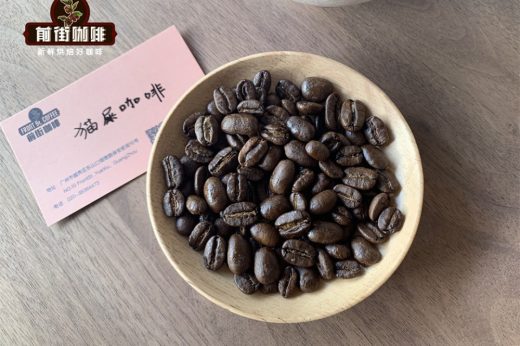
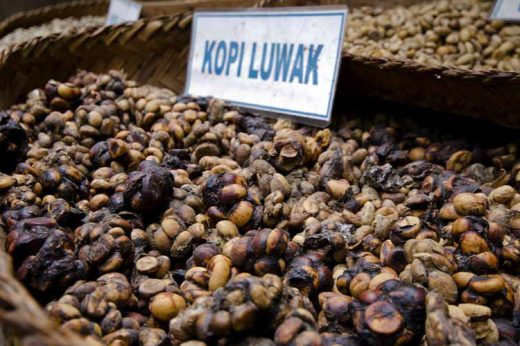
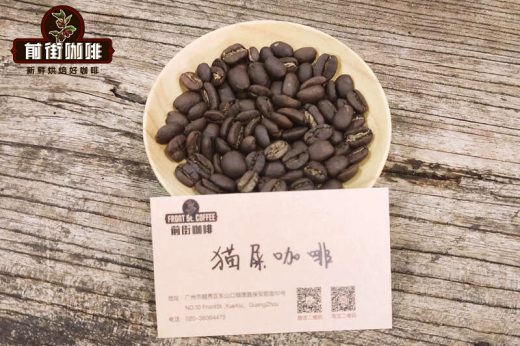
Beyond traditional washed, natural, and honey processing, the coffee world has another highly controversial processing method—in-vivo fermentation. The best-known example is kopi luwak (commonly called "cat poop coffee"). This coffee is not actively fermented by humans; rather, its unique flavors form naturally through the civet's digestive system. Because of its scarce output and special processing, it has long ranked among the world's most expensive coffees.
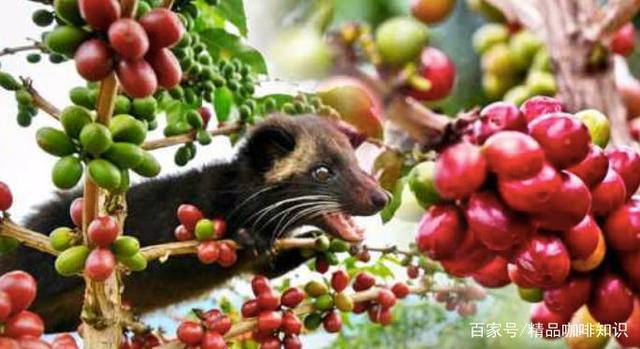
The civet is a typically nocturnal wild animal, mainly inhabiting the tropical jungles of Southeast Asia. They are small and eat limited amounts, so the coffee beans produced by wild individuals are extremely scarce. Most kopi luwak on the market today comes from captive breeding environments, and the industry has many animal welfare controversies: to pursue output, some farms keep civets confined long-term in small, dirty cages and force them to overeat, causing the animals to self-harm, fall ill, or even die.
Even more alarming is that as much as 85% of the so-called "cat poop coffee" on the market is counterfeit. Many merchants slap false labels on ordinary coffee beans to raise prices. Even products claimed to be "genuine" mostly come from industrial farming chains and have largely lost the traits of the original ecological processing. The quality of such coffee is generally limited by raw material selection—the coffee beans fed to civets during farming are often not strictly selected, and the green bean quality is uneven.
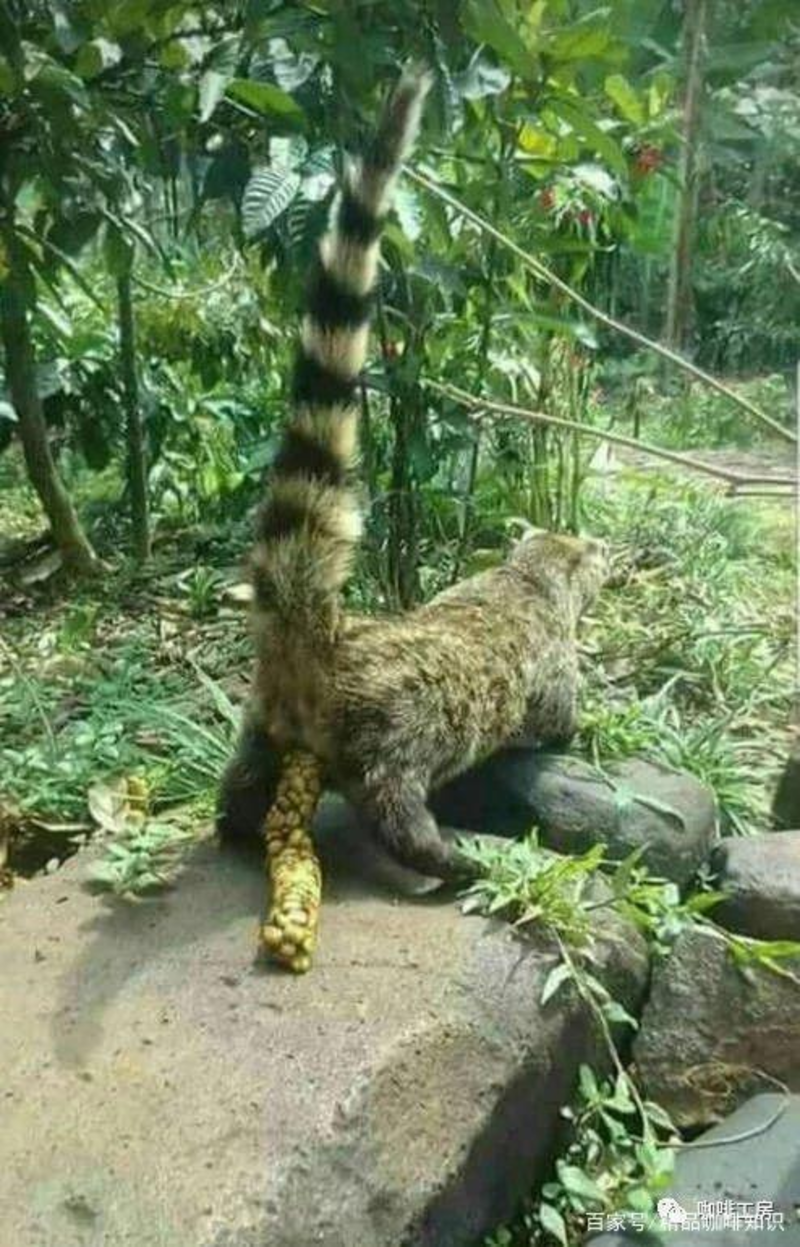
The civet's natural ability to select coffee cherries is one source of its unique flavor. Wild individuals prefer to pick highly ripe coffee cherries with abundant sugar, but their digestive system can only break down the soft pulp; the hard coffee seeds remain intact and are excreted in the feces. In this process, digestive enzymes and stomach acid moderately break down the proteins in the coffee beans, thereby reducing the formation of bitter substances while giving the beans a rounder mouthfeel and complex fermented aromas.
It should be specially noted that truly high-quality kopi luwak should come from cherries naturally foraged by wild civets, and this kind of coffee usually has more distinct layering. Products from captive farming environments, because the civets cannot choose high-quality cherries on their own, tend to have flat flavors. In addition, although farming models can raise output, their quality remains far below that of wild populations, and prices stay high, making it hard for ordinary consumers to experience it frequently.
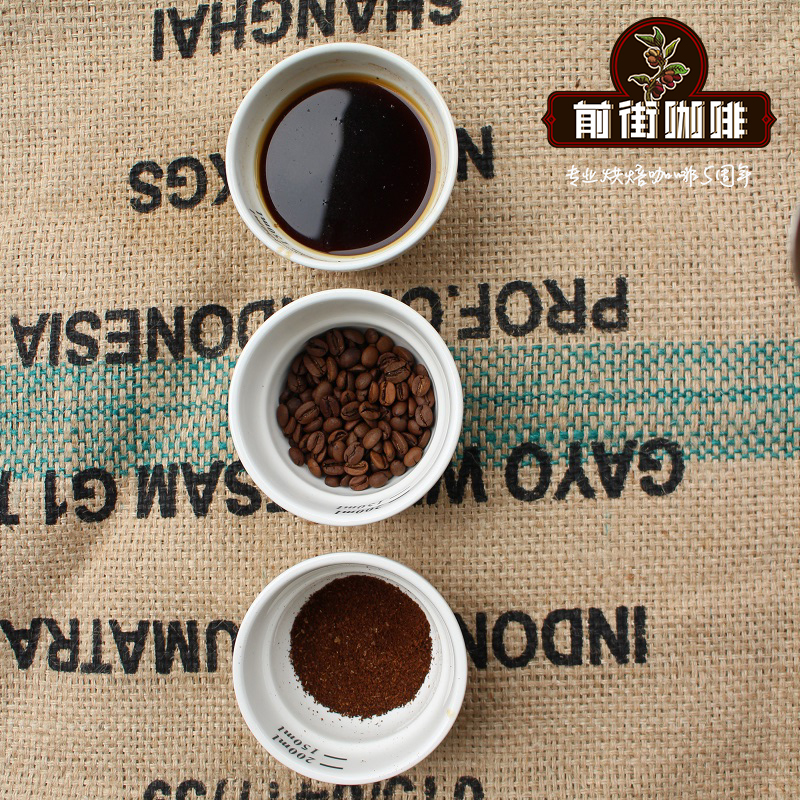
In terms of flavor characteristics, kopi luwak is often described as "thick and mellow." After the coffee cherries undergo fermentation in the civet's intestines, their original fruit acidity and green astringency are greatly reduced, giving way to herbaceous notes, roasted nut aromas, and a mellow base of dark chocolate; some samples also carry subtle fermented flavors. This unique mouthfeel contrasts sharply with traditionally washed and natural coffees—the latter rely on external processes to remove the mucilage layer, while kopi luwak achieves natural hulling and flavor transformation through biological metabolism.
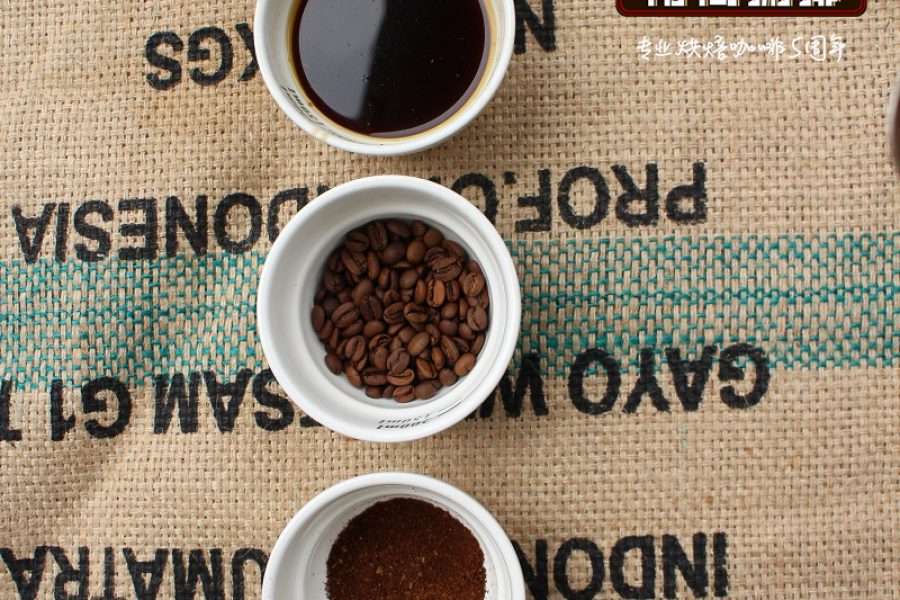
Take Indonesia's Sumatra region as an example; it is one of the important places of origin for kopi luwak. The local climate is humid and rainy, and the volcanic soil is rich in minerals. The coffee trees grown there usually bear cherries with high sweetness and complexity. In this environment, wild civets tend to forage specific varieties of coffee cherries (such as Robusta). After intestinal processing, the resulting green beans look no different from ordinary coffee beans, but their internal substances have undergone significant transformation.
For enthusiasts trying to brew kopi luwak, a low-to-medium temperature slow extraction is recommended to highlight its mellow traits. Common parameters for reference: use 15 grams of medium-fine ground coffee (similar to the BG#6W standard) with a 1:15 coffee-to-water ratio and a water temperature of about 87°C. For staged extraction, first bloom with 30 grams of water for 30 seconds, then pour in a small stream in circles until 125 grams and pause, and when the water level is about to expose the coffee bed, continue pouring to 225 grams, for a total extraction time of about 2 minutes. This method effectively balances its fermented flavors with its nutty base and avoids off-flavors caused by over-extraction.

In summary, the appeal of kopi luwak comes from its unreplicable natural processing logic and its scarcity, but consumers need to view market chaos rationally and give priority to products from reliable sources. Whether savoring its unique herbal and chocolate flavors or exploring the scientific principles of in-vivo fermentation, this special coffee offers coffee lovers a distinctive perspective for experience.