Kenya Bungoma Coffee Region: Flavor Profile and Brewing Guide
Introduction: Although Kenya's Bungoma region is not mainstream, its coffee is gradually gaining attention due to its unique terroir and meticulous processing. This article provides an in-depth analysis of the region's geography, main varieties, washed processing techniques, and cupping performance, offering professional-level brewing parameters and flavor descriptions to help coffee enthusiasts fully understand the characteristics of this emerging region and master brewing techniques.
In coffee enthusiast circles, acidity is often regarded as an important indicator of coffee quality, but many consumers are resistant to high-acidity coffee. Kenyan coffee, however, is renowned for its bright and lively fruit acidity, making it the first choice for acidity lovers, and thus creating polarized evaluations in the coffee world. Among them, the Bungoma region, though less known than the famous central regions, is emerging with its unique advantages.

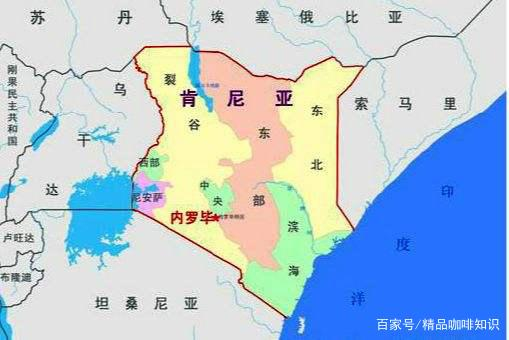
Several well-known Kenyan coffee regions such as Nyeri, Kirinyaga, Murang'a, Embu, and Laikipia are concentrated around central Mount Kenya. In contrast, Bungoma is located in northwestern Kenya, near the Ugandan border, in the Elgon area. Traditionally, this area was dominated by sugarcane cultivation, but due to outdated equipment and operational difficulties in the sugar industry, the locals began exploring a new agricultural direction—coffee farming.
Currently, smallholder farmers of the Bungoma Kikai cooperative grow coffee at an altitude of about 1,900 meters on the southeastern slopes of Mount Elgon. Abundant rainfall, a mild climate, and mineral-rich volcanic soil provide ideal growing conditions for coffee trees and bring rich flavor potential to the coffee.
In terms of varieties, some high-quality coffee beans from the Bungoma region use SL28 and SL34. These two classic varieties were developed in the 1930s by the Scott Laboratories (later renamed the National Agricultural Laboratories of Kenya, NARL) specifically to adapt to the local terroir and possess commercial potential. The SL series coffees are famous for their complex and variable acidity and excellent sweet aftertaste.
Among them, SL34 is similar in flavor to SL28, but SL34 usually has a heavier, richer, and cleaner mouthfeel and is more resistant to extreme weather such as heavy rain. Together, they shape the iconic strong fruit acidity, full body, and excellent balance of Kenyan coffee, which are key elements for identifying Kenyan beans.
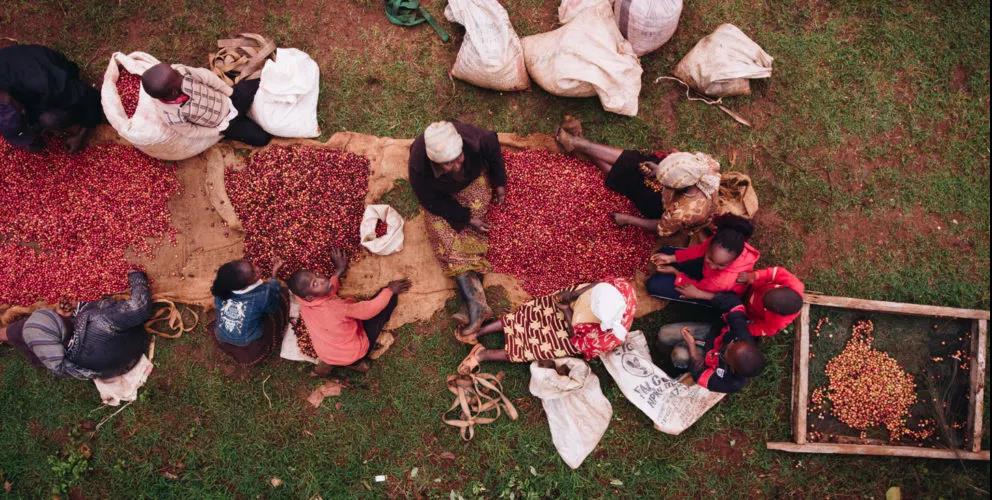
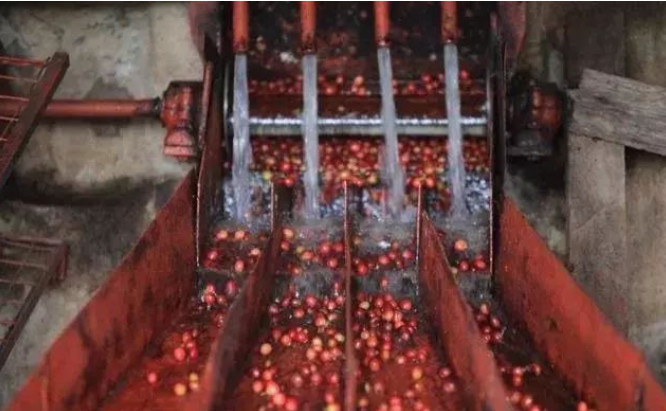
A certain batch of coffee from this region underwent washed processing, specifically Kenya's unique "72-hour fermentation washed process" (abbreviated as K72). This method requires selecting the highest quality coffee cherries on the day of harvest, then pulping and conducting the first 24-hour fermentation, followed by thorough washing with clean water. Then the second and third 24-hour fermentations and washings are repeated, totaling 72 hours.
This low-temperature, long fermentation process helps improve the coffee's clarity, enhance flavor layers, and give the final beans a brighter, refreshing yet full mouthfeel.
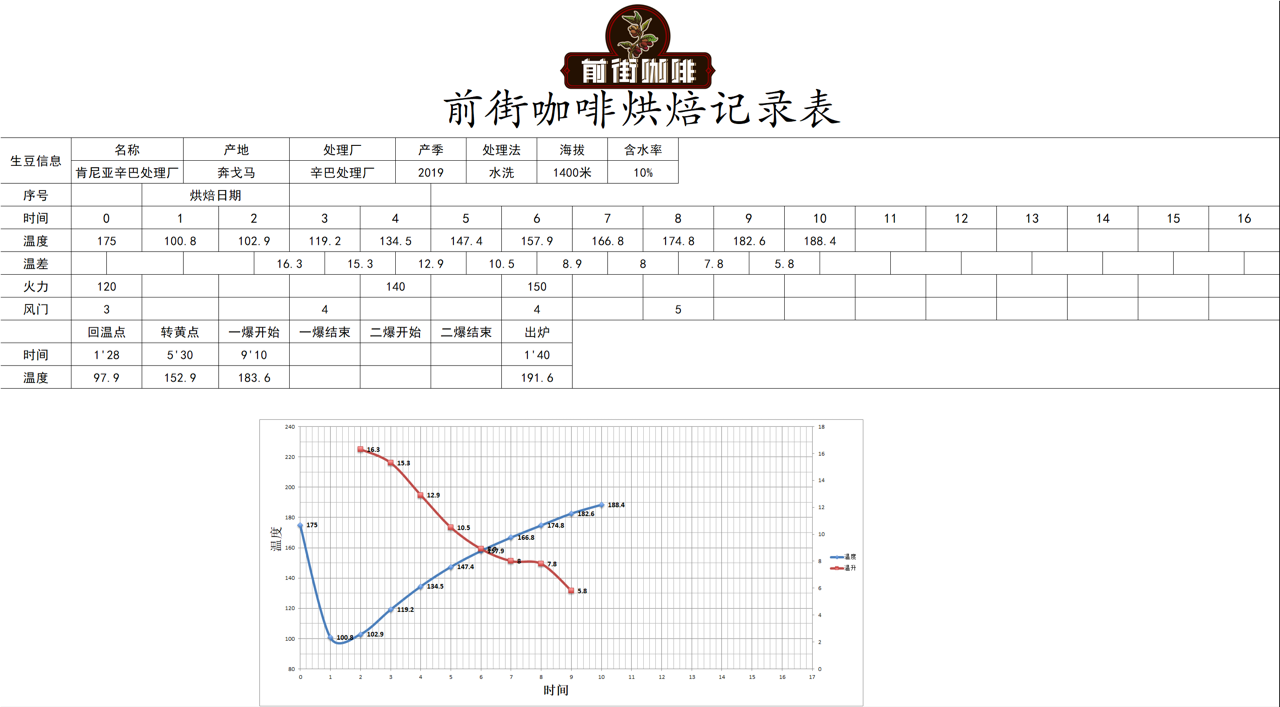
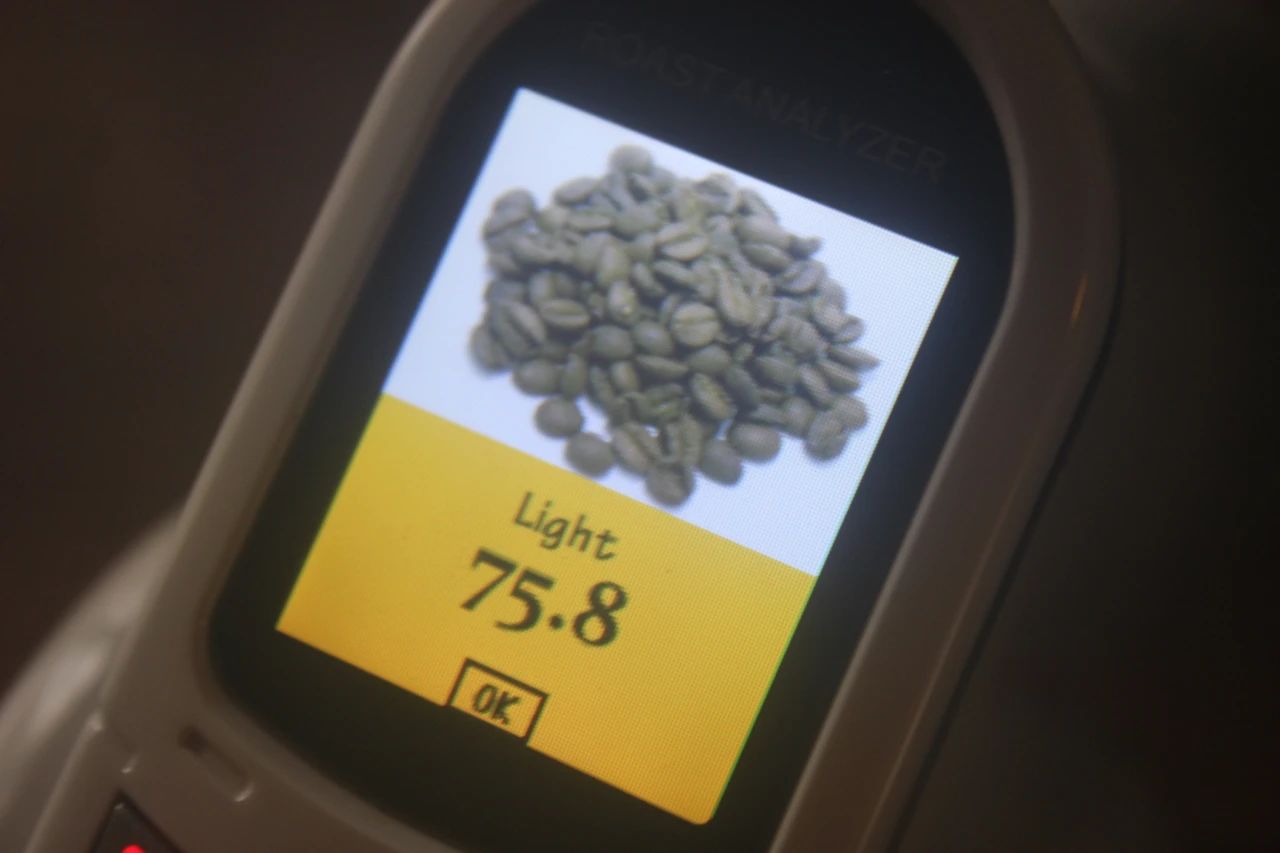
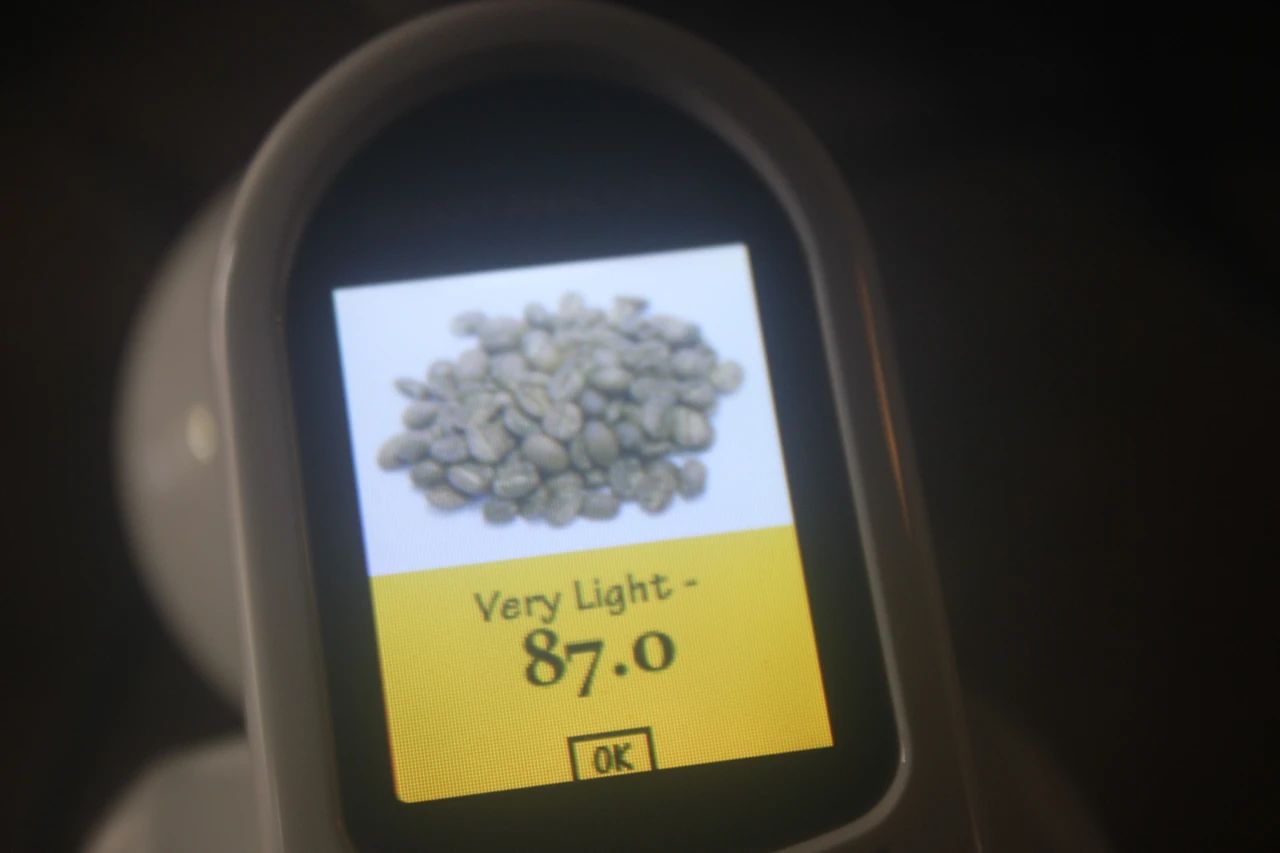
From the roasting data, the Agtron bean surface color value of this batch is 75.8, and the bean core color value is 87, belonging to a medium-light to medium roast, which helps highlight its acidity and fruity characteristics. This roast level is common in specialty coffee, preserving the origin flavor without excessively suppressing acidity.
For brewing, the recommended parameters are as follows: 15 grams of coffee powder, a coffee-to-water ratio of 1:15, water temperature at 90°C, medium-fine grind with 80% passing through a 0.85mm sieve, and a Hario V60 #01 dripper. This combination balances extraction efficiency and flavor clarity, suitable for highlighting the bright acidity and complex layers of Kenyan beans.
The specific brewing process is suggested as follows: first, pour 30 grams of water for a 30-second bloom to awaken the coffee grounds; then, within about 1 minute, pour 95 grams of water (total water 125 grams), and then continue to pour 100 grams of water within 1 minute 30 seconds (total water 225 grams). The overall extraction time should be controlled at about 2 minutes, and finally remove the dripper to complete the brewing.
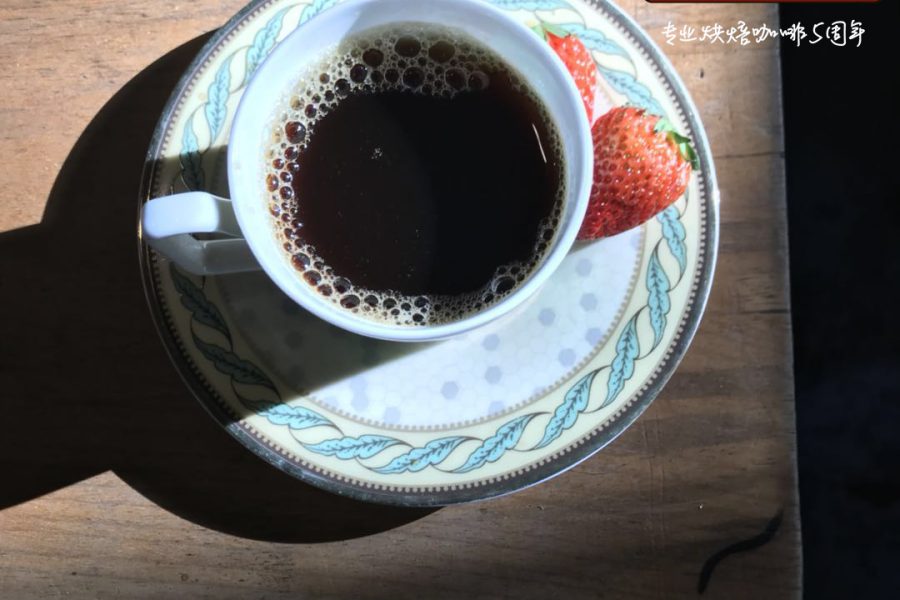
Cupping flavors show that this coffee has prominent notes of smoked plum, cherry tomato, and honey, with a juicy and refreshing mouthfeel, lively and bright acidity, distinct layers on the palate, and a clean and lasting aftertaste. This flavor combination is a typical representation of Kenyan coffee and an ideal choice for high-acidity lovers.
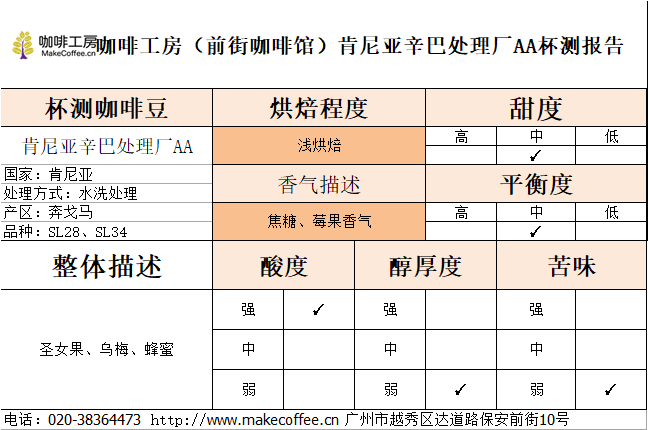
In summary, although the Bungoma region is far from Kenya's traditional famous coffee belt, its unique geographical environment and meticulous processing give the coffee here a distinct regional character. For coffee enthusiasts who want to try different flavor layers or explore emerging regions, Bungoma coffee is worth a try. Mastering appropriate brewing parameters can further release its rich flavors of smoked plum, fruit acidity, and honey.