Siphon Coffee Brewing Guide: From Extraction Principles to Flavor Tuning
Introduction: As a classic immersion coffee brewer, the siphon is loved by coffee enthusiasts for its unique visual appeal and full-bodied taste. This article systematically explains the siphon's working principle, the functions of its core components, and a standardized operating procedure. By comparing the two mainstream techniques of adding coffee grounds first and adding them later, it details precise parameter control at a 1:10 water-to-coffee ratio (such as 88°C water temperature and a 40-second main extraction time), and offers solutions to practical pain points such as stirring technique and preventing sudden boiling, helping you recreate café-quality siphon coffee at home.
[The Past and Present of the Siphon]
The prototype of the siphon coffee maker was born in 18th-century Berlin, invented by engineer Loeff to improve the taste of low-quality coffee. In 1841, the "French glass globe" design improved by Madame Vassieux in France became the prototype of the modern siphon, using the principle of communicating vessels to achieve extraction under steam pressure. After being introduced to the United States at the end of the 19th century, the Silex series, which used heat-resistant borosilicate glass in 1915, solved the risk of cracking, and commercial models equipped with halogen lamps achieved precise temperature control.
[How the Five Components Work Together]
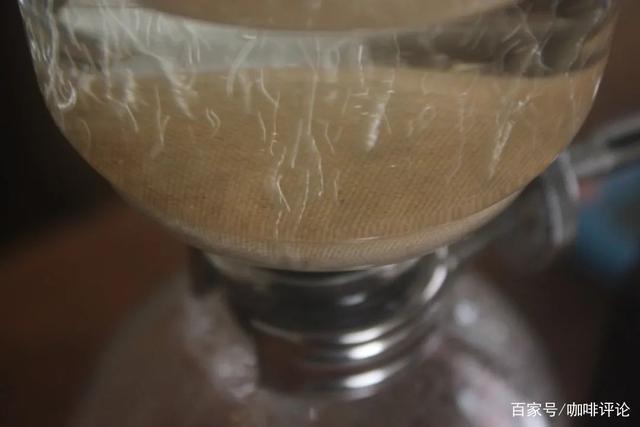
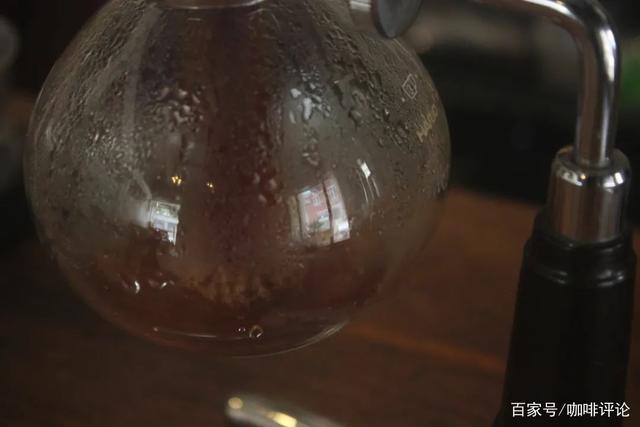
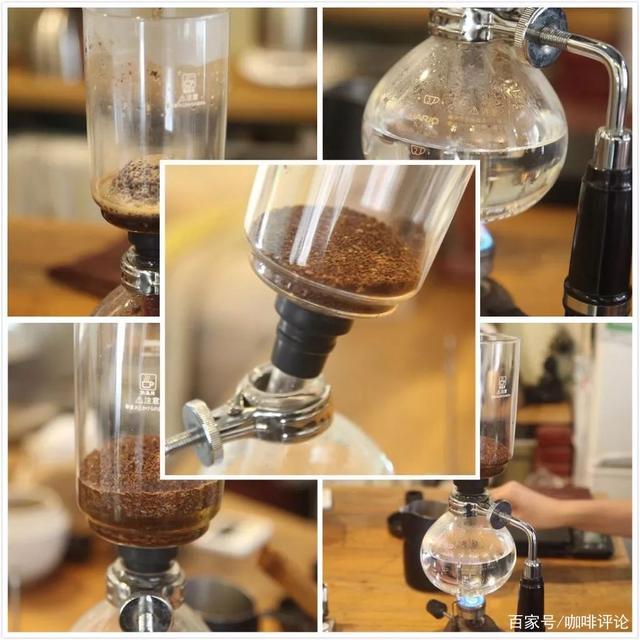
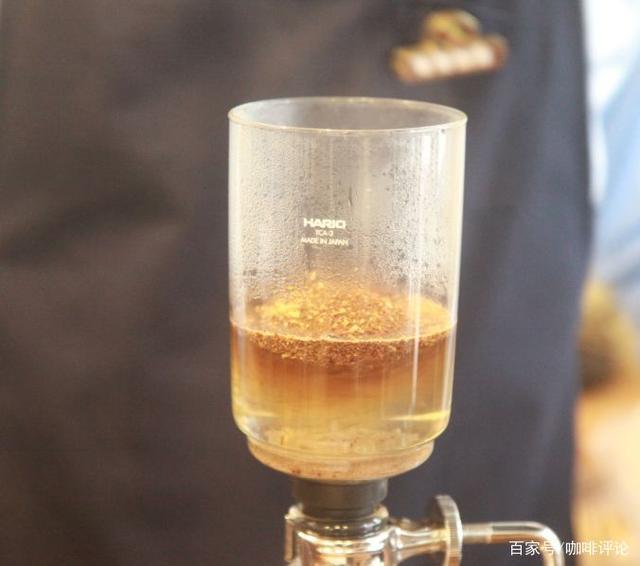
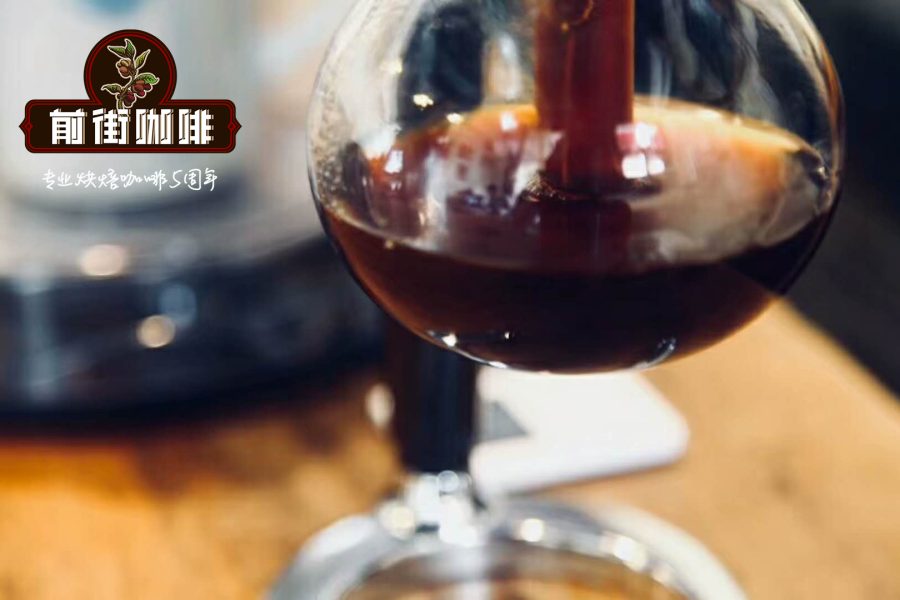
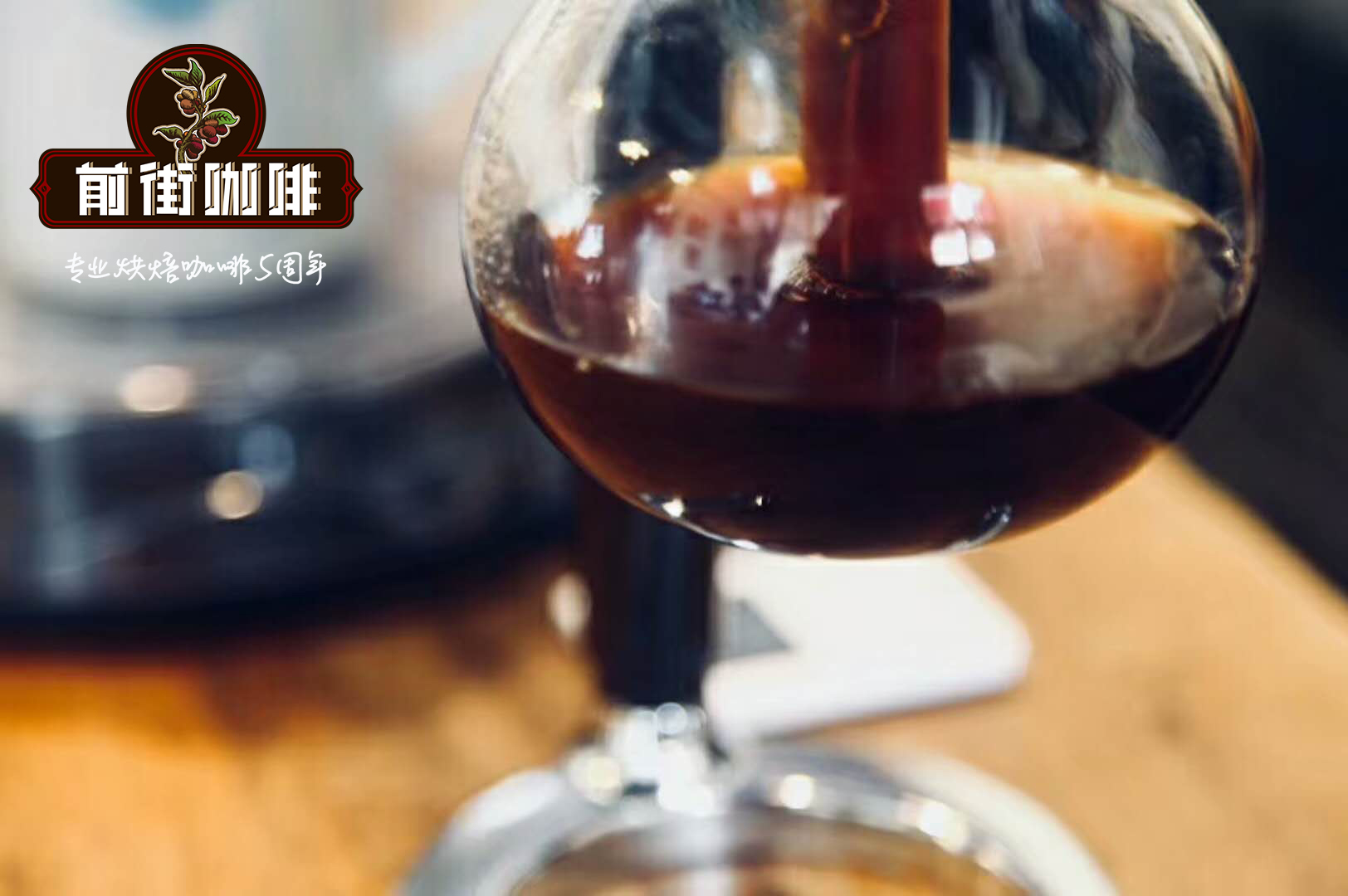
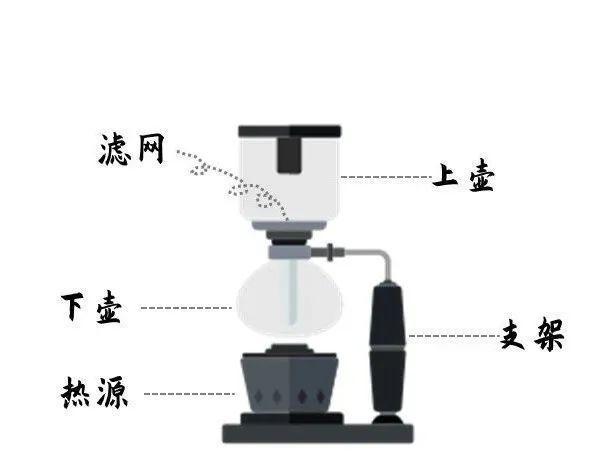
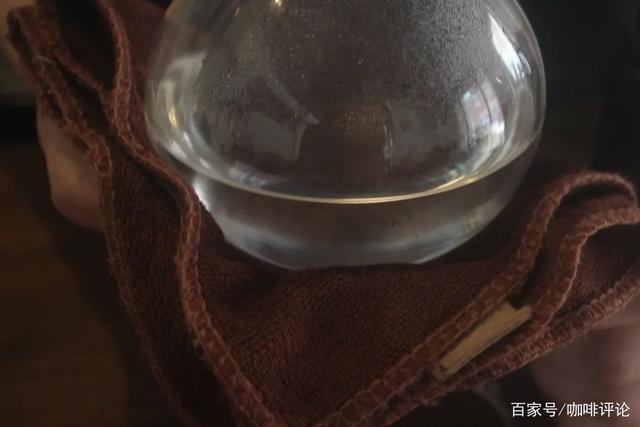
A standard siphon consists of a borosilicate glass upper chamber, a heat-resistant glass lower chamber, a stainless steel cloth filter, a tripod stand, and an alcohol/gas/halogen three-way heat source. When the lower chamber is heated to 90-95°C, steam pressure pushes hot water through the central tube into the upper chamber to mix with the coffee grounds; after the heat is turned off, the pressure drops sharply to form negative pressure, and the extracted liquid flows back through the filter into the lower chamber to complete separation.Special note: the lower chamber must be pre-filled with 180ml of purified water, and the outside of the chamber must be wiped dry to prevent uneven heating and cracking.
[Comparison of the Two Dosing Techniques]
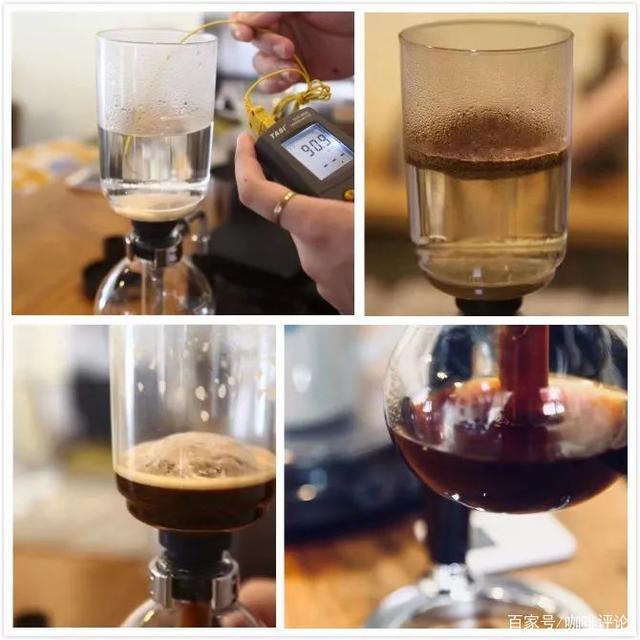
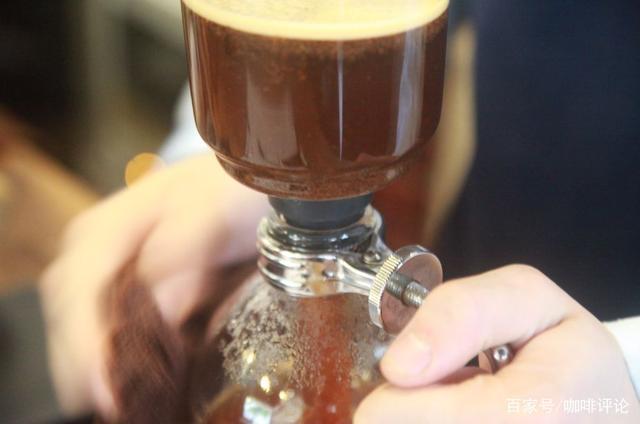
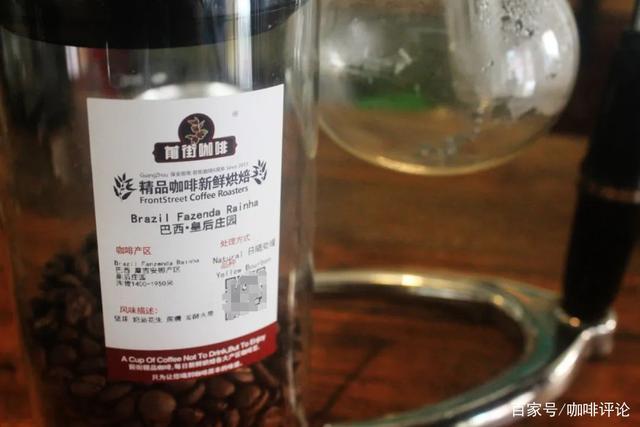
The add-first method requires a dry-run test at 90°C to confirm the filter is centered; after the coffee bed meets the hot water, it forms a gradual bloom. It suits light-roast beans where a clean acidity is desired, but requires precise control of the timing of the first stir. The add-later method adds the coffee grounds when the water temperature has dropped slightly to 88-92°C (recommended: 18g of grounds with 180ml of water), and strengthens the extraction of soluble substances through a second stir, more easily highlighting the nutty character of Brazilian beans.Testing shows that a third stir at 50 seconds with the add-later method can increase body by 15%.
[Four-Step Standardized Procedure]
1. Preheating stage: fill the lower chamber with water and wipe the outer wall dry; place the alcohol lamp at the center of the chamber bottom and heat continuously
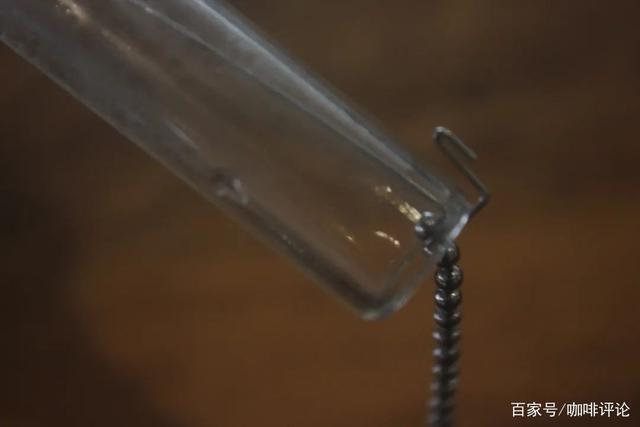
2. Assembling the upper chamber: insert the filter at an angle into the tube groove, then insert it vertically once a dense cluster of fine bubbles appears in the lower chamber
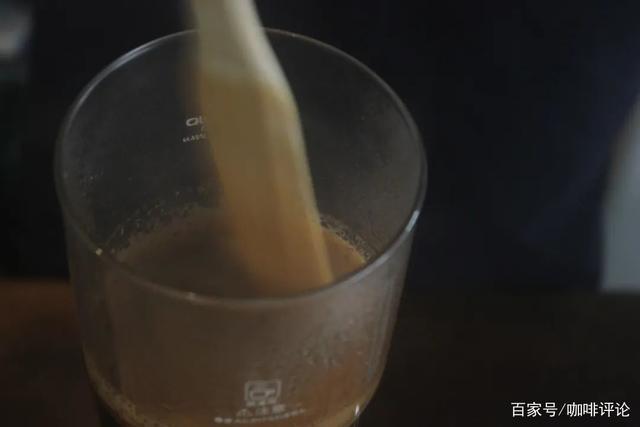
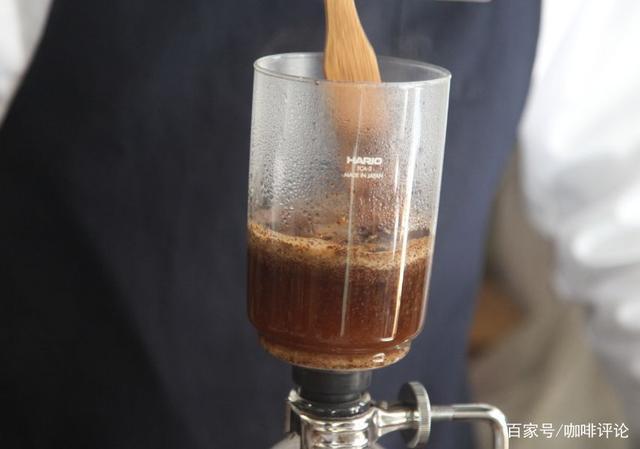
3. Extraction stage: after the coffee bed meets the hot water, stir outward clockwise for 10 seconds, then give a second brief stir at 40 seconds
4. Drawdown control: after turning off the heat, immediately wrap the lower chamber with a wet towel to speed up the siphon; keep the total time within 1 minute 10 seconds
[Three Stirring Techniques Explained]
The press-down method suits beginners: the stirrer lightly touches the surface to press the floating coffee bed into the water. The circling method traces arcs along the chamber wall and easily forms the signature "little hill" structure of coffee grounds. The advanced cross method turns the coffee bed in an X-shaped path and requires gentle movements at 2-3 second intervals. Whichever method is used,you must avoid breaking the filter's seal, which causes channeling.
[Solutions to Common Problems]
If sudden boiling occurs, immediately turn off the heat source and gently swirl the upper chamber to release pressure; if the coffee bed clumps, extend the first stir to 15 seconds; if the extracted liquid flows back too slowly, keep wiping the outer wall of the lower chamber with a wet cloth to reduce the temperature difference. Special reminder:an unstirred coffee bed will still lead to imbalanced flavor even if the extraction time is extended, so observe the coffee bed every 10 seconds.
[Key Parameters for Flavor Tuning]
For light to medium roasts, 88-90°C water with a BG#6M medium-fine grind (similar to fine sugar) is recommended; for dark roasts, raise the temperature to 92°C and switch to a BG#5M coarser grind. A 1:10 water-to-coffee ratio is the baseline; adjust to 1:8 for a richer body, or extend to 1:12 for a lighter flavor. Advanced brewers can adjust body thickness by changing the filter cloth's porosity (0.8-1.2μm).