Honduras El Naranjo Caturra Washed: Flavor Review and Pour-Over Guide
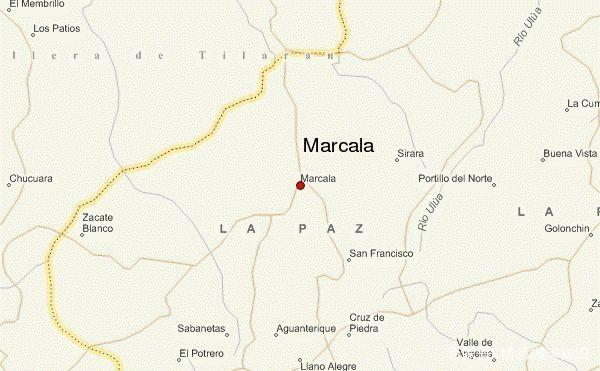
Introduction: This Caturra washed coffee from El Naranjo in Honduras's Marcala region is known for its shade from wild orange trees and its distinctive citrus sweetness and nutty, creamy texture. This article examines its growing background and washed-processing details, and provides a professional cupping report and a precise pour-over recipe to help you fully experience the fresh flavor layers of this 1,650-meter highland coffee.
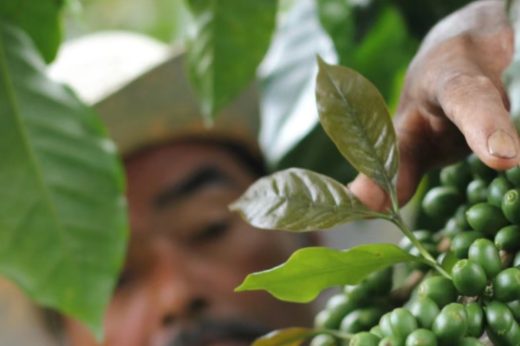
Honduran coffee is known for its vivid sweetness, and El Naranjo is one of the country's hidden gems. This 43-hectare estate in the Marcala region rivals the quality of the well-known Santa Barbara region. Its uniqueness lies in the wild orange trees that shade the hillsides—these trees not only give the coffee a rich floral and fruity base but also give the beans a rare, naturally bright sweetness.
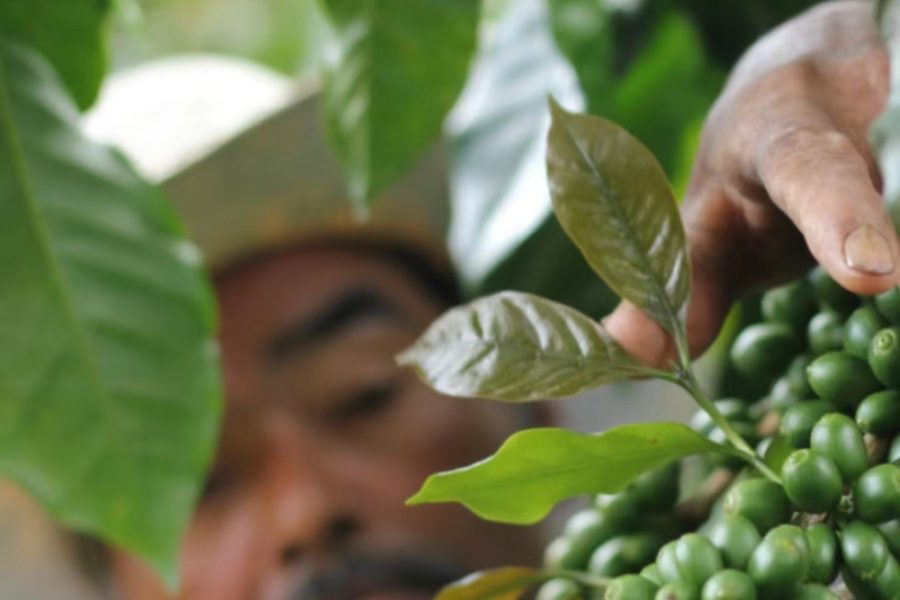
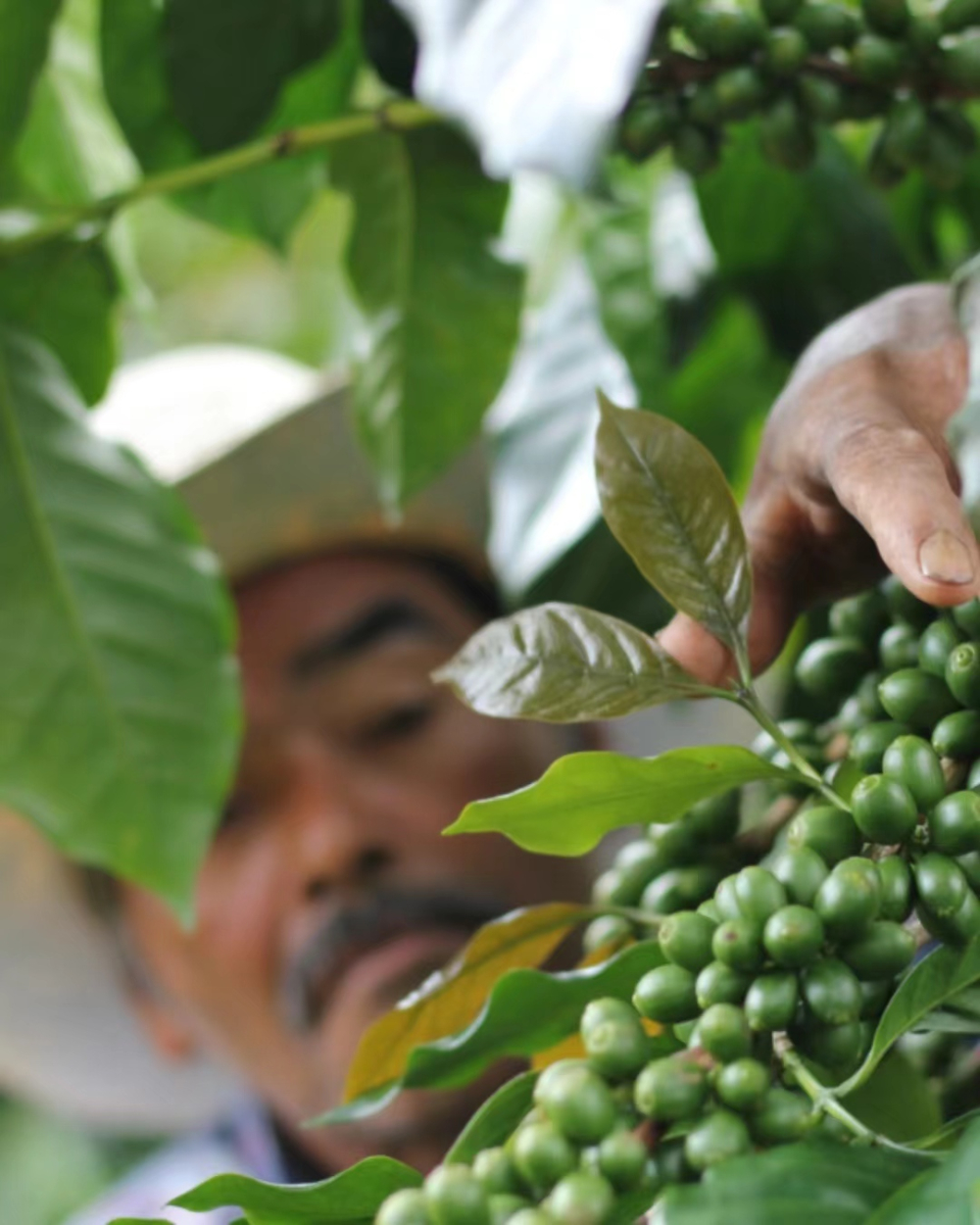
The owning Caballero family won a national championship in 2016 with a neighboring farm, and El Naranjo currently focuses on three varieties: Caturra, Bourbon and Geisha. Caturra, the main variety, inherits the advantages of a dwarf plant that resists wind and rain, with firm cherries that do not easily drop, making it especially suited to the climate of high-altitude growing areas. The estate averages 1,650 meters above sea level, and the large day-night temperature difference encourages the beans to accumulate sugars slowly—the key foundation of their flavor complexity.
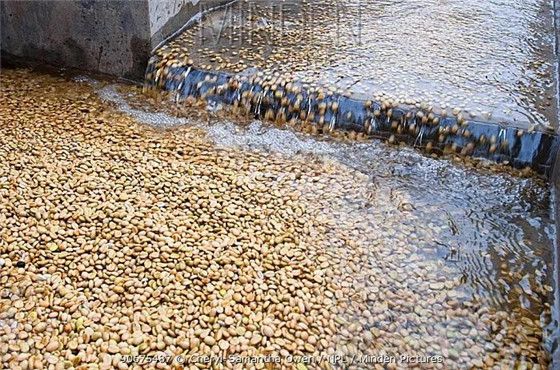
The washed process shows its classic advantages in this coffee: after selecting ripe fresh cherries, the skin and pulp are removed, then sugars are precisely converted through 16–36 hours of controlled fermentation, and finally the beans are rinsed in clean water and dried. Compared with natural processing, this method preserves a purer citrus character while reducing the risk of over-fermentation. During processing, the pH changes in the fermentation tank are strictly monitored to ensure the acidity is bright without being sharp.

The roaster uses a medium-light roast profile: charge temperature 175°C, yellowing at 5:40 (152.2°C), first crack beginning at 9:06 (184.1°C), and development ended with drop at 195°C. This approach brings out the floral and citrus edge while avoiding excessive caramelization that would mask the original flavors. In cupping, pronounced citrus and nutty dry aromas are evident; after water is added, umeboshi-like acidity and a creamy texture gradually emerge, with a clean, sweet orange-blossom-honey finish.

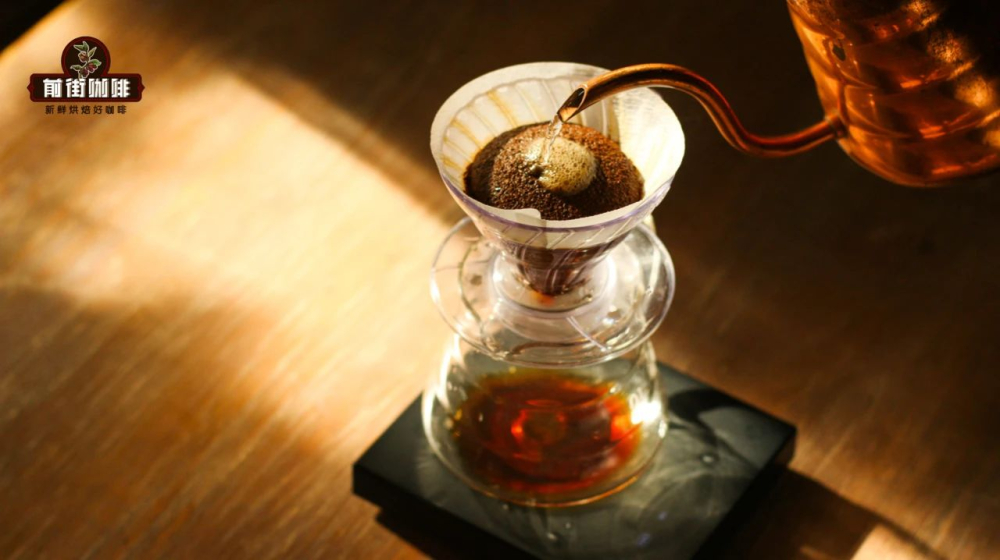
For home brewing, a V60 dripper is recommended, with a 1:15 coffee-to-water ratio and 91°C water, at a grind close to fine granulated sugar. Method: bloom 30 g of coffee for 30 seconds to release aroma, pour the first stage in a circle around the center to 125 g until the water level halves, then continue to a total of 225 g, with extraction completed in 2:10. Keep the flow steady to avoid over-extraction in the center that could cause bitterness. Advanced brewers can try lowering the water temperature by 0.5°C to highlight the citrus acidity, or extending the bloom time to strengthen the nutty character.
This coffee's flavor matrix is clearly layered: on entry, fresh citrus sweetness and acidity come first, accompanied by the deep fruitiness characteristic of umeboshi; in the mid-palate, nut and toasted-bread aromas form a full base, while the creamy finish balances the overall structure. Compared with the single sweetness common in ordinary Honduran coffees, El Naranjo, thanks to its altitude advantage and special processing, achieves a delicate balance of sweetness, acidity, bitterness and body, making it especially suitable for enthusiasts who prefer bright fruit acidity while seeking a full body.