How to Choose Beans for Americano: Single-Origin Guide and Brewing Parameters
Introduction: From espresso to drip black coffee, what lies behind the many forms of Americano? This article takes a deep look at the three classic ways to make Americano, compares the extraction differences between Americano, Long Black and Lungo, reveals the underlying connection between pour-over drip and machine brewing, and offers cost-effective coffee bean buying advice to help you recreate café-level flavor at home.
When talking about the flavor layers of coffee, many people wonder why milk-based drinks like cappuccino are needed at all—in fact, in the 16th century European nobles found coffee's raw bitterness hard to accept, which gave rise to variants with milk and sugar. But today we explore a more essential topic: how, through bean selection and brewing method, a cup of pure black coffee can show its unique appeal.
The core definition of Americano is far richer than common knowledge suggests: it can be the classic combination of espresso diluted with water, or it can be extracted directly through drip equipment. The origin of drip technology is worth noting—in 1908, German housewife Melitta Bentz, to solve the problem of coffee grounds, modified a brass pot with blotting paper and invented the filter method, a breakthrough that eventually evolved into the prototype of the modern drip coffee machine. The American market's preference for its automated version precisely confirms local consumers' extreme pursuit of convenience.
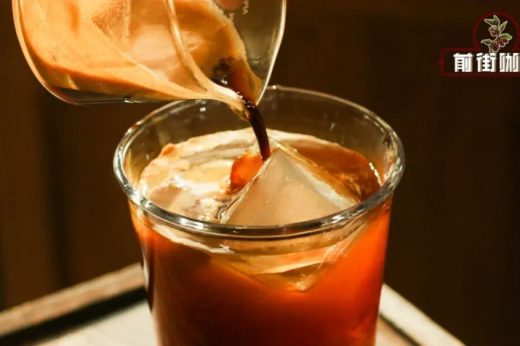
When making Americano, the three mainstream forms each have their own character: Americano follows the process of first extracting about 30ml of espresso and then pouring in 90°C hot water, usually maintaining a coffee-to-water ratio of 1:3 to 1:5; the reverse operation, Long Black, first pours in hot water and then slowly adds the espresso, a technique that better preserves the golden-brown crema formed by the oils. Lungo, meanwhile, obtains a larger volume by extending the espresso machine's extraction time (about 30 seconds); though no extra water is added, its caffeine content per serving is significantly higher than that of ordinary Americano.
In terms of flavor expression, the choice of single-origin beans directly affects the layers of the finished cup. Medium-light roasted beans suited to Americano (such as Ethiopian natural Yirgacheffe) can highlight citrus notes, and a 1:2 espresso ratio balances sweetness and acidity; dark-roasted Sumatra Mandheling is better suited to Long Black, its rich woody aroma appearing more balanced after dilution with hot water. If using the drip method, medium-roasted Brazilian beans are recommended; with 92°C water temperature and a 2-minute extraction time, you get a clean, refreshing nutty flavor.
Many coffee lovers may not know that the pour-over equipment used daily is in fact a technical continuation of the Melitta dripper. Japanese baristas, by improving filter paper materials and brewing techniques, developed this drip method into an independent system—in terms of technical essence, properly executed pour-over coffee fully meets the definition standard of Americano. The key lies in controlling variables: when 15 grams of coffee grounds correspond to 240ml of water, a grind size between medium-fine and medium-coarse (similar to granulated sugar) is recommended, and the flow rate should be kept at about 1 drop per second.
When buying coffee beans, pay attention to the roast date; beans more than 21 days past freshness are best given a resting period to improve flavor expression. For home use, single-origin beans balancing cost-effectiveness and quality usually fall in the 30-60 yuan/200g range; prioritize products with clearly labeled processing methods (such as washed or natural) and information on origin altitude. Whichever brewing method is used, precisely weighing the coffee grounds and water and keeping equipment clean are the basic elements for ensuring stable flavor.