Super Extraction coffee explained: from basics to parameters and practice
Introduction: In recent years, "Super Extraction" coffee has emerged as an innovative approach that combines the high-pressure extraction of espresso with the flavor profile of pour-over, and it is gradually attracting the attention of coffee enthusiasts. It is especially suited to light-to-medium roast beans, highlighting floral and fruity notes and high sweetness while avoiding the bitterness of over-extraction. This article explains in depth what Super Extraction is and its core differences from the traditional Americano, and breaks down in detail the Super Extraction parameters and practical workflow for a Huakui SOE, helping you easily master this emerging brewing method.
In the world of coffee, beyond the classic espresso and pour-over methods, new extraction concepts are continually being proposed and put into practice. Among them, "Super Extraction," a concept that has surfaced in recent years, has sparked considerable discussion thanks to its combination of espresso efficiency and pour-over flavor. So what is Super Extraction? How does it differ fundamentally from an ordinary Americano? In particular, for light-to-medium roast beans with bright fruity acidity, can Super Extraction deliver a more appealing flavor? Below we answer these questions one by one and provide a concrete Super Extraction guide.

"Super Extraction" is not actually an industry-standard term, but rather a summary used in coffee technology circles for a particular extraction approach. Taken literally, some might associate it with "over-extraction," but in fact its true meaning is closer to "super extraction"—that is, using an espresso machine to simulate pour-over, with gentler, lower-pressure conditions, to achieve a unique extraction style that sits between traditional espresso and pour-over.
Traditional espresso is usually extracted at a high pressure of 9 bar, with an extraction time of about 20–30 seconds, a coffee-to-liquid ratio in the range of 1:1.5–2.5, and an extremely fine grind, aiming for high concentration, thick crema, and a rich mouthfeel. This extraction method has been optimized over a long period and is suited to consistent output with concentrated flavor.

By contrast, the parameter settings for Super Extraction are completely different. It typically uses a coarser grind, low-pressure extraction (about 3–10 bar), and a larger coffee-to-water ratio (such as 1:5), and by controlling the flow rate it lets hot water pass through the coffee bed in a gentler way, thereby preferentially extracting the floral and fruity aromatic substances and sweetness components in the coffee while reducing bitterness and the risk of over-extraction. This extraction method places more emphasis on a flavor direction of "clean, bright, and high sweetness."

For coffee enthusiasts who pursue extremely clean flavor and emphasize the balance of fruity acidity and sweetness, Super Extraction offers a brand-new approach. This is especially true when working with light-to-medium roast coffee beans: because such beans are harder in texture and absorb water slowly, using conventional espresso high-pressure and high-concentration parameters can easily lead to sharp acidity or uneven extraction. The gentle extraction of Super Extraction, however, can better showcase the regional characteristics and floral-fruity notes of these beans.

Taking a light-to-medium roast bean with a creamy strawberry flavor tendency as an example, we can look concretely at how Super Extraction is done. Here it is recommended to use 20 g of coffee grounds with a coffee-to-liquid ratio of 1:5, that is, to finally extract 100 g of coffee liquid, with the water temperature controlled at around 94°C. According to personal preference, you can add iced water or hot water in proportion to make a cold or hot version.

In practice, to optimize the extraction effect, you can place a piece of round filter paper both above and below the coffee in the basket. The upper filter paper helps disperse the water flow and prevents high pressure from directly striking the coarse coffee bed and causing channeling; the lower filter paper further filters out fine particles, making the coffee cleaner in mouthfeel and reducing the influence of excess oils.

Taking an espresso machine with pressure adjustment capability as an example, the whole Super Extraction process can be divided into three stages: first, in the first 8 seconds of extraction, maintain the pressure at about 3 bar to let the hot water fully wet the coffee puck and prepare for subsequent extraction; then, between the 8th and 18th seconds, raise the pressure to 9–10 bar, at which point the bright floral-fruity acidity and aroma are mainly extracted; finally, from the 18th second to the end, lower the pressure to 5–6 bar to slow the flow rate and extract the remaining mid-to-late-stage substances, with the overall extraction time controlled at around 38 seconds, finally yielding 100 g of coffee liquid.

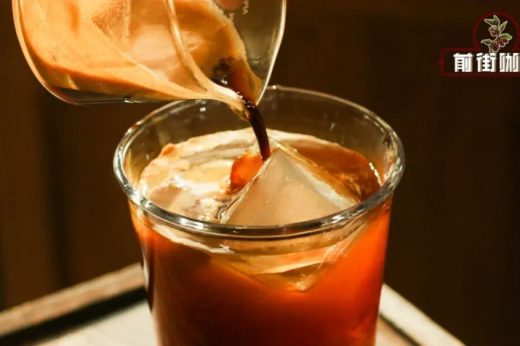
After extraction is complete, you can choose to add an appropriate amount of ice cubes and cold water, or hot water, to dilute it according to personal taste preference. For example, adding 80 g of ice cubes and 20 g of water makes a refreshing iced Super Extraction, while adding 100 g of 85°C hot water gives a cup of hot drink with balanced flavor. Each method has its own merits and suits different occasions and taste needs.

When tasting, the iced version of Super Extraction often shows higher acidity and freshness, with a flavor leaning toward berry fruits and relatively restrained sweetness, but overall refreshing and easy to drink; the hot version, meanwhile, better releases tropical fruit, floral, and caramel layers, with better sweet-acid balance, a clean mouthfeel, and a soft black-tea-like sweetness in the finish.

Overall, Super Extraction is an innovative extraction method worth trying, especially suited to coffee enthusiasts who like prominent fruity aroma, obvious sweetness, and a clean mouthfeel. It retains the convenience and efficiency of espresso while drawing on the flavor expression of pour-over, making for a unique experience somewhere between the two.

If you are tired of regular espresso or pour-over, you might as well try making a Super Extraction at home or in a café—you may discover another world of coffee flavor.