Yunnan Arabica Coffee Beans: Hand-Brew Parameters and Flavor Guide, 2024 Origin Review
Introduction: Yunnan is an important coffee-producing region in China, and its arabica coffee has attracted widespread attention for its distinctive flavor. This article starts with the background of coffee cultivation in Yunnan, mainstream varieties, and harvesting and processing methods, then analyzes the flavor characteristics of Yunnan arabica in depth and offers professional hand-brew parameter recommendations to help coffee enthusiasts better taste and brew it and find a flavor experience that suits them.
Every year in mid-December, Yunnan coffee enters its annual harvest peak, especially the coffee gardens located at higher elevations, which are only just reaching their best picking time. Take the semi-primitive forest area at about 1,300 meters above sea level as an example: limited by climatic conditions, the coffee on these plots often has to wait until this time of year for the fruit to fully ripen.
Looking back at the development of Yunnan coffee, it has not been smooth sailing. In the early years, many investors preferred to buy local land directly, quickly carry out natural or honey processing, and launch so-called "specialty coffee" in a short time. Although this approach could show results quickly, it was difficult to truly improve the overall quality and reputation of Yunnan coffee. The real challenge lies in choosing suitable elevations and varieties and combining them with meticulous agronomic management to cultivate high-quality coffee with regional character.
The flavor expression of specialty coffee cannot be separated from three key elements: variety selection, elevation, and processing method. Only when these three aspects are in harmony can a distinctive regional flavor be presented. Take the arabica species as an example: it has relatively high elevation requirements and usually needs to be grown above 1,000 meters. The higher the elevation, the more favorable it is for the accumulation of flavor compounds. However, most of Yunnan's overall elevation is only near the qualifying line, so more meticulous management and variety optimization are needed.
In terms of varieties, the variety planted on a large scale in Yunnan is Catimor. This variety has strong disease resistance and stable yield and is widely used in commercial coffee production—what we often call "Yunnan arabica." Catimor was created in 1959, when the Portuguese crossed Brazil's Caturra with the East Timorese Tim variety, which carries Robusta genes. It has strong resistance to leaf rust and is suited to Yunnan's climate.
However, some estates insist on planting traditional arabica varieties, such as Typica. Typica is known for its elegant flavor, but it is difficult to grow and has low yield—only about one-third that of Catimor—and is susceptible to rust, which makes its planting area in Yunnan relatively small, though its flavor potential is more outstanding.
Yunnan's coffee-growing areas are mainly concentrated in Lincang, Baoshan, Pu'er (formerly Simao), Xishuangbanna, Dehong, and other places. Among them, Baoshan, because its elevation is mostly above 1,200 meters, its climate is stable, and the temperature difference between day and night is moderate, is considered one of the golden producing areas for Yunnan arabica. The coffee produced here is usually mellow and rich, with obvious fruit tones and floral notes, and a clean, clearly layered mouthfeel.
Yunnan's climate is characterized by a clear dry season and rainy season throughout the year, and these climatic conditions have an important impact on both manual picking and coffee cultivation. Generally speaking, the rainy season is the best window for planting coffee seedlings; sufficient moisture helps the seedlings quickly take root in the first few months and prepare for the half-year dry season that follows.
From planting to the first fruit bearing, a coffee tree usually needs 3 to 4 years, and finding a suitable processing method and achieving stable output often requires several more years of experimentation. Therefore, cultivating from scratch an estate that can stably produce high-quality coffee requires an investment of at least 8 years, which is also why many estates choose faster methods.
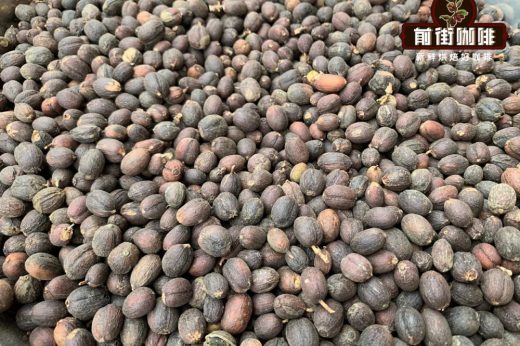
In terms of processing, different methods significantly affect the final flavor direction of the coffee. Take natural processing as an example: this method fully retains the sugars and fruity aromas in the pulp, bringing a richer sweetness and complexity. Professional natural processing requires selecting fully red cherries and spreading them evenly on well-ventilated drying beds to avoid over-fermentation, thereby achieving a more balanced flavor expression. Naturally processed Typica coffee often presents citrus and berry notes, accompanied by moderate fermented wine aroma and caramel sweetness, with a full body and a long finish.
In terms of roasting, given the characteristics of the Yunnan producing area, medium roast usually better highlights its natural sweetness and balanced fruit acidity. This roast level preserves the coffee's own regional character while not overly masking its delicate flavor layers.
For home brewing, the Hario V60 dripper is recommended, with a medium-fine grind (80% passing through a Chinese standard No. 20 sieve), a coffee-to-water ratio of 1:15, and a water temperature of about 90°C. This combination helps fully reveal the layers and flavor details of Yunnan coffee.
In practice, it is recommended to first bloom with 30 grams of water for 30 seconds, then pour in a small, centered stream to 125 grams in stages; when the water level drops and is about to expose the coffee bed, continue pouring to 225 grams and finish extraction. The whole process takes about 2 minutes. This parameter setup can effectively improve flavor clarity and layering.
Take high-quality Yunnan Typica as an example: its dry aroma often carries a faint caramel and nut scent; on the palate, chocolate is the main note, complemented by brown sugar sweetness and subtle fruit acidity, while the finish presents a soft aftertaste similar to black tea. The overall flavor is rich and harmonious, suitable for coffee enthusiasts who enjoy multi-layered mouthfeels.