Yunnan Small-Bean Coffee Guide: Origins, Brands, Flavor and Brewing Parameters
Introduction: As a prime coffee-producing region in China, Yunnan's small-bean coffee has joined the ranks of international specialty coffee thanks to its unique terroir and years of development. This article takes an in-depth look at the core origins of Yunnan coffee beans, the characteristics of classic varieties, and mainstream processing methods, along with flavor descriptions and brewing suggestions to help you understand the diverse appeal of Yunnan coffee from beginner to advanced level.
When people mention Yunnan, most first think of Pu'er tea and rarely pay attention to the distinctive coffee this land also nurtures. In fact, Yunnan is not only China's largest coffee-producing region, but its small-bean coffee is also exported overseas and has gained recognition in many specialty coffee circles. Yunnan's coffee-growing history dates back to 1904, when French Catholic missionary Tian De Neng entered Zhukula Village in Dali from Vietnam to preach, established a church there and planted the first Typica coffee trees, thus opening the chapter of coffee cultivation in Yunnan. Since then, it has grown through three waves of development.
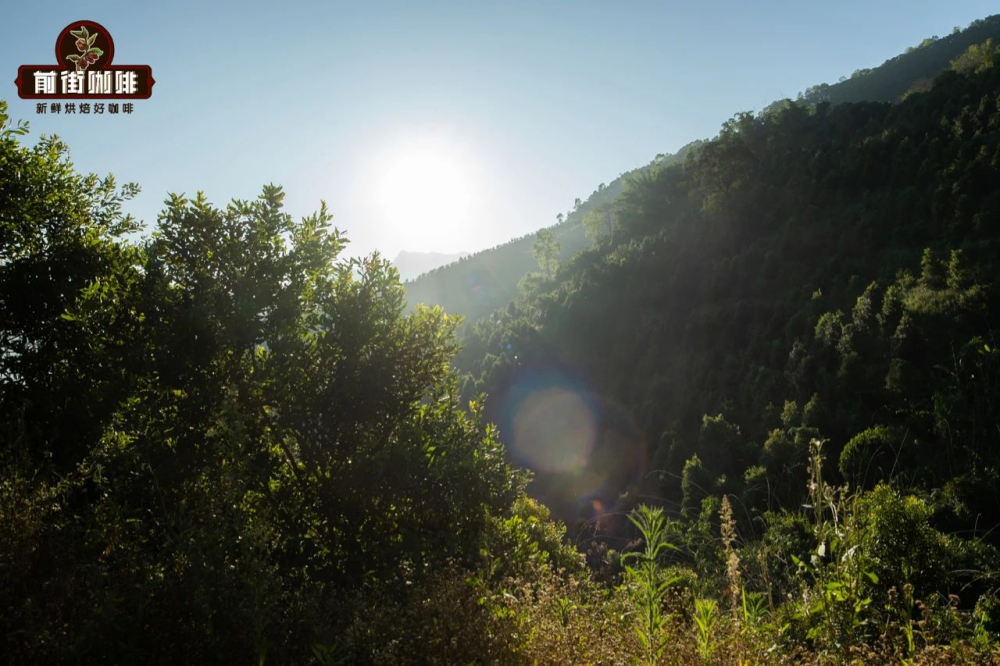
Why is Yunnan an ideal place for coffee to grow? The answer lies in its unique natural conditions: the Tropic of Cancer passes through the region, forest coverage is high, the soil is fertile and rich in minerals, temperatures are mild year-round, rainfall is evenly distributed, and the complex terrain and moderate elevations (mostly concentrated between 1000 and 1800 meters) together form a "golden combination" for coffee tree growth. The main growing areas cover Lincang, Baoshan, Pu'er (formerly Simao), Xishuangbanna, Dehong and other places, each of which fosters unique flavor layers due to differences in microclimate.
Looking at specific production areas, Lujiangba in Baoshan is a representative of early specialty coffee. The planting elevation here is 1000–1500 meters, with an average annual temperature of 21°C; abundant sunshine and a large diurnal temperature difference give the coffee a mellow nutty and chocolate base. It is worth noting that in the late 1950s this area was rated first-class on the London market in the UK, and the reputation of "Lujiang coffee" spread from there. In 2010, "Baoshan small-bean coffee" was approved for national geographical indication product protection, becoming a quality endorsement. The region's typical washed, medium-roasted beans often present a soft nutty aroma, light plum acidity and steady sweetness, making them the introductory first choice for many consumers encountering Yunnan coffee.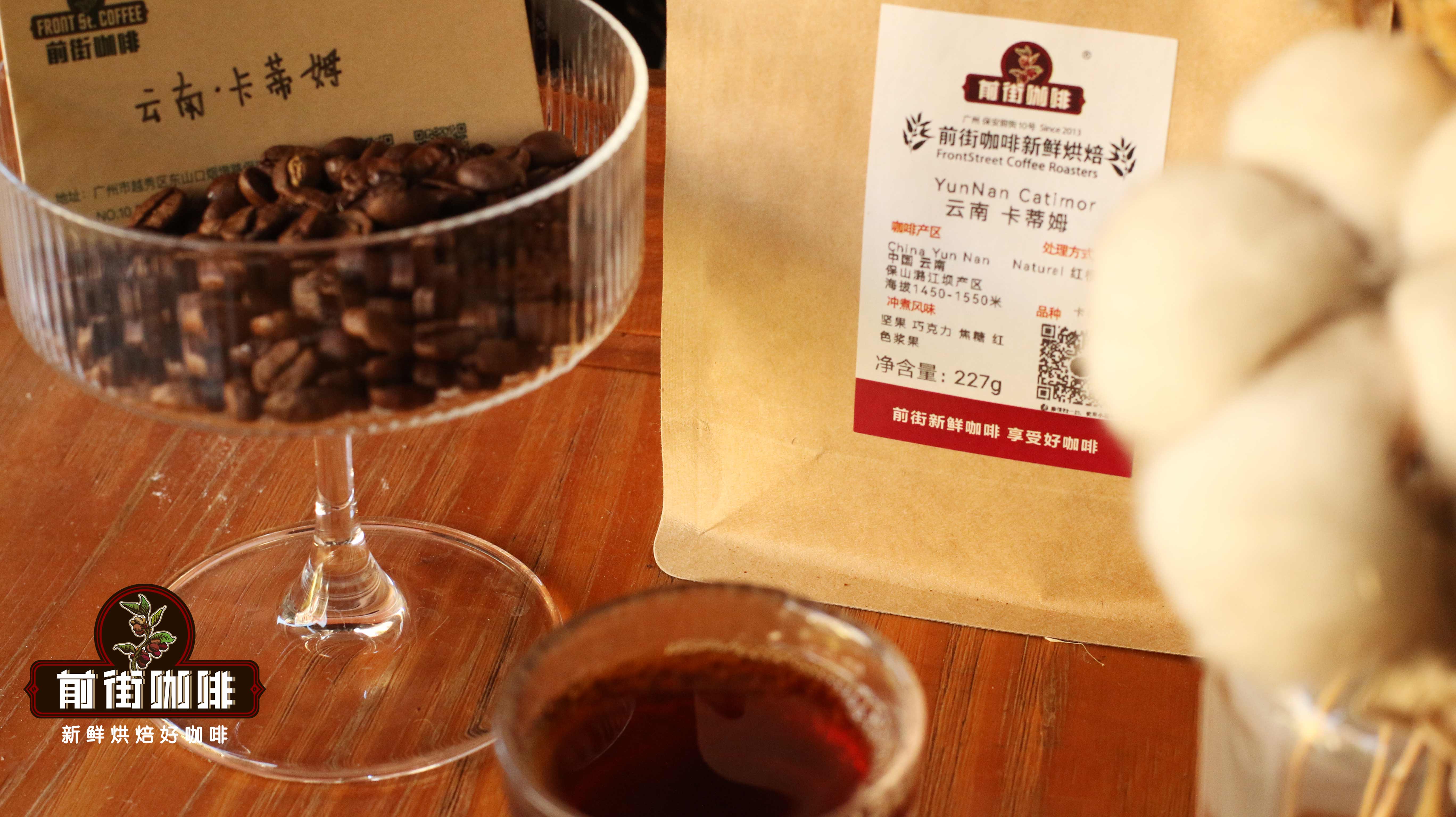
Lincang and Pu'er are also important production areas. Lincang is located in southwestern Yunnan, adjacent to Myanmar, with an average annual temperature of 18–20°C, a significant diurnal temperature difference, abundant rainfall and soil rich in organic matter, providing an ideal environment for coffee to accumulate sugars and flavor compounds. The area covers Gengma, Zhenkang and other counties, and in recent years has attracted several coffee companies to establish planting bases. Pu'er City (including nine districts and counties such as Simao and Ning'er) has a wider elevation range (700–1600 meters) and an average annual temperature of 17–20°C; it has both mellow low-elevation styles and balanced mid-elevation expressions, and is a core contributor to Yunnan's coffee output.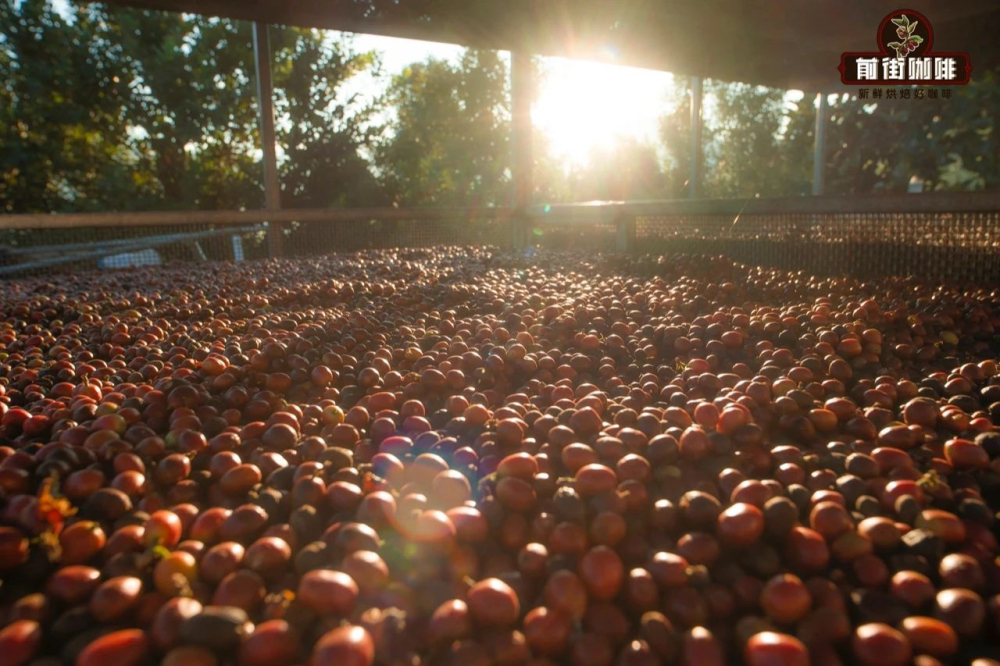
Dehong is one of the starting points of coffee introduction in Yunnan. As early as 1914, small-bean coffee was introduced locally from Myanmar, and after 1953 large-scale commercial planting began. Its climate characteristics are similar to Lincang's—no severe cold in winter and no extreme heat in summer—and combined with fertile soil conditions, the coffee produced has a full flavor and excellent balance of acidity and sweetness.
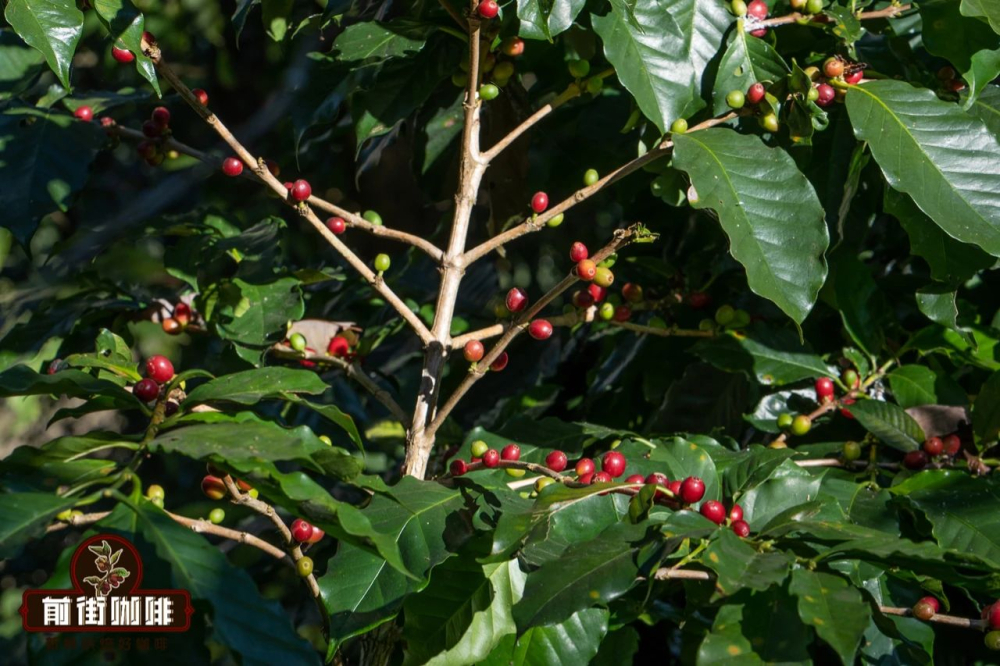
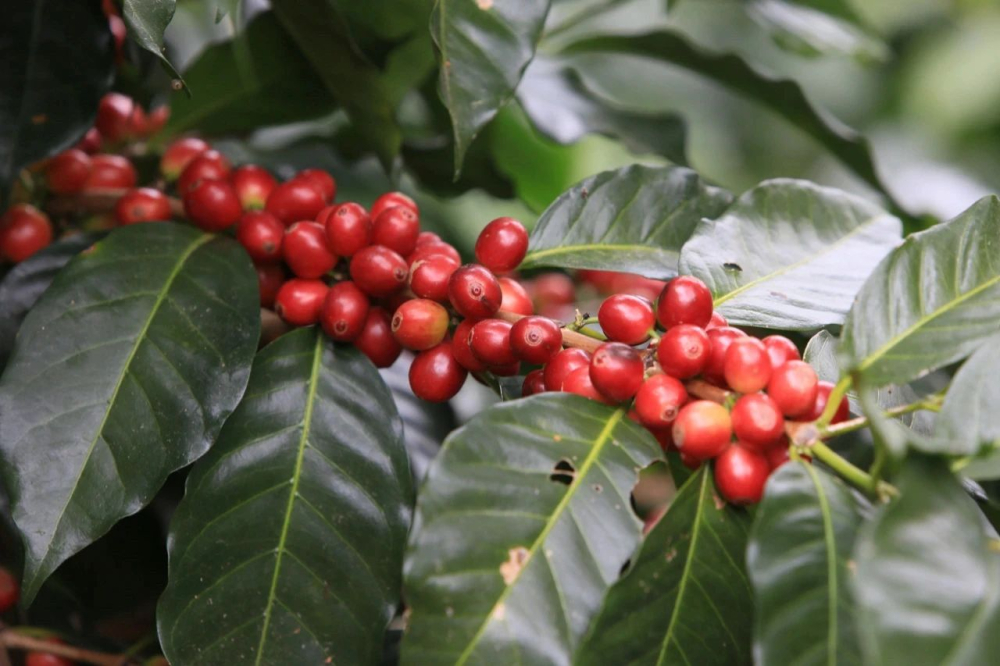
The Yunnan coffee beans commonly found on the market today are mainly Catimor and Typica. Typica is one of the oldest Arabica varieties; it originated in Ethiopia and was introduced to Yunnan after spreading through Yemen, India and other places. It is known for its elegant floral and fruity aroma, bright acidity and delicate mouthfeel, and was once the mainstay of Yunnan's early planting. However, because of its lower yield (about one-third that of Catimor) and susceptibility to leaf rust, farmers gradually abandoned it. Catimor is a hybrid of Catuai and Timor coffee with a small amount of Robusta genes; it has strong disease resistance and a yield up to three times that of Typica, meeting farmers' need for economic returns. However, the Robusta genes also bring a "double-edged sword" effect: while improving resistance and yield, they may impart a "devil's aftertaste" with slightly woody or grassy notes, which needs to be reduced through careful processing.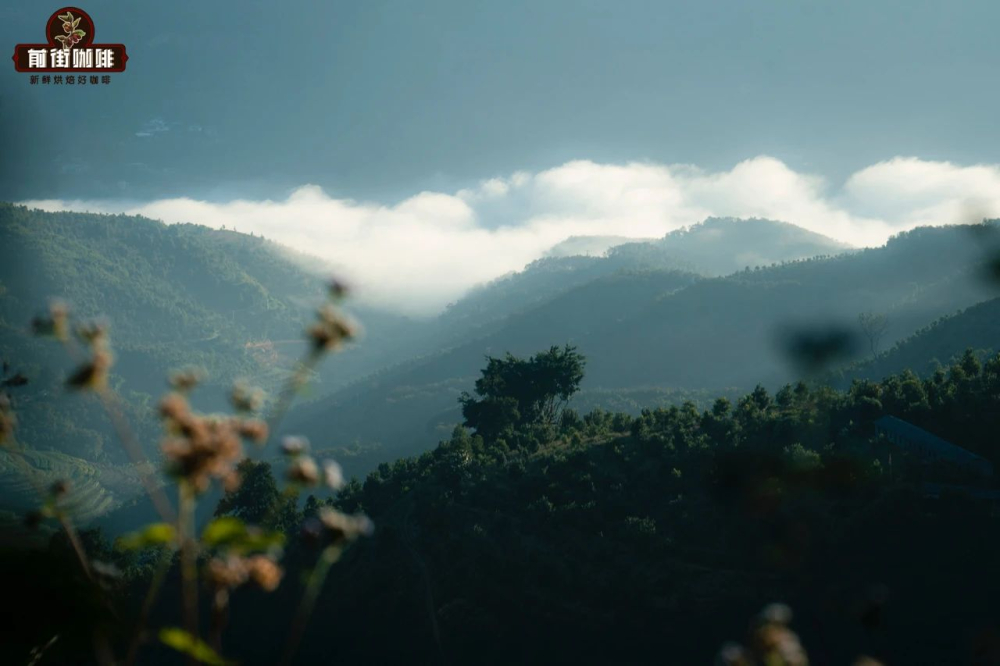
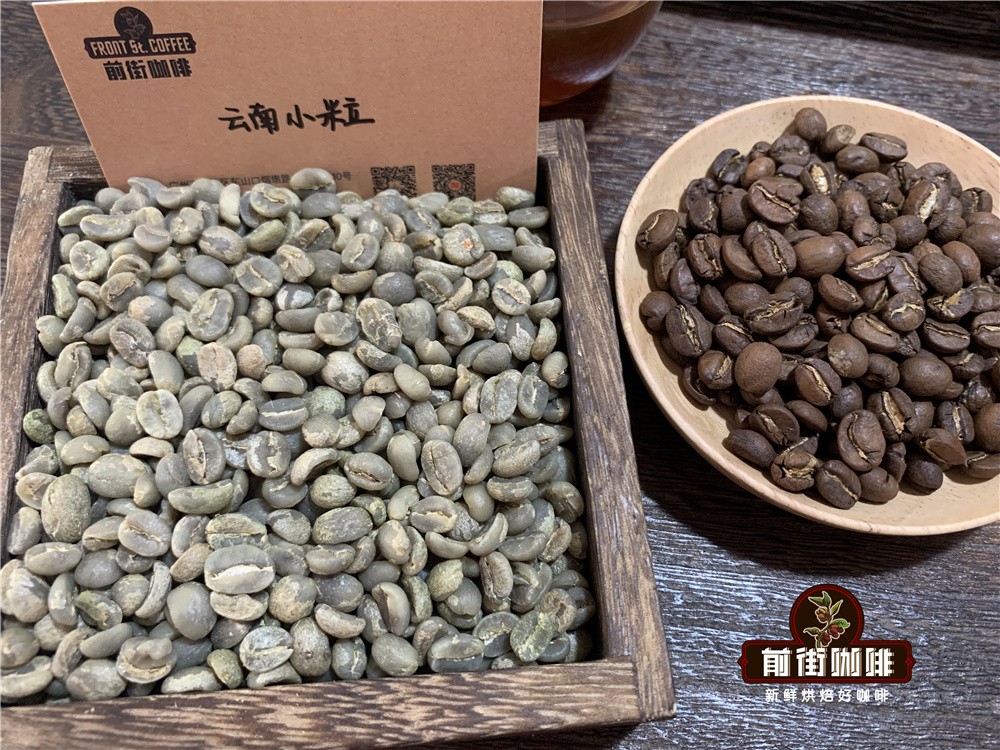
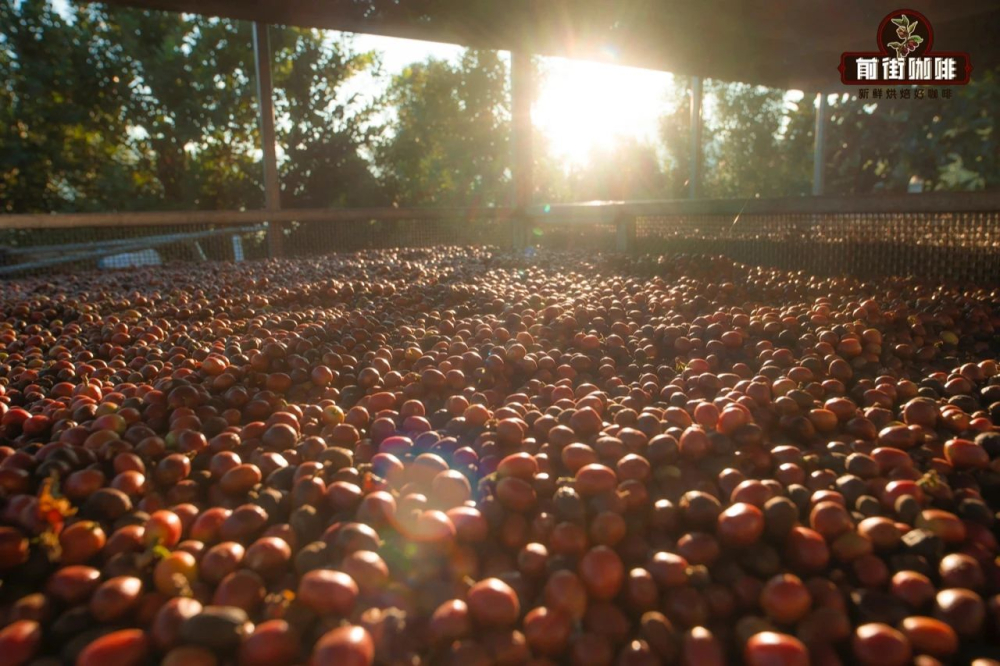
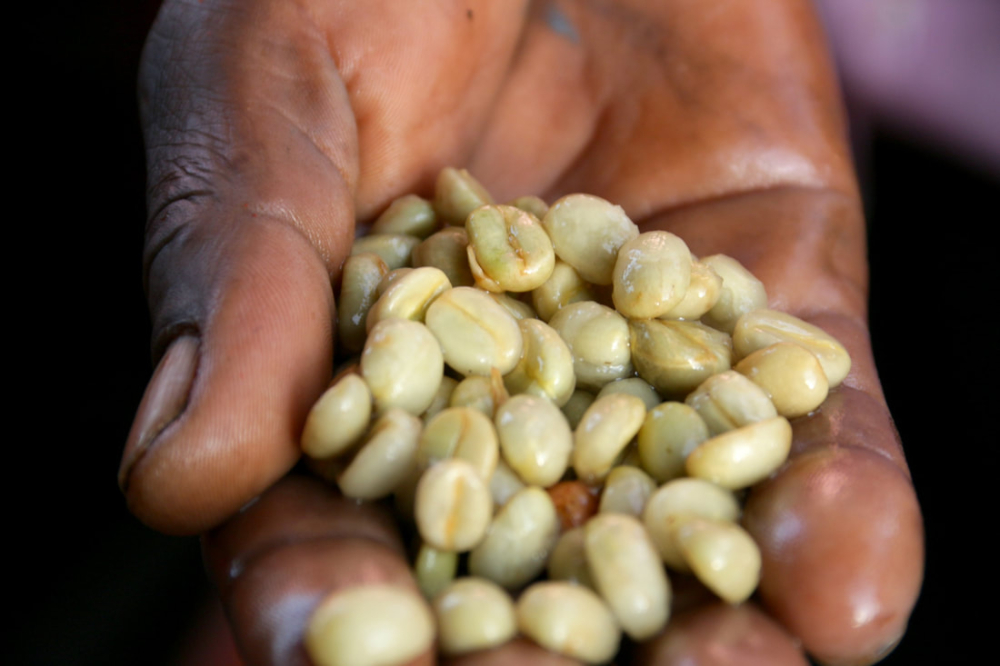
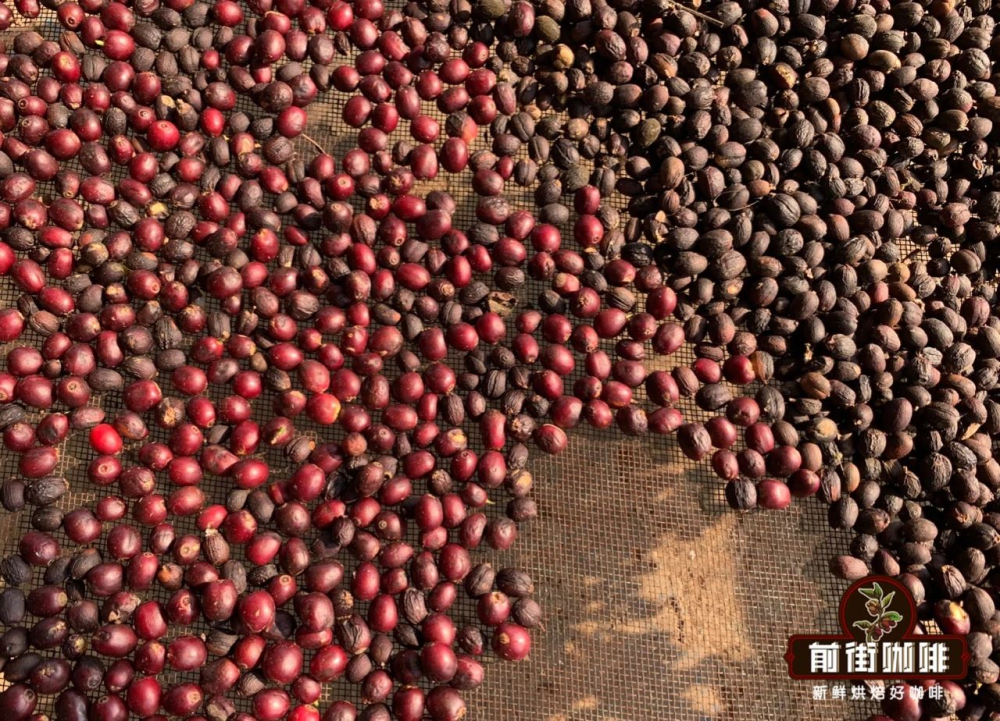
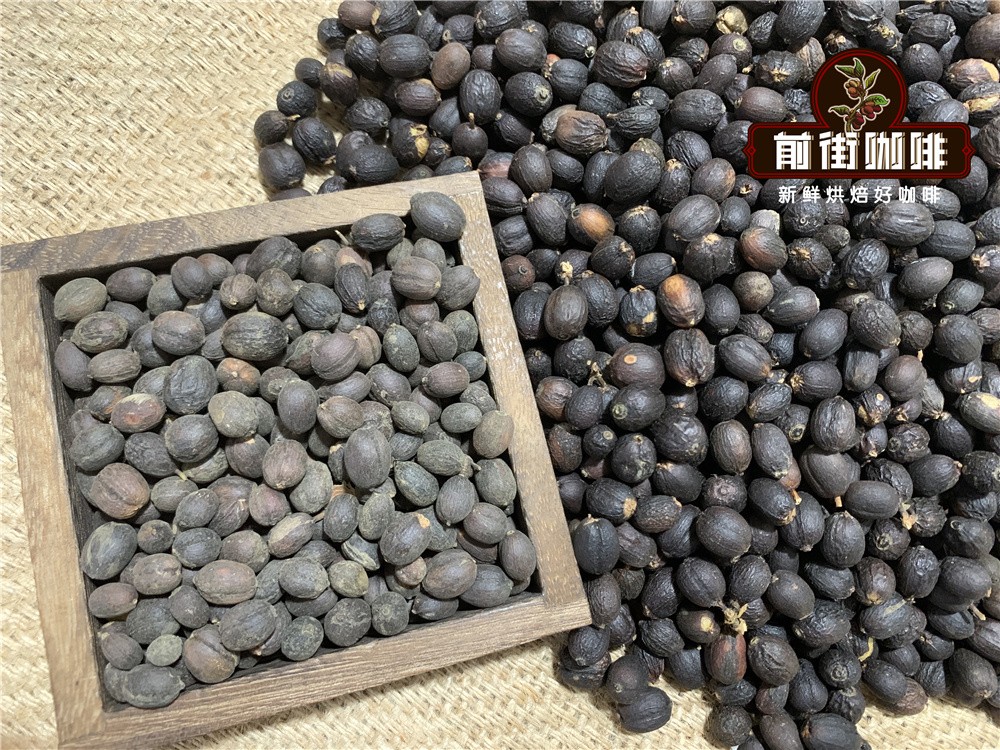
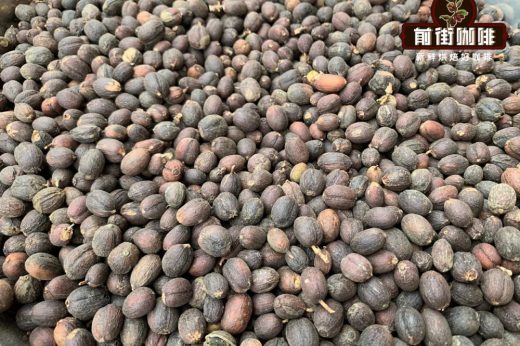
Processing methods directly affect the coffee's final flavor. Yunnan coffee has tried various innovative processing methods (such as anaerobic fermentation), but the mainstream remains washed and natural. The washed method, in which the pulp is removed before fermentation, can clearly present clean, bright fruit acidity and high sweetness; defective beans are easy to sort out, flavor purity is high, and it is suitable for showing the basic terroir characteristics of a production area (such as citrus and berry notes). The natural method keeps the whole fruit and dries it directly; the fermentation process is more complex, giving the coffee rich caramel, nutty and winey aromas, with full sweetness but a heavier mouthfeel, commonly with aftertastes of brown sugar and black tea. Beginners are advised to try washed beans first, as they more intuitively convey the "fresh" style of Yunnan coffee; experienced enthusiasts can explore the mellow charm of natural beans.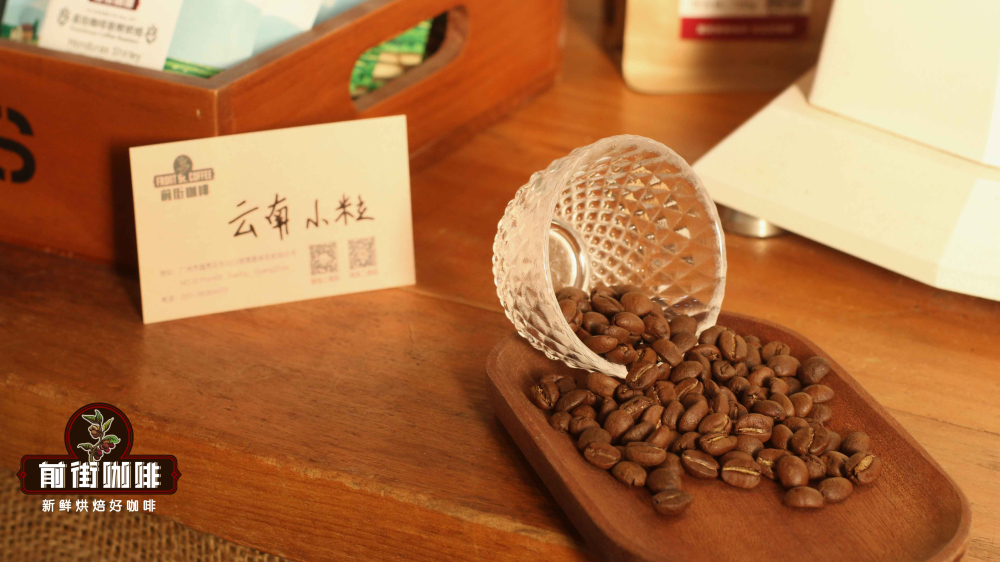
To deeply experience the essence of Yunnan small-bean coffee, consider the following practical suggestions: when brewing, use a medium-fine grind for washed beans (about the size of fine sugar granules) and a water temperature of 90–92°C, with staged extraction (such as a three-pour method) to highlight bright acidity; for natural beans, use a slightly coarser grind (the size of white sugar) and a water temperature of 88–90°C, and extend the bloom time to release mellow sweetness. Whichever processing method, freshness is key—choose beans within 1–2 weeks after roasting and store them sealed and away from light to lock in the flavor.
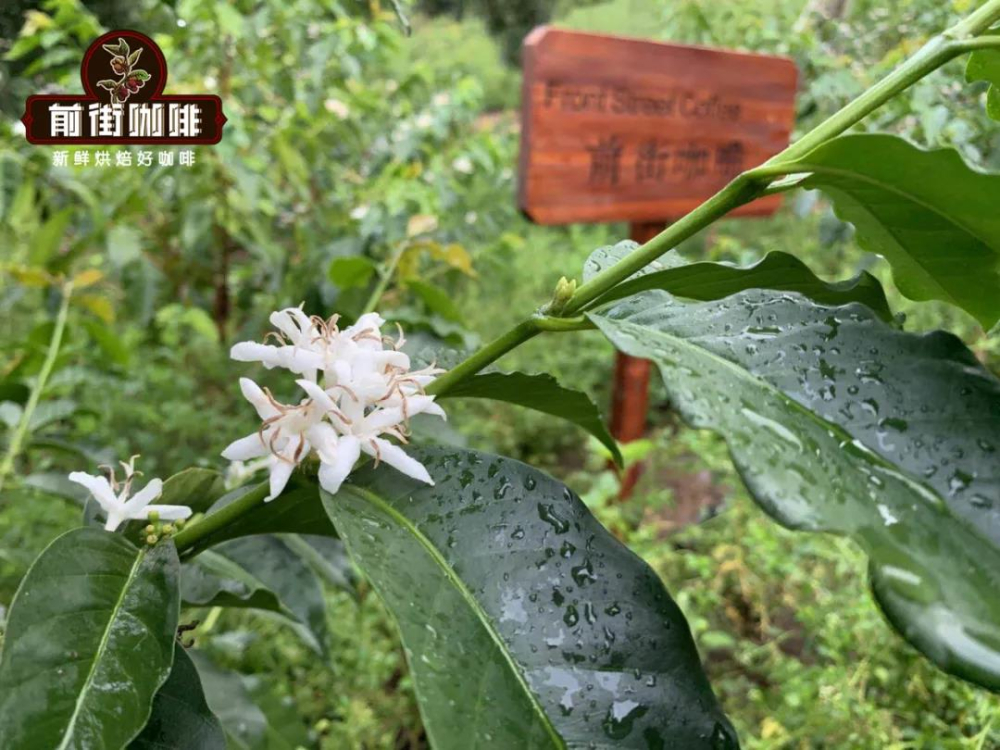
From the first coffee tree in 1904 to today's specialty coffee region, Yunnan small-bean coffee has gone through a century of accumulation, retaining the elegant genes of Typica while achieving a balance between scale and flavor through Catimor. Whether it is Baoshan's nutty-chocolate notes, Lincang's balanced mellowness, or Dehong's full fruity aroma, the coffee of each production area tells the story of Yunnan's unique terroir. Only by understanding the connections among varieties, processing and production areas can you truly taste the craftsmanship "from seed to cup" on this land.