Honduras Santa Barbara Coffee Beans: Terroir and Flavor Guide
Introduction: Honduras is an emerging specialty coffee origin in Central America, and beans from its Santa Barbara region are noted for their distinctive flavors and high-quality processing. This article takes a closer look at the region's geographical advantages and the operating model of its main coffee cooperatives, explains the characteristic flavors of the washed Parainema variety, and discusses how altitude and roasting affect flavor, helping coffee enthusiasts gain a full understanding of this promising origin.
Coffee from Honduras's Santa Barbara region has gradually gained prominence in the international specialty coffee market in recent years. The San Vicente processing facility in the area, run by the Sacatume family, uses the washed process to refine Parainema variety coffee beans. After a very light roast, the coffee shows bright floral and citrus notes, accompanied by vanilla and maple syrup sweetness, with a soft and layered finish.
When Central American coffee comes up, most people first think of Guatemala, Costa Rica or Panama. But Honduras, an origin with equally favorable growing conditions, saw its coffee industry rise rapidly after the Brazilian frost disaster of 1975. With Brazilian coffee production plummeting at the time, Honduras seized the opportunity, and its annual coffee output grew substantially from 500,000 bags to 1.8 million bags, with quality gradually reaching specialty grade.
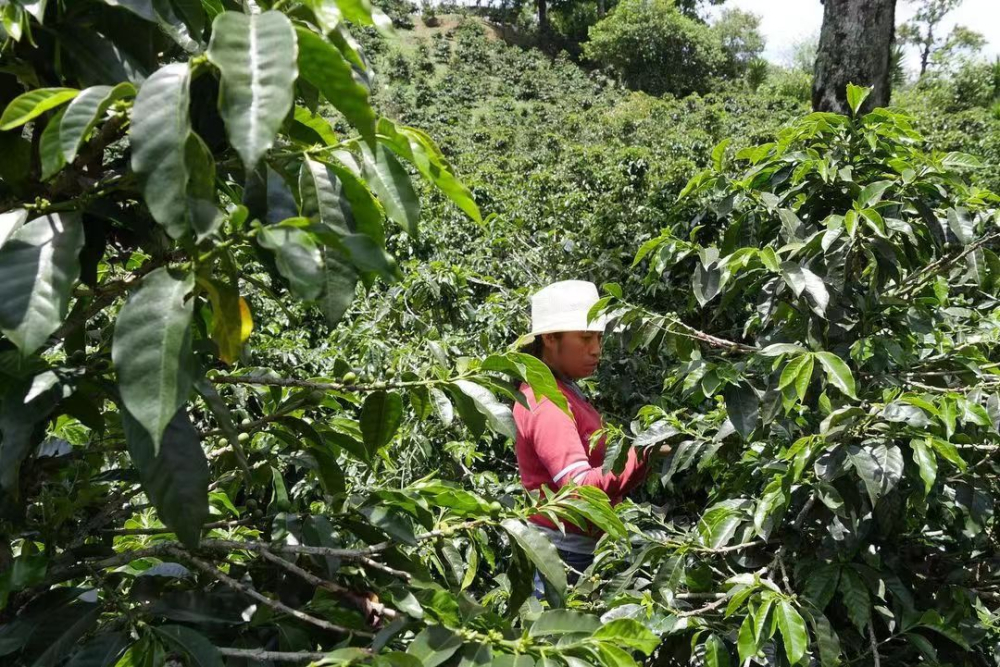
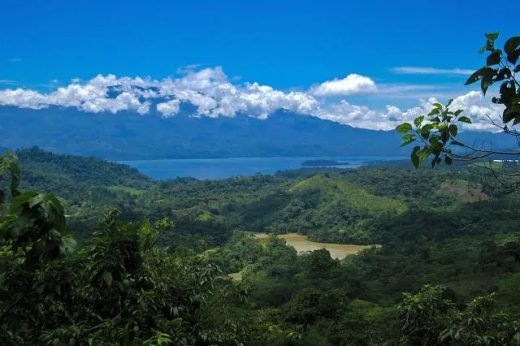
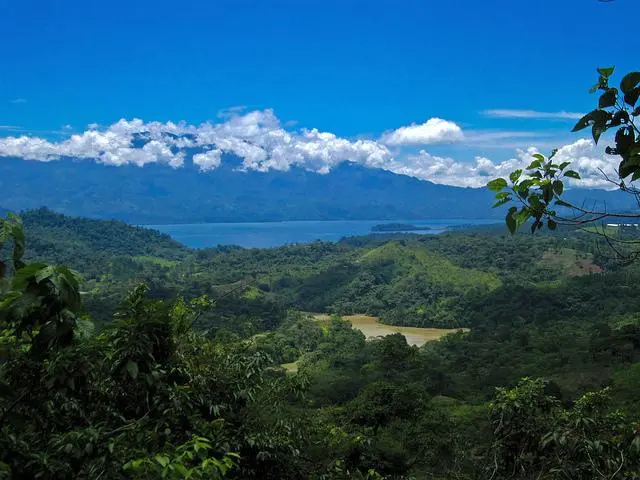
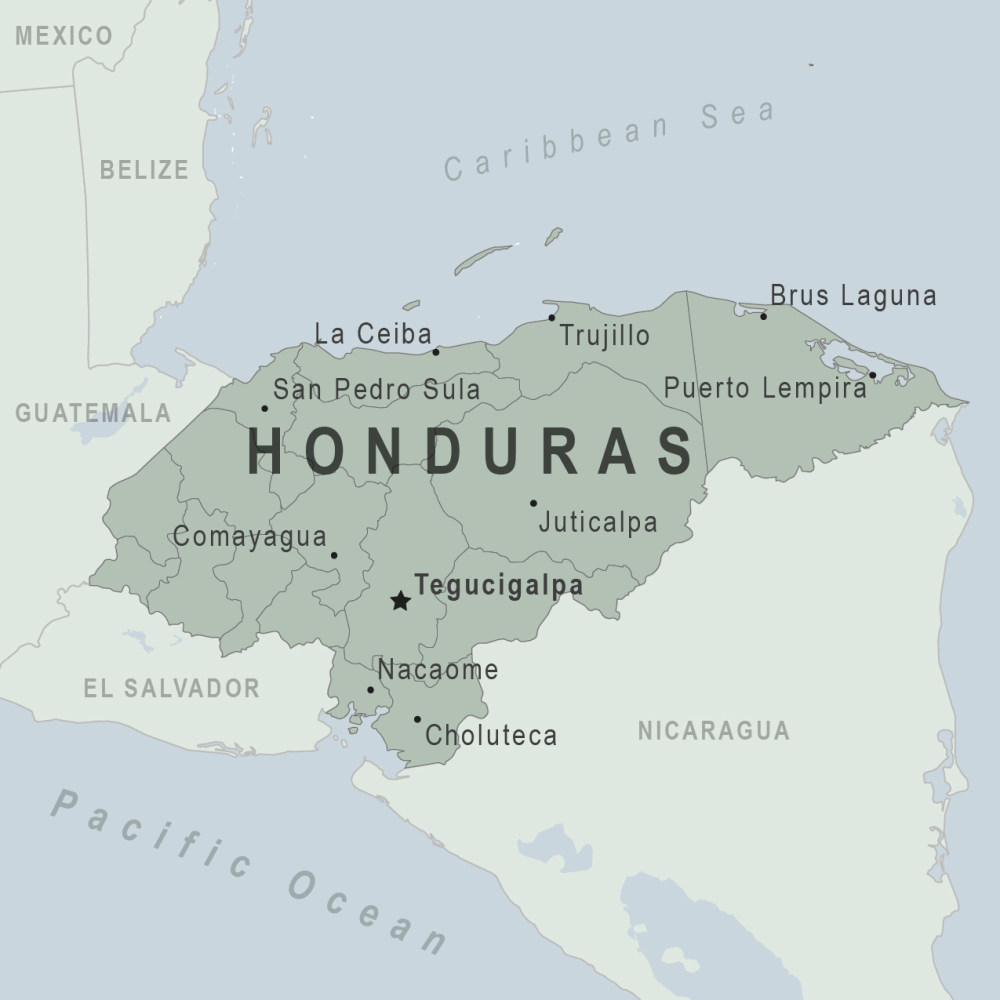
Honduras lies in northern Central America, bordered by the Caribbean Sea to the north and the Gulf of Fonseca on the Pacific to the south, and shares borders with Nicaragua, El Salvador and Guatemala. The country is largely mountainous and highland terrain with a tropical climate; its mild temperatures and abundant rainfall provide an ideal environment for coffee growing. The country's coffee-growing areas average more than 1,100 meters in altitude, and the large day-night temperature difference at high altitude helps the coffee fruit accumulate richer flavor compounds.
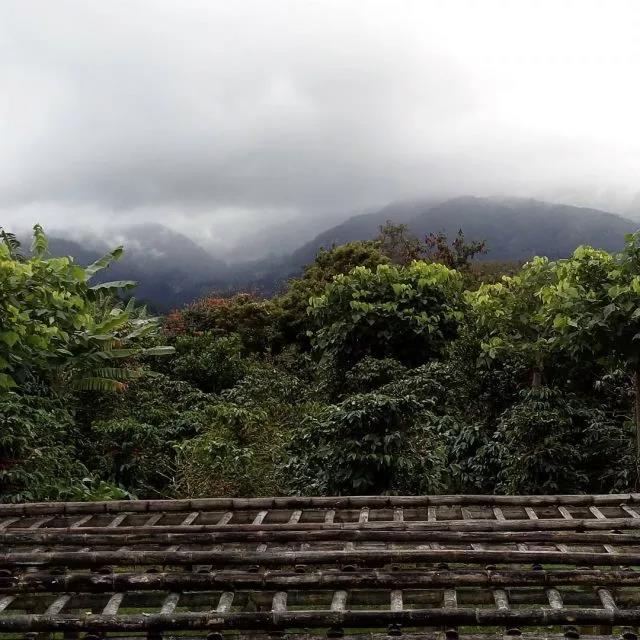
Honduras is divided into six coffee regions: Santa Barbara, El Paraiso, Copan, La Paz, Comayagua and Olancho. Among them, Santa Barbara is known for high-quality coffee, mainly growing Arabica varieties, with grades including HG (High Grown), SHG (Strictly High Grown) and CS. Common varieties include Typica, Bourbon, Caturra, Villa Sarchi and Lempira.
The region produces two grades of quality coffee according to altitude: "High Grown Coffee" grown at 1,000–1,500 meters and "Strictly High Grown Coffee" at 1,500–2,000 meters. The latter is Honduras's highest grade, with a richer and more refined flavor, and is mainly exported to the US and German markets.
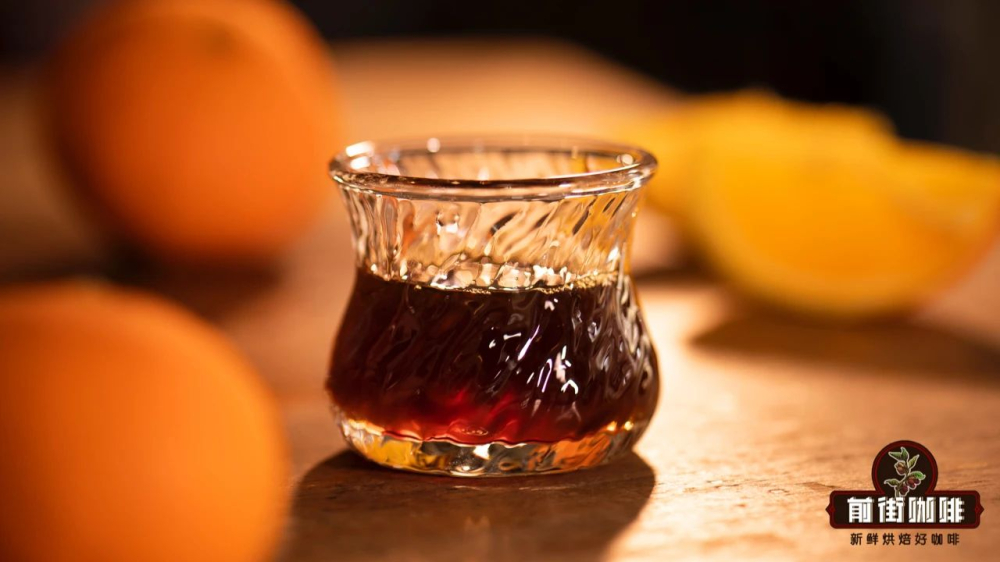
Honduran coffee overall has a balanced, full-bodied flavor with moderate to low acidity, black berry and caramel sweetness, and some lots even show distinctive notes of black pepper and tobacco. For pour-over enthusiasts, understanding how roast level affects flavor release is crucial: a medium roast highlights sweetness and fruit notes, a medium-dark roast offers better balance, and roasting into second crack intensifies bitterness while sweetness remains.
In roasting practice, it is advisable to record basic parameters such as green bean moisture content, density and processing method, while monitoring temperature and humidity changes in the roasting environment. By observing bean surface color, crack sounds and aroma development, you can gradually optimize your own roasting curve to fully bring out the regional character of Santa Barbara coffee beans.
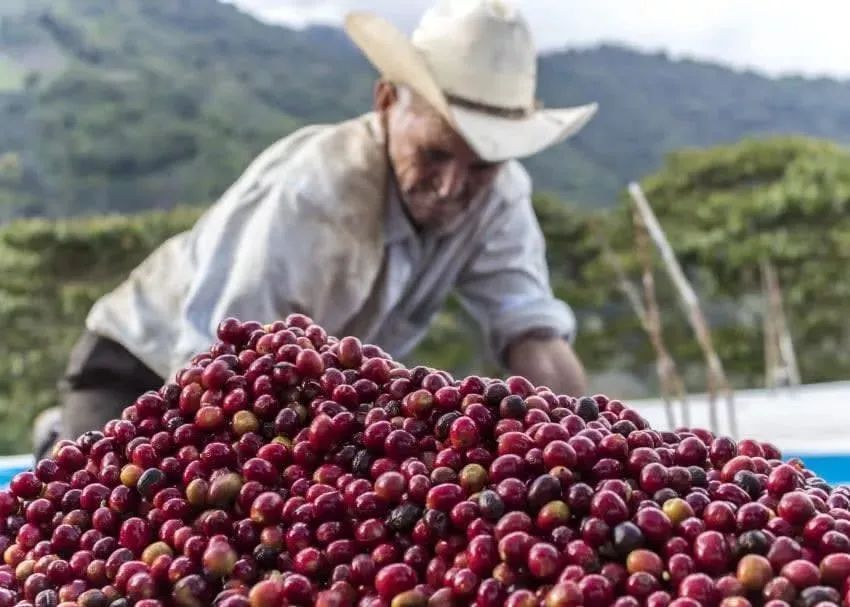
Honduran coffee beans are plump and uniform with a glossy appearance. To make manual harvesting easier, local growers usually keep coffee trees under 150 cm tall. Because coffee fruits ripen at different times, pickers must select them by hand one by one to ensure only fully ripe fruit is harvested, a process that often lasts several weeks. To ensure quality, the washed process is widely used locally: beans are first soaked to remove floaters and defective beans, then the pulp is removed mechanically, after which quality beans are selected and sun-dried. This series of steps gives the beans natural fruit aromas and a clean, bright acidity.
By gaining a deeper understanding of the geographical conditions, growing traditions and processing methods of Honduras's Santa Barbara region, coffee enthusiasts can not only choose beans that better match their personal taste preferences, but also adjust brewing parameters more effectively to fully release the distinctive flavor charm of this promising Central American origin.