Decoding Yunnan Arabica: AA Natural Bean Traits and Growing/Grading Guide
Introduction: An in-depth analysis of the core growing region advantages, variety characteristics, and grading system of Yunnan Arabica, covering everything from the geographical environment to processing methods. Learn the distinctive flavor profile of Yunnan AA natural beans, understand the cultivation secrets of the Catimor variety, and get professional roasting advice and brewing parameters to help you choose the Yunnan coffee beans you'll love.
When it comes to Chinese coffee, look to Yunnan. This plateau region, located between 15° and 25° north latitude, shares the low-latitude, high-altitude geographical features of Colombia and has become a globally recognized golden coffee-growing belt. Yunnan's coffee planting area exceeds 1.8 million mu, with annual output surpassing 130,000 tons, accounting for more than 95% of China's total domestic coffee production. The four main producing regions—Pu'er, Baoshan, Dehong, and Lincang—contribute the vast majority of this capacity.

The vertical climate created by the Hengduan Mountains and the Lancang River basin makes the dry-hot river valleys at elevations of 1,100–1,300 meters ideal for growing Arabica. Here, day-night temperature differences can exceed 10°C, and combined with an average of 1,800 hours of sunshine per year and ample rainfall, the result is coffee beans with a full body, a balanced sweet-to-acidic ratio, and a distinctive fruity aroma. Compared with lowland growing regions, high-altitude cultivation slows the fruit's ripening cycle, encouraging the beans to accumulate richer flavor compounds.
Looking back at Yunnan's coffee-growing history, Typica and Bourbon, introduced in 1892, were once the main varieties, until the disease-resistant, high-yielding Catimor series (Catimor CIFC7963/F6) became dominant in 1991. This hybrid, which combines the resistance of the Timor variety with the yield of Caturra, contains 25% Robusta genes but shows unique potential under Yunnan's special terroir.Currently, more than 80% of the province's growing areas are distributed across mountainous regions at 800–1,200 meters, with the Pu'er region leading at 770,000 mu, while Baoshan retains a small number of old Typica and Bourbon trees.

From a botanical classification perspective, Typica originates from the Ethiopian highlands and has long been known as the "coffee nobility"; famous varieties such as Blue Mountain and Mocha all belong to this line. Bourbon, improved after being introduced to Réunion Island in 1708, offers fuller aromatic layers. The Catimor variety now mainly planted in Yunnan inherits the high-yield trait of its maternal parent Caturra and the leaf-rust resistance of its paternal parent Timor. Combined with scientific field management, its yield per unit can reach more than 1.5 times that of traditional varieties.
Yunnan coffee's grading system strictly follows international standards, mainly based on defect rate, screen size, and green bean density. Specialty Grade requires no more than 5 defects per 300 grams of green beans and a bean uniformity of at least 80%. Commercial grade is divided by size into three levels: AA (18 screen and above), A (16–17 screen), and B (14–15 screen). Notably, AA-grade natural beans typically present brighter acidity and intense fruity aromas, while washed processing highlights a clean, full-bodied base flavor.

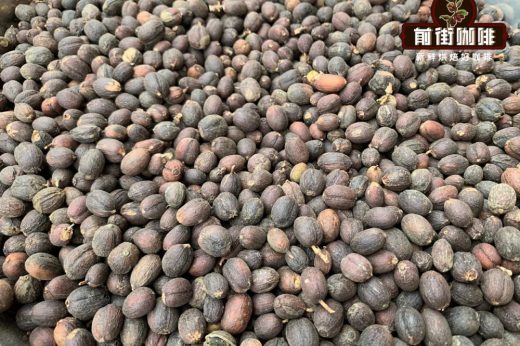
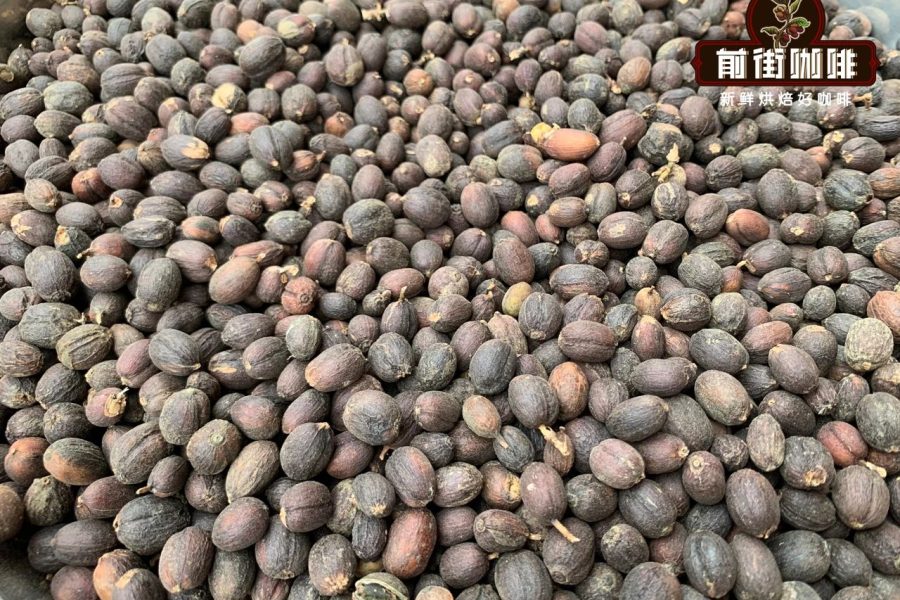
In terms of processing, washed processing accounts for more than 60%, achieving clear, bright acidity by removing the pectin layer through fermentation; the natural method keeps the whole fruit intact during drying, giving the coffee a fuller vinous aroma and caramel finish. Professional roasters recommend: natural beans suit highlighting berry notes and are best roasted at a medium-light level; washed beans can showcase nutty and chocolate flavors, with medium-dark roasting better emphasizing body. When brewing, a V60 dripper with 90–92°C water and a 1:15 coffee-to-water ratio delivers a balanced result.
For home brewing, a staged extraction approach is recommended: first bloom with 30 grams of hot water for 30 seconds to release aromas, then pour in circles up to 125 grams in stages, and finally continue to 225 grams to complete extraction (total time 2 minutes). Notably, because Yunnan Catimor contains higher chlorogenic acid, the peak flavor period is 5–14 days after fresh roasting; choosing pre-packaged products labeled with a roast date is advised. If buying ground coffee, use it within 24 hours of grinding to preserve the best aroma.

From geographical indication protection to sustainable cultivation certification, Yunnan's coffee industry is gradually establishing a standardized system. Main producing regions widely promote ecological farming methods such as shade-tree planting and biological pest control, and some high-end estates have introduced spectral sorting equipment for refined harvesting. For consumers, when buying, pay attention to labels such as "Yunnan Arabica," "Arabica," and "high-altitude grown," and choose between the richness of natural processing or the refreshing style of washed processing according to personal taste preferences.

From a professional perspective, Yunnan coffee's flavor map shows distinct regional characteristics: natural beans from the Pu'er region often carry red berry and brown sugar sweetness, beans from Baoshan's high-altitude areas show slight citrus notes, and the Dehong region, due to significant day-night temperature differences, develops a unique dark chocolate finish. These differences stem both from microclimatic environments and from the fermentation control techniques used by processing stations.

It is worth noting that variety improvement in Yunnan coffee continues. Research institutions are attempting to introduce high-quality genetics such as Geisha and Bourbon into the local growing system, while screening plants with special flavors through cupping competitions. For coffee lovers, regularly tasting Yunnan beans processed in different ways not only reveals the trajectory of terroir evolution but also deepens understanding of the full-chain value of specialty coffee from growing to roasting.

Summary of buying tips: prioritize products labeled with a specific producing region, altitude, and processing method; check whether the green beans look uniform and plump, ideally ranging in color from dark green to light blue-green; confirm the roast date before brewing, and avoid stale beans more than a month old that affect flavor performance. By mastering these basics, you'll be able to discover the unique charm of Yunnan coffee more precisely.