Jamaican Blue Mountain No. 1 Coffee Bean Buying Guide: Flavor Analysis and Brewing Parameters
Introduction: Jamaican Blue Mountain No. 1 coffee is celebrated as one of the world's top coffees, not only for its rarity but also for its unique layers of flavor and exceptional quality. This article takes you deeper into the authentic origin of Blue Mountain coffee, its grading and flavor characteristics, and reveals how to tell genuine from fake. It also provides professional brewing plans to help you recreate a rich, balanced classic Blue Mountain flavor at home.
Mention Blue Mountain coffee and many people think of lines from classic Hong Kong TV dramas—this top coffee from Jamaica, with its unique flavor and high price, has long topped coffee lovers' "white moonlight" lists. But with products on the market labeled "Blue Mountain" that are actually blends or flavored concoctions, how can you be sure the beans you get truly come from Jamaica's Blue Mountain range? This requires starting with origin traceability and grading standards.
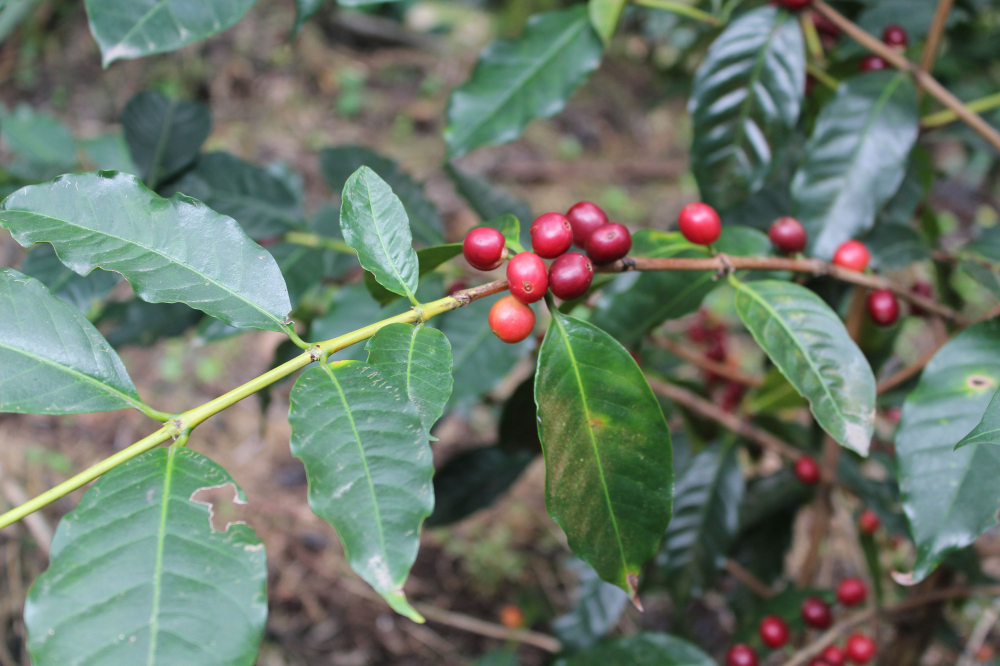
Jamaica's coffee-growing history began in the 18th century. In 1717, King Louis XV of France ordered its introduction here, but the key figure who truly drove the industry's development was Governor Sir Nicholas Lawes in the mid-1720s. He introduced the Typica variety from Martinique and promoted its cultivation in the St. Andrew area, laying the foundation for what would become Blue Mountain coffee.
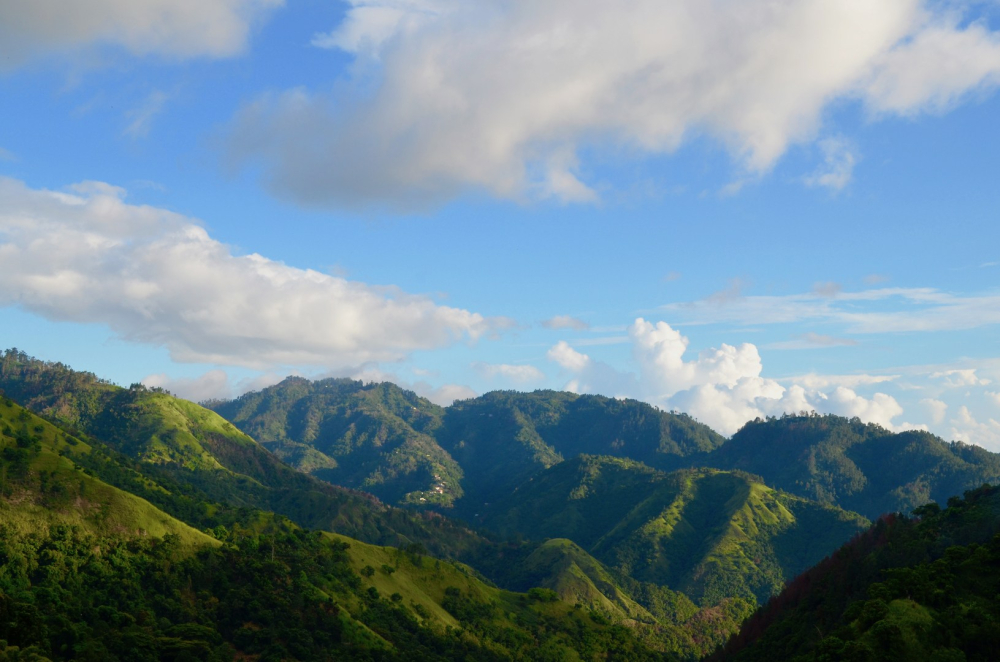
Not all Jamaican coffee can be called "Blue Mountain." True Blue Mountain coffee comes only from the Blue Mountain range in the east of the island—a range named for the blue light reflected off its peaks when sunlight strikes the azure sea, rising to 2,256 meters at its highest point and serving as a geographical landmark of the Caribbean. Influenced by a maritime climate, the mountains are damp and foggy year-round with mild day-night temperature differences, and together with fertile volcanic soil, these conditions create Blue Mountain coffee's delicate sweet-acid balance and rich mouthfeel.
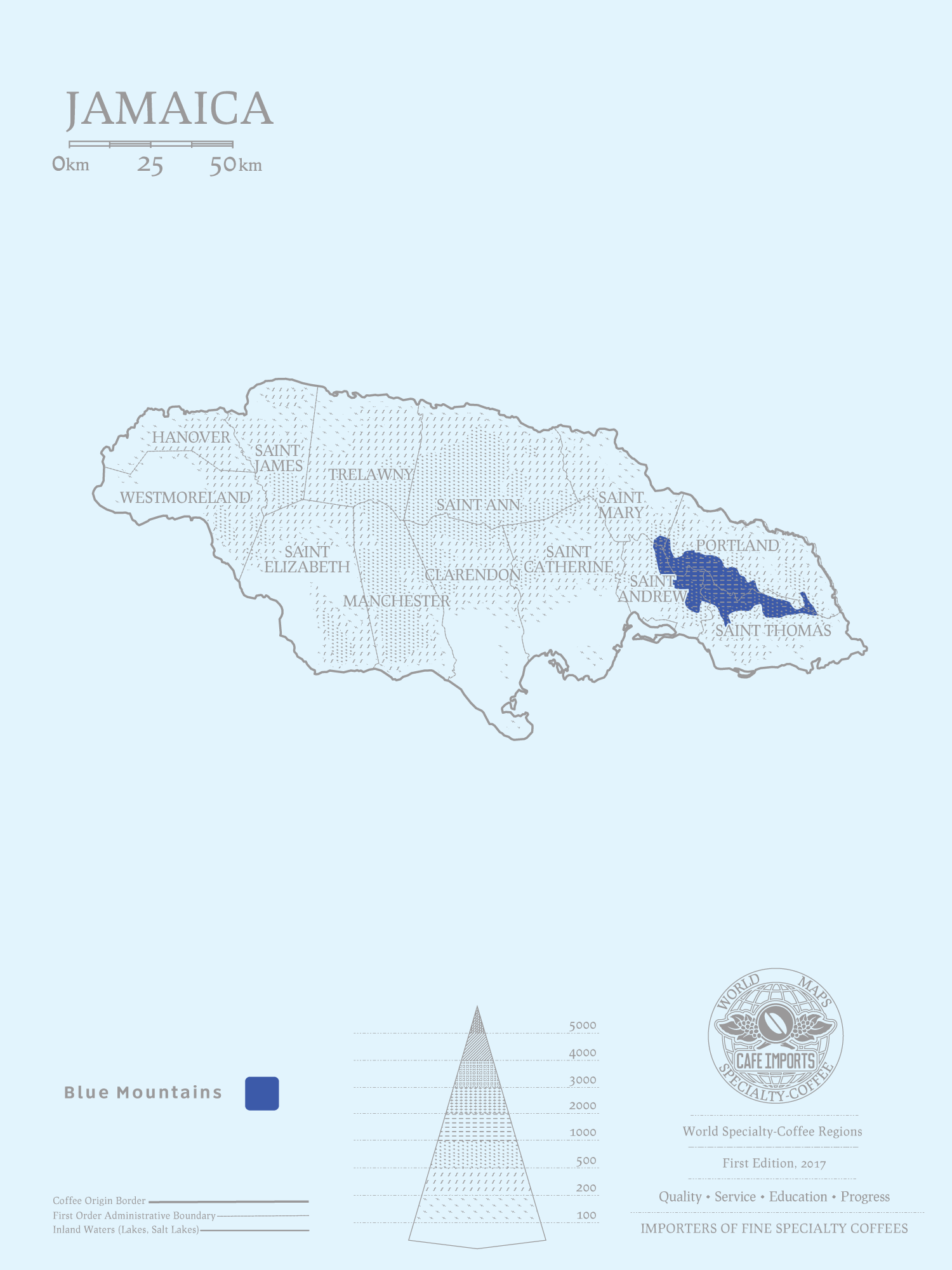
The Blue Mountain range's coffee-growing area covers four administrative parishes—St. Mary, St. Andrew, Portland and St. Thomas—but not the entire area meets top standards. Based on altitude differences, coffee is divided locally into three grades: Blue Mountain Coffee (1,000–1,700 m), High Mountain Coffee (500–1,000 m) and Prime Coffee (below 500 m). Blue Mountain Coffee is further subdivided into No. 1 through No. 3 and Peaberry, and the highest grade, "Blue Mountain No. 1," requires green bean screen size of 17/18 (about 8 mm or more) and a defect rate below 2%. This strict standard means fewer than a quarter of total production ultimately qualifies.
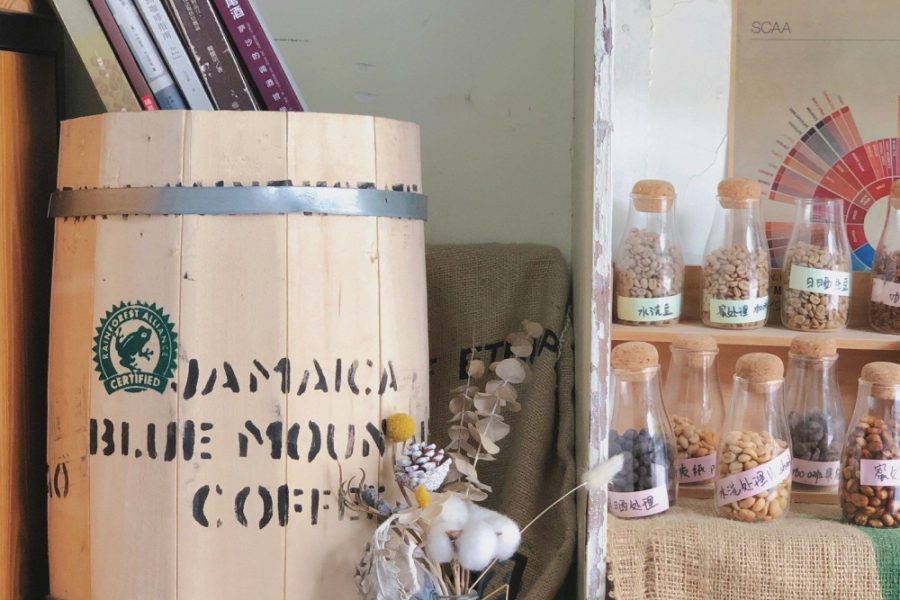
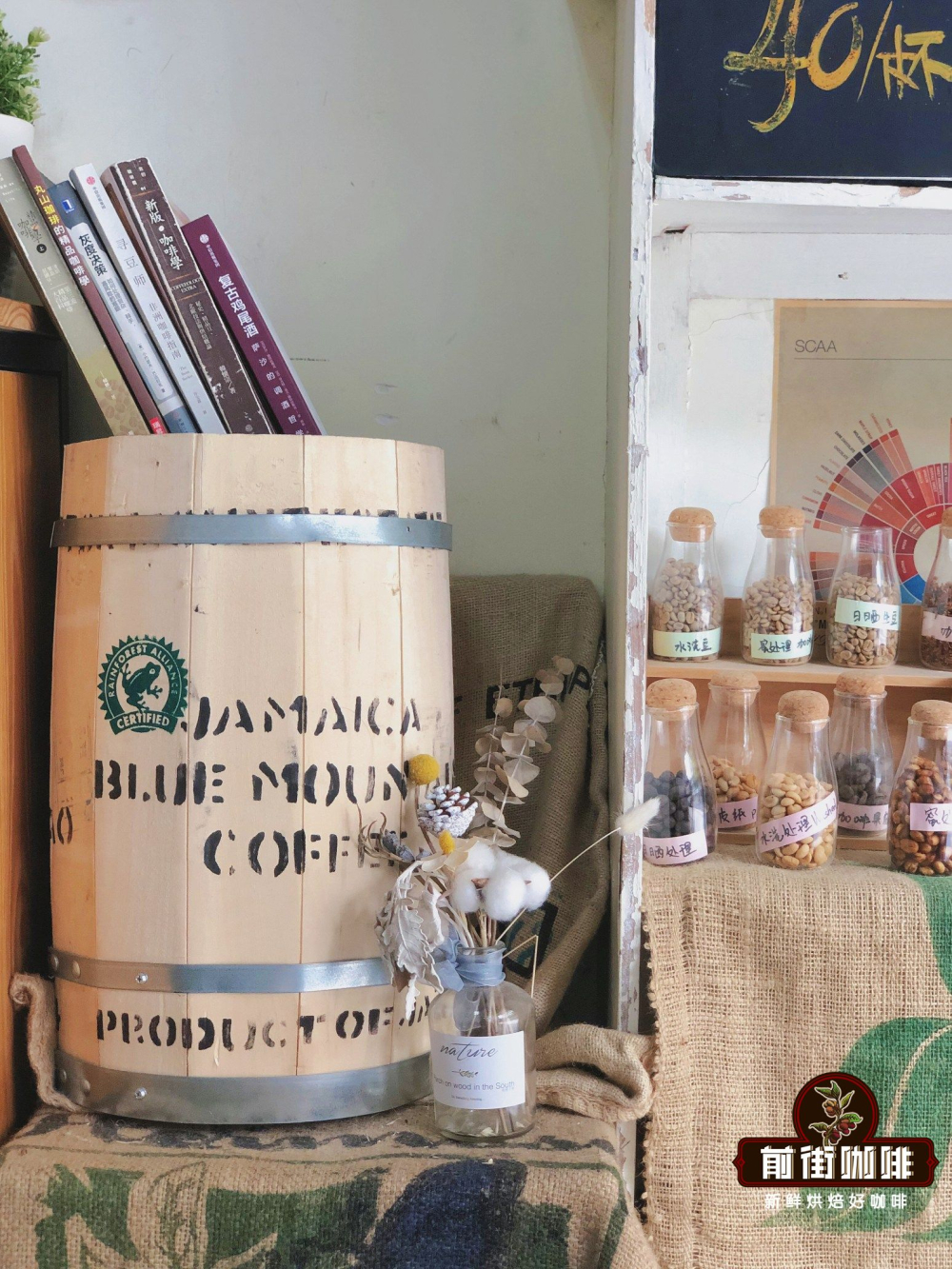
It is worth noting that Jamaica is the only producing region in the world that insists on shipping green beans in wooden barrels—these specially treated barrels not only resist moisture and preserve freshness but also reduce impact damage during transport. Meanwhile, to protect the ecology of the core producing area, land above 1,700 meters is designated a strict conservation zone where all forms of agricultural development are prohibited.
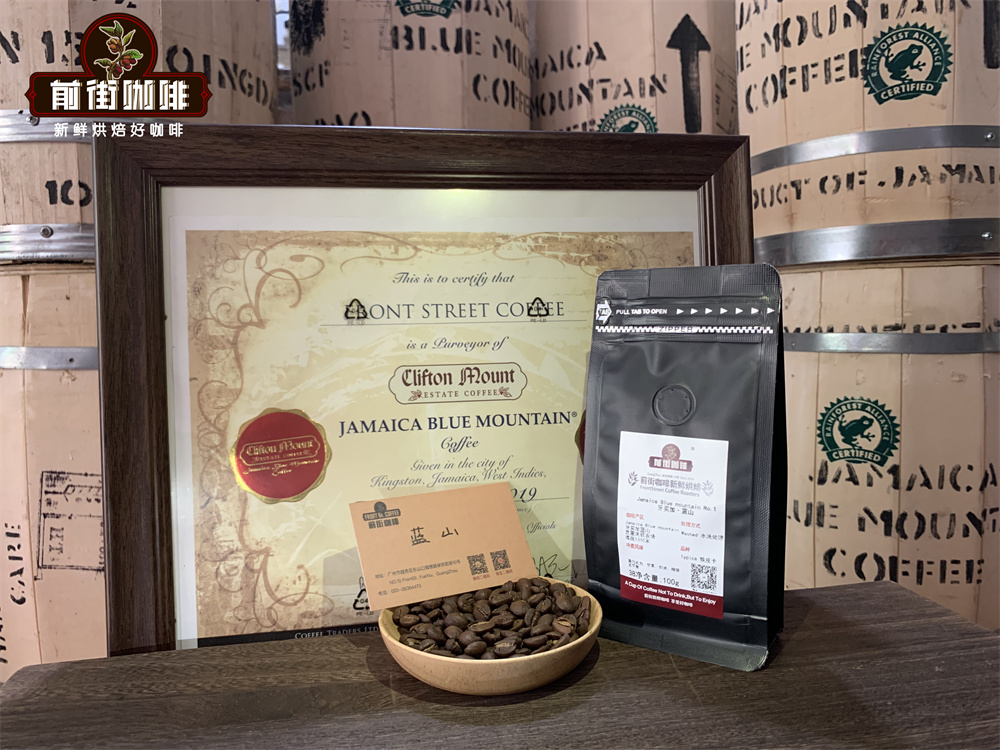
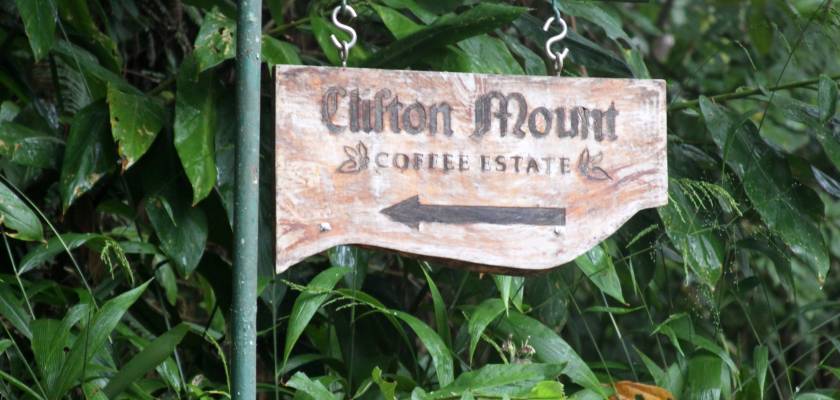
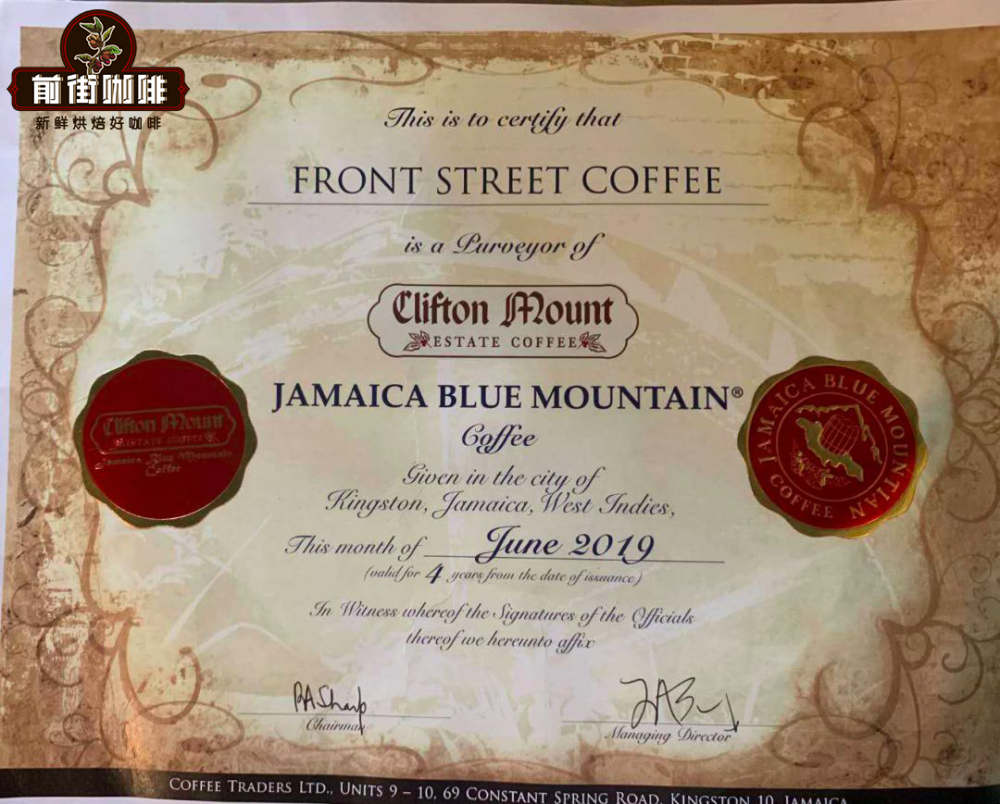
Among the many Blue Mountain No. 1 estates, Clifton Farm, located on Catherine's Peak (about 1,310 m), is quite representative. The farm has been run by the Sharp family for nearly two hundred years and holds internationally authoritative Rainforest Alliance certification, with its growing environment and biodiversity management widely recognized. The farm uses the traditional washed process, ensuring the coffee's pectin layer is thoroughly removed while retaining more of the floral and fruity aromatic base.
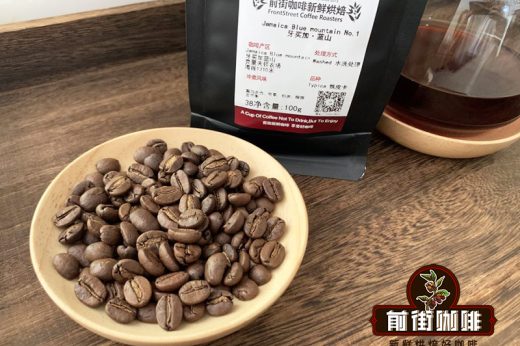
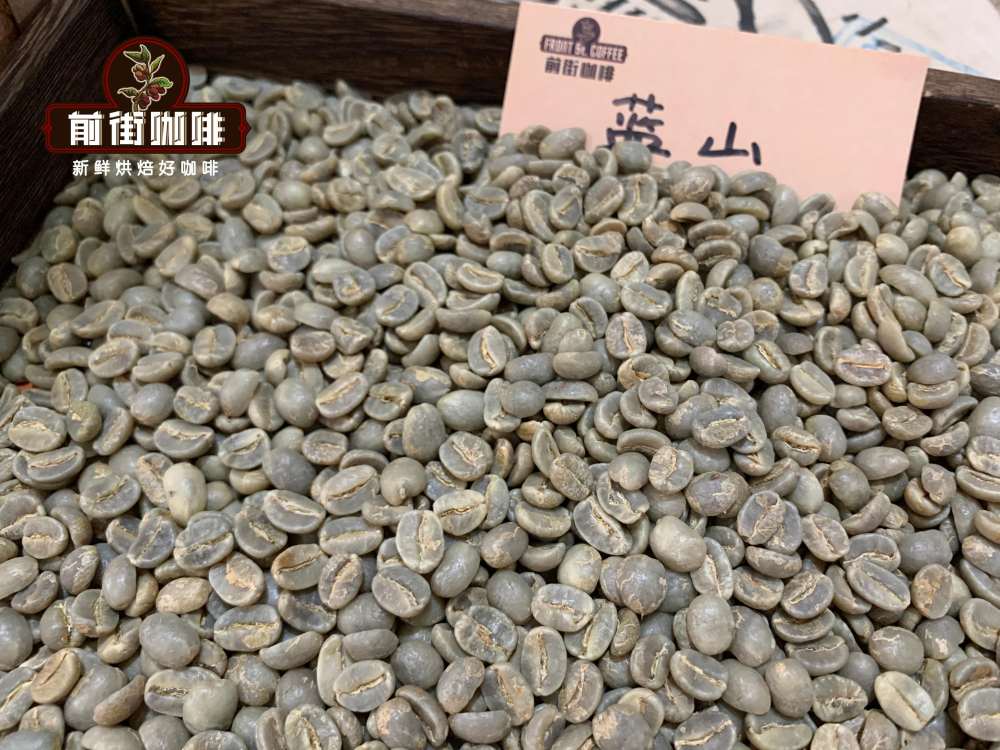
Key details for identifying Blue Mountain No. 1 include: green beans are bright green, plump and uniform, with a natural fresh aroma of grass and wood; after roasting, a medium-dark degree is recommended to bring out the rich flavors of nuts and dark chocolate, but over-caramelization should be avoided. During actual roasting, experienced roasters adjust the heat by observing bean color changes and aroma development, ultimately achieving an ideal deep brown with an oily sheen.
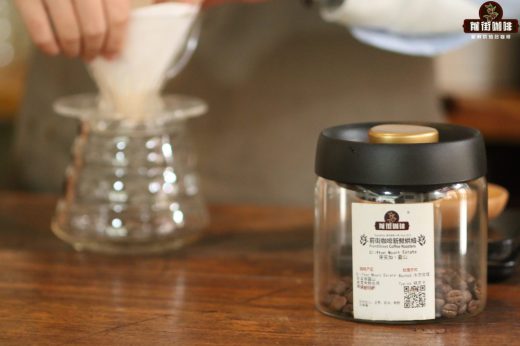
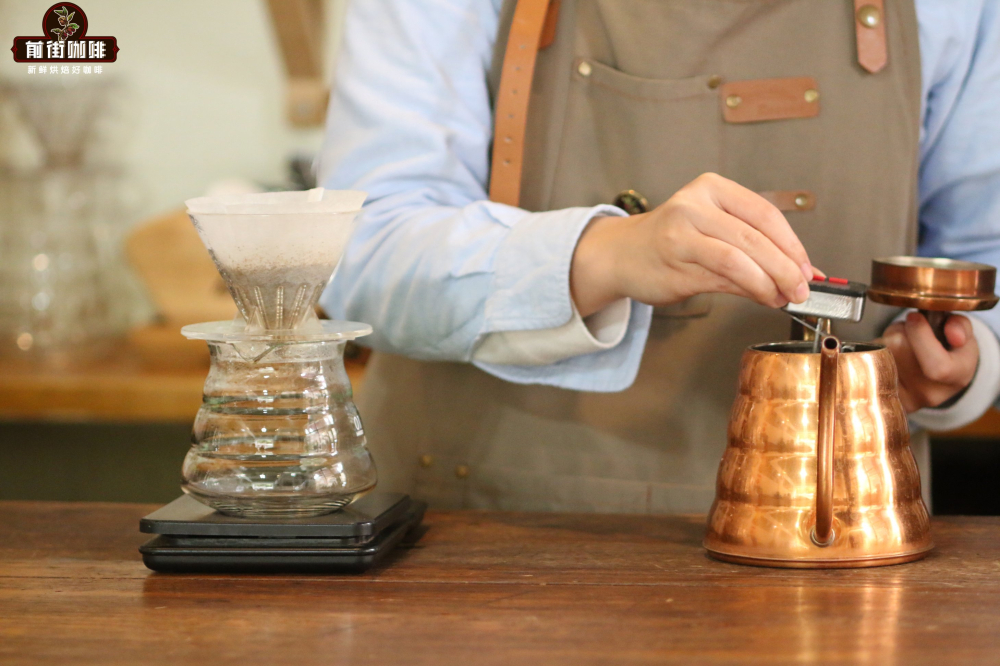
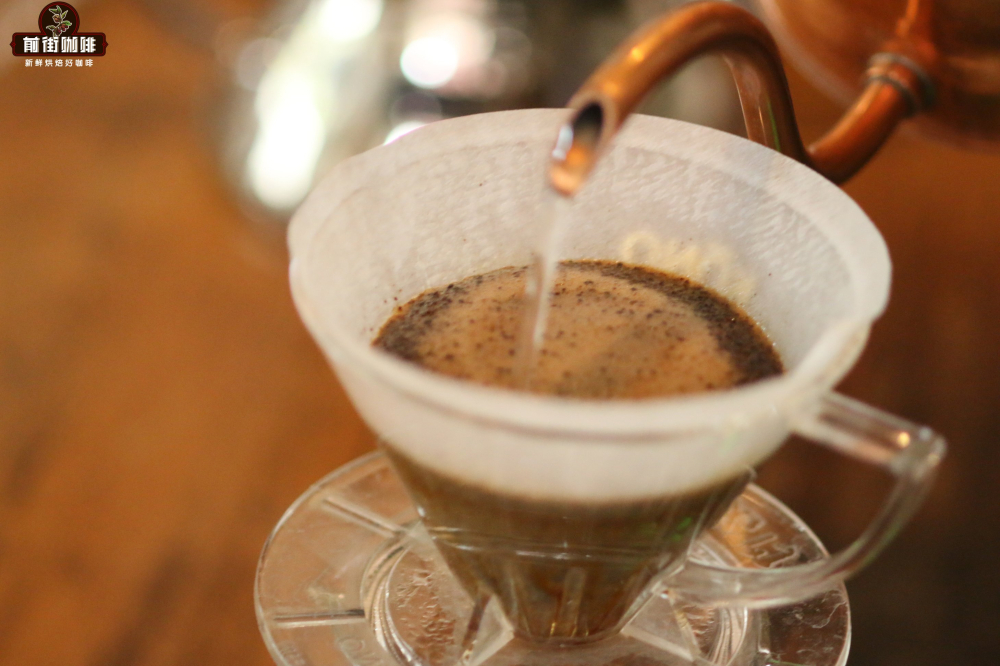
For dark-roasted Blue Mountain No. 1, a KONO dripper is recommended for pour-over. Specific parameters: water temperature 88°C, dose 15 g, coffee-to-water ratio 1:15, grind size referencing a 75% pass rate through a Chinese standard No. 20 sieve (about medium-fine). First pour 30 g of hot water and bloom for 30 seconds to awaken the coffee grounds, then pour slowly in a central, circular motion to 125 g; when the water level drops to just before exposing the bed, continue pouring to 225 g, controlling the entire extraction to about 2 minutes. This method effectively balances body and sweet-acid layers while avoiding bitterness from high temperatures.
It should be specially noted that freshly roasted coffee beans usually need a 3–7 day resting period to fully release carbon dioxide. After receiving them, it is advisable to let them sit first, and always perform the 30-second bloom before brewing. If using pre-ground coffee, note that flavor compounds evaporate faster and the optimal drinking window shortens accordingly. In addition, the wooden-barrel shipping characteristic means each batch of beans may differ slightly in actual flavor—part of what makes Blue Mountain coffee uniquely charming.
In summary, choosing genuine Blue Mountain No. 1 requires attention to three key elements: confirming the origin is within the designated Blue Mountain range of Jamaica, checking official grade certification marks (especially the 17/18 screen and defect-rate standards), and prioritizing products with wooden-barrel shipping records. Through scientific adjustment of brewing parameters, even home users can experience the balanced, elegant charm of this "king of coffees."