Jamaica Blue Mountain No. 1 Coffee Beans: Flavor Profile and Authenticity Guide
Introduction: An in-depth analysis of the unique flavor and origin characteristics of Jamaica Blue Mountain No. 1 coffee beans, with a full explanation of the differences between washed and natural processing methods. This article details the historical origins of Blue Mountain coffee and its strict quality grading system, and provides professional-level authenticity identification methods to help you buy genuine high-altitude Blue Mountain coffee. It also shares precise pour-over parameter recommendations so you can fully experience the layered charm of this world-class coffee bean.
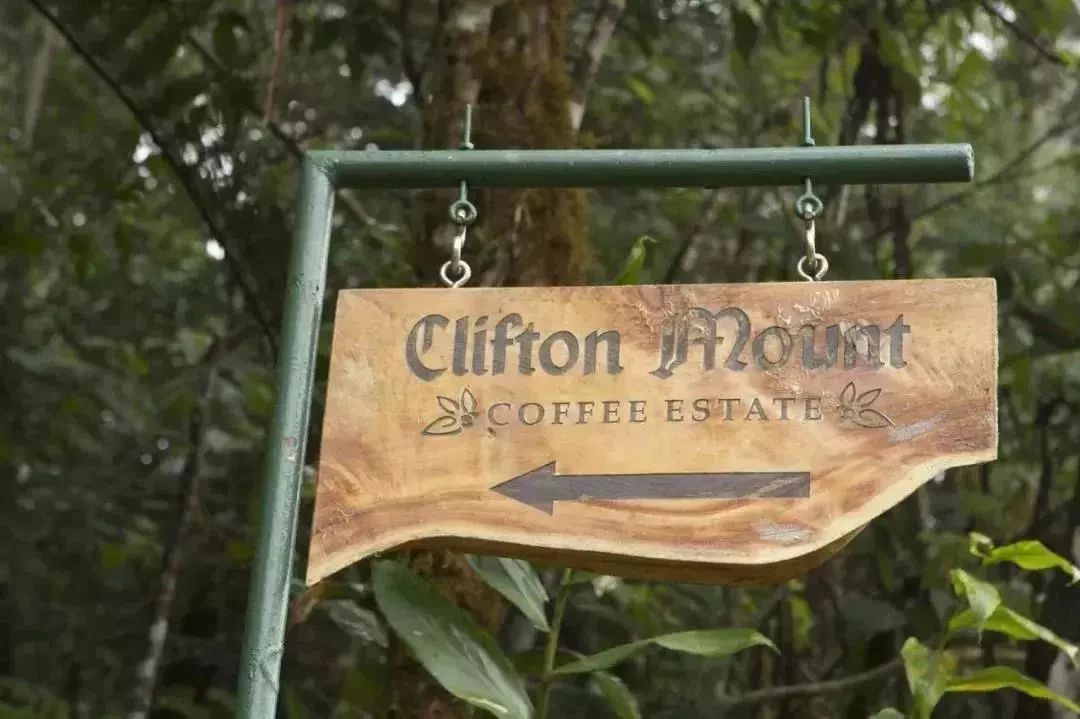
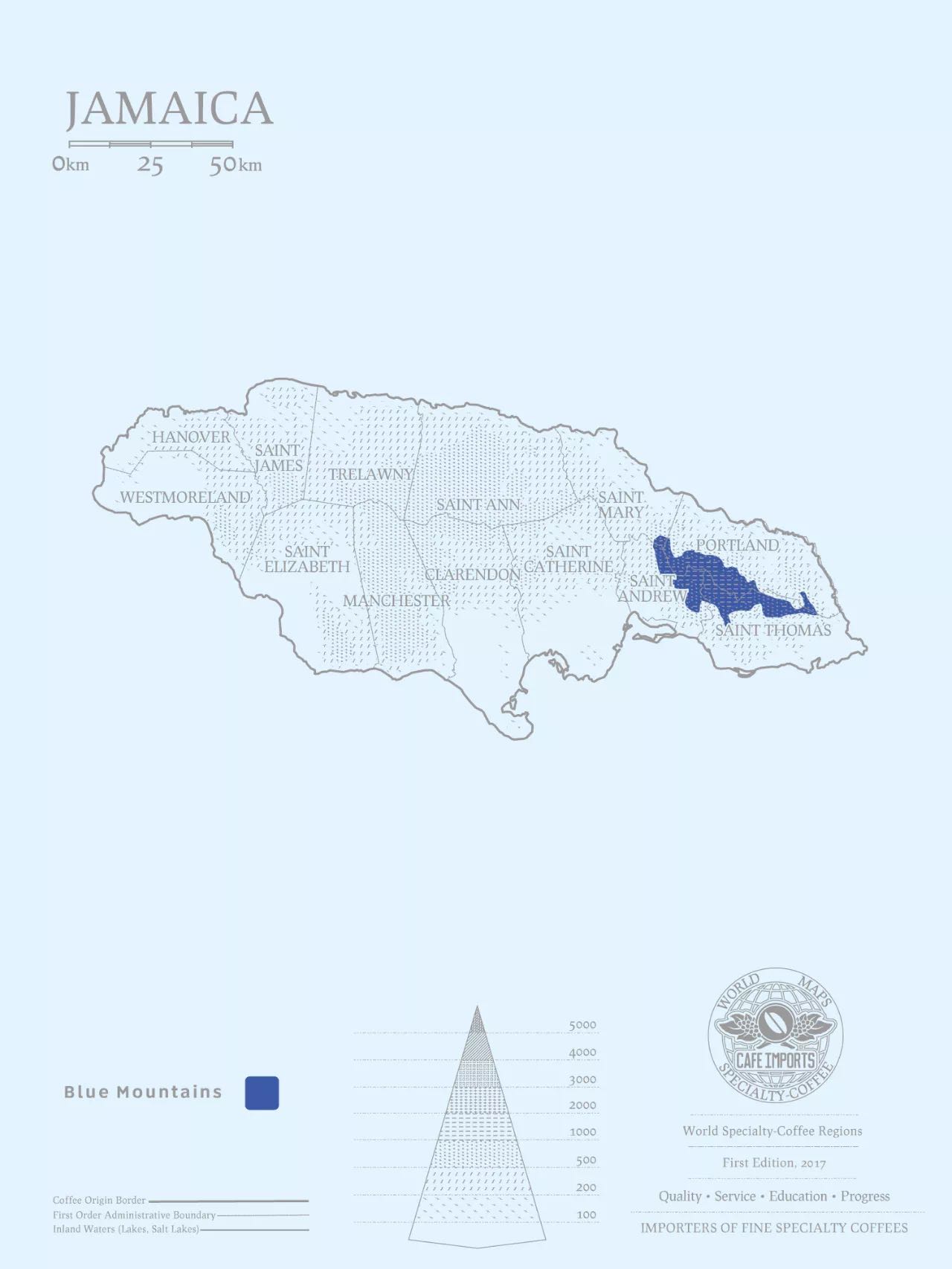
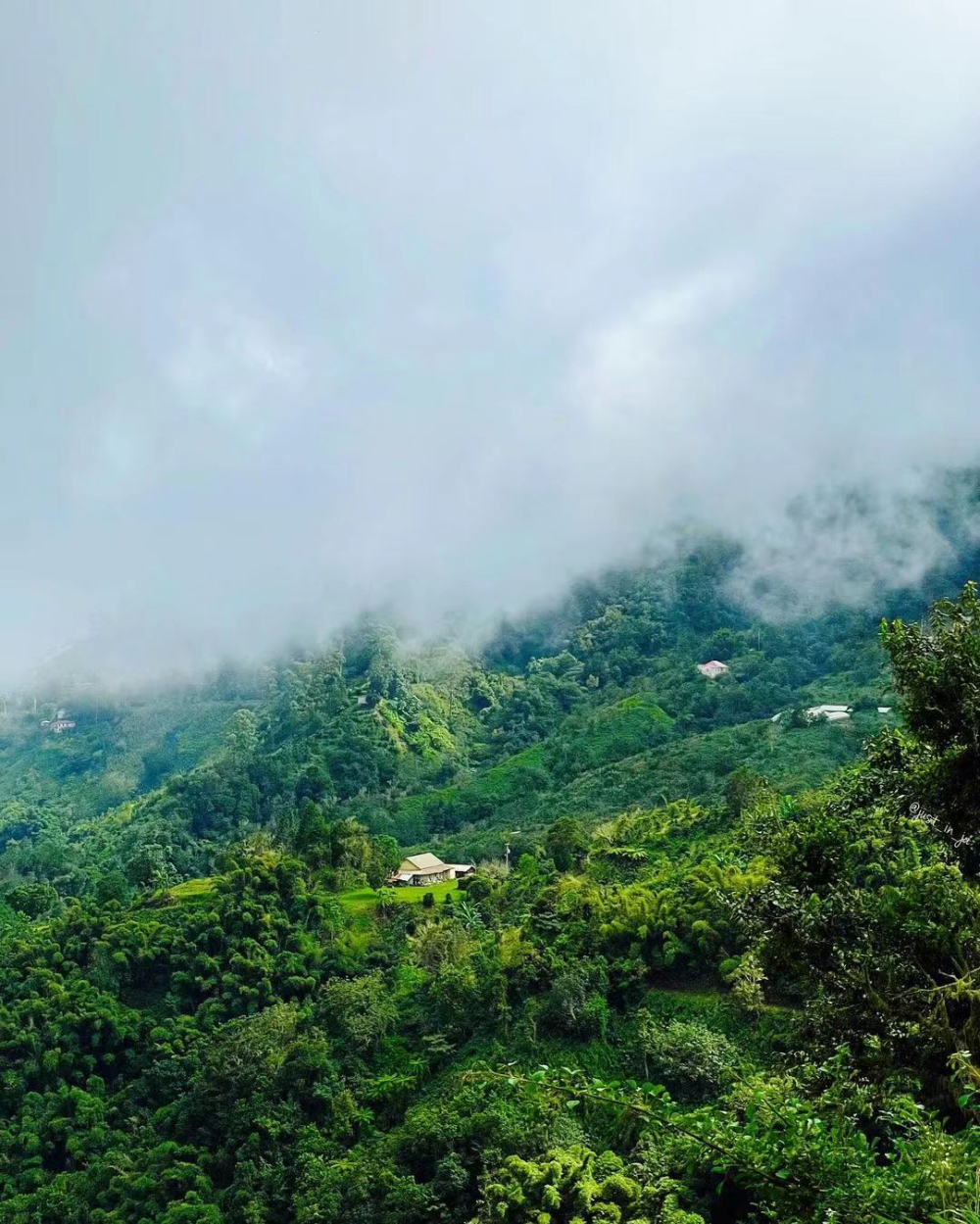
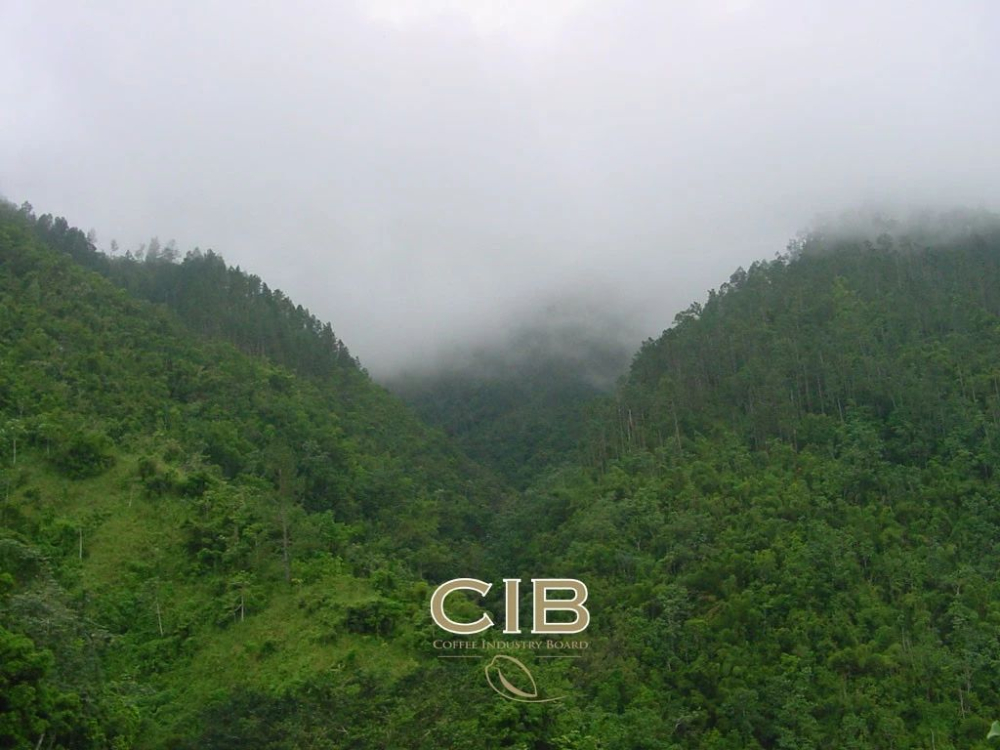
When Blue Mountain coffee is mentioned, most consumers may first think of flavored beverages from commercials. However, coffee beans truly grown in Jamaica's Blue Mountain range are far rarer and higher in quality grade than the public generally realizes. Clifton Mount Estate at 1,310 meters above sea level, the oldest producing region, must pass multiple international certifications before its Blue Mountain No. 1 coffee beans can enter the market.
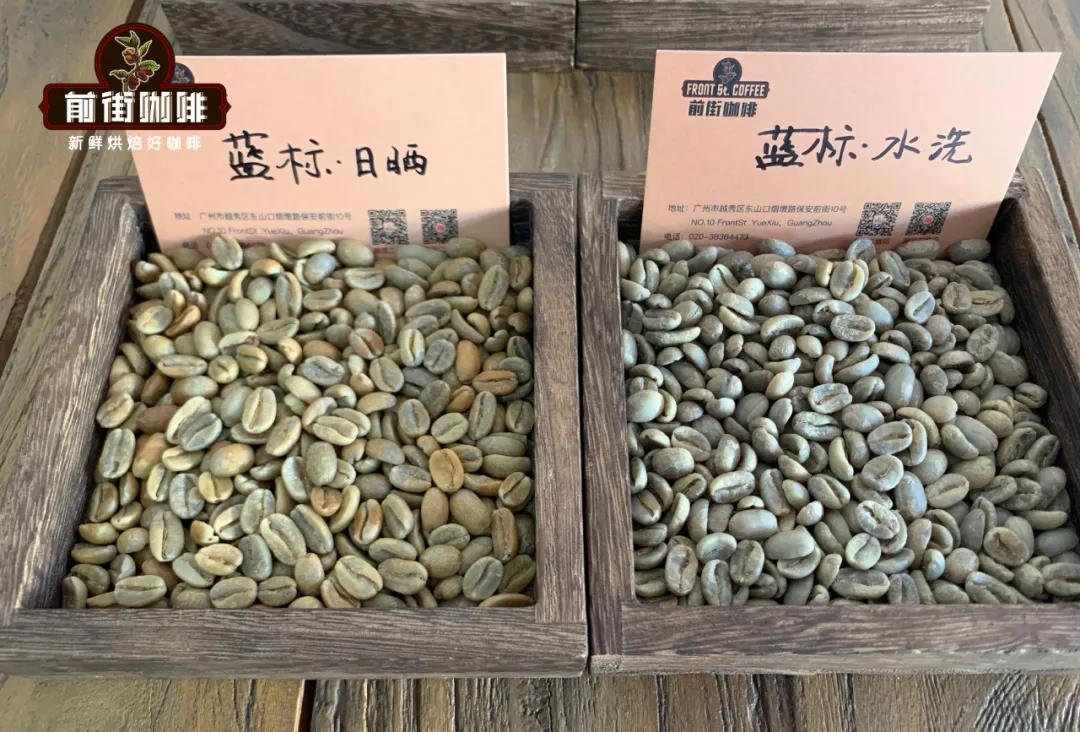
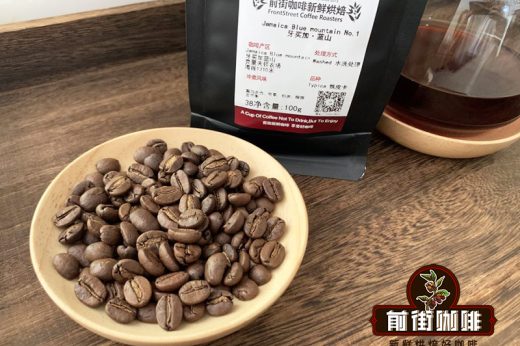
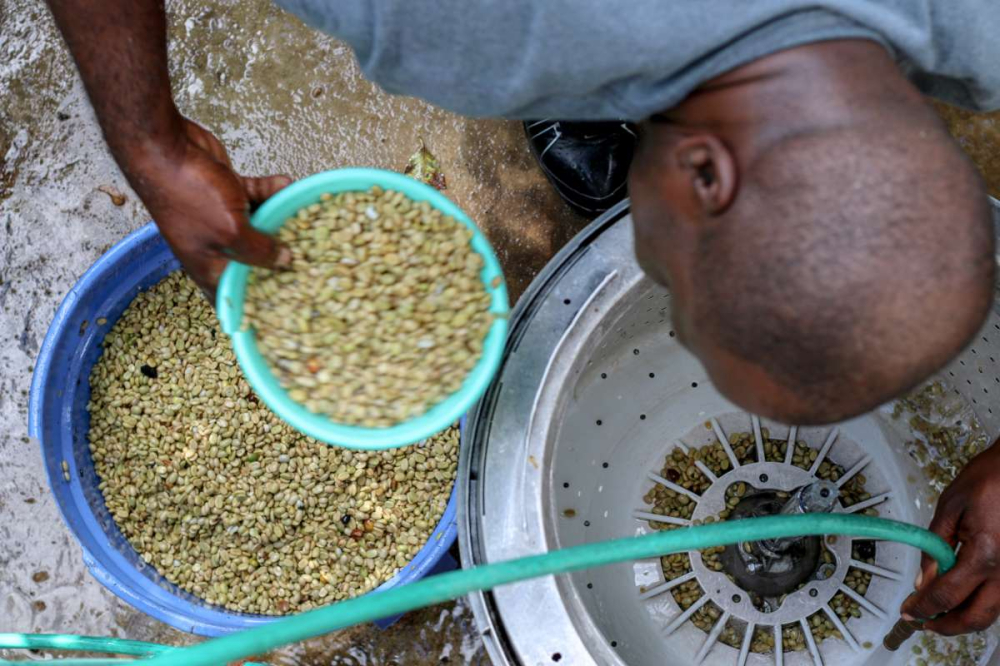
Genuine Blue Mountain coffee uses only the Typica variety combined with washed processing; this traditional method preserves the original flavor layers of the coffee cherry to the greatest extent. The day-night temperature difference brought by the altitude allows the fruit to accumulate richer sugars, ultimately presenting a delicate balance of brown sugar sweetness and berry acidity. The nutty and cocoa notes developed in the middle section, together with a silky, full-bodied mouthfeel, form its signature flavor profile.
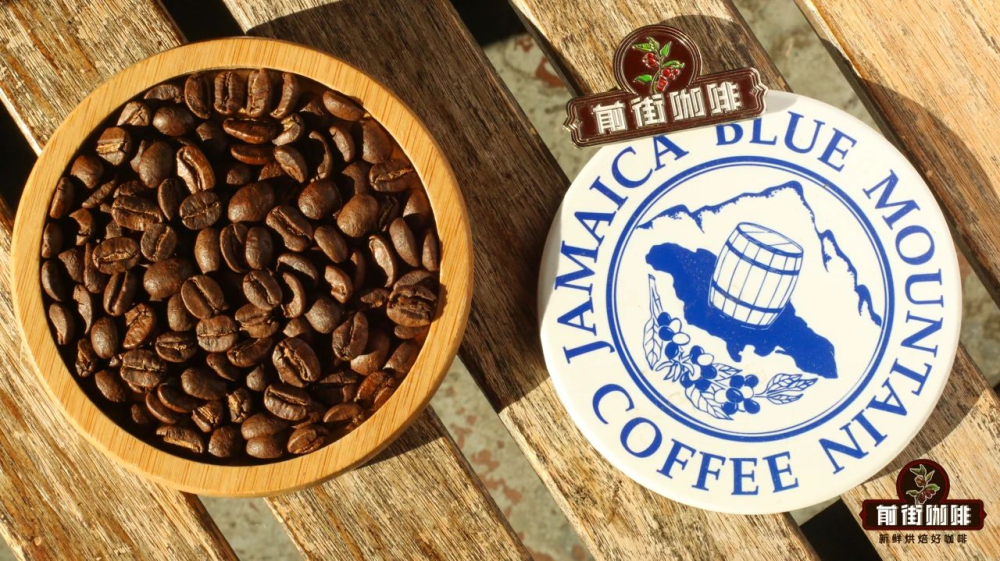
The natural-process versions that have appeared in recent years are a market innovation. Although also produced in the core Blue Mountain area, this processing method gives the coffee a richer dark chocolate base paired with full nutty aroma. Note that the body of natural Blue Mountain is significantly higher than that of the traditional washed version, with a more prominent balance of sweetness, acidity, and bitterness, making it suitable for drinkers who prefer a fuller mouthfeel.

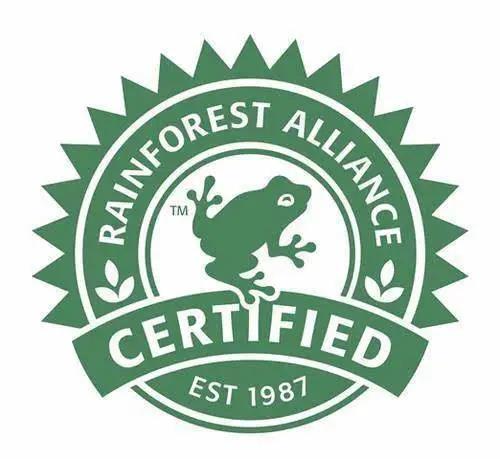
Clifton Mount Estate is not only the oldest growing site in the Blue Mountain region but also the only coffee estate in the world to receive Rainforest Alliance certification. Its certification mark—the green frog emblem—usually appears on specially made wooden barrel packaging and serves as an important visual clue for identifying genuine products. The certification requires farms to strictly limit pesticide use and establish a complete ecological protection system.
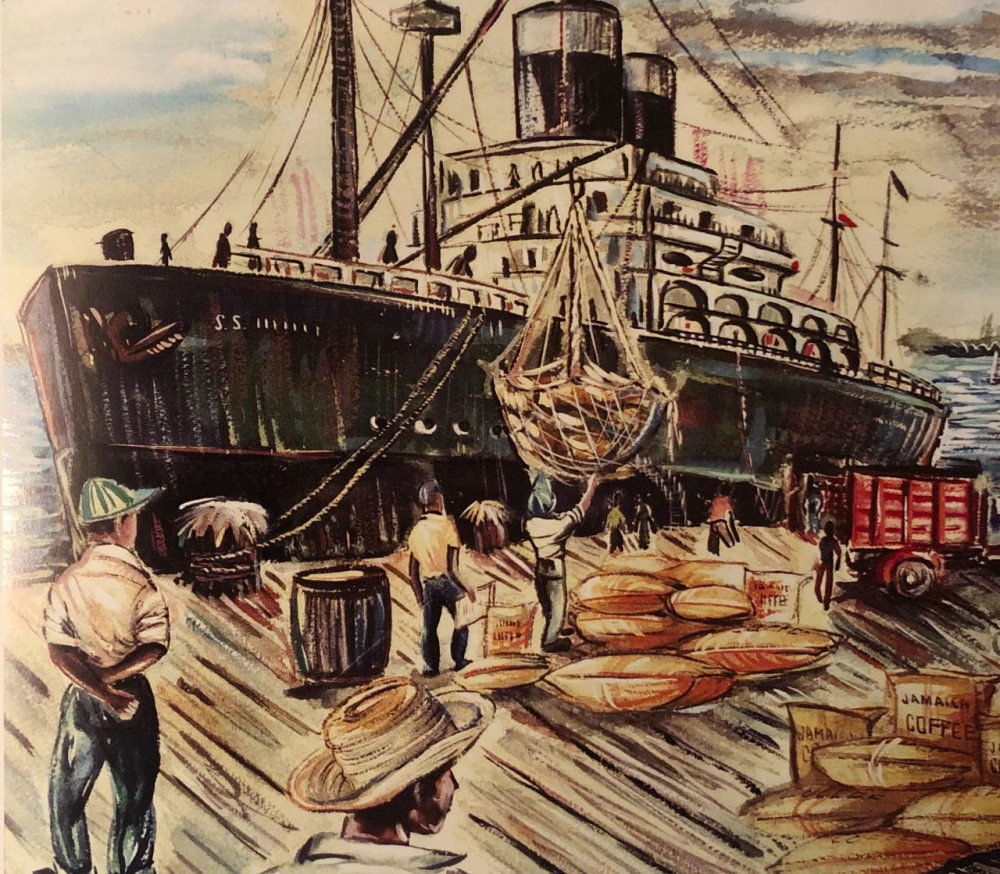
Looking back at history, the legend of Blue Mountain coffee began during the 18th-century British colonial period. The Typica variety introduced at that time showed remarkable potential in the Blue Mountain's unique misty climate, and by the early 19th century an industry scale of 686 plantations had formed. But after the abolition of slavery in 1838, labor shortages caused production to plummet, and after more than a century of decline, quality standards were gradually restored only after the government established a central washing station in 1944.
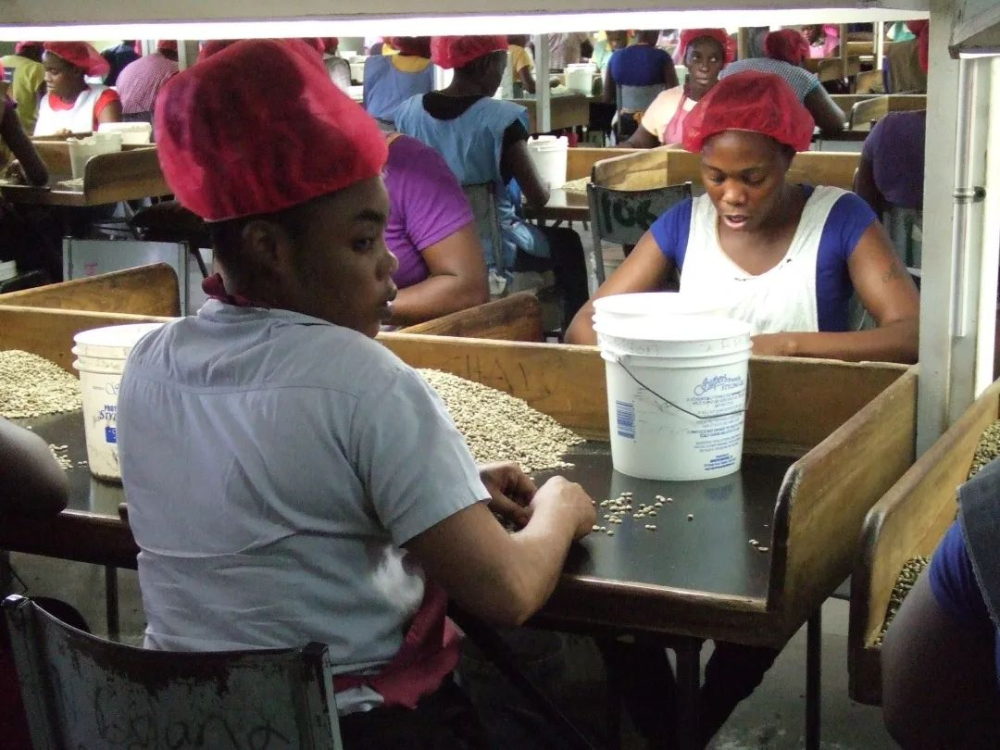
The current Blue Mountain coffee grading system is extremely strict: only producing areas above 2,200 feet (about 910 meters) above sea level meet certification requirements. Among these, the NO.1 grade requires large green beans of screen size 17 or above, with the defect rate strictly controlled within 3% and moisture content maintained in the golden range of about 13%. Every export batch must be accompanied by a quality certificate issued by the Jamaica Coffee Board, which is the core basis for distinguishing authenticity.
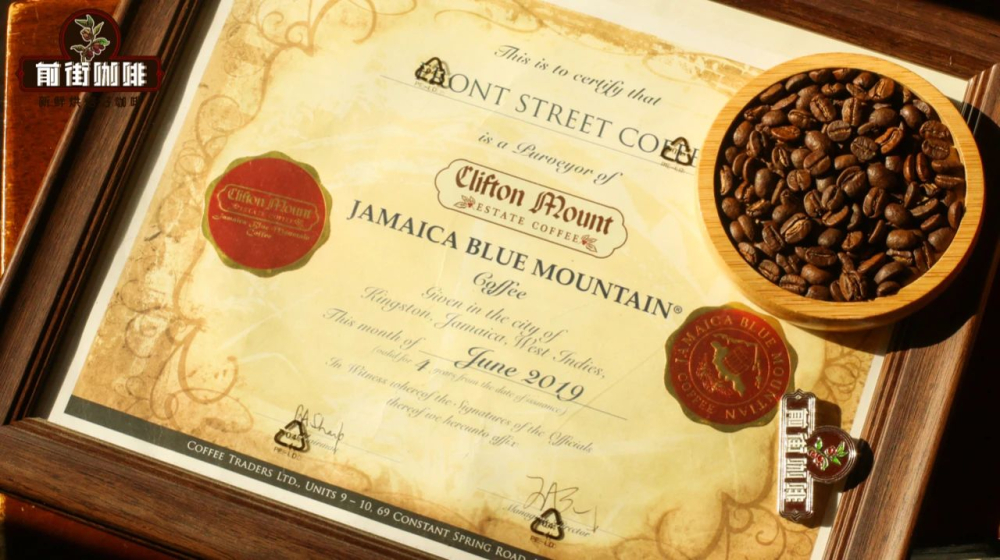
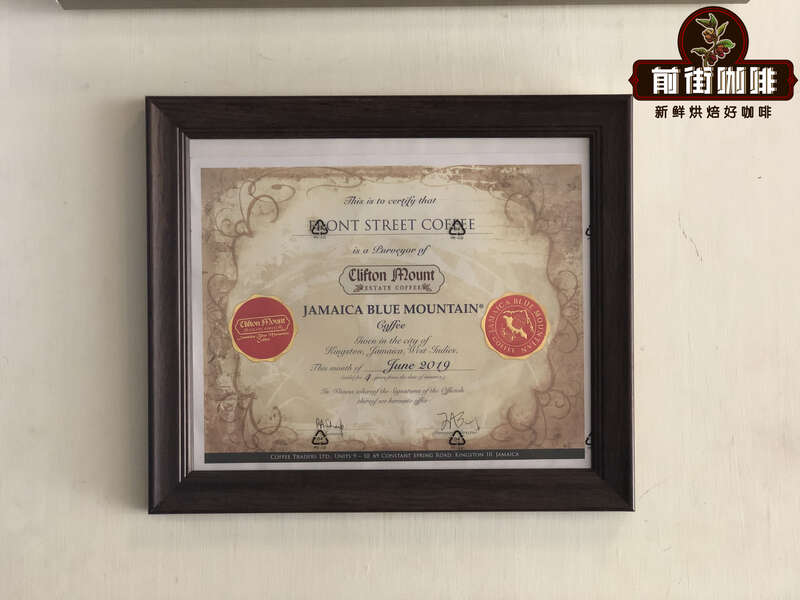
Professional buyers can verify authenticity through three dimensions: first, official certification documents from the Jamaica Coffee Board; second, sales authorization provided by authorized distributors; and finally, certificates of origin. Consumers should pay special attention to packaging—Blue Mountain coffee insists on using traditional wooden barrels to transport green beans, in sharp contrast to the common burlap sack packaging.
The Blue Mountain coffee grade system includes four categories: NO.1 through NO.3 and Peaberry PB. Among them, NO.1, as the highest grade, requires 96% of green beans to meet the 17/18 screen size specification, resulting in a market price of more than several hundred dollars per pound. Peaberry PB, due to its scarce yield and concentrated flavor, is often used by experienced roasters in special blends.
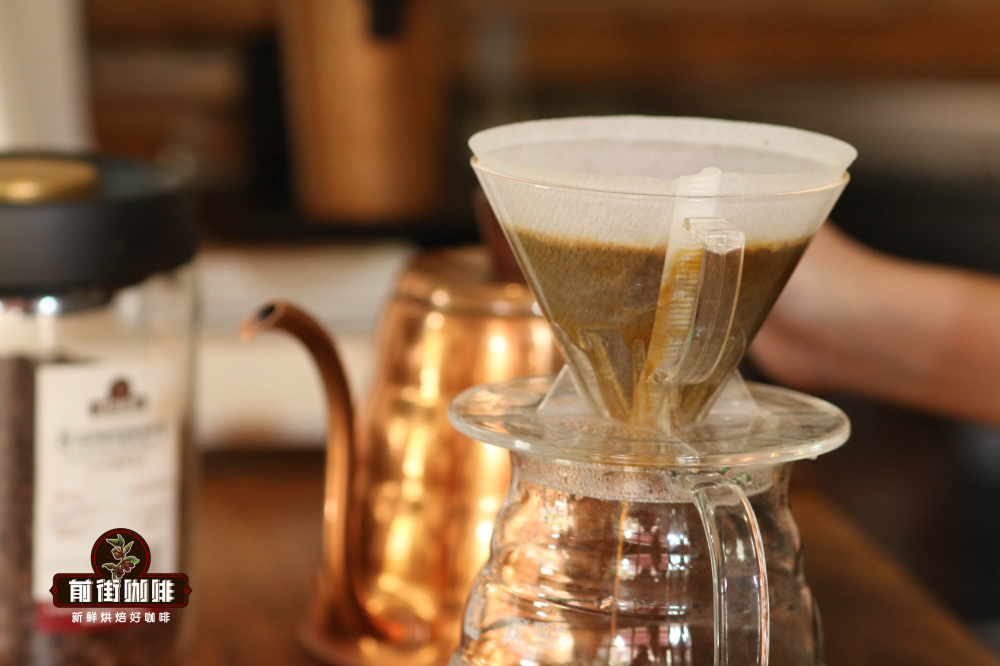
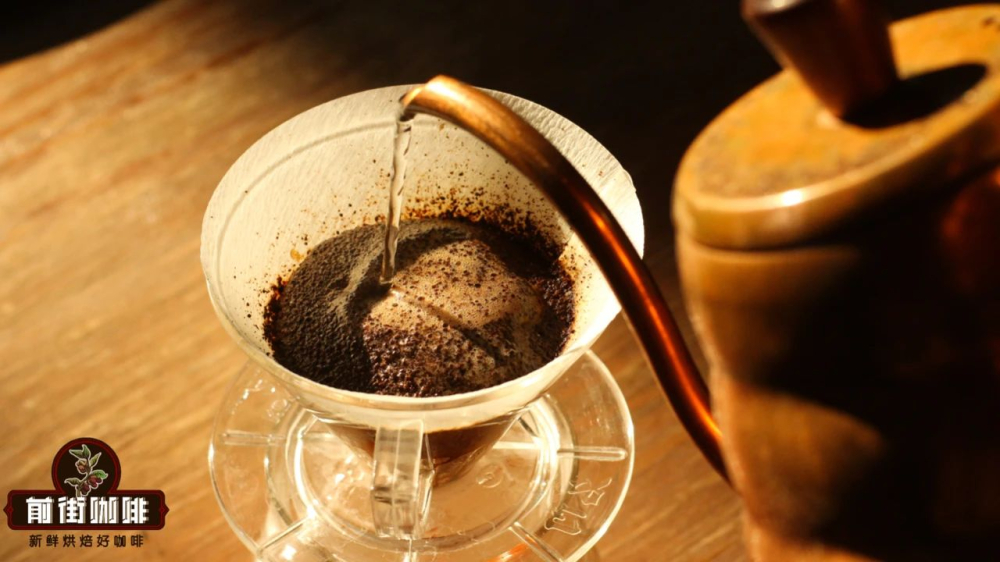
Pour-over Blue Mountain coffee requires precise parameter control: a recommended dose of 15 grams of coffee to 225 milliliters of water, with grind size set to medium-coarse (75% passing a No. 20 sieve). A KONO dripper is recommended for staged extraction—bloom with an initial 30 grams of water for 30 seconds, then pour in a thin stream to 130 grams, and finally pour the remaining water in a larger stream. Maintaining a water temperature of 88-89°C better highlights the balance of sweetness and acidity.
In terms of flavor, the washed NO.1 shows the classic dark chocolate and nutty base, accompanied by moderate body and bright acidity. The natural version highlights brown sugar sweetness and berry notes, with distinct layers of nutty and cocoa flavors in the middle and back, and an elegant walnut aroma in the finish. The two processing methods each have their own characteristics, and it is recommended to choose according to personal taste preference.
It is particularly important to note that most products on the market labeled "Blue Mountain flavor" actually come from other producing regions. The annual output of genuine Blue Mountain No. 1 is less than one thousand tons, of which ninety percent has traditionally been supplied to the Japanese market. When purchasing, consumers should focus on checking the certificate of origin and grading certificate to avoid buying blended beans or imitation products.