Indonesian Kopi Luwak Brewing Guide: Flavor Analysis and Pour-Over Parameters
Introduction: Kopi Luwak is hailed as a treasure of the coffee world, and its unique origin and flavor have drawn much attention. This article begins with the story of Kopi Luwak's origins, then takes a deeper look at its flavor characteristics and processing methods, and offers professional pour-over parameters and practical brewing advice to help coffee lovers fully understand the appeal and brewing techniques of this special coffee bean.
Indonesian Kopi Luwak has long been regarded as a high-end treasure in the specialty coffee market, and its rarity and unique flavor once kept its price persistently high. In 2002, a pound of Kopi Luwak beans sold for as much as $500 on the New York market, a price inseparable from its extremely low production. Although the name sounds inelegant, it carries a distinctive Indonesian herbal aroma, a full-bodied mouthfeel, and an indescribable sweetness, drawing close attention from coffee enthusiasts.

The true place of origin of Kopi Luwak is Indonesia. Although Vietnam and Myanmar have also begun producing similar products as its fame has grown, their quality and flavor are generally inferior to Indonesian Kopi Luwak, and their prices are correspondingly lower. According to records, Kopi Luwak was first discovered in Indonesia in the early 18th century, when Dutch colonists introduced coffee trees to Sumatra and Java to develop the coffee trade. To protect their economic interests, the colonists forbade local farmers from picking or eating the coffee cherries, which left the farmers curious about the fruit but unable to taste it.

In this context, the local civet became a key player. The civet is an omnivore; although its main diet is meat, it has a particular fondness for the ripest, reddest coffee cherries. After stealing and eating the fruit, unable to digest the hard coffee beans, it could digest only the soft pulp and eventually excreted the undigested beans in its droppings. Local farmers happened upon these excreted beans and found that, once washed and processed, they displayed an unprecedented richness and a unique sweetness—and thus Kopi Luwak was born.

However, the legend of Kopi Luwak did not end there. When the Dutch colonists discovered the unique flavor of this special coffee, they sold it at high prices to European royalty; its price once exceeded that of many famous coffees, including Jamaican Blue Mountain, making it one of the most expensive coffees in the world at the time. It should be noted that only beans excreted by wild Indonesian civets can be called true Kopi Luwak; similar products from other regions cannot use this name.

In terms of flavor, Kopi Luwak is often considered similar to Indonesia's famous Mandheling coffee. Because civets are mainly active in low-altitude areas below 2,100 meters, where coffee trees are mostly planted with the Robusta variety, Kopi Luwak often contains Robusta beans, bringing a distinctive earthy and herbal aroma. At the same time, Indonesia's traditional wet-hulling process also makes the beans richer and fuller, with layered flavors.

Unlike ordinary coffee, Kopi Luwak's raw material comes from ripe coffee cherries that civets select on their own. Using their keen sense of smell, civets choose only the sweetest, ripest coffee cherries, and this "natural selection" mechanism lays a high-quality foundation for the coffee's flavor. However, some argue that Kopi Luwak's flavor advantage comes more from the story behind it than from its objective quality. According to some cupping experts, Kopi Luwak sometimes scores even lower than ordinary Indonesian coffee under SCAR standards, with relatively flat acidity and flavor complexity.

The in-vivo fermentation process in the civet has long been debated. Some argue that in the civet's digestive tract the beans are affected by strongly acidic digestive juices, whose proteases can break down proteins in the beans, thereby changing the flavor structure, generating more short-chain peptides and amino acids, and enhancing flavor expression. In reality, however, beans typically remain in the civet's stomach for only one to two hours, which is not long enough to produce significant chemical flavor changes. The influence of in-vivo fermentation on the final flavor may therefore be very limited, and is more a marketing selling point for merchants.

The Kopi Luwak currently circulating on the market usually also undergoes Indonesia's distinctive wet-hulling process, which further shapes its flavor profile. Overall, the civet's main contribution may be limited to selecting ripe cherries, rather than the fermentation process itself playing a decisive role in flavor. When trying Kopi Luwak, therefore, consumers can approach it more from the perspective of flavor experience and cultural curiosity, rather than relying entirely on the added value of its so-called "special processing."

Taking Kopi Luwak from Indonesia's Sumatra region as an example, it is usually grown at altitudes of 1,600–2,100 meters, is of the Arabica variety, and is processed by in-vivo civet fermentation combined with traditional wet hulling. Common flavor descriptors include herbal, nutty, dark chocolate, and a slight fermented note; the overall mouthfeel is rich and smooth, with a certain complexity and layering.

For roasting, a medium-dark roast is recommended to highlight its rich character. Taking a common 800N roaster as an example, preheat the drum to 200°C, lower the charge temperature to 160°C, set the initial airflow to 3 and adjust the heat to 130. After the turning point is reached (about 1 minute 28 seconds), maintain the heat to enter the drying phase; at 5 minutes 40 seconds the beans begin to turn yellow, at which point the heat can be raised to 140 and the airflow opened to 4. Before first crack, adjust the airflow to 5 and listen carefully for first crack, which begins at about 9 minutes 15 seconds; then open the airflow fully, allow a development time of about 4 minutes 25 seconds, and finally drop the beans at 203°C.

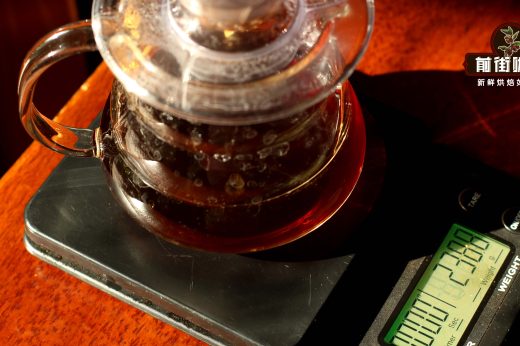
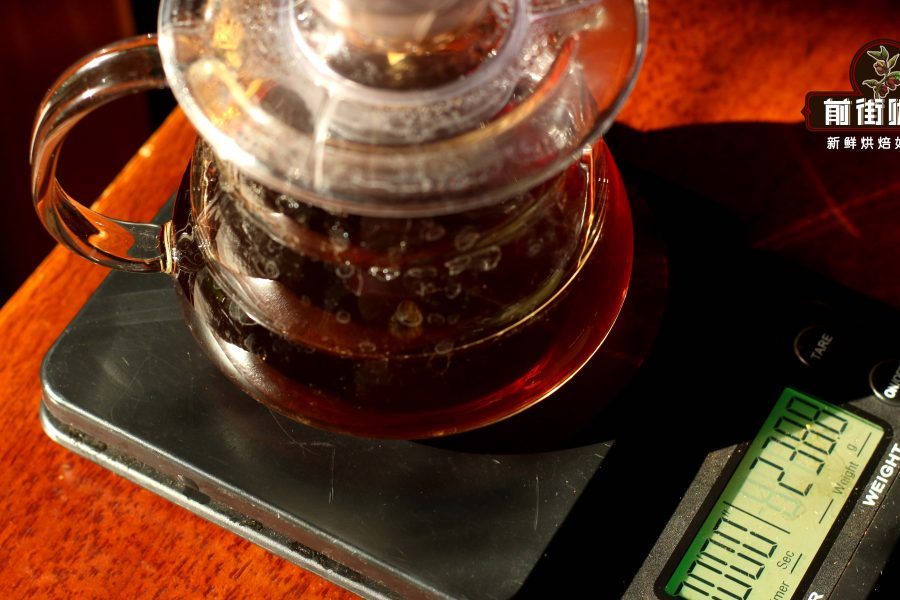
For pour-over, a KONO dripper is recommended, with water at 86–87°C, a coffee-to-water ratio of 1:15, and a medium-coarse grind with 75% passing a Chinese standard No. 20 sieve. In practice, first pour 30 grams of water and let it bloom for 30 seconds, then pour in a slow circular stream until 125 grams for the first stage; when the water level drops and is about to expose the coffee bed, continue pouring to 225 grams and stop. Once the water has fully dripped through, remove the dripper; the total extraction time should be kept to about 2 minutes.

Overall, with its unique origin and flavor, Kopi Luwak has become a highly talked-about presence in the coffee world. Whether out of curiosity about flavor or exploration of coffee culture, trying the brewing and tasting of Kopi Luwak once will bring coffee lovers an unforgettable experience.