Honey-Processed Coffee: A Complete Guide from Method to Flavor
Introduction: Honey processing is the mainstream green coffee processing method in Central America, and it is especially widespread in Costa Rica. By controlling how much of the mucilage layer is retained, this method directly affects the coffee's sweetness and body. This article systematically explains the operating principles, grading standards and typical flavor characteristics of honey processing, and uses real cases to illustrate how different processing methods affect final cupping performance.
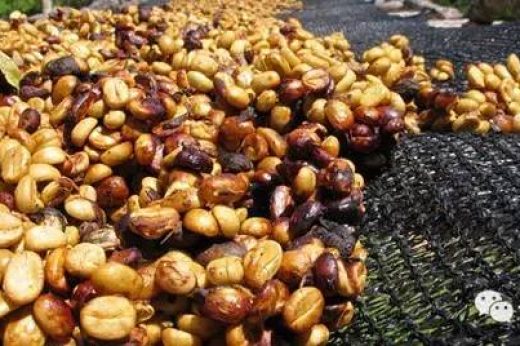
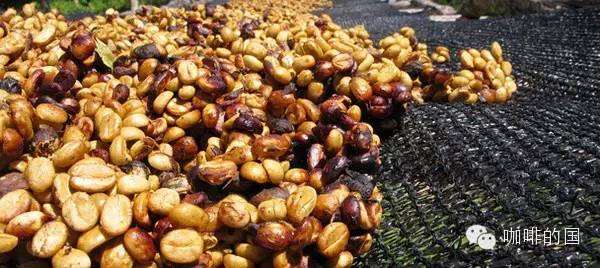
Honey processing has become a signature technique in Central American coffee regions, and in Costa Rica it has become almost standard across the entire producing area. The name comes from the sticky mucilage left after the coffee pulp is removed—because of its high sugar content it is called "miel" (honey) in Spanish. During processing, the proportion of mucilage retained must be precisely controlled, and the degree of pectin fermentation during drying directly affects the sweetness-acidity balance of the finished coffee.
Compared with traditional washed coffee, honey-processed coffee shows richer layers of sweetness. Its acidity falls between washed and natural: about 30% lower than standard washed coffee, but higher than the full body of fully natural processing. This characteristic makes it especially suitable for pour-over enthusiasts who prefer a balanced cup, and it is commonly found in light-to-medium roasted specialty coffee beans.
The industry divides honey processing into four standard grades according to the amount of mucilage retained: 40% is light retention (usually called white honey), 60% is medium (yellow honey), 80% is deep (red honey), and 100% is full retention (black honey). It is worth noting that some estates deliberately adjust the amount of mucilage—for example, by adjusting the speed of the pectin scraper—to prevent undesirable fruit acids from excessive fermentation during drying.
Color-based grading during the drying stage is an innovative practice by Costa Rican producers. By controlling the length of shade exposure, three color families are formed: yellow honey requires continuous strong sunlight for about 7 days, suiting hot, dry climates; red honey uses intermittent shading, extending the drying cycle to 2-3 weeks, with flavors showing more nutty notes; black honey must be slowly dried in the shade for at least 14 days, and although the cost of manual turning increases by 40%, it develops a rich caramel finish.
Looking at real producing-area cases: the volcanic-soil region of Costa Rica's Central Valley (1,300-1,500 meters above sea level) produces high-quality honey-processed beans. Local annual rainfall of 3,000 mm poses challenges for the drying process, so professional estates build raised mesh beds and install temperature and humidity monitors. For example, one certified organic estate uses a Brix refractometer to test coffee cherries, carrying out honey processing only when sugar content exceeds 20%, at which point the fruit's sweetness is close to that of fresh eating blueberries.
Although Ethiopia is not the birthplace of honey processing, its Yirgacheffe micro-regions show unique potential through improved techniques. The Kochere region uses advanced washing equipment to process heirloom coffee, combined with a 10-12 day shade-drying cycle, adding a honey finish while maintaining a floral base. This type of processing requires strict control of daily moisture loss to within 1.5% to prevent the mucilage layer from hardening too quickly.
Consumers should note when buying: black honey beans should not be roasted beyond medium, otherwise their complex fermented aromas will be masked; yellow honey is better suited to milk coffee, because its bright acidity can neutralize milk fat. For storage, one-way degassing valve foil bags are recommended, keeping oxygen content below 3% to preserve the sweet, moist mouthfeel characteristic of honey processing.