Top 10 Single-Origin Coffee Regions of 2019: A Pour-Over Buying Guide

Introduction: This article selects the top ten quality coffee-producing regions in the world in 2019, from Ethiopia to Hawaii, and explains in detail the terroir characteristics and flavor profiles of each region. By analyzing differences in altitude, processing methods and varieties, it helps coffee lovers understand the unique charm of coffee beans from different regions and provides a professional reference for choosing beans for pour-over coffee.
Like music and art, the coffee world also has its rankings of highly regarded producing regions. Although the selection criteria are not necessarily made public, these lists tend to focus on flavor performance rather than simply volume or price. Today we bring you the 2019 version of the world's top ten specialty coffee regions, which, thanks to their unique geographical environments and cultivation traditions, produce distinctive quality coffees.
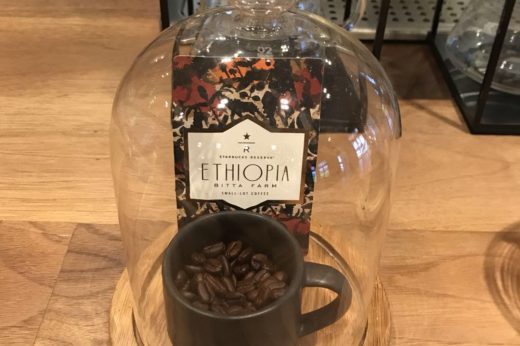
Ranked first, Ethiopia is known as the birthplace of Arabica coffee, with annual production of 396,000 metric tons. The country has quality growing areas above 1,500 meters in altitude, and wild coffee trees have undergone thousands of years of natural domestication, creating an irreplaceable terroir character. The Yirgacheffe region is known for its delicate floral and citrus notes, while Sidamo shows a mellow, sweet aroma; both are heirloom varieties, and they still hold a large amount of undeveloped wild genetic resources.
Though Kenyan coffee started later, it creates a striking personality out of annual production of 45,000 metric tons. The SL28 variety gives the coffee bright acidity and rich fruit notes such as blackcurrant and grapefruit. This cultivation system, established during the British colonial period, combined with the slow ripening process at high altitude, forms a richly layered taste experience. Experienced enthusiasts often describe its flavor as layered like a symphony.
Ranked third, Colombia shows astonishing diversity with annual production of 660,000 metric tons. The microclimates of the Andes create countless micro-regions, with both stable, balanced commercial beans and specialty small lots with unique flavors. The refined processing techniques passed down through generations of local coffee farmers allow each coffee to clearly express its regional terroir characteristics, making it the Champagne region of the coffee world.
Guatemala, with its volcanic soils and cloudy, misty environment, brings forth coffee flavors as mysterious as Mayan culture from annual production of 186,000 metric tons. High-altitude growing areas give the coffee full sweetness and soft acidity; dark roasts tend to show chocolate and spice notes, while light roasts highlight the fresh character of citrus fruits, suiting brewing methods that pursue complex layers.
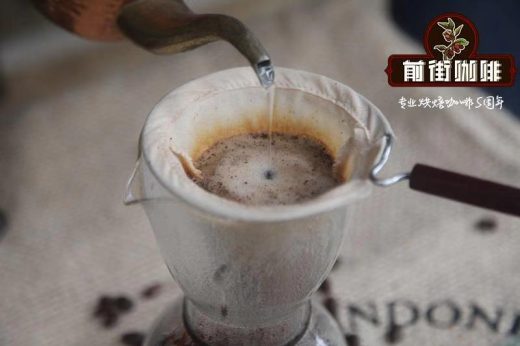
Costa Rica's coffee, with annual production of 84,000 metric tons, is known for its clean, bright acidity; standardized washed processing combined with the recently popular honey process creates a balanced ratio of sweetness to acidity. A nationwide coffee management body ensures consistent quality. Honey-processed beans are particularly suited to pour-over lovers who prefer fruity notes; a medium-fine grind and water at 90-93°C are recommended for extraction.
Honduras, though rarely noticed because of political instability, firmly holds second place among Central American exporters with annual production of 252,000 metric tons. The climates of the eastern and western mountain ranges differ markedly: eastern coffees often have a base of black tea and nuts, while western ones show lively flavors of red berries and tropical fruit. The differences among micro-regions are worth exploring in depth.
Indonesia, with annual production of 702,000 metric tons, is an important Asian producing region; the thick herbal notes of Sumatra Mandheling contrast sharply with the dense mouthfeel of Java coffee. Although commercial beans account for a large share, professional-grade Mandheling, after wet-hulling, can still show low-acid, full-bodied nut and chocolate flavors, making it suitable for dark-roast espresso.
Rwanda, a rising star with annual production of 14,760 metric tons, reached the stage of international competition in just eight years. The country's producing regions focus on developing the Bourbon variety, cultivating delicate citrus and floral notes through high-altitude growing; its clean, bright mouthfeel has made it a new favorite in the specialty coffee market.
Panama's annual production of 6,000 metric tons is small but renowned, and the Geisha variety has found new life here. This variety, originating in Ethiopia, developed elegant jasmine and peach-apricot aromas in Panama's volcanic soils; combined with refined washed processing techniques, it has repeatedly taken first place in international competitions and become the representative of auction-grade specialty beans.
Last to appear, Hawaii Kona has production of only a few thousand tons, yet its unique island climate produces a balanced, soft nut-and-cream flavor. Strict growing regulations on the island ensure that every coffee bean bears the unique imprint of sunshine and volcanic ash, making it suitable for consumers new to specialty coffee as an introductory choice.