Moka Pot Guide: From Basics to Safe Single-Serve Brewing
Introduction: The moka pot is a practical tool for making espresso-style coffee at home, but many people worry it may explode if used incorrectly, or they don't know how to adjust the flavor. This article explains the moka pot's working principle and standard brewing process, gives specific parameters for a single serving, and focuses on key safety points to help you avoid common mistakes and easily brew rich coffee that isn't bitter.
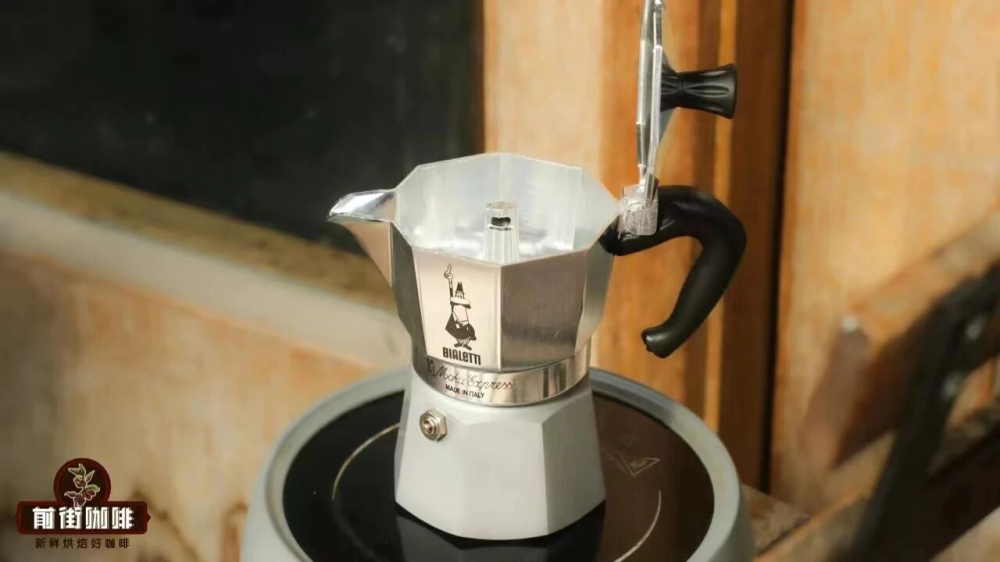
The moka pot mainly consists of three parts: the bottom water chamber, the middle filter basket, and the top coffee collection chamber. When heated, the water in the bottom chamber turns into steam and creates pressure, pushing hot water up through the central tube into the coffee grounds basket, where it filters through and drips into the top chamber, finally forming espresso-style coffee. This physical extraction method requires no complex equipment and is suitable for daily home use.

Freshly extracted moka pot coffee is rich in oils and highly concentrated; drinking it straight may taste intense or even have a burnt-bitter note. It is recommended to dilute it with an appropriate amount of hot water to make an Americano according to personal taste, or pair it with fresh milk to make a latte, which reduces the intensity and better showcases the coffee beans' own fruity, floral, or caramel flavors.

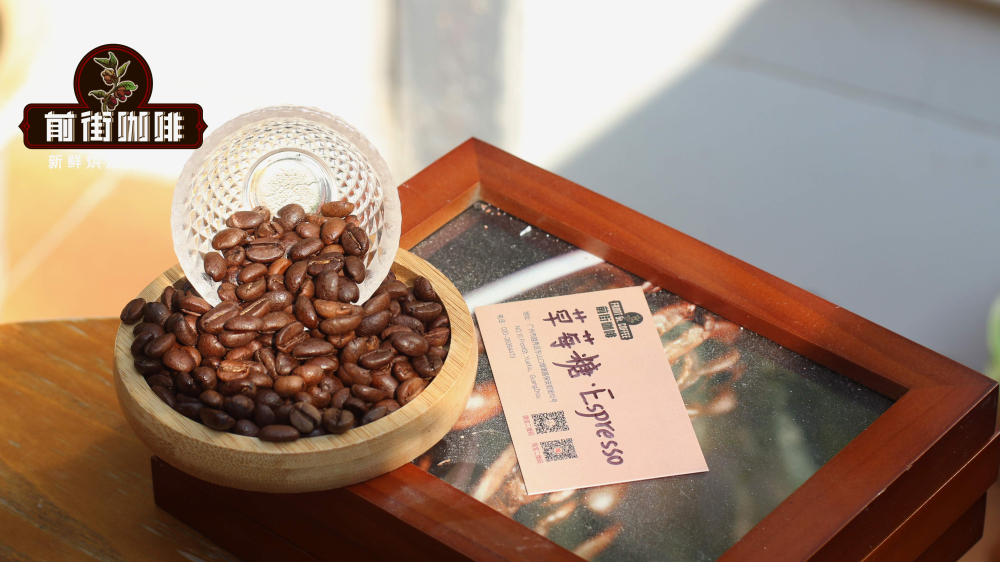
When choosing coffee beans, medium-dark roast levels are usually better suited to the moka pot. If you prefer a full-bodied taste with pronounced oils, choose blends with dark chocolate, caramel, and roasted nut flavors; users seeking a clean cup without acidity should choose beans with spicy, herbal, and woody notes; those who like bright fruitiness can try blends with raisin and almond aromas.

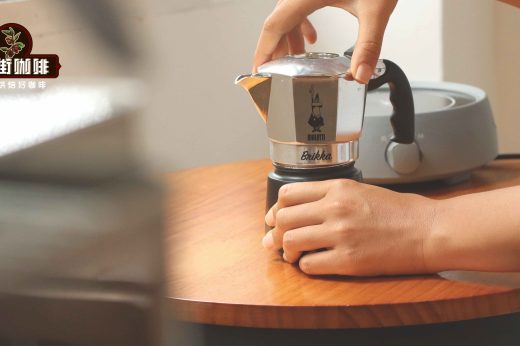
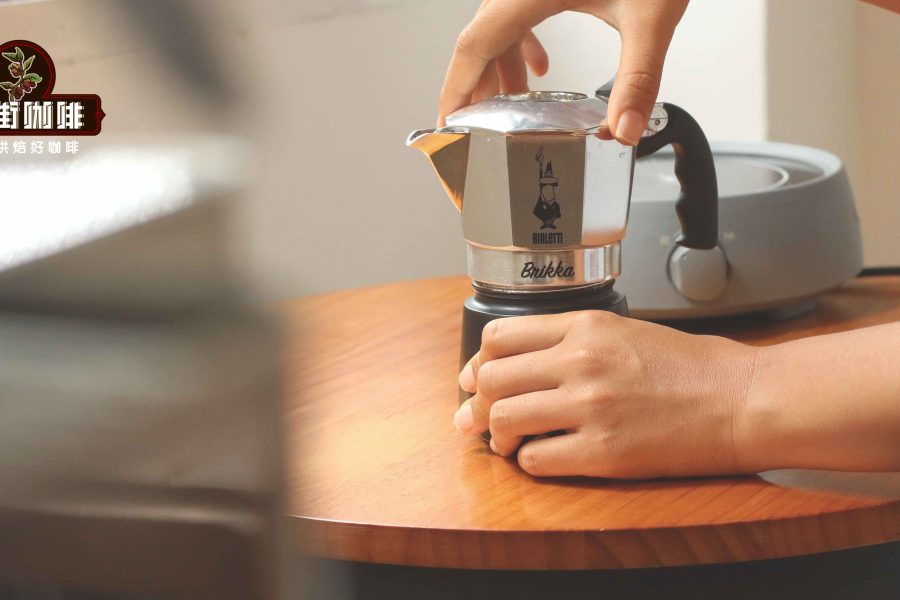
The standard procedure is as follows: First, fill the bottom chamber with hot water (recommended temperature close to boiling but not fully rolling), with the water level below the pressure release valve. Place the filter basket on top of the bottom chamber, press the edge lightly with your fingers to secure it, then fill the coffee grounds evenly to slightly above the edge to form a small mound, ensuring a raised center and filled edges with no gaps. Next, screw the top chamber tightly onto the bottom chamber to avoid steam leaks during heating that would affect pressure.


Place the assembled moka pot on a ceramic cooktop or gas stove and heat over medium-low heat. When you hear a continuous low humming sound (similar to steam escaping), it means the coffee has begun to rise; at this point immediately reduce the heat or turn off the heat source and wait for the coffee to flow naturally into the top chamber. Normally, when the liquid level reaches about two-thirds of the top chamber's total capacity (about 60 to 100 ml), it can be stopped, as extraction is essentially complete.



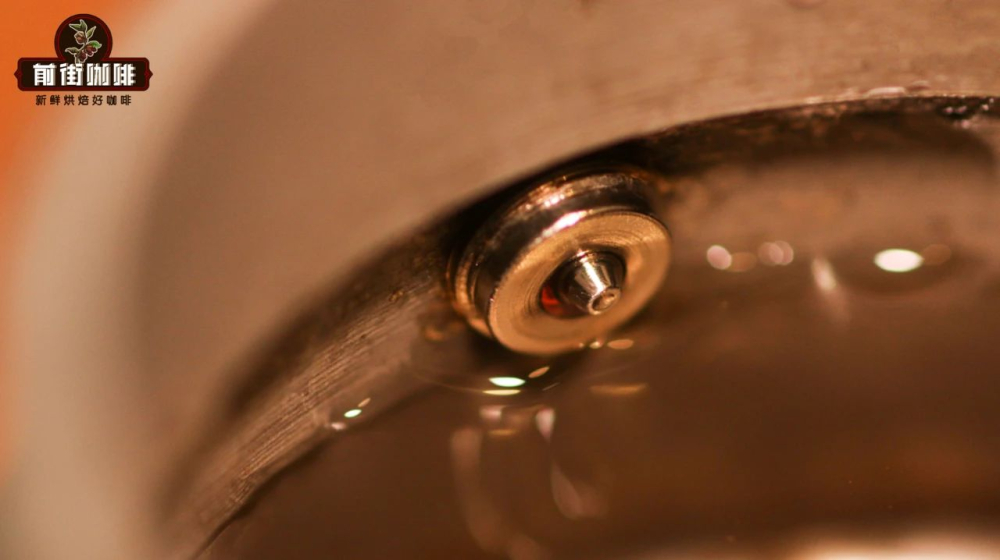
Regarding safety, the moka pot does carry some risk but it is controllable. Be sure to note the following: First, the water level in the bottom chamber must never exceed the height of the pressure release valve, otherwise the pressure relief function is lost and pressure can rise abnormally; second, observe the flow rate of the coffee—if it sprays out, the heat is too high, and if it flows slowly, the temperature may be insufficient, so adjust the heat promptly; third, there is no need to tamp the coffee grounds, as excessive tamping obstructs water flow and increases internal pressure, and it is absolutely forbidden to let coffee grounds or water contact the pressure release valve area, to avoid blockage and danger.
Moka pot explosions are usually caused by uncontrolled pressure and can result in flying metal fragments or scalding from hot liquid. Using it correctly and following the above precautions can greatly reduce the risk. Mastering the right coffee-to-water ratio, heat control, and extraction timing not only avoids safety hazards but also consistently produces high-quality espresso-style coffee with balanced flavor.