Why Moka Pot Coffee Tastes Bitter and Burnt: A Bean and Parameter Guide
Introduction: Does coffee brewed in a moka pot always carry a burnt, bitter taste? The problem may lie in the choice of roast level, uneven extraction, or improper parameters. This article explains in detail the core reasons moka pot coffee turns bitter, compares the flavor differences between light and dark roasts, provides practical parameters for coffee-to-water ratio, grind size, and heat control, and teaches you how to improve extraction uniformity through tamping and water-adding techniques, so you can easily brew a balanced, full-bodied espresso-style coffee.
"Burnt! Bitter!"—this is the most common frustration many moka pot beginners encounter. You clearly want to recreate that aromatic, rich, balanced feel of a café, but end up drinking obvious burnt-bitterness, sometimes with a scorched, gritty texture. In fact, the problem usually stems from two key points: over-extraction and localized channeling.

The bitter compounds in coffee (such as chlorogenic acid degradation products and phenolic compounds) dissolve far more slowly than sweet and sour compounds. When extraction time is too long or hot water penetrates concentrated areas of the coffee bed, these bitter components are over-extracted. What makes the moka pot special is that it generates steam pressure by heating the bottom chamber to push water through the coffee. This pressure extraction is more prone to forming "twin-tail" channels than pour-over—hot water bypasses part of the puck and pierces straight through, causing coffee grounds that aren't fully wetted to be rapidly extracted by high heat, releasing burnt-bitter compounds.

You can spot the problem by watching the rhythm of steam generation: once the water boils, the amount of steam surges. If the heat isn't adjusted in time, high-pressure hot water will break straight through the bottom of the puck. Especially when brewing with cold water, the longer heating time lets steam continuously soften localized areas of the puck, eventually forming a "tunnel" that runs through the coffee bed—this is the uneven extraction phenomenon commonly seen in  .
The first solution to this problem is controlling the heating rhythm. It's recommended to preheat over medium-low heat initially, and once the water in the bottom chamber reaches about 90°C (when small bubbles just begin to appear at the bottom), turn up to high heat. If brewing with cold water, you must immediately turn to low heat when the first drops of coffee flow out, or simply remove it from the heat and finish extraction with residual heat—at this point the water temperature in the bottom chamber usually stays in the ideal range of 92-96°C.

Regarding bean selection, roast level directly influences the flavor direction. Light to medium roasts (such as Ethiopian Yirgacheffe or Colombian Huila) suit those seeking fresh fruity acidity and floral aromas; these beans have a tight fiber structure and require finer extraction control. Medium-dark to dark roasts (such as Brazilian Santos or Sumatran Mandheling) present caramel, chocolate, and nutty notes, and better tolerate the moka pot's high-pressure extraction characteristics.

Specific parameter settings require attention to three core elements: grind size, coffee-to-water ratio, and tamping pressure. Grind size should be close to espresso standard—finer than granulated sugar with no noticeable gritty texture; if using a home grinder, set it to the finest setting. A coffee-to-water ratio of 1:5 to 1:7 is recommended (for example, 20g of coffee to 100-140ml of water); for dark roasts, reduce the water amount appropriately to lessen bitterness. For tamping, use the back of the coffee scoop or a flat-edged tool to press evenly, ensuring uniform puck density (about 20-30 pounds of pressure).

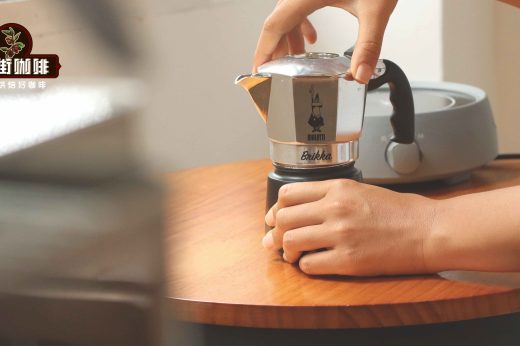
In practice, first fill the  basket with coffee and level the surface, then lightly tap the body with your palm to remove loose grounds. Tamping is done in two stages: first press lightly until the coffee layer is flat, then apply steady pressure to form a firm puck. Note that the puck height should not exceed the base of the pressure relief valve, to avoid excessive pressure causing liquid to spurt.
Heat management is the key to success or failure. Add water to the bottom chamber to 2cm below the pressure relief valve, install the top chamber in place, and first heat over high heat. When you hear a distinct gurgling sound (indicating extraction has begun), immediately observe the flow rate—the ideal state is a continuous thin stream, like honey slowly dripping. If pulsing spurts or an excessively fast flow appear, immediately reduce the heat; if no liquid flows out within 30 seconds, check whether the puck is too tight or the grind too coarse.

For high-concentration 1:7 extraction (suitable for black coffee), a staged water-adding method is recommended: start with high heat to prompt rapid outflow, then immediately turn to low heat to maintain extraction once the color of the flowing liquid darkens. Complete the whole process within 25-30 seconds, with the final liquid weight about 1.5-2 times the coffee dose. If using the regular 1:5 ratio, you can remove it from the heat after the first outflow and use residual heat to complete the remaining extraction.

After extraction, let the moka pot rest for 10 seconds to release residual pressure. After pouring the coffee, adjust the strength to taste—for dark roasts, add 50-80ml of hot water to balance bitterness; light roasts can be drunk directly to experience the bright acidity. Common troubleshooting: if the coffee has an obvious burnt taste, check whether coffee grounds have clumped at the bottom of the pot; if the body is too thin, try increasing the grind fineness or extending extraction time to 35 seconds.

Once you master these techniques, a moka pot can also produce the rich body close to a commercial semi-automatic espresso machine. Remember the core principles: control total extraction (avoid over-extracting bitter compounds), ensure the coffee bed is evenly compressed (prevent channeling), and precisely manage the heat source (maintain the optimal extraction temperature of 92-96°C). Through repeated practice and adjustment, you can use this century-old device to brew espresso-style coffee that rivals a café.