Latin America's Six Coffee Regions: Flavor Profiles, Estate Stories, and Pour-Over Guides
Introduction: Latin America is a key region for quality coffee worldwide, covering six major countries including Brazil, Colombia, and Panama. Each area, due to differences in climate, altitude, and processing methods, produces distinctly different coffee flavors. This article provides an in-depth analysis of the unique characteristics of coffee beans from these regions, including flavor descriptions, processing techniques, and common extraction parameters, taking you to understand the story behind every cup from the source.
The global coffee belt is broadly divided into three major regions: Latin America, Asia-Pacific, and Africa. Among them, the Latin American coffee region spans multiple countries from Central to South America, known for its balanced, full-bodied, nutty and chocolate flavors, and is an important source of specialty coffee worldwide. This article focuses on six major coffee-producing countries in Latin America: Brazil, Colombia, Panama, Costa Rica, Honduras, and Jamaica Blue Mountain, providing a comprehensive interpretation of the distinctive coffee beans from these countries, from flavor characteristics and processing methods to regional environments.
Coffee cultivation in Latin America began in the 18th century, deeply influenced by Spanish colonization. Spanish is the main language in the region, except for Brazil (once a Portuguese colony). Initially, coffee cultivation prioritized quantity over quality, and it was not until the rise of the specialty coffee movement that countries gradually shifted to refined cultivation and processing. Coffee from this region is mainly exported to European, American, and Asian markets, with Brazil and Colombia consistently ranking among the world's top producers.
1. Brazil: The World's Largest Coffee Producer, Representing Nutty and Chocolate Flavors
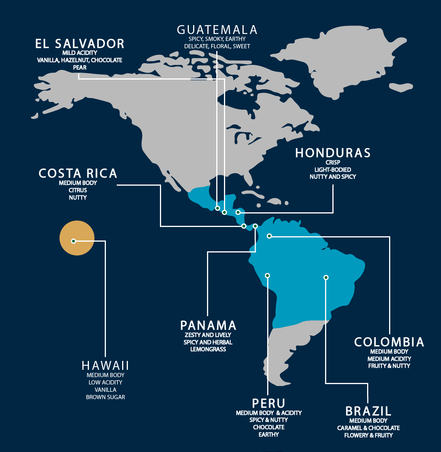
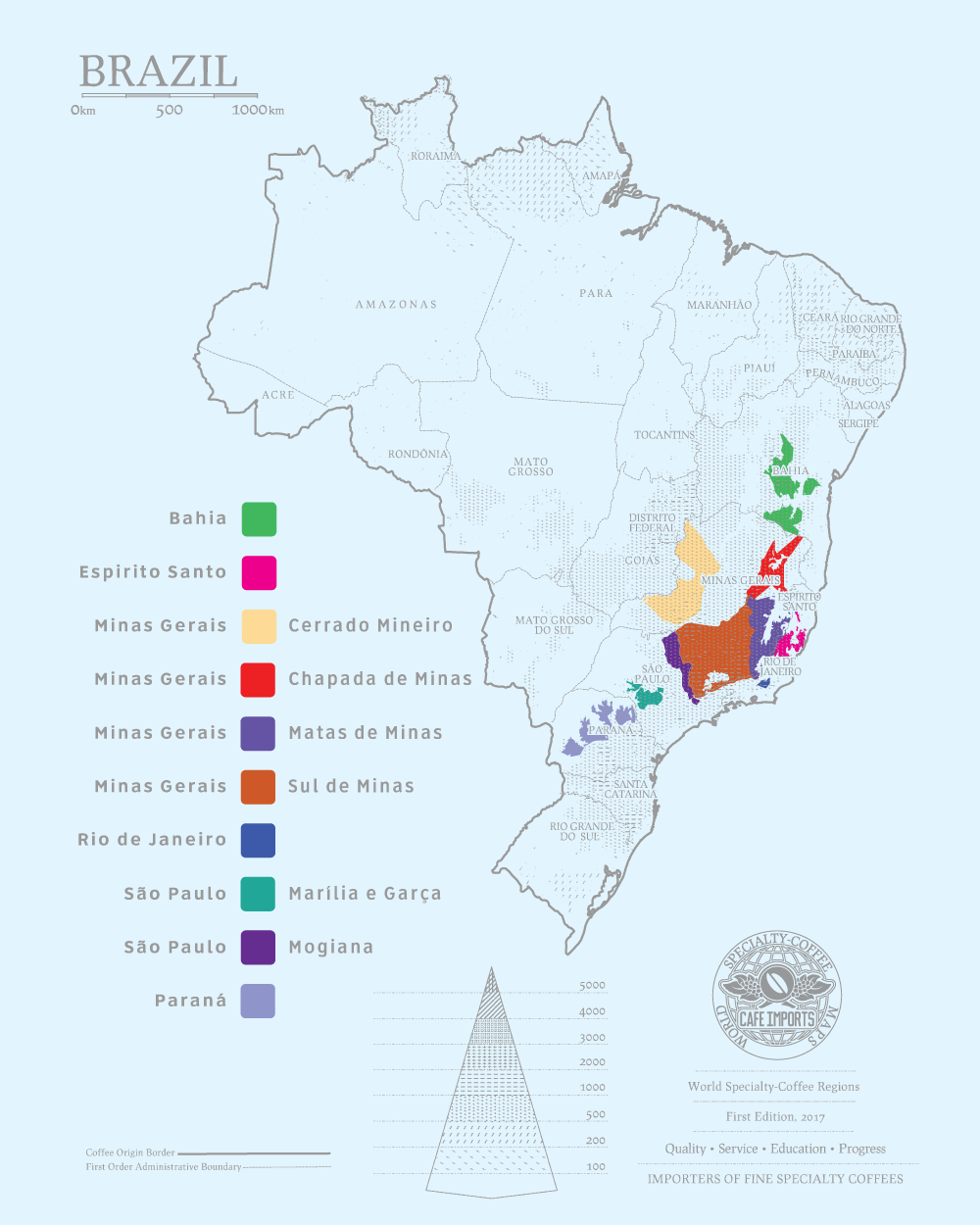
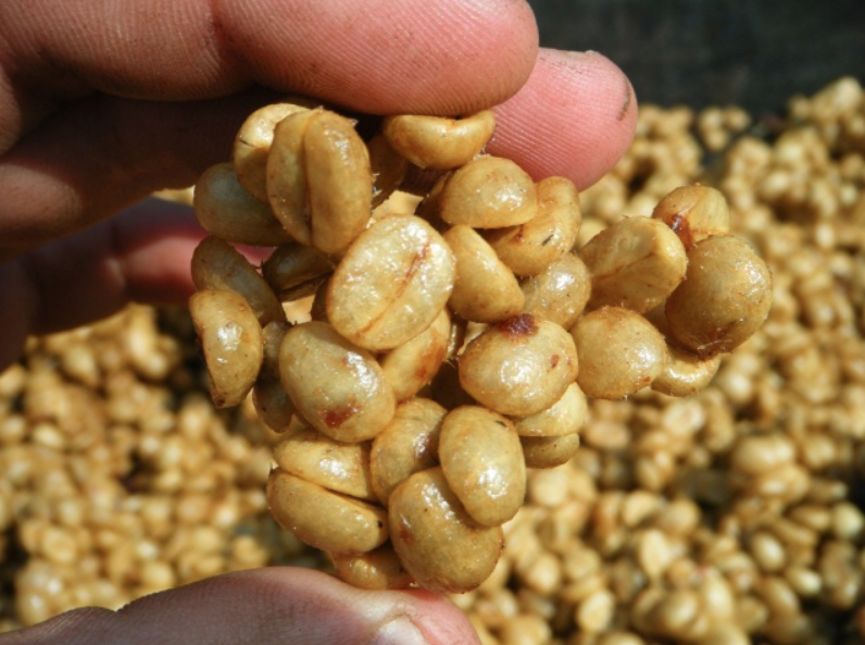
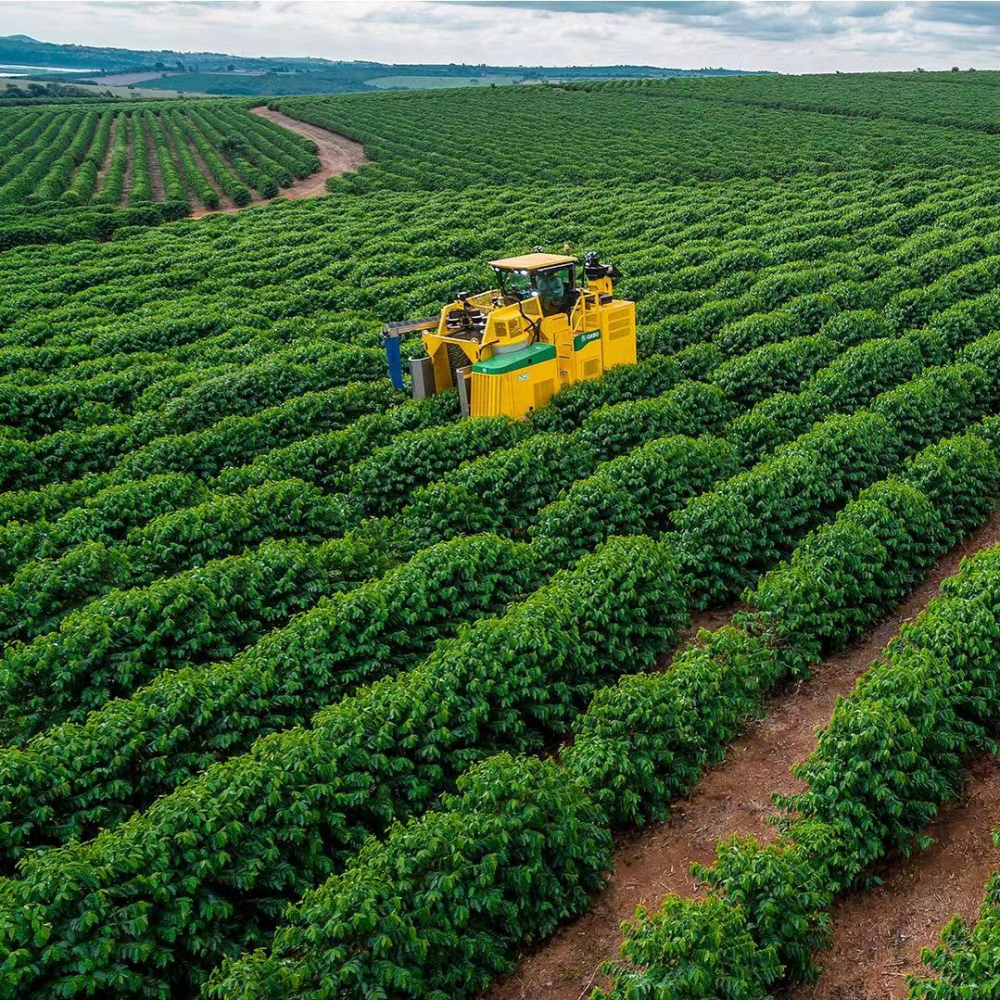
As the world's largest coffee producer, Brazil has vast coffee-growing areas, but its terrain and altitude are generally low, lacking significant microclimates. As a result, the flavors are relatively balanced and full-bodied, known for low acidity and rich nutty and chocolate notes. Common processing methods include natural, pulped natural, and washed, with pulped natural widely used due to its suitability for the drier climate.
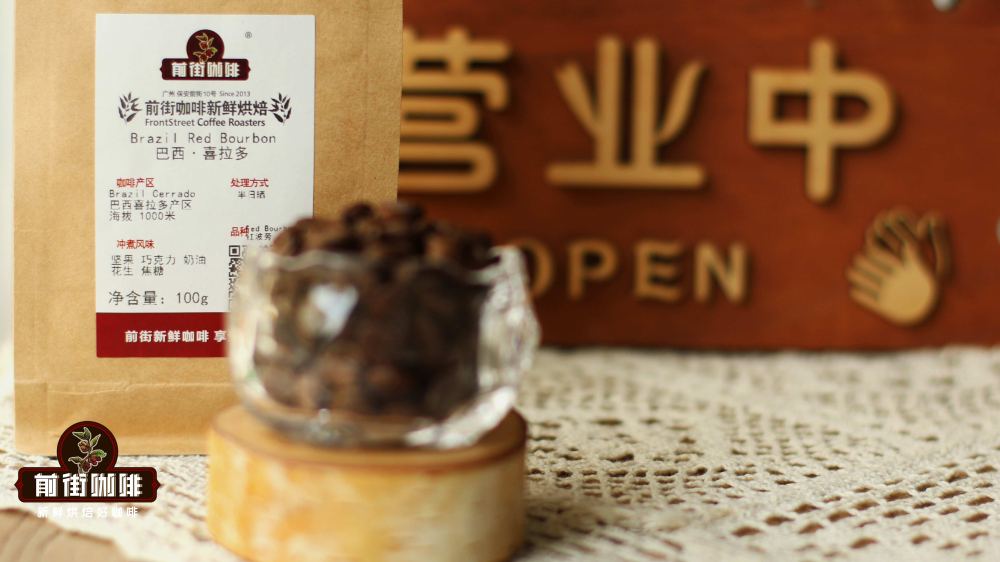
Brazilian coffee beans are graded not primarily by altitude but by bean size, defect rate, cup quality, and flavor intensity. Top-grade beans are often NY.2, with a smooth mouthfeel and clear flavors, and extremely low defect rates. The main producing regions are concentrated in Minas Gerais, São Paulo, Bahia, and Espírito Santo. Among them, Cerrado and South Minas in Minas Gerais, due to their high altitude, produce many high-quality coffees.
Brazilian coffee is suitable for drinkers who prefer a full-bodied mouthfeel and chocolate flavors, and is often used as a base for blends or for daily pour-over. For brewing, it is recommended to use a medium-fine grind and a water temperature of 88-90°C to highlight its nutty and dark chocolate finish.
2. Colombia: Outstanding Balance, Diverse Processing Methods Showcasing Regional Characteristics
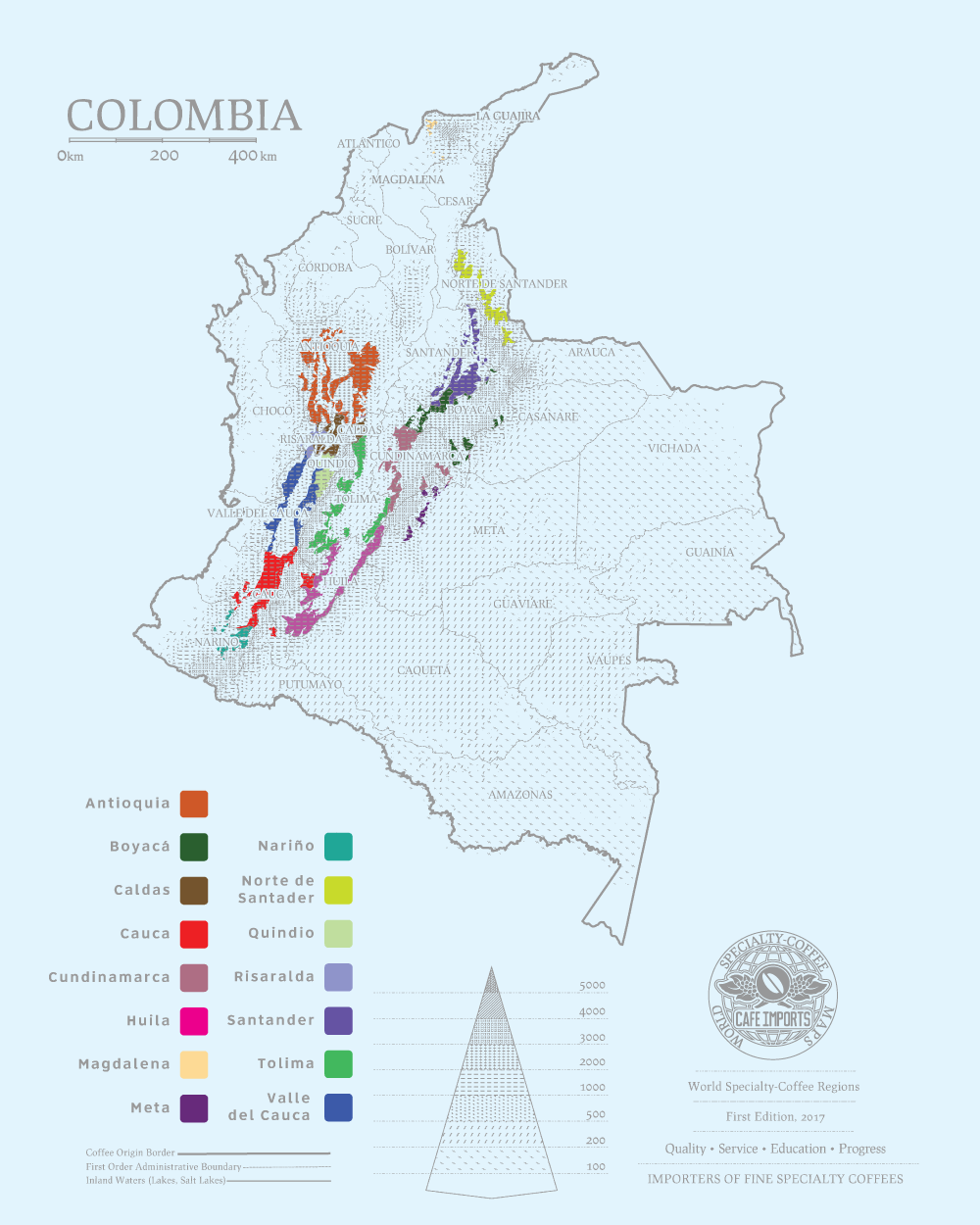
Colombia is the world's third-largest coffee producer, with complex terrain and diverse climates. Coffee cultivation is mainly concentrated along the Andes Mountains, divided into four major regions: north, central, south, and east. Among them, the central and southern regions can harvest twice a year and are important sources of specialty coffee.
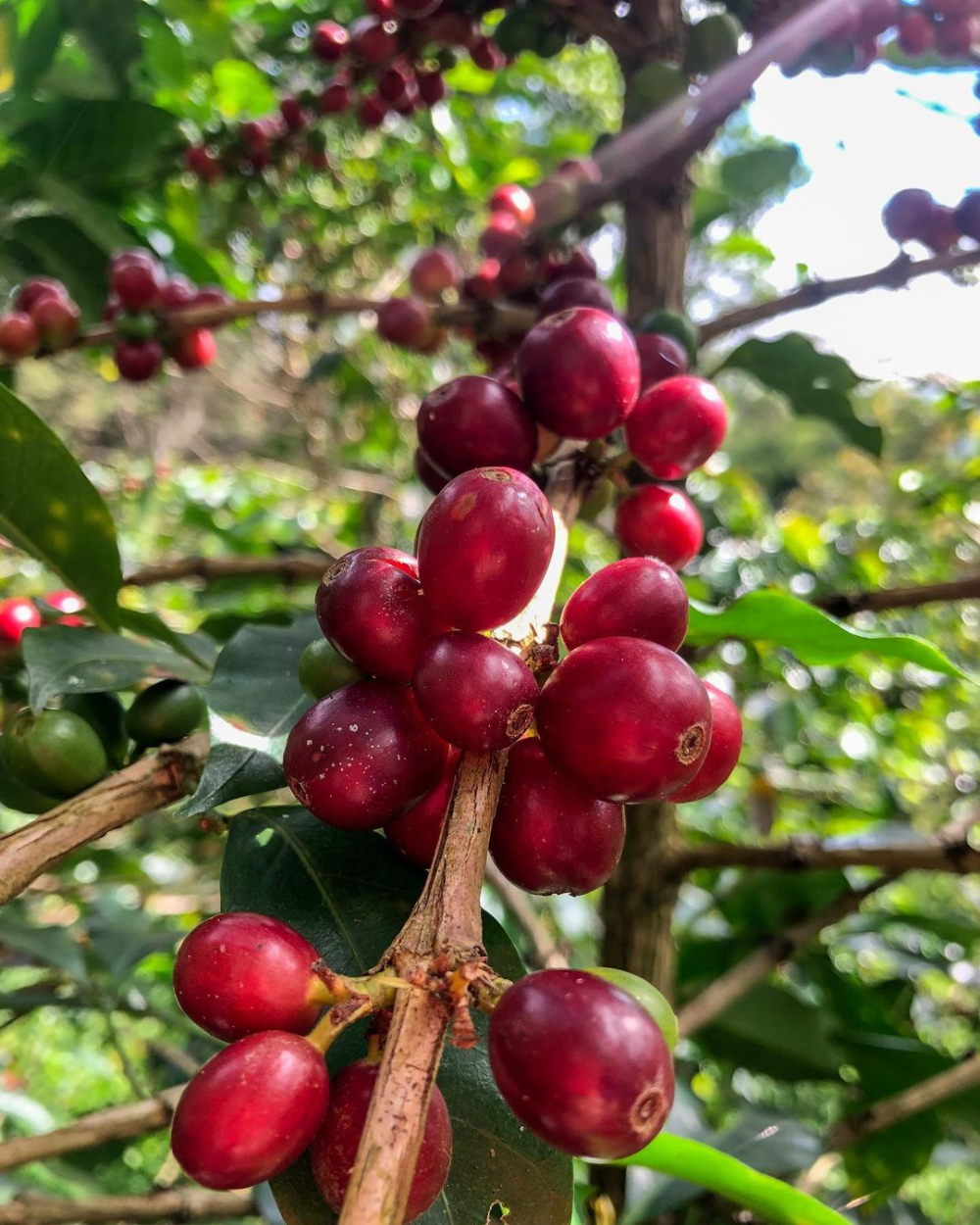
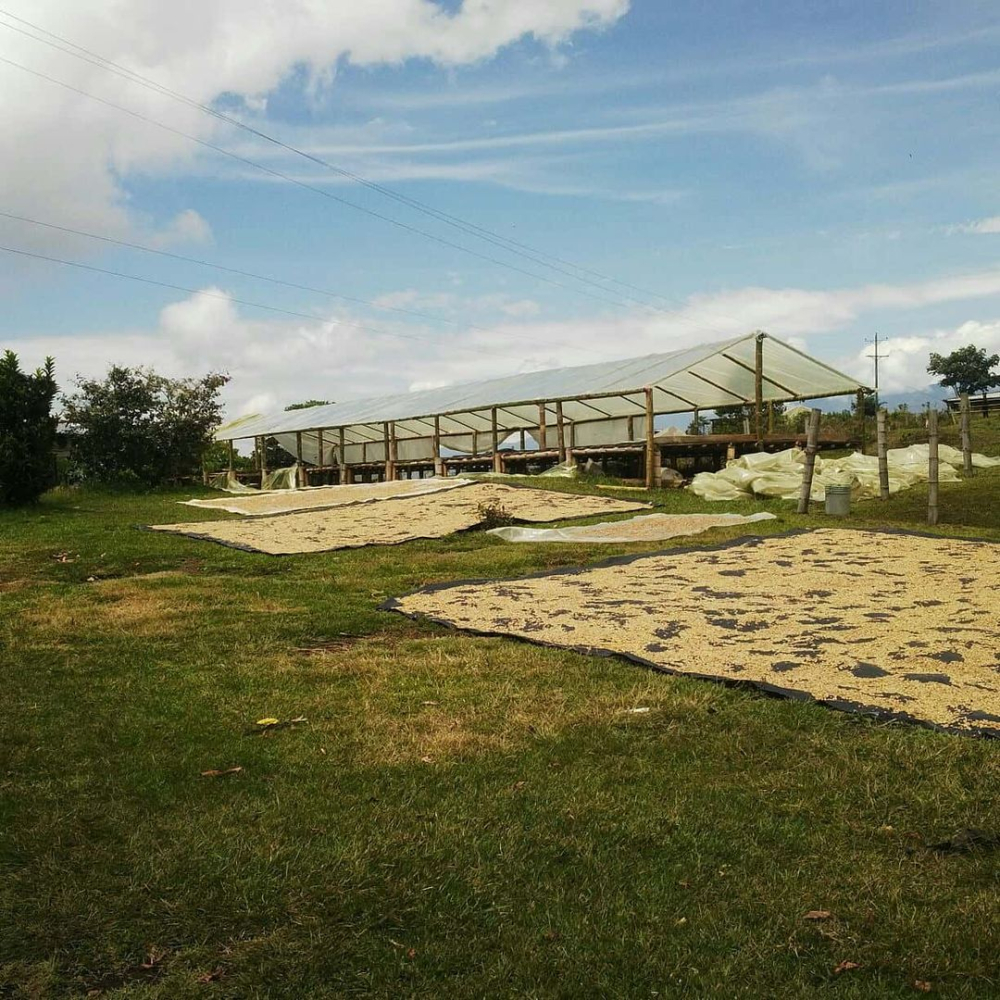
The country's coffee is mainly washed, with full bean shape and often visible silver skin. The flavor is balanced with bright acidity, featuring nutty and fruity notes. In recent years, some estates have experimented with anaerobic and double fermentation processes to further enrich the flavor layers. Major micro-regions such as Huila, Cauca, and Tolima, with their high altitudes and stable climates, have produced many specialty lots.
For brewing Colombian coffee, it is recommended to use a medium-fine grind and a water temperature of about 90°C. Through staged extraction, balance the sweetness, acidity, and body, often revealing floral and fruity aromas with a dark cocoa finish.
3. Panama: Home of Geisha, Synonymous with Floral Aromas and Bright Acidity
Panama is globally renowned for the Geisha variety, whose coffee is known for its unique floral aroma, bright acidity, and rich layers. The region has volcanic soil, high altitudes, and suitable humidity, providing an ideal environment for specialty coffee. Geisha coffee is usually washed or natural processed, and some estates even use wine processing to give the coffee more complex body and sweetness.
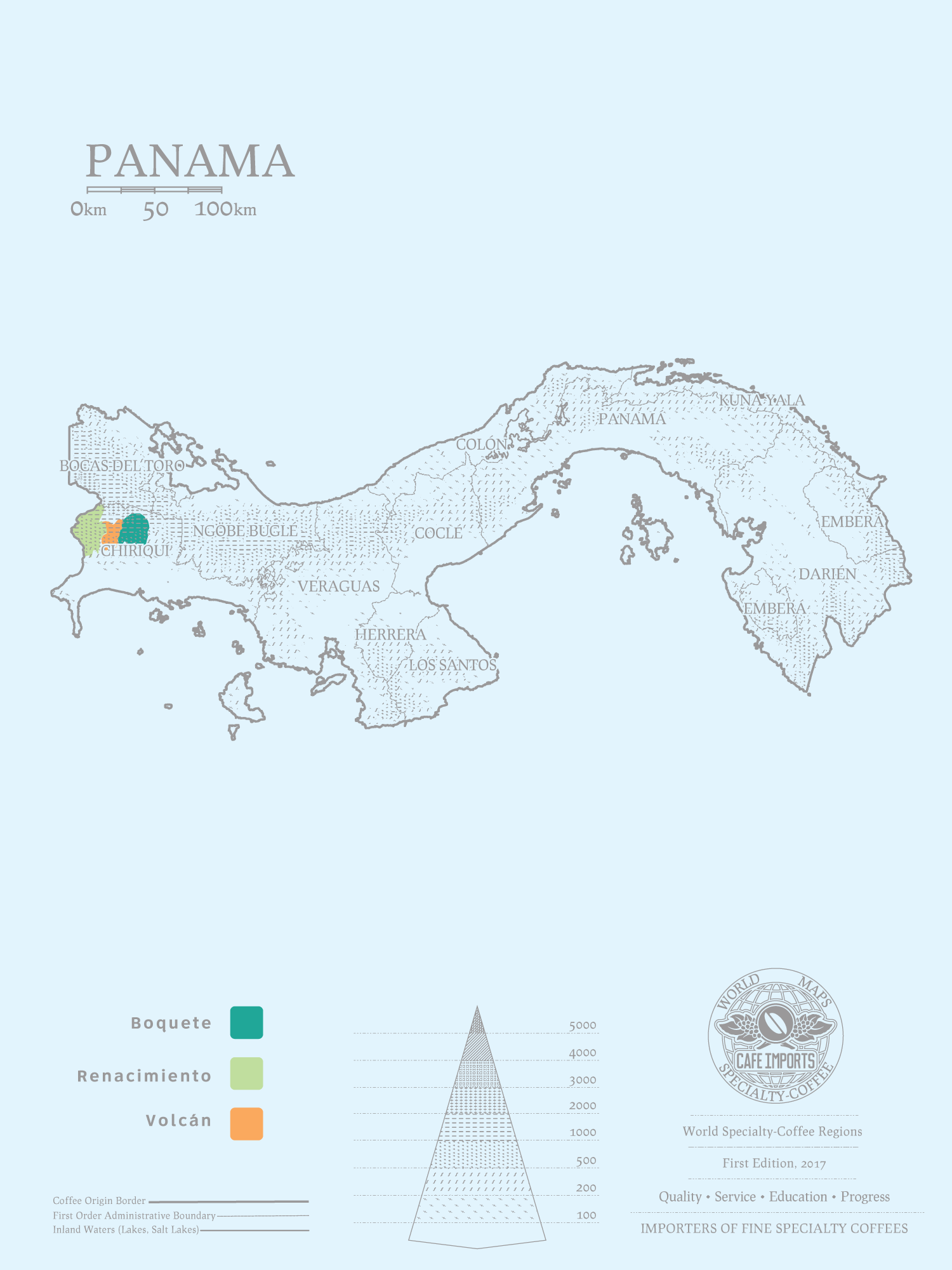
Main producing regions include Boquete, Volcán, Santa Clara, and Candela. Among them, Boquete has high altitude and outstanding quality and is the core producing area for Geisha coffee. Volcán has even higher altitude, resulting in milder and more balanced flavors.
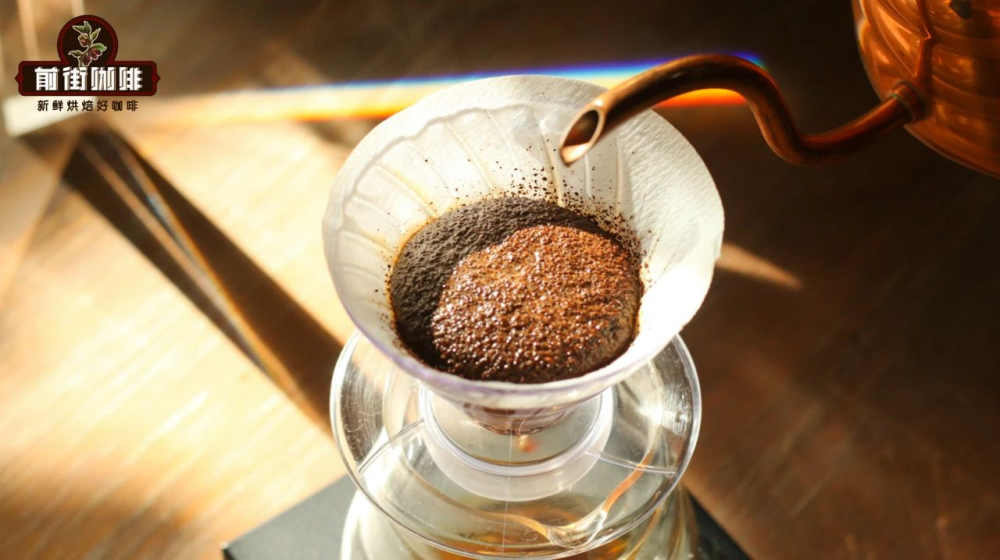
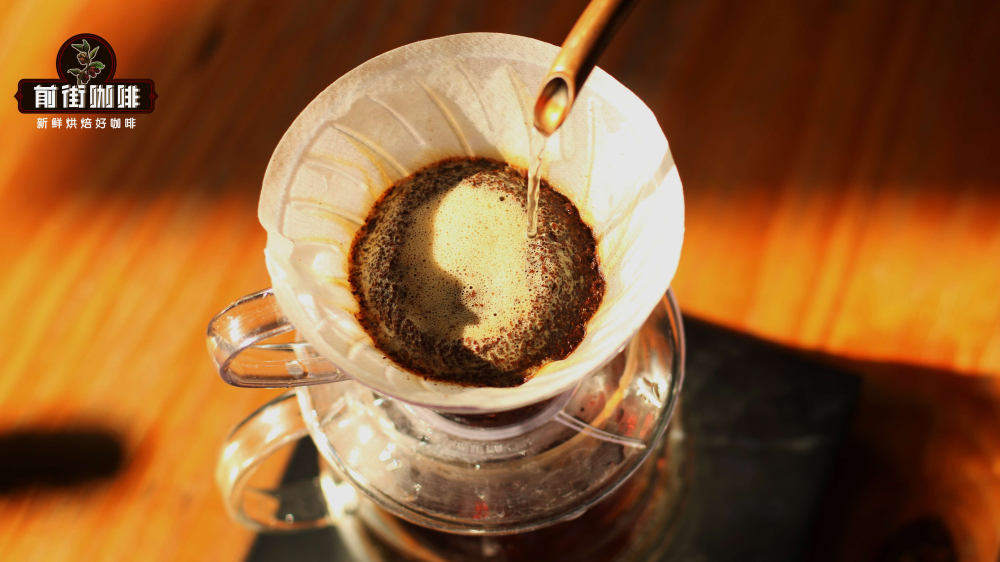
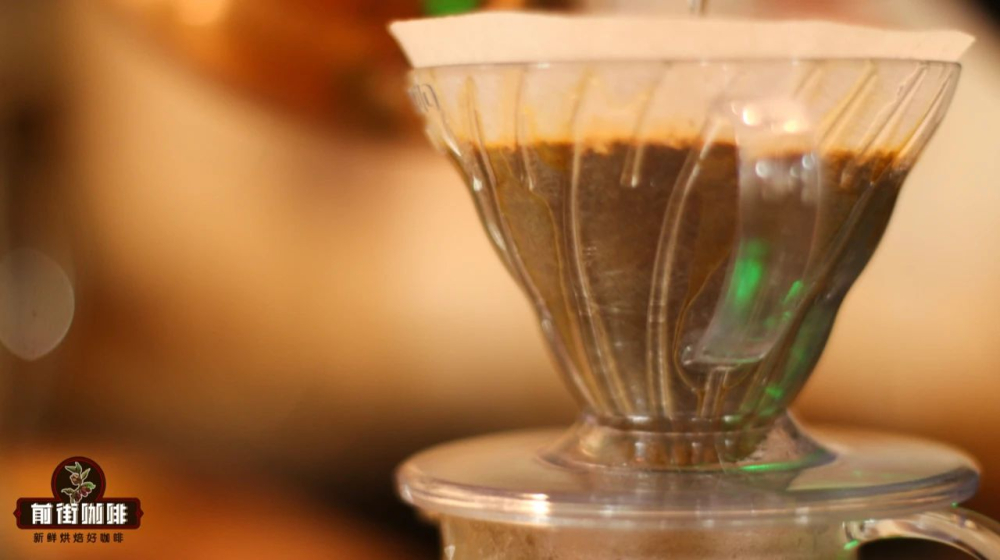
For brewing Geisha-type coffee, it is recommended to use a V60 dripper, medium-fine grind, and a water temperature of around 90°C. Through precise water control, showcase its layers of floral and tropical fruit notes.
4. Costa Rica: Pioneer of Honey Processing, Combining Sweetness and Clean Flavors
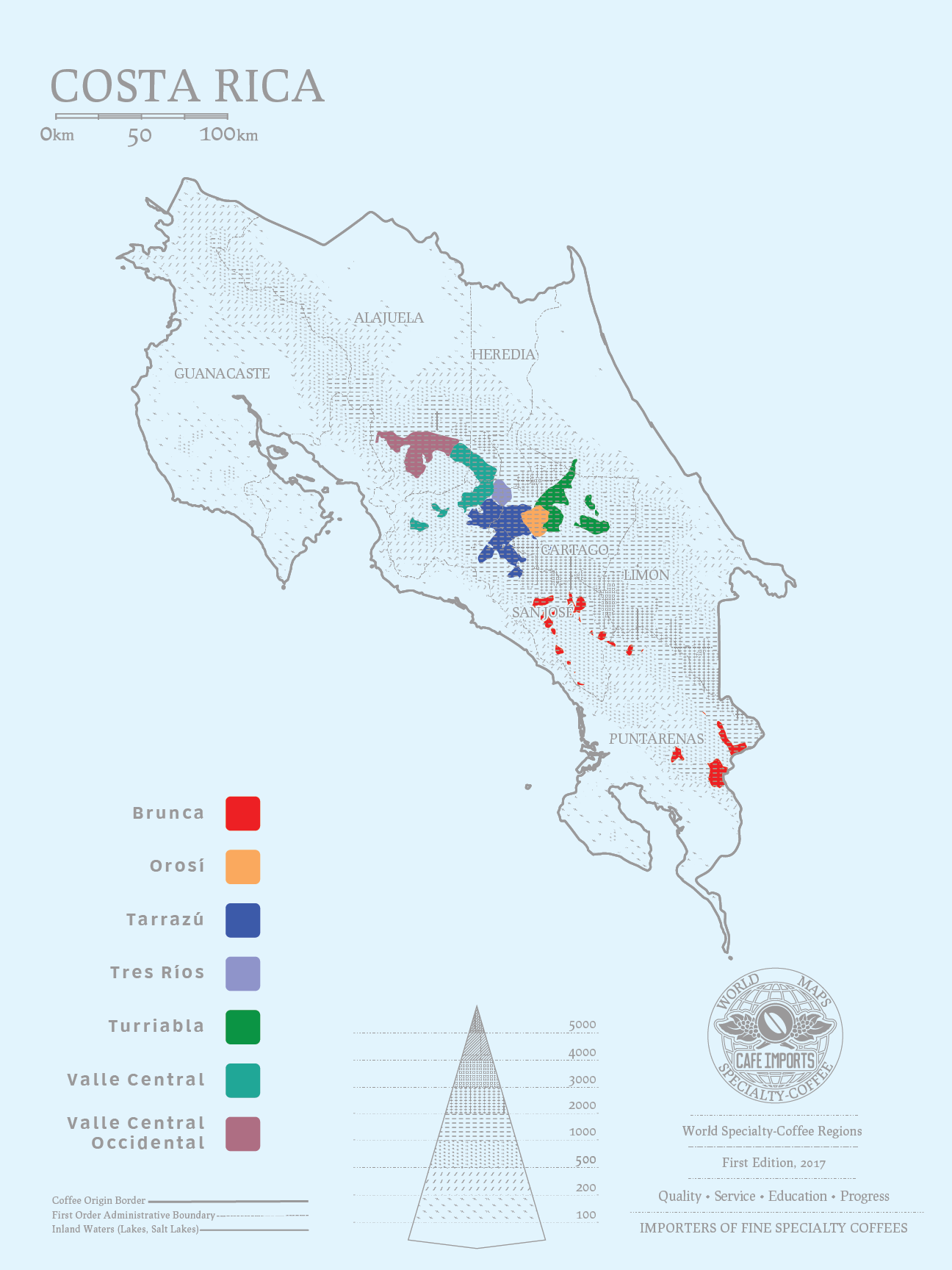
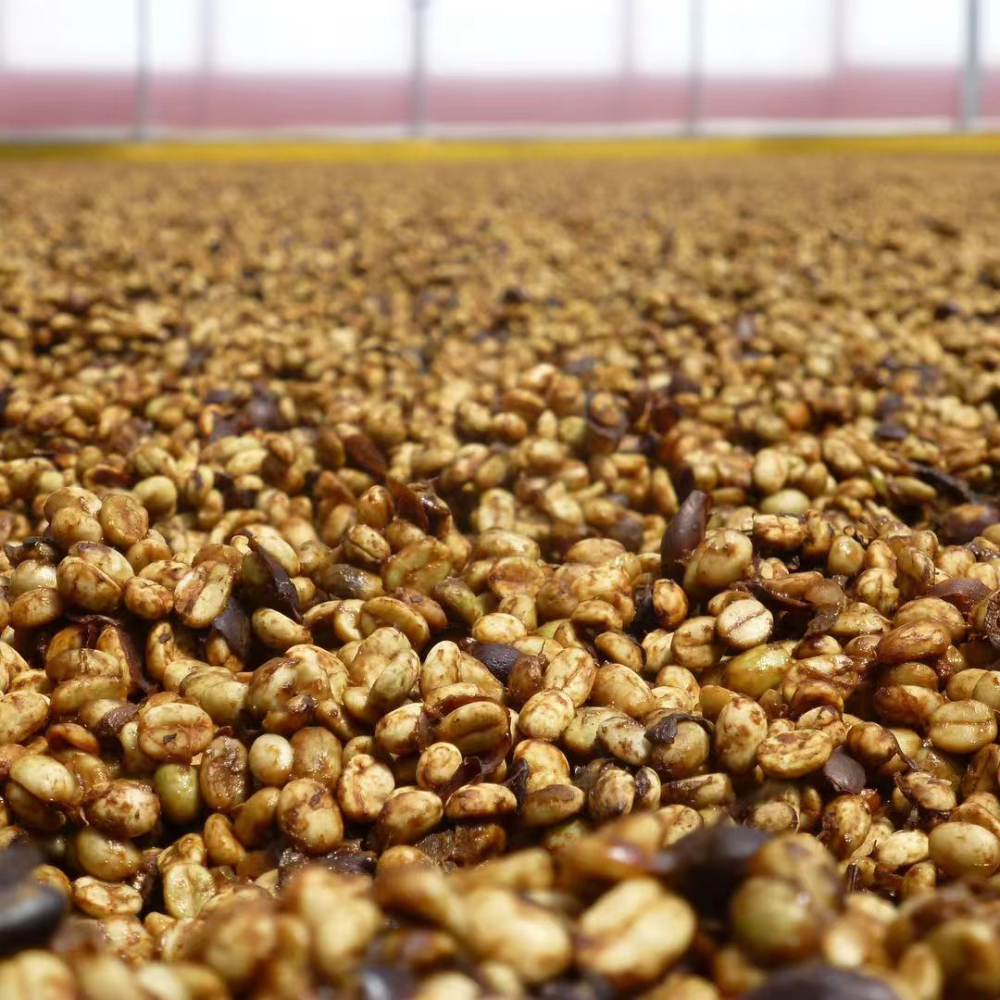
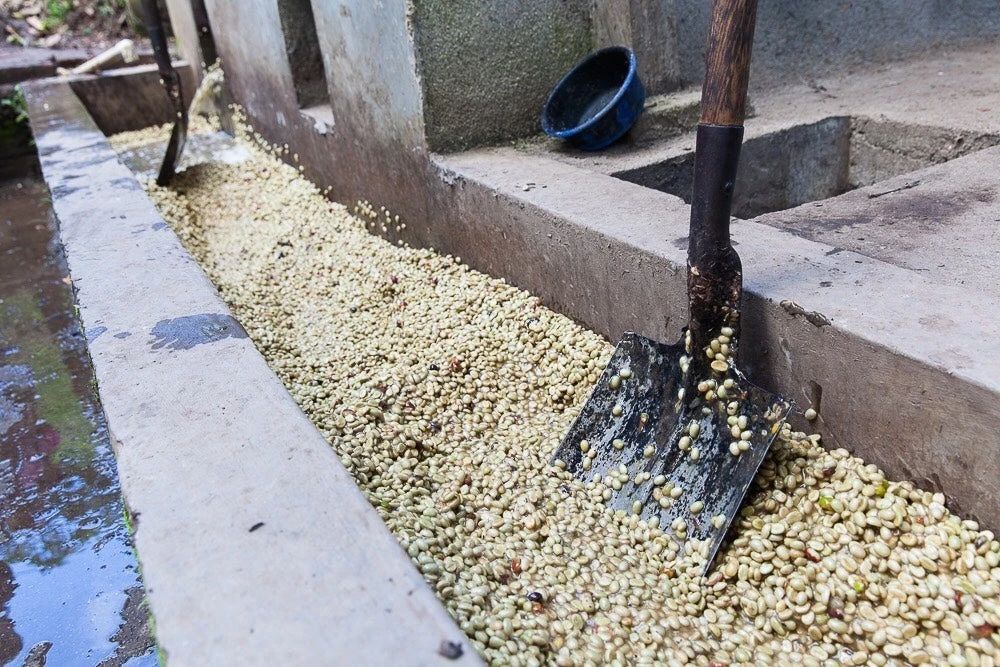
Costa Rica is one of the earliest countries in Central America to cultivate coffee, and by law only Arabica varieties can be grown, with strict quality management. The country's coffee is mainly washed and honey processed. Honey processing retains some mucilage, giving the coffee natural sweetness and body. Depending on the amount of mucilage retained, it is classified as white, yellow, red, or black honey.
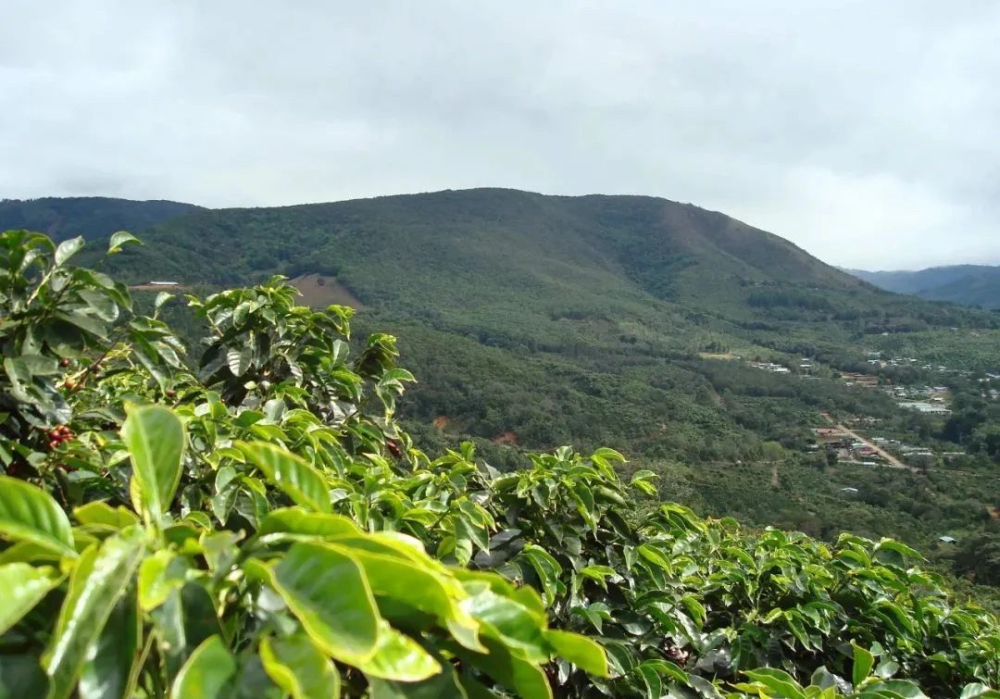
Main producing regions such as Tarrazú, Central Valley, and Tres Ríos are known for high altitudes and fertile volcanic soil. The coffee produced often has nutty, toffee, and floral notes. Tarrazú has particularly high altitude, with tightly structured coffee and balanced flavors.

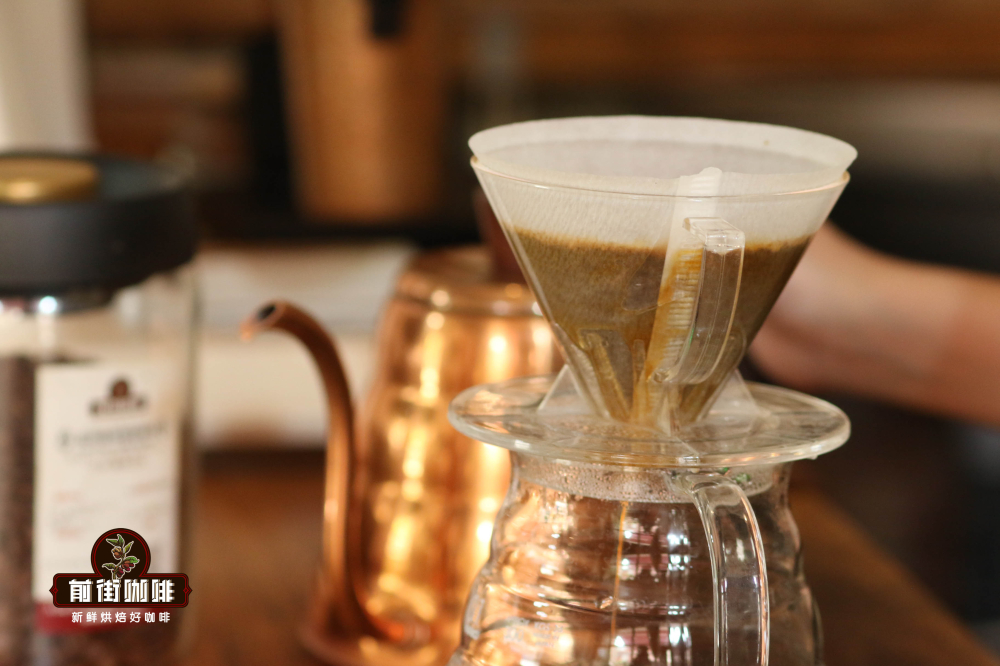
For brewing honey-processed coffee, it is recommended to slightly increase the water temperature to 90°C, use a medium-fine grind, and use staged pouring to bring out sweetness and clean acidity.
5. Honduras: A Rising Star, Sherry Barrel Fermentation Brings Unique Rich Aroma
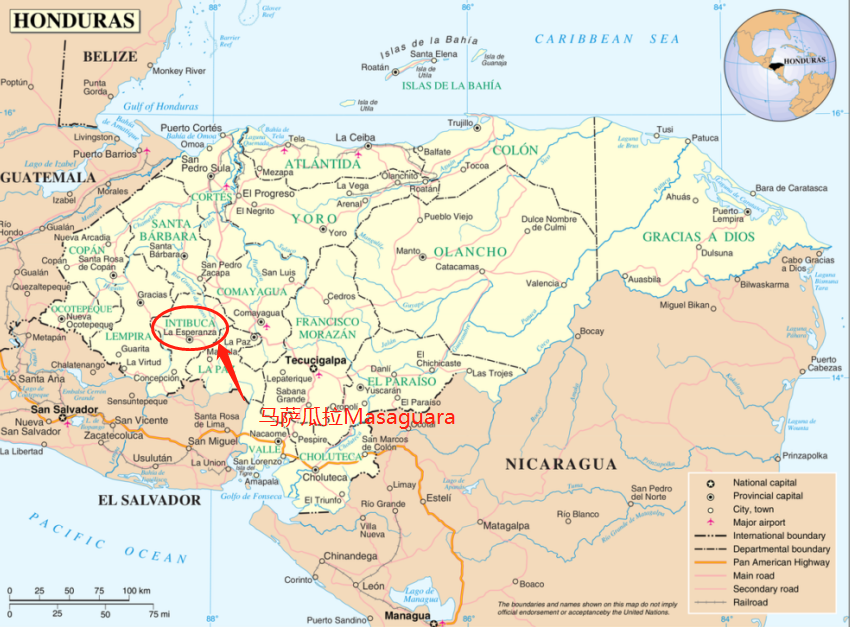
Honduras's coffee industry started relatively late but has risen rapidly with government support and a small-estate model. It is currently the largest coffee producer in Central America. The country's coffee is mainly washed, and the recently emerging barrel-fermented washed method (such as sherry barrels) gives the coffee rich sweetness and full body.
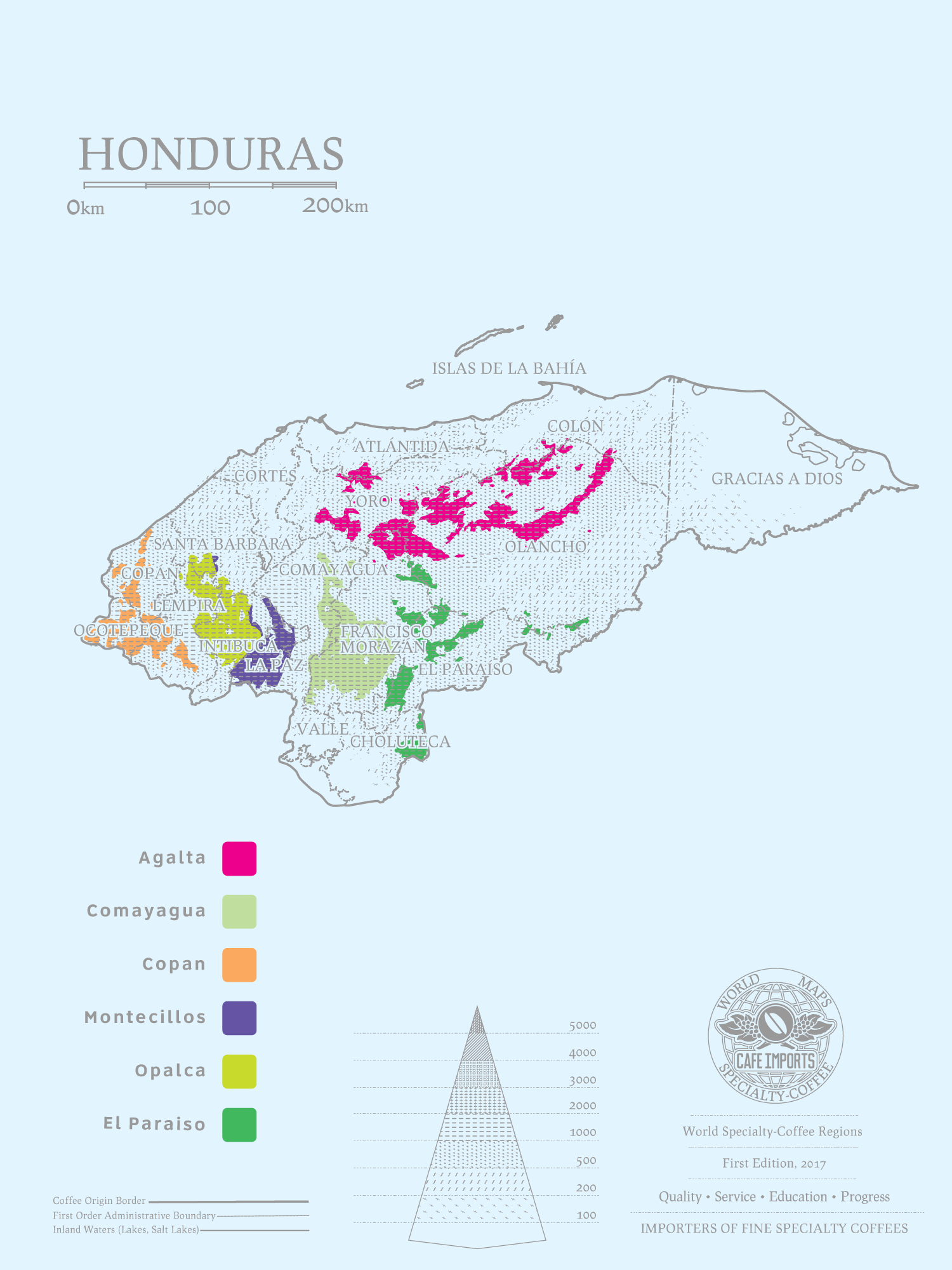
Main producing regions include Montecillos, Copán, and Agalta. Each region shows different flavor tendencies due to differences in altitude and microclimate. Among them, the Sherry coffee beans from the Marcala region are famous for their winey, creamy, and tropical fruit flavors.
For brewing this type of coffee, it is recommended to use a medium-fine grind, a water temperature of 90°C, and staged extraction to balance sweetness and acidity, experiencing its multi-layered flavor changes.
6. Jamaica Blue Mountain: The Aristocrat of Coffee, Perfect Balance of Acidity, Bitterness, and Sweetness
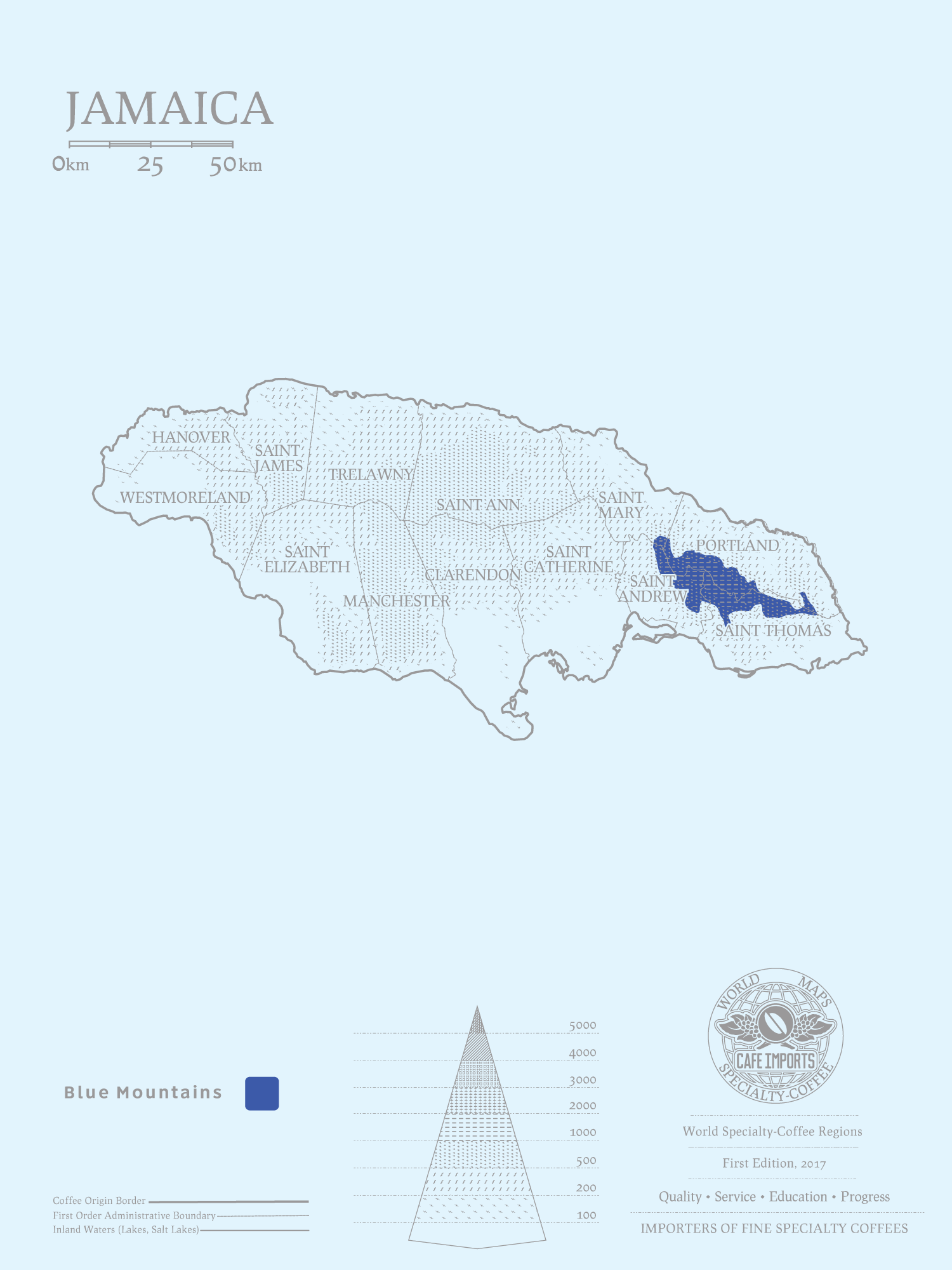
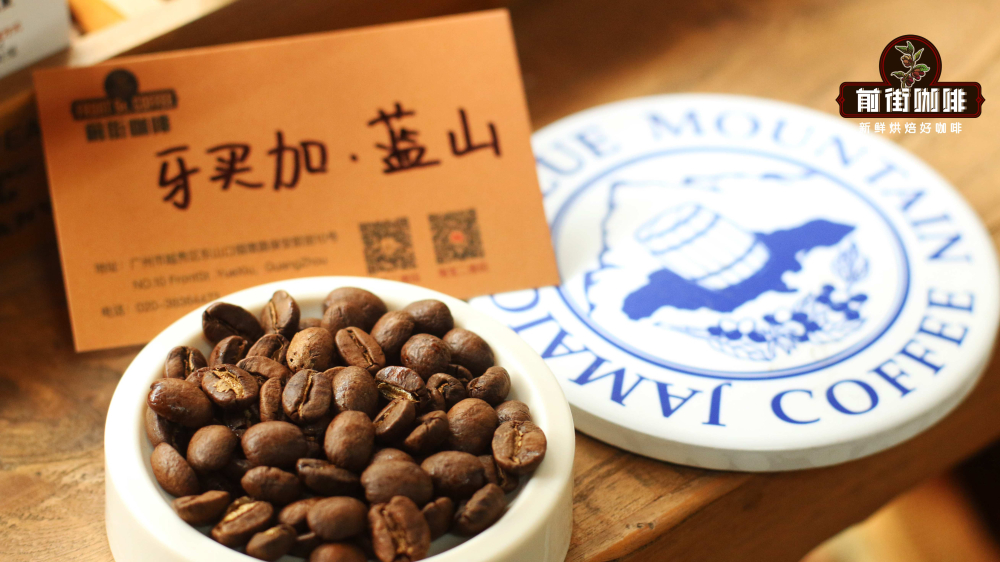
Jamaica Blue Mountain coffee comes from the Blue Mountain Range in the Caribbean, with high altitude, cool climate, and misty conditions. It is one of the most prestigious coffees in the world. Blue Mountain coffee is mainly washed, and in recent years experimental natural versions have also been introduced. Its flavor is balanced, with harmonious acidity, bitterness, and sweetness, hailed as a model of the "perfect fusion of coffee's three tastes."
Blue Mountain coffee is classified by quality into Blue Mountain No. 1, No. 2, No. 3, and PB (peaberry). Among them, Blue Mountain No. 1 is the highest grade, with an extremely low defect rate and the most delicate flavor. The growing area is strictly limited to below 1,700 meters to ensure consistent quality.
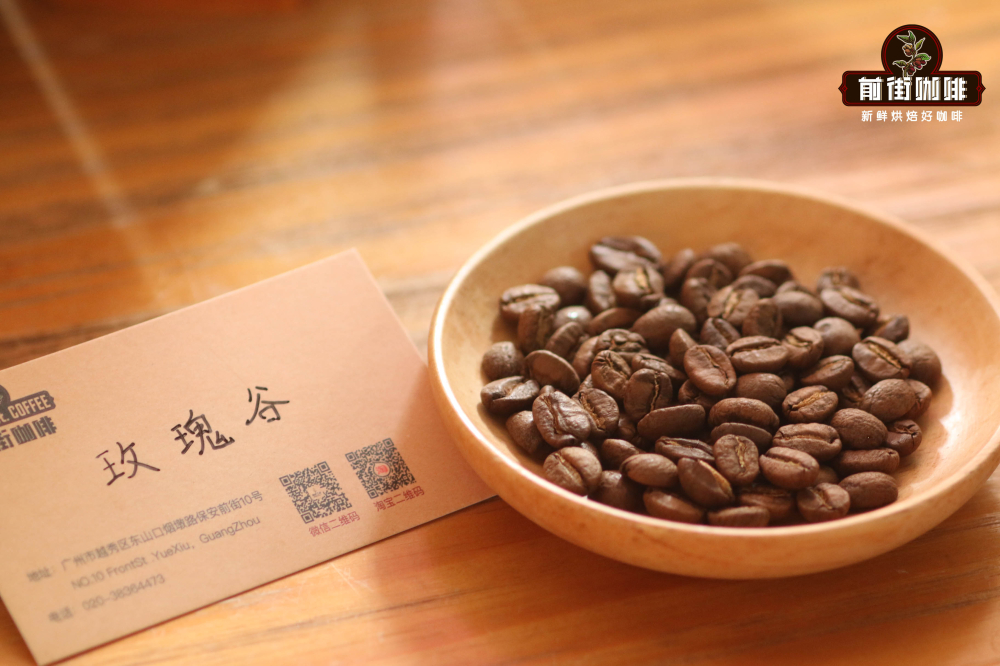
For brewing Blue Mountain coffee, it is recommended to use a medium-fine grind, control the water temperature at 90-92°C, and pour gently to preserve its delicate flavor and full finish.