Latin American Coffee Origins: Flavor Profiles and Growing Guide
Introduction: Latin America is a major coffee-producing region, known for its balanced flavors and high-quality processing. This article takes an in-depth look at the core characteristics of the region's coffee beans, introduces the terroir features of its main producing countries, and reveals misconceptions about grading systems. By comparing flavor differences across regions, it helps coffee lovers choose beans that suit their taste more precisely, and also offers practical pour-over and tasting advice.
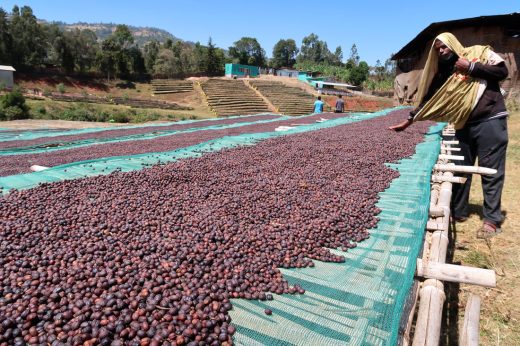
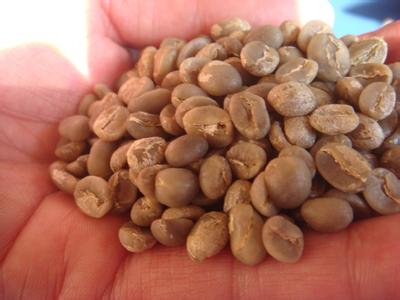
Latin American coffee beans are known for their balanced flavor and can express the various flavor characteristics commonly found in coffee. Coffee from this region is generally wet-processed (washed), and this meticulous processing method not only improves bean quality but also makes the beans larger and more uniform than African coffees, with a significantly lower defect rate.
As the former second-largest coffee producer in the world (now surpassed by Vietnam and ranked third), Colombia is the world's largest supplier of washed beans. For years, Colombian coffee has built a solid reputation on consistent quality, with flavors typically showing balanced sweetness and acidity, full body, and bright acidity. However, many Colombian beans are actually rather ordinary in flavor and lack distinct character. When buying, note that the country grades by bean size (such as Supremo and Excelso), but bean size is not directly related to flavor quality. The key factor that truly affects the cup is growing altitude—coffee from high-altitude regions usually has brighter acidity and more pronounced sweetness.
For coffee lovers, comparative tasting is recommended to explore flavor differences. For example, Colombia beans can be tasted alongside a Gold Coast blend (a blend based mainly on Brazilian beans): the former emphasizes a balanced, harmonious integration of flavors, while the latter shows richer aromatic layers. It is also important to understand the typical characteristics of different origins: Indonesian coffee from Java usually has pronounced bitterness, weak aroma, and almost no acidity, while Brazilian beans, a common base for blends, contribute a low-acid, full-bodied foundation.
Pro tip: When brewing Latin American coffee as pour-over, use a medium-fine grind (similar to granulated sugar), keep the water temperature at 90-93°C, and use staged extraction (for example, 30 g of grounds extracted with 500 ml of water, total time 2 minutes 30 seconds to 3 minutes). These parameters better highlight the clean acidity and nutty notes of coffee from this region. If you prefer a fuller body, you can appropriately extend the extraction time or increase the coffee-to-water ratio.