Washed vs Natural Coffee Processing: Pros, Cons, and Top Origins
Introduction: From process principles to flavor differences, a full breakdown of the core processing steps for washed and natural coffee beans. We detail the practical specifics of 8 key steps, compare how the two processes shape coffee acidity, sweetness and body, and include quality washed-bean examples from five classic origins worldwide to help you choose beans precisely according to your brewing preferences.
The washed process (Wet Process) was developed in the 18th century in the Netherlands, initially to address the difficulty of sun-drying in high-humidity regions. Although its workflow is far more complex than the natural method, it has become one of the mainstream processing methods in coffee-growing regions worldwide because it effectively controls quality consistency. The core difference: the washed method uses microbial fermentation to precisely strip the pectin layer rather than relying on natural sun drying.
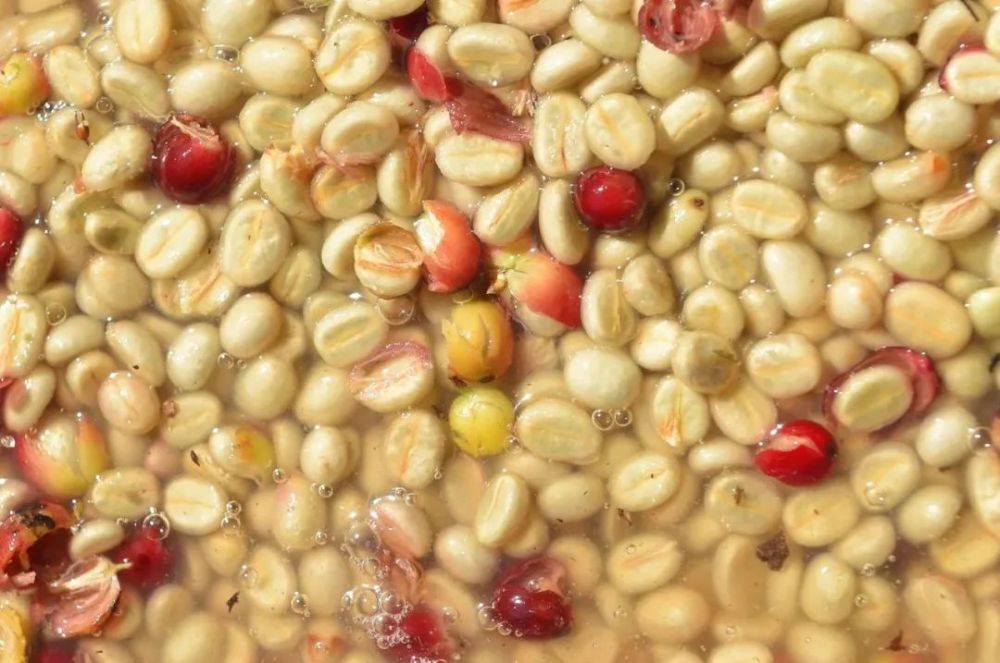
The complete washed process includes 8 key steps: first, fully ripe red coffee cherries are picked (when sugar accumulation peaks); after manual or machine initial sorting to remove unripe fruit, twigs and other debris, floatation is used to separate defective beans of insufficient density (healthy beans sink because of their higher density). Then comes the core stage: a pulper removes the outer skin and pulp, exposing the coffee seeds wrapped in the silver skin.
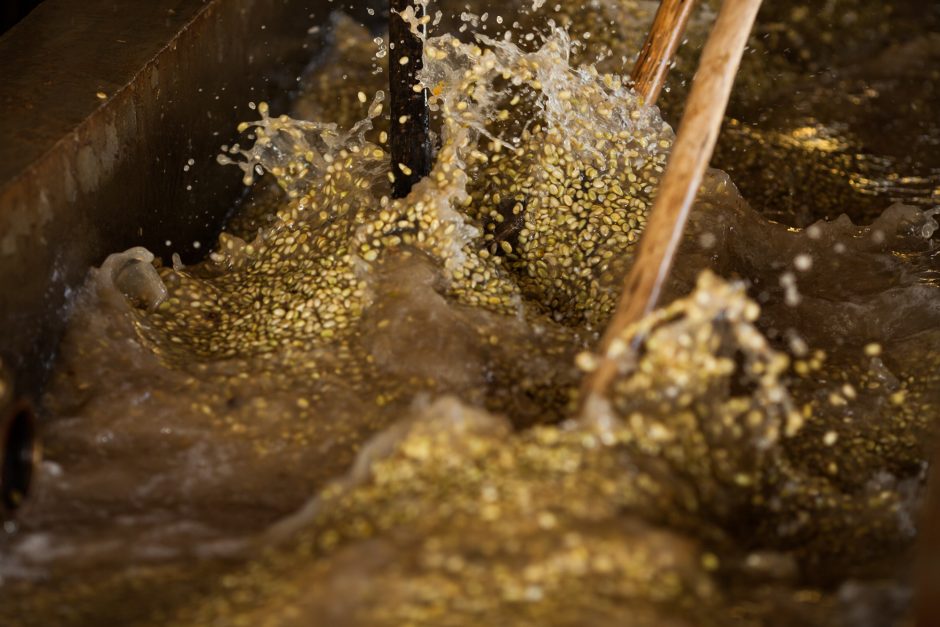
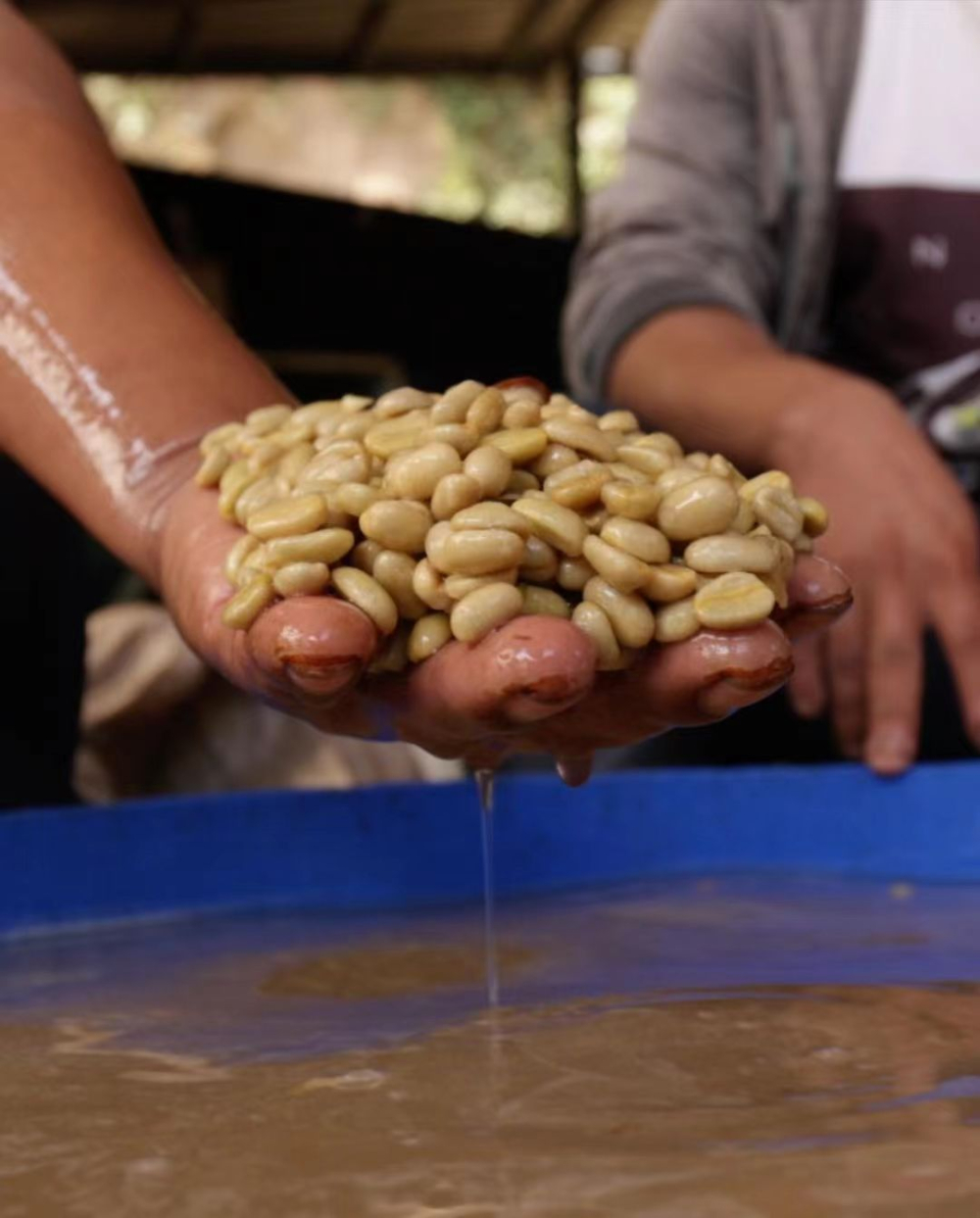
The next step is fermentation to remove pectin: the seeds with mucilage attached are sent into fermentation tanks, where microorganisms such as lactic acid bacteria break down the pectin layer (usually 12-36 hours; the exact duration depends on ambient temperature: fermentation is faster in hot regions, but the risk of over-fermentation must be watched). After fermentation, the beans must be thoroughly rinsed with running water to remove residual microbes and pectin fragments (this step accounts for more than 70% of the water used in the whole process, and is also the main source of the washed method's environmental controversy), while buoyancy is used once more to screen out abnormal beans.
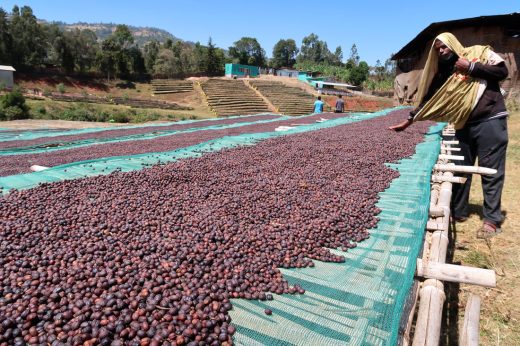
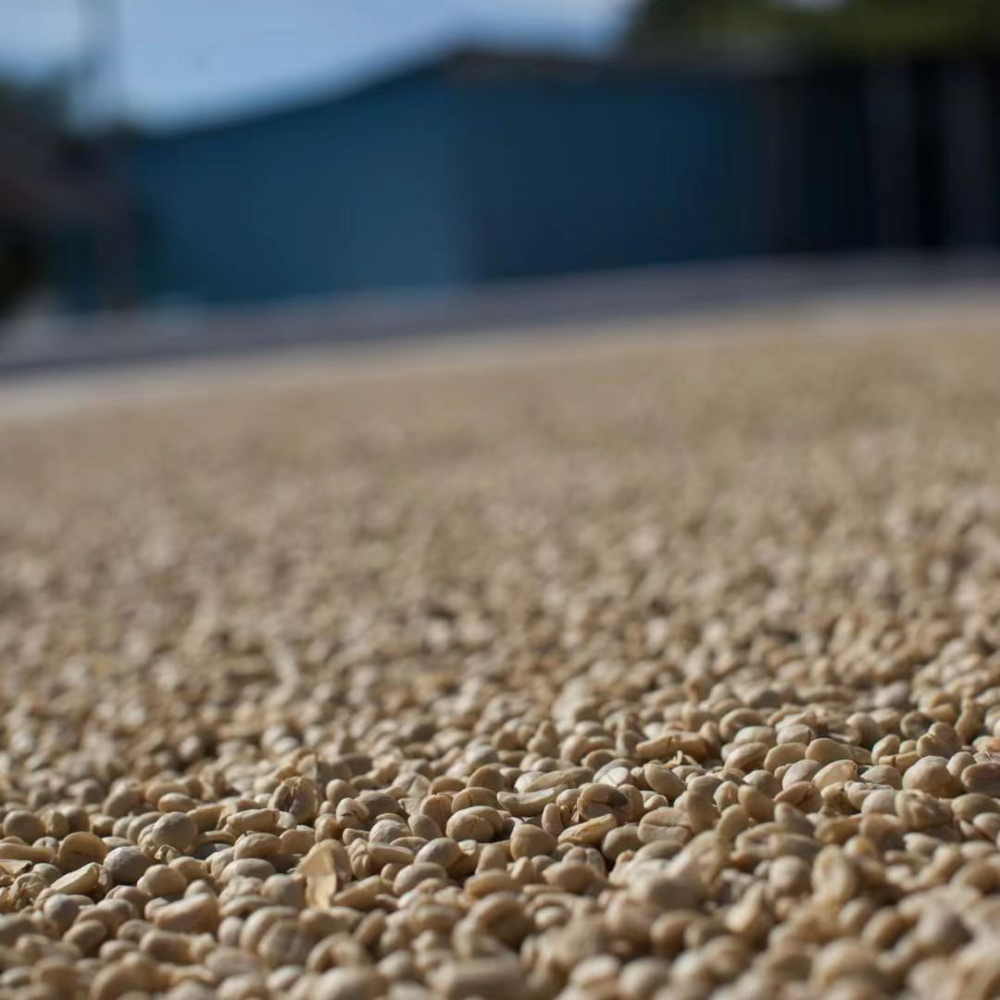
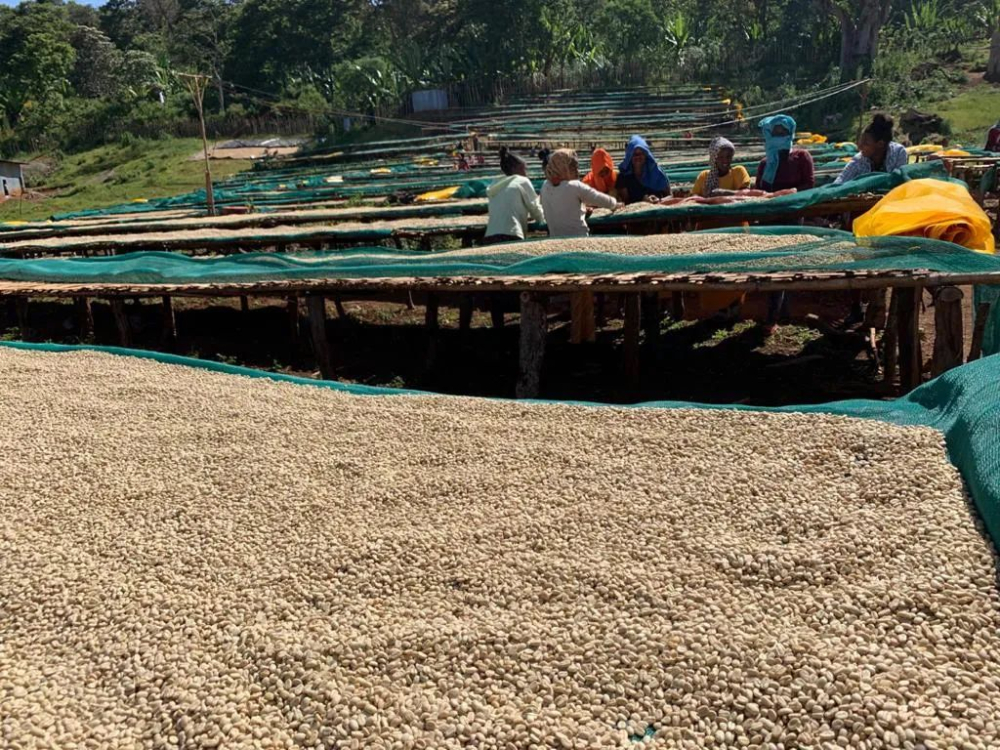
The washed beans must then be dried to a safe moisture content of 10%-14% (too high easily leads to mold; too low makes subsequent hulling difficult). Traditional methods use African raised beds or concrete patios for sun drying (requiring daily turning and avoiding direct midday sun), while modern processing plants mostly use mechanical dryers with precise temperature control (usually maintained at 35-45°C). Finally, a huller removes the parchment and silver skin to complete standardized green coffee processing, after which the beans enter storage and transport. The whole process has relatively high requirements for hygiene conditions and equipment precision, and small and medium-sized farms often face technical barriers.
The advantages of the washed method are obvious: extremely low impurity content (through repeated water washing and screening), clean, unbroken bean surfaces, and fermentation carried out in closed tanks greatly reducing the probability of mold, so the final flavor stability is outstanding. But the drawbacks are equally clear: water consumption can reach 150-200 liters per kilogram of green coffee (some improved processes can reduce this to below 50 liters), and equipment investment and energy consumption far exceed the natural method, leading to higher production costs and making it difficult to promote in water-scarce regions.
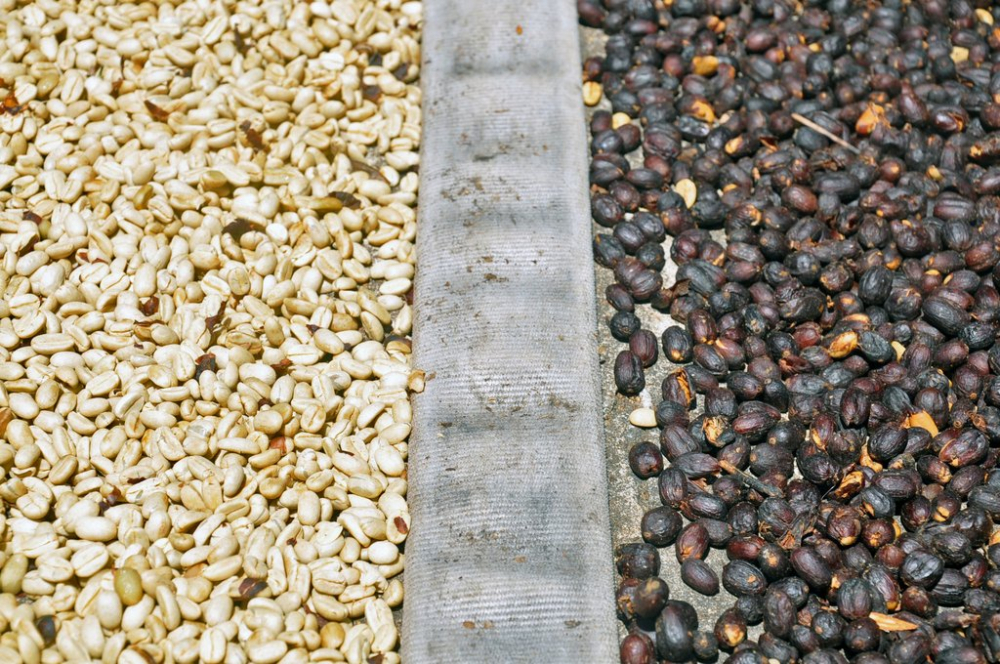
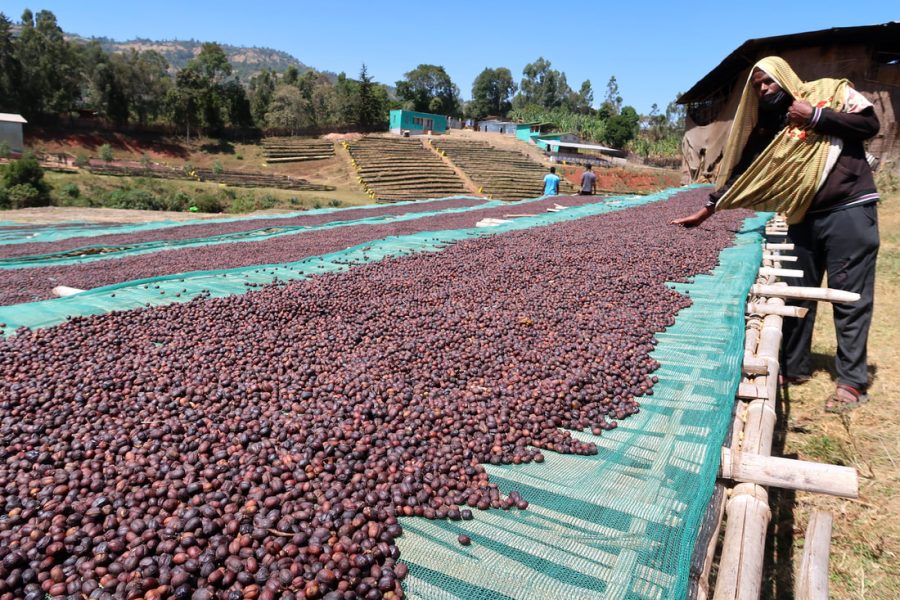
In sharp contrast to the washed method is the older natural process. Natural beans are usually picked slightly later (allowing the fruit to turn purple and black) and spread directly on concrete patios or raised beds to sun-dry for several weeks until the moisture content reaches the target (requiring manual turning to prevent clumping). This “drying with the fruit” allows the coffee seeds to fully absorb the sugars and aromatic substances in the pulp, ultimately producing a richer fermented wine aroma, complex layers and a full body, but with uneven appearance (mottled light and dark), a higher defect rate (about 15%-20%), and strong dependence on the weather.
In terms of flavor, washed beans stand out for the fresh acidity—citric acid, malic acid and others—produced by fermentation, often with the bright character of citrus fruits and a clean, crisp mouthfeel like “filtered mountain spring water”; natural beans feature caramel sweetness, berry-jam aroma and a wine-chocolate finish, with higher body but a slightly muddled aftertaste (high-quality naturals require strict screening of fruit ripeness). For pour-over enthusiasts seeking clear acidity and floral-fruity character, washed beans are the safer choice; for espresso or French press users who prefer intense sweetness, natural beans better meet the need.
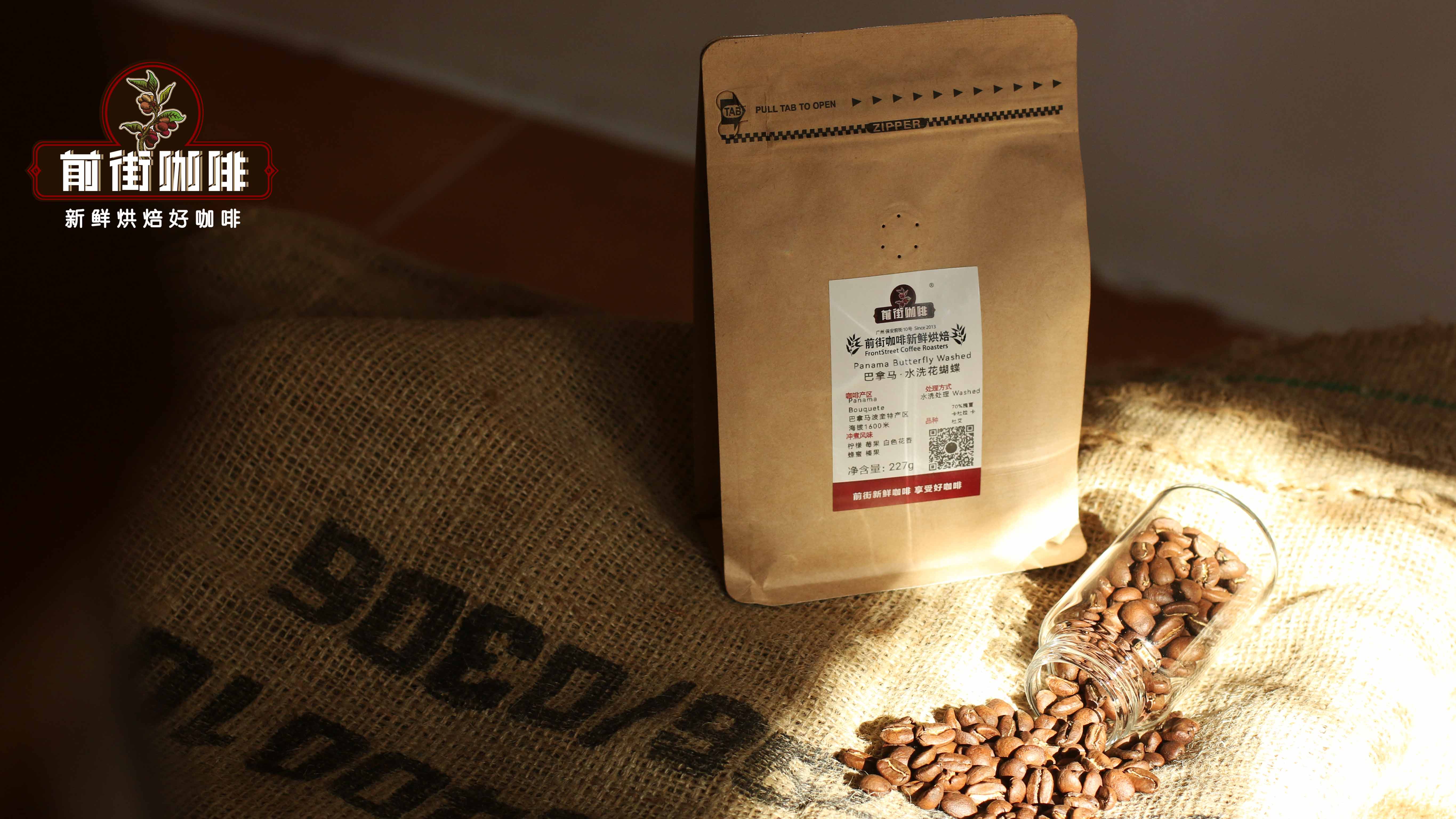
Worldwide, washed beans from several classic origins are highly regarded for their unique terroir: washed beans from Ethiopia's Yirgacheffe region (2,000-2,100 m elevation) are renowned for citrus, jasmine and tea notes, with heirloom genetics giving them light acidity and a silky touch; the high-elevation plots of Boquete, Panama (around 1,600 m) produce washed Geisha hybrid beans combining berry liveliness with delicate florals; SL28/SL34 varieties from Kenya's Thika region, through 72-hour extended washed fermentation, develop a fresh acidity reminiscent of cherry tomatoes and a yellow-sugar sweetness; washed Red Bourbon from Rwanda's Nyaruguru balances malic acid with a black-tea finish; and Jamaica Blue Mountain No. 1 (1,310 m elevation), a benchmark of the washed method, presents a perfect harmony of nuts, cream and caramel, with sour, sweet, bitter and umami in balance.