Starbucks Decaf Guide: Can Pregnant Women Drink It? Caffeine Content Explained
Introduction: Pregnant women or people sensitive to caffeine often struggle with whether they can drink coffee, and Starbucks decaf has become a choice for many. But does decaf really contain no caffeine? How much caffeine does a cup of Starbucks decaf actually contain? Using measured data, this article analyzes the difference in caffeine content between Starbucks regular coffee and decaf, and offers advice for pregnant women, so you can safely enjoy coffee's flavor.
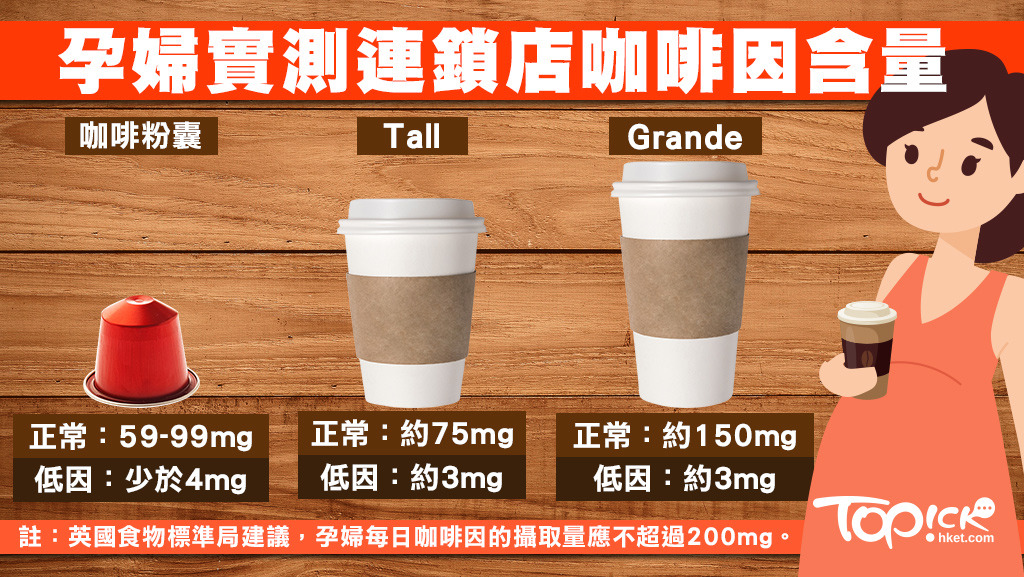
Many coffee lovers are used to a daily cup to perk up, but pregnant women or those sensitive to caffeine often need to limit their intake. One expectant mother shared that she originally relied on coffee every day; after learning she needed to cut back, she tried switching to decaf, only to find the information on the market confusing and hard to verify. By consulting coffee chains directly, she compiled key data—information that is very useful for consumers facing the same dilemma.
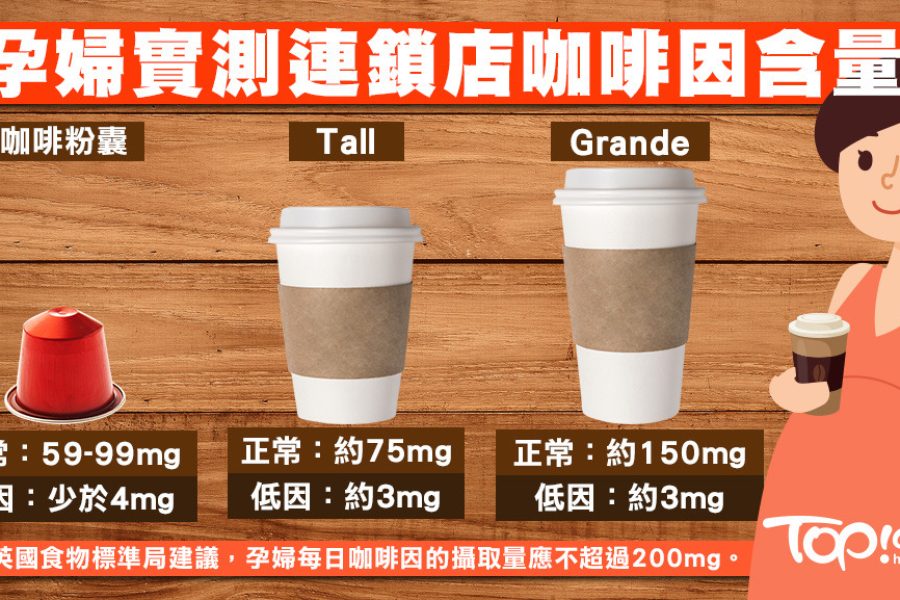
Take Starbucks as an example: a single shot of its regular espresso contains about 75 mg of caffeine. When ordering, pay attention to cup size: a Tall latte or cappuccino usually contains 1 shot of espresso (about 75 mg), while a Grande or larger usually contains 2 shots (about 150 mg). If you choose a whole-bean brewed coffee such as Starbucks "Daily Selection," the caffeine content in a Tall cup can reach 195-270 mg, close to the peak of the recommended daily limit for pregnant women (200 mg).
Decaf coffee's caffeine content is a different story. Each serving of Starbucks decaf contains only about 3 mg of caffeine, far lower than regular coffee. This means that even if pregnant women or sensitive people drink it, their intake is extremely low. Note, however, that "decaf" is not "caffeine-free"; some highly caffeine-sensitive people may still feel slight effects.
Data on other brands: among Nespresso's more than 20 coffee capsules, regular varieties contain about 59-99 mg of caffeine per capsule (the special Kazaar variety reaches as high as 142 mg), while its 4 decaf capsules each contain no more than 4 mg, making a single cup relatively safe. Another brand, Pacific, did not provide detailed data in time but said it will update its report later; consumers can follow its official channels for the latest information.
Buying advice: pregnant women or those sensitive to caffeine should prioritize Starbucks decaf, where the 3 mg per serving is easier to control; if drinking regular coffee, use a Tall cup (single shot) as the baseline and avoid larger sizes that stack multiple shots. In addition, decaf coffee's flavor may be slightly weaker; you can enhance the flavor layers by adjusting the grind (medium-fine recommended) or extending the extraction time (about 25-30 seconds).