Caffeine content compared: pour-over vs espresso
Introduction: Caffeine is the key component that makes coffee stimulating, but caffeine content varies significantly across different coffee drinks. Starting from coffee bean varieties and brewing methods, this article analyzes in detail the actual caffeine content data of common coffee types such as espresso, pour-over, French press and cold brew, and offers practical buying advice to help you find the most suitable stimulating coffee for your needs.
Coffee was originally used to help people stay alert and clear-headed. Whether it is a quick takeaway espresso, the Americano drip coffee common in offices, or a carefully brewed single-origin pour-over, all serve this function. However, consumers choose different types of coffee drinks based on drinking occasions, taste preferences or functional needs.
So here is the question: faced with a dazzling array of coffee types, which one is actually the most effective at keeping you awake? The answer is in fact directly related to caffeine content.

The reason coffee keeps you awake lies in its caffeine content. In the waking state, adenosine gradually accumulates in the body, and when its concentration rises to a certain level, it sends fatigue signals to the brain. The magic of caffeine is that it binds to adenosine receptors in the brain first, thereby blocking the transmission path of this "fatigue reminder." The result is that although the body may already be tired, the brain does not receive the corresponding signal, so you feel energized and more efficient (in plain terms, caffeine temporarily "tricks" the brain).
Therefore, for a stronger stimulating effect, prioritize coffee drinks with higher caffeine content. The actual caffeine level is mainly affected by two factors: the varietal characteristics of the coffee beans themselves and the specific brewing method. Next we will analyze these one by one.

First, coffee bean varieties. The mainstream coffee beans on the market fall into two major categories: Robusta and Arabica. In terms of caffeine content, Robusta is noticeably higher, usually accounting for 2%–4% of the bean's weight, mostly around 3%; while Arabica, despite being subdivided into many specialty coffee varieties, generally has a caffeine ratio of 0.9%–1.4%, mostly around 1.2%.
In other words, if you want high caffeine intake, Robusta is the better choice; if you want to control your caffeine intake, Arabica beans are more suitable. In addition, there is so-called "naturally low-caffeine coffee" on the market; these still belong to the Arabica species, but their caffeine content is about half that of regular Arabica (about 0.6%), which is still high for people sensitive to caffeine. If you want to avoid caffeine entirely, choose artificially decaffeinated coffee beans, which contain almost no caffeine.

Besides the beans themselves, the brewing method also significantly affects the final caffeine content. Usually, the caffeine content label on beverage packaging is expressed as "Xmg/100ml", which is a concentration figure based on the total volume of the drink. But from a barista's professional perspective, a more reasonable way to measure is based on "the amount of coffee grounds actually used per cup." For example, whether making a latte, Americano or cappuccino, as long as the same amount of espresso base is used, their total caffeine content is the same.
For example: if 1 shot of espresso is added to 200ml and 300ml of water respectively, calculated by "Xmg/100ml", the 200ml cup indeed has a higher caffeine concentration; but as long as you drink both cups entirely, the total caffeine actually consumed is exactly the same.
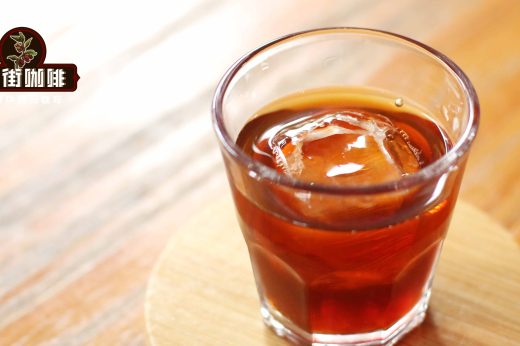
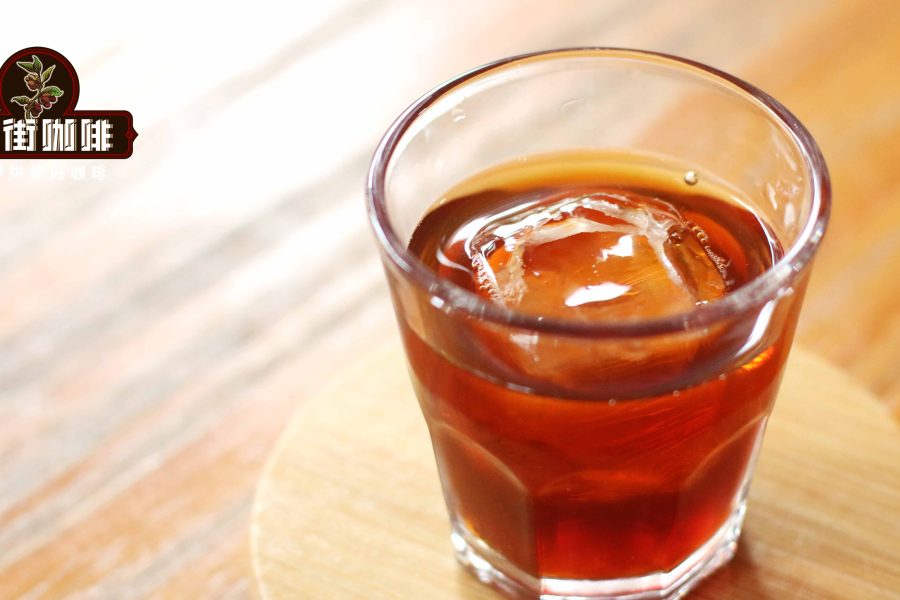
In addition, the amount of caffeine released is also closely related to extraction time. Under the same high-temperature extraction conditions, the longer the extraction time, the more caffeine is dissolved. Therefore, espresso drinks that appear "highly concentrated" may not actually have the highest caffeine content. In contrast, drip-style coffee such as pour-over, and immersion coffee made with a French press, usually release more caffeine. And although cold brew and ice-drip coffee use low-temperature extraction, due to the extremely long extraction time (usually tens of minutes to several hours), their caffeine content is often even higher.

The following are reference caffeine content figures for common coffee drinks (note: all beans are Arabica; cold brew and ice-drip coffee data are based on 8 hours for ice-drip and 12 hours for cold brew):
• Espresso (20g grounds/40g coffee liquid): about 100mg;
• Latte, Americano, cappuccino, etc. (using the same espresso base): comparable to espresso;
• Pour-over coffee (15g grounds/195ml coffee liquid): about 90mg;
• Pour-over coffee (20g grounds/260ml coffee liquid): about 120mg;
• French press (20g grounds/4-minute extraction): about 135mg;
• Ice-drip coffee (20g grounds/200ml coffee liquid, 8 hours): about 135mg;
• Cold brew coffee (20g grounds/200ml coffee liquid, 12 hours): about 140mg;
• Drip bag coffee (10g grounds/120ml coffee liquid): about 50mg;
• Instant coffee (single sachet): about 50mg.



In summary, if the goal is quick stimulation, choose cold brew, ice-drip or French press coffee, which have higher caffeine content; if you prefer mild daily intake, pour-over or regular espresso is more suitable; while drip bag and instant coffee have relatively lower caffeine content, suitable for scenarios where you are sensitive to caffeine or only need mild stimulation. Understanding these differences can help you choose coffee drinks more scientifically according to your own needs.