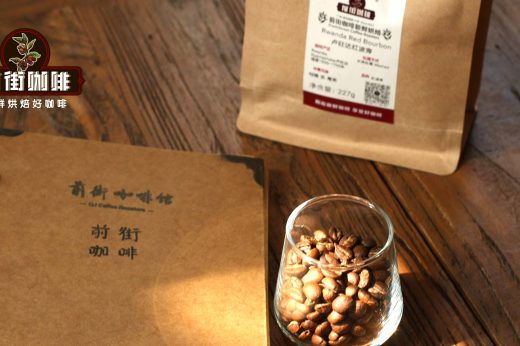
Rwanda Washed Bourbon Coffee: Grading and Flavor Guide to Specialty Beans
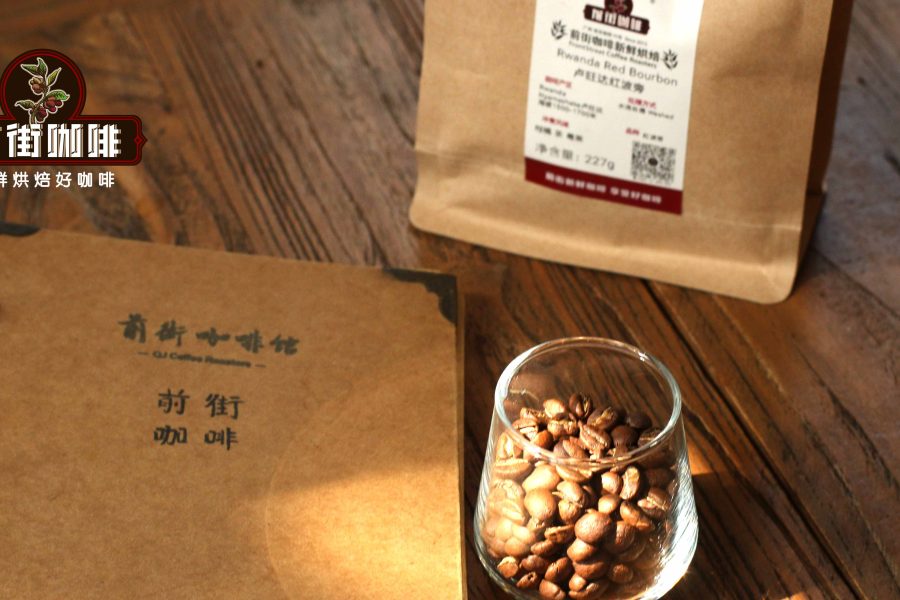
Introduction: A deep dive into the origin, grading standards, and distinctive flavor profile of Rwandan washed Red Bourbon coffee beans. From altitude and variety to processing, this article explains the screening logic for AA-grade specialty beans, with flavor-wheel descriptors and suggested brewing parameters to help you choose quality African beans with precision.
Rwanda is a landlocked country in east-central Africa, surrounded by Burundi, Tanzania, Uganda, and the Congo, with volcanoes and lakes throughout its territory; it is known as the "Land of a Thousand Hills."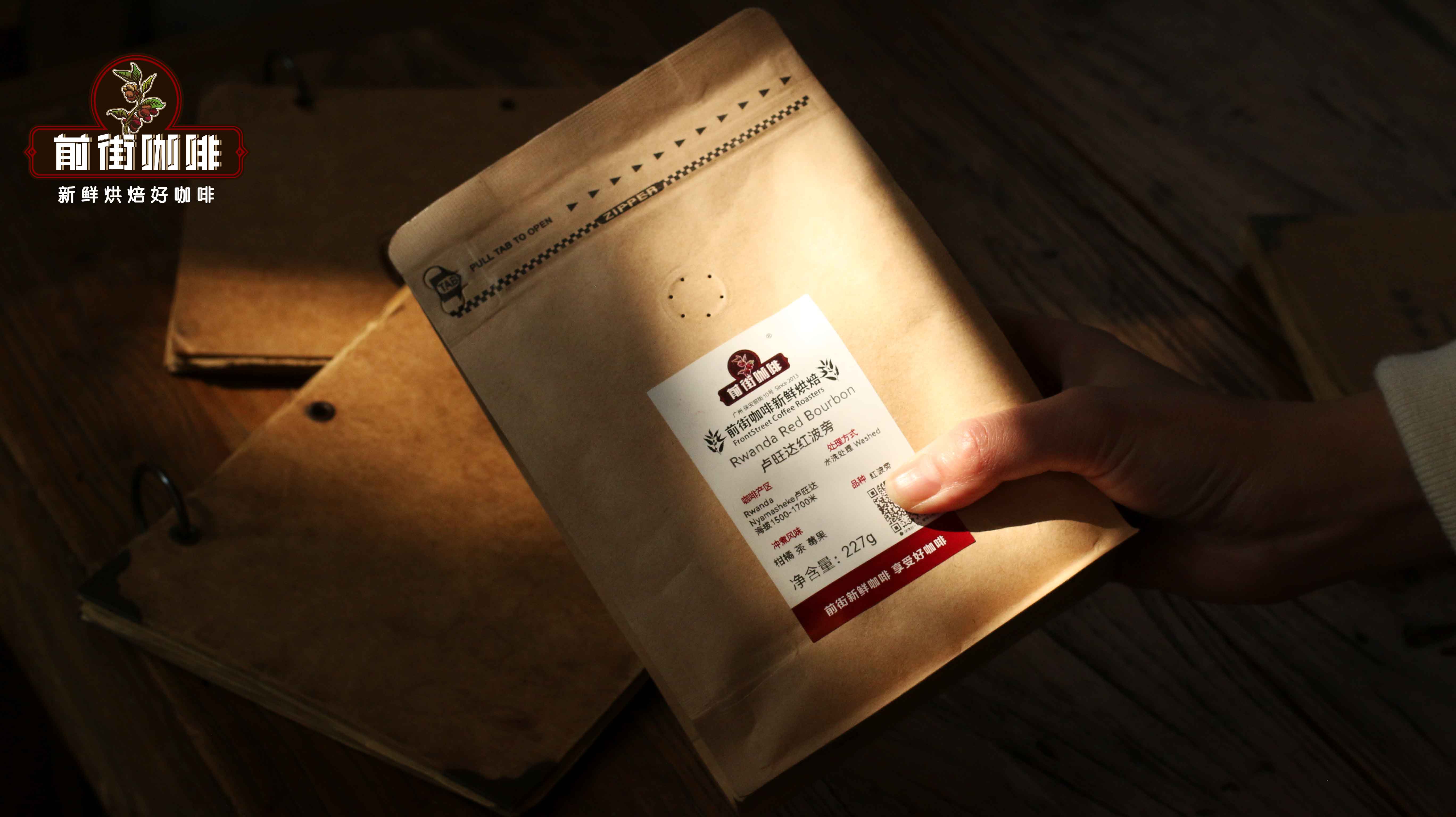 This country, which was under German and Belgian colonial rule in the 20th century, first had coffee cultivation introduced by missionaries. Although production increased during the colonial period, coffee quality was long constrained by labor exploitation and export restrictions.
After independence, the official coffee organization OCIR promoted the industry's recovery, and production reached a historic peak in 1986, until political turmoil in the 1990s interrupted development. Today Rwanda is mainly an agricultural and pastoral country, with nearly 90% of the population working in related industries, and 1 in every 30 people involved in the coffee supply chain.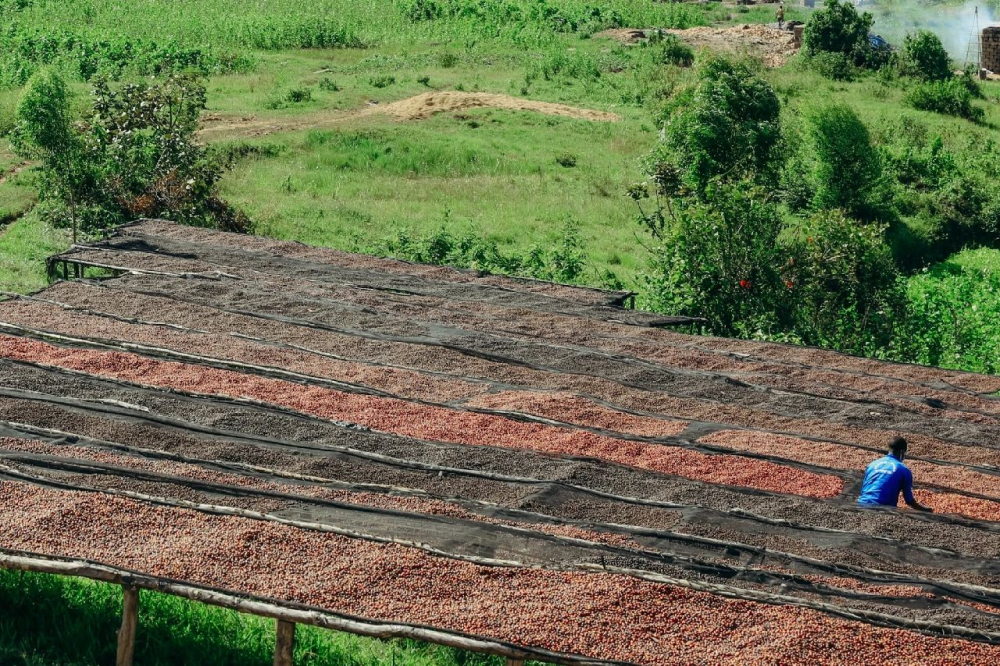
The country's main coffee-producing areas are concentrated on the southwestern highlands, such as the Nyamasheke region at 1,500–1,700 meters. Significant day-night temperature differences here, combined with the rich minerals of volcanic soil, provide ideal growing conditions for the Red Bourbon variety. Washed-process beans have high density and can effectively highlight bright acidity and floral-fruity notes.
Rwanda's specialty coffee grades are strictly classified by screen size and defect rate: Grade AA (18 screen and above), the highest grade, requires full and uniform beans and usually carries more prominent berry and stone-fruit flavors; Grade SC (15 screen+ with a defect rate ≤5%) requires careful manual sorting and is a common choice for pour-over enthusiasts; Grade TT (13–14 screen) may contain a small number of high-defect beans and offers strong value; Grade T (<12 screen) and the broken-bean grade STL are mostly used for commercial blends.
The washed process is especially key in this producing region—the step of removing mucilage after fermentation makes the acidity cleaner, and the slow drying process brought by altitudes above 1,500 meters gives the coffee a fresh green-tea-like quality and a sweet apricot finish. Note that only beans of Grade SC and above are suitable for honey or natural processing, and they must meet the SCAA cupping standard of 85 points to be called specialty coffee.
For actual brewing, a water temperature of 92–94°C, a 1:15 coffee-to-water ratio, and a medium-fine grind (75% passing a Chinese standard No. 20 sieve) are recommended. Pay attention to staged water pouring; in the first stage, pour 30% of the water and bloom for 30 seconds, which can effectively release floral and fruity aromas.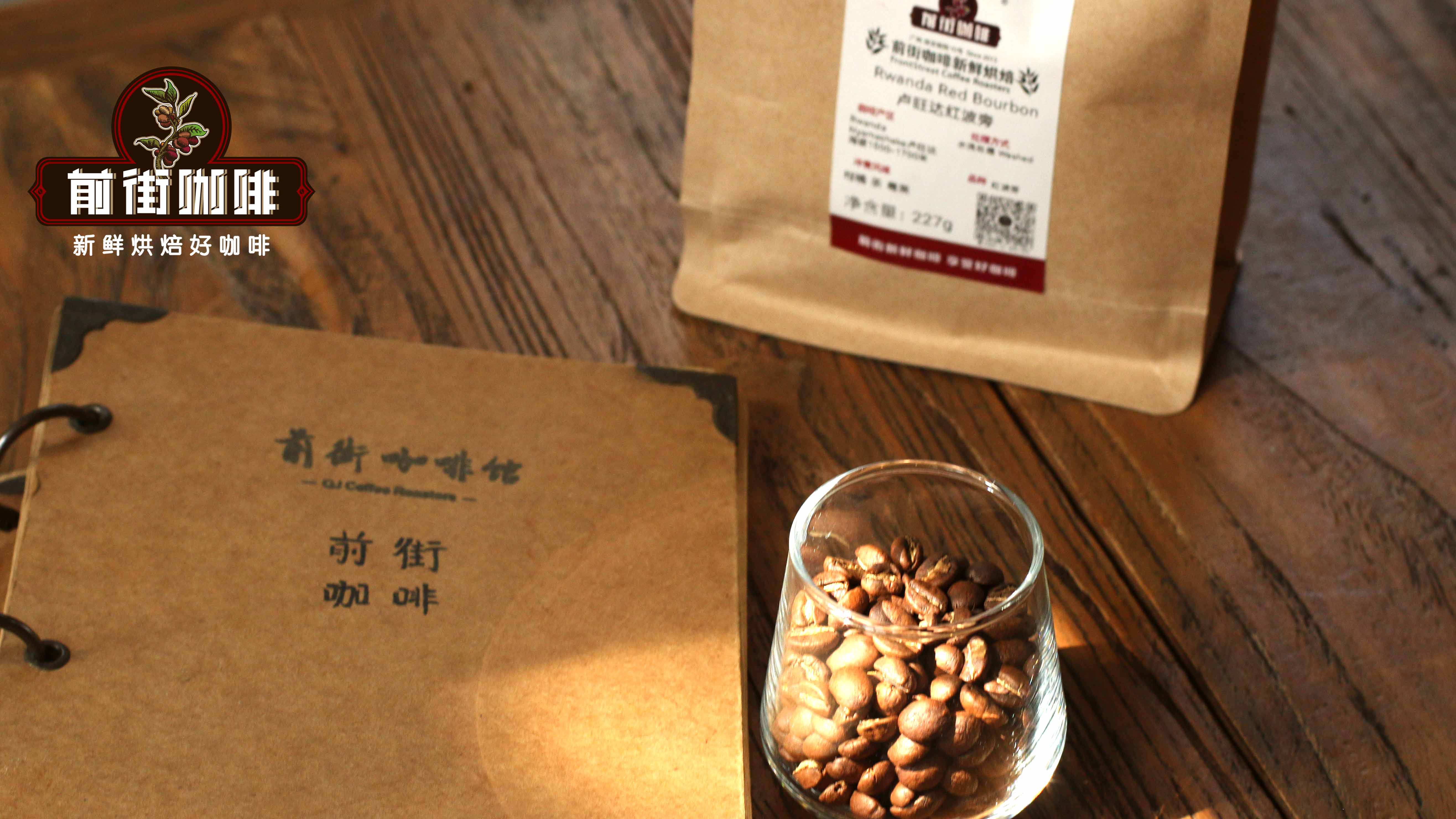 For consumers seeking layered complexity, try extending the extraction time to 2 minutes 30 seconds to capture the underlying apricot and black-tea finish.
The region's special geographical environment creates a unique flavor matrix—the lively acidity brought by high altitude balances the sweetness nurtured by volcanic soil, while the strict grading system ensures that every AA-grade bean delivers stable quality. Whether you are a beginner trying African beans for the first time or an experienced roaster, you can discover unique tasting value in them.