Six Specialty Coffee Bean Brands and a Guide to Buying Black Coffee Beans
Introduction: This article selects representative beans from six major coffee-producing regions worldwide and explains in detail how different processing methods and roast levels affect flavor. Using typical examples such as Ethiopian washed Yirgacheffe and Panama natural Gesha, it analyzes characteristic flavors including citrus notes, nutty aromas, and caramel richness, and provides a logic for choosing bean lists from beginner to advanced levels along with practical brewing references.
As the specialty coffee market grows increasingly prosperous, consumers facing hundreds of green bean varieties from different regions often find selection difficult. Professional roasters typically establish strict cupping systems to ensure that every bean brought to market presents at least the signature flavor characteristics of its region while eliminating any off-flavors. This article systematically reviews representative bean varieties from major specialty coffee regions worldwide to help enthusiasts build a scientific framework for understanding bean selection.
When choosing beans as a beginner, it is advisable to start from three core dimensions: first, observe the geographical characteristics of the region—high-altitude areas such as Ethiopia's Yirgacheffe (2,000–2,100 meters) typically produce beans with bright acidity, while low-altitude Sumatra, Indonesia (100–1,600 meters) more easily develops a rich mouthfeel; second, note differences in processing methods, as traditional washing can enhance citrus-like acidity and aroma while natural sun-drying excels at developing tropical fruit and brown sugar sweetness; finally, match the roast level to the drinking scenario, as light roasts suit showcasing floral and fruity character while dark roasts highlight layers of chocolate and smoky flavor.
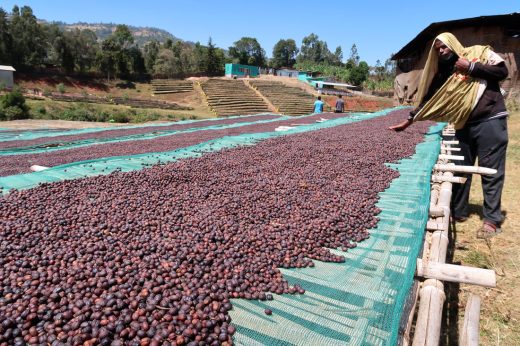
Mainstream coffee processing methods fall into three categories: washed processing removes the pectin layer through fermentation, creating clear citrus acidity and a clean mouthfeel (as shown in the figure 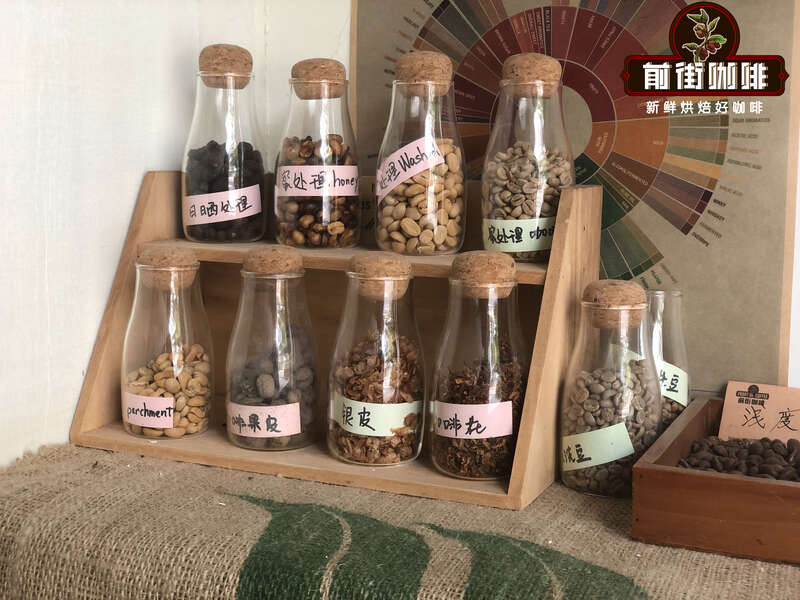 ); the natural method lets coffee cherries dry naturally in the sun, significantly enhancing sweetness and body; honey processing sits between the two, retaining part of the pectin to bring a balanced sweet-to-sour ratio. These three processes directly influence how the final flavor is expressed.
Roast level plays a decisive role in flavor release: light roast (the dense stage of first crack) retains the most floral and fruity acidity and aroma, suited to filter coffee that emphasizes brightness; medium roast (around the end of first crack) develops caramel and nutty notes with a balanced expression of acidity and bitterness; dark roast (after the start of second crack) produces resinous and spicy aromas, commonly found in espresso blends. Beginners are advised to start with medium roast and gradually explore flavor changes across different ranges.
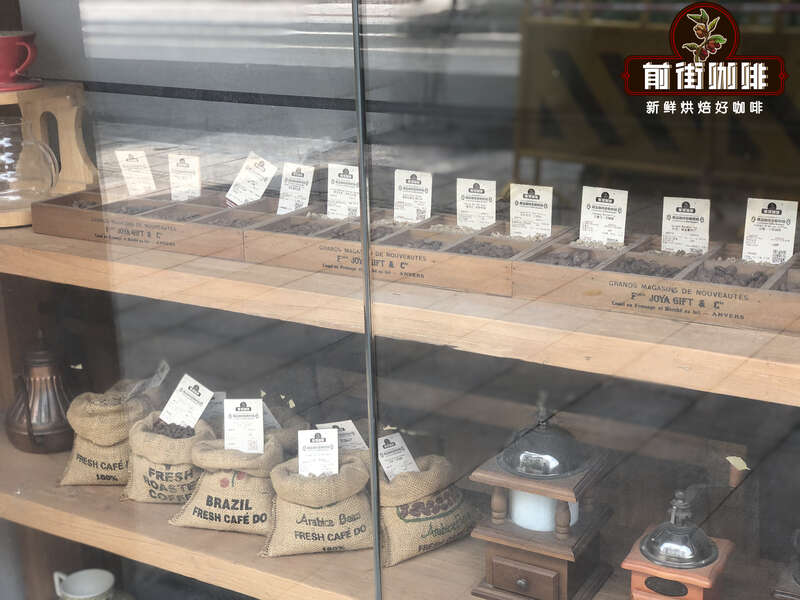
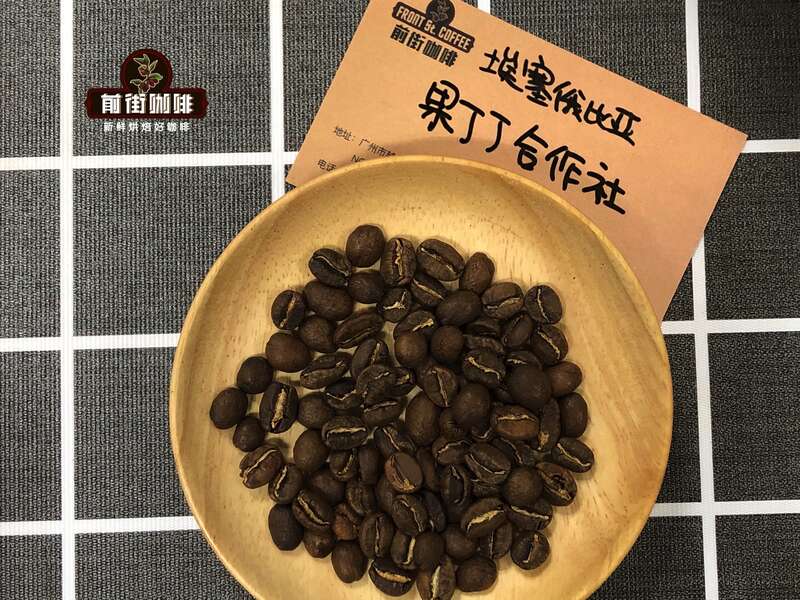
Representative washed example: A native-variety bean from a well-known region at 2,000–2,100 meters, after a standard washing process, brews with citrus and black tea top notes, gradually shifting to a creamy and almond finish as the temperature drops. The bean's acidity is lively yet clean, making it suitable as a morning pick-me-up.
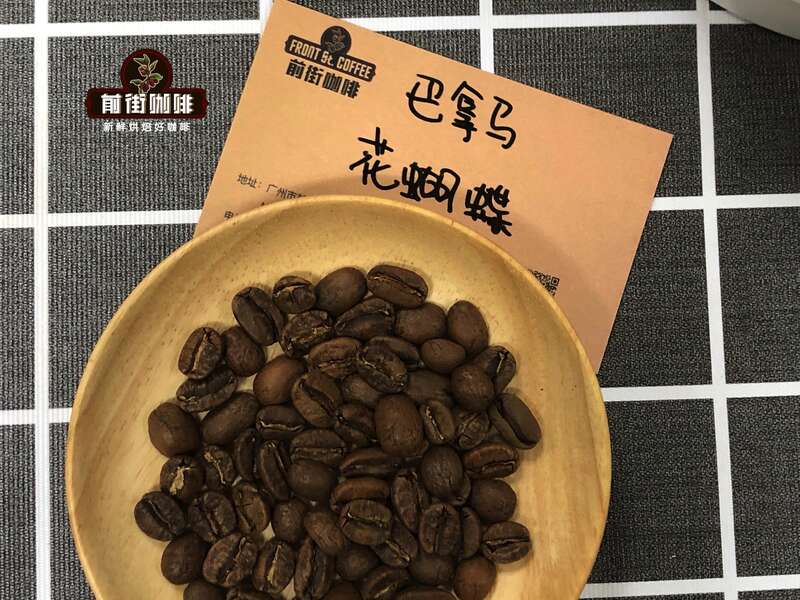
A natural-processing exemplar: A hybrid variety (Gesha/Caturra) from Boquete, Panama, dried with the fruit pulp still attached. Its flavor spectrum includes tropical berries, black tea, and a slight nutty finish, with excellent harmony between acidity and bitterness, making it especially suitable for cold brew or slow pour-over extraction.
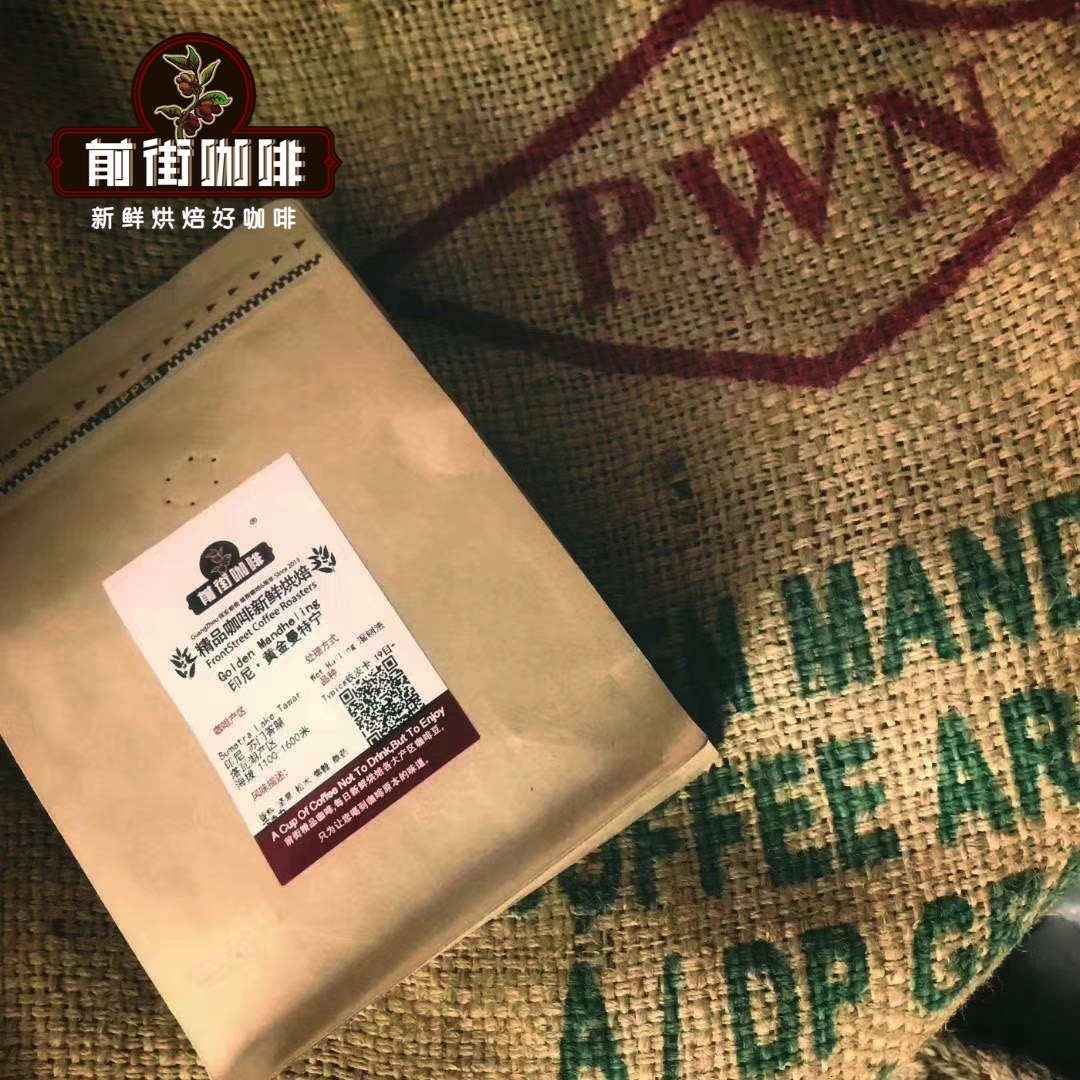
Consumers seeking a rich, acid-free experience may look to wet-hulled beans from the Sumatra region of Indonesia. Although such beans have no obvious fruit acidity, they display a complex aroma of toast, pine, and caramel, with a lingering herbal sweetness in the finish, making them an excellent base for milk coffee.
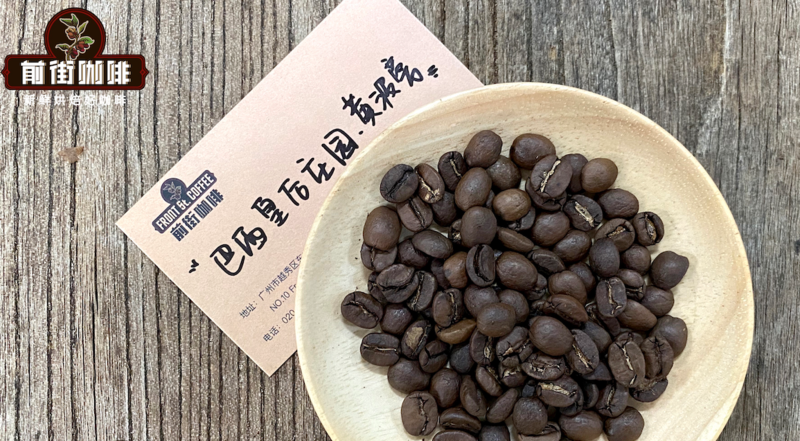
South American beans are known for a nutty and cocoa base. For example, a Yellow Bourbon variety from an estate in Brazil, after semi-natural processing, brews with sugarcane sweetness and black tea aroma, paired with balanced, gentle acidity, making it suitable for lattes with a higher proportion of milk.
Kenyan AA-grade beans are famous for their intense tomato-juice-like acidity. A specific processing plant uses a 72-hour fermented washed method to highlight cherry tomato and grapefruit acidity, transitioning to chocolate flavor in the middle, with prominent overall body, making them suitable for drinking black coffee straight.
A representative innovation in special processing methods is the raisin honey-processed Gesha blend, which through extended pectin contact time develops jasmine aroma and apricot sweetness. Such beans require high extraction precision; brewing with a V60 dripper at 92°C water temperature is recommended.