Jamaica Blue Mountain No.1 Coffee: Flavor, Brewing, and Buying Guide
Introduction: Jamaica Blue Mountain No.1 coffee is renowned worldwide for its exceptional quality and unique flavor, making it one of the top coffees sought after by coffee enthusiasts and professionals globally. This article systematically analyzes every aspect of this legendary coffee, from the definition of Blue Mountain No.1, origin environment, cultivation history, processing techniques, grading system to the best brewing methods and flavor characteristics, and provides practical brewing parameters to help you experience its elegant and balanced flavor at home.
Jamaica is a beautiful island in the Caribbean Sea, and the Blue Mountains are the highest mountain range on the western side of the island, with an elevation of up to 2256 meters. The unique flavor of the Blue Mountain coffee produced here is inseparable from its geographical location and natural environment.
The Blue Mountains are located at 25 degrees north latitude, a globally recognized premium coffee belt, with fertile new volcanic soil, pure and pollution-free air, abundant rainfall throughout the year, high humidity, and a significant temperature difference between day and night. The soil here is rich in organic matter and elements such as nitrogen and phosphorus, coupled with mild sunlight obscured by clouds and mist, allowing coffee trees to grow healthily in a relatively stable microclimate. The perfect combination of these natural conditions has created the world-famous Jamaica Blue Mountain coffee.
The harvest season for Blue Mountain coffee is typically between June and November each year. Because the coffee trees are mostly planted on steep slopes, harvesting is extremely difficult and relies mainly on experienced female pickers. During harvesting, it is crucial to select coffee cherries at the perfect ripeness, as picking too early or too late directly affects the final coffee quality.
Jamaica's coffee cultivation history can be traced back to the early 18th century. In 1730, British colonists first introduced coffee to the island and experimented with planting it in the Blue Mountain region. With its unique soil and climate, especially the ecological environment of high-altitude areas shrouded in clouds and mist year-round, the Blue Mountains quickly demonstrated the potential for growing high-quality coffee.
By 1800, there were over 686 coffee plantations of various sizes in the Blue Mountain region, and in 1814 coffee exports reached 15,199 tons, making it one of the important coffee-producing areas in the Western Hemisphere at that time. However, after the abolition of the slave trade in 1807, labor shortages became severe, and coffee production began to decline. In 1838, slavery was completely abolished, and a large number of plantation laborers left, further damaging the coffee industry. By 1850, the number of plantations had dropped sharply to 186, and exports had plummeted to 1,486 tons.
Over the following century, Blue Mountain coffee production gradually shifted from large plantations to smallholder operations, but due to the lack of unified management, overall quality continued to decline. Starting in 1943, major coffee-importing countries such as Canada and the United States successively stopped importing Jamaican coffee, prompting the local government to take action to improve quality control.
In 1944, Jamaica established a central washing station and set up the Central Coffee Clearing House, stipulating that all exported coffee must be purchased, processed, and graded uniformly by this agency before being sold abroad. This measure established a preliminary quality assurance system for Blue Mountain coffee.
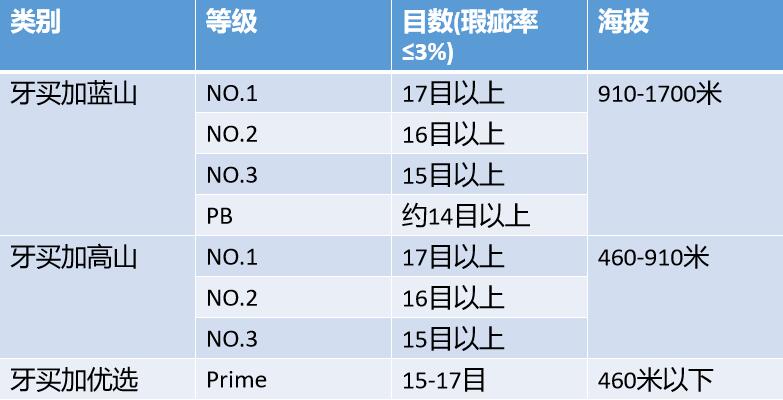
According to official Jamaican regulations, only coffee grown in four administrative districts east of the Blue Mountains, at elevations between 1000 and 1700 meters, can be called "Blue Mountain Coffee." These four districts are: St. Andrew, St. Thomas, St. Mary, and Portland. The total area of this region is only about 6100 hectares, and only those meeting the elevation standard are authentic Blue Mountain. If grown in the same area but at elevations between 500 and 1000 meters, it can only be classified as "High Mountain Coffee"; below 500 meters, it is further downgraded to "Jamaica Prime Coffee." Any coffee outside these four regions, regardless of quality, has no right to use the name "Blue Mountain." It is worth noting that coffee meeting the Blue Mountain standard accounts for at most 25% of Jamaica's total production.
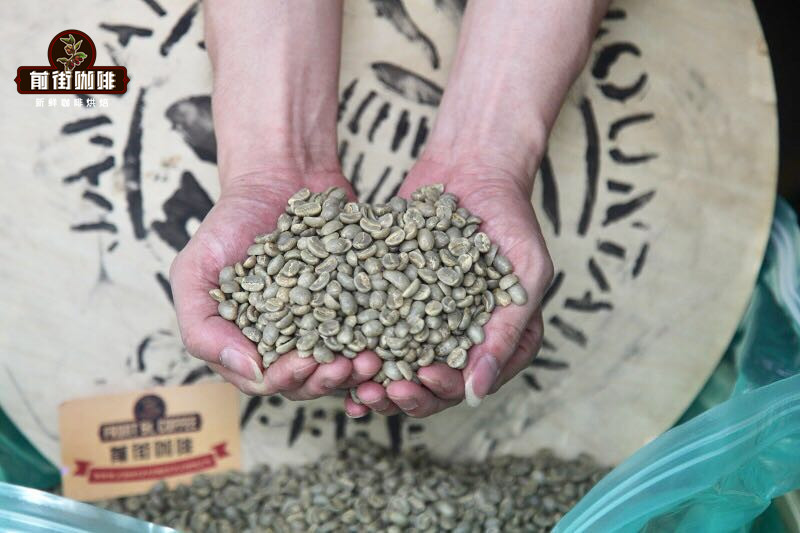
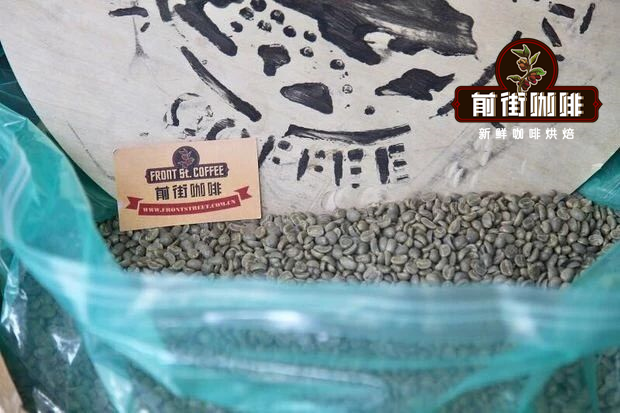
In addition, Blue Mountain coffee is currently the only coffee region in the world that exports green beans in wooden barrels, unlike the burlap sacks commonly used in other regions.
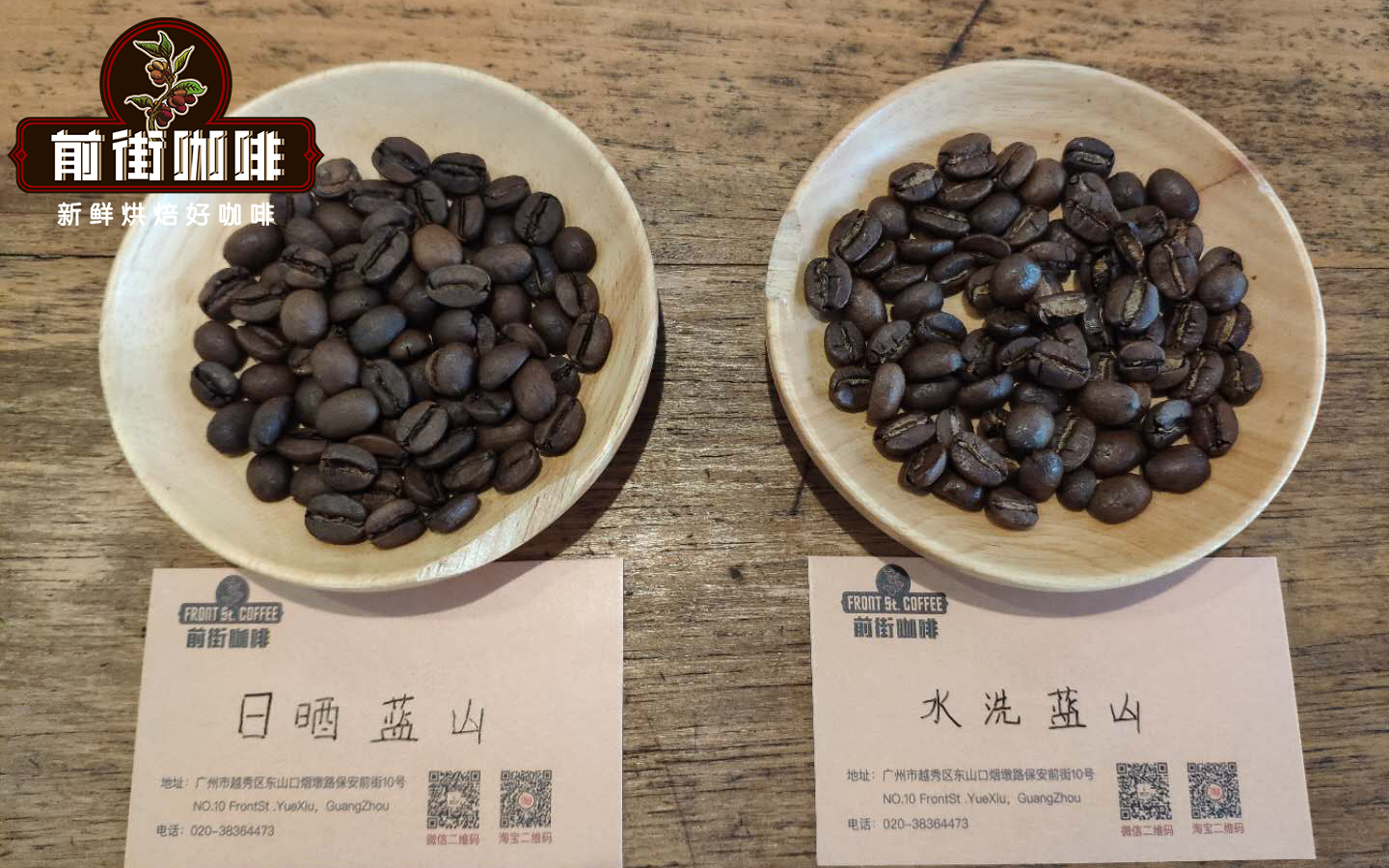
In terms of coffee processing, Blue Mountain No.1 coffee traditionally uses only the washed processing method. This method requires washing and fermentation to remove the skin, pulp, and mucilage. In practice, the farm needs dedicated washing channels and a continuous supply of clean running water. First, the outer skin and pulp of the coffee cherries are removed, followed by 12 to 18 hours of fermentation, and then the beans are washed using water flow and friction until the surface is smooth and clean. At this point, the coffee beans are still wrapped in the parchment layer with a moisture content of about 50%, and must be sun-dried or mechanically dried to reduce the moisture content to between 12% and 14% to prevent subsequent fermentation or mold. Finally, the coffee beans undergo strict screening and storage, with each step affecting the final product quality.
Jamaica Blue Mountain coffee is divided into three major grades based on quality: Blue Mountain Coffee, Jamaica High Mountain Supreme Coffee Beans, and Jamaica Prime Coffee Beans. Among them, Blue Mountain and High Mountain coffees are each further subdivided into two levels, from highest to lowest: Blue Mountain No.1, Blue Mountain No.2, High Mountain No.1, High Mountain No.2, and Jamaica Prime Coffee. If classified by bean shape, there are also NO.1, NO.2, NO.3, and PB (peaberry) distinctions. According to CIB (Coffee Industry Board of Jamaica) standards, NO.1 grade green beans require a bean size of 17 mesh or above, a defect rate of less than 3%, and a moisture content of approximately 13%.
Blue Mountain No.1 coffee is typically washed processed. It is recommended to use a KONO dripper with 15 grams of coffee powder, a coffee-to-water ratio of 1:15, and a grind size close to BG#6W medium-fine. During brewing, the water temperature should be controlled at around 86°C, using a staged extraction: first bloom with 30 grams of water for 30 seconds, then pour in a small stream at the center to 125 grams and pause briefly, and when the water level drops and is about to expose the coffee bed, continue pouring to 225 grams, with a total extraction time of about 2 minutes. These parameters help fully reveal the balanced flavor and delicate mouthfeel of Blue Mountain coffee.
In terms of flavor, Jamaica Blue Mountain No.1 coffee is renowned for its balance, often featuring the richness of dark chocolate, the crunchiness of nuts, and the silky texture of cream, with a harmonious ratio of acidity, sweetness, and bitterness, a clean and layered mouthfeel, and a long, gentle finish. It is considered the "King of Coffee" by many coffee enthusiasts.
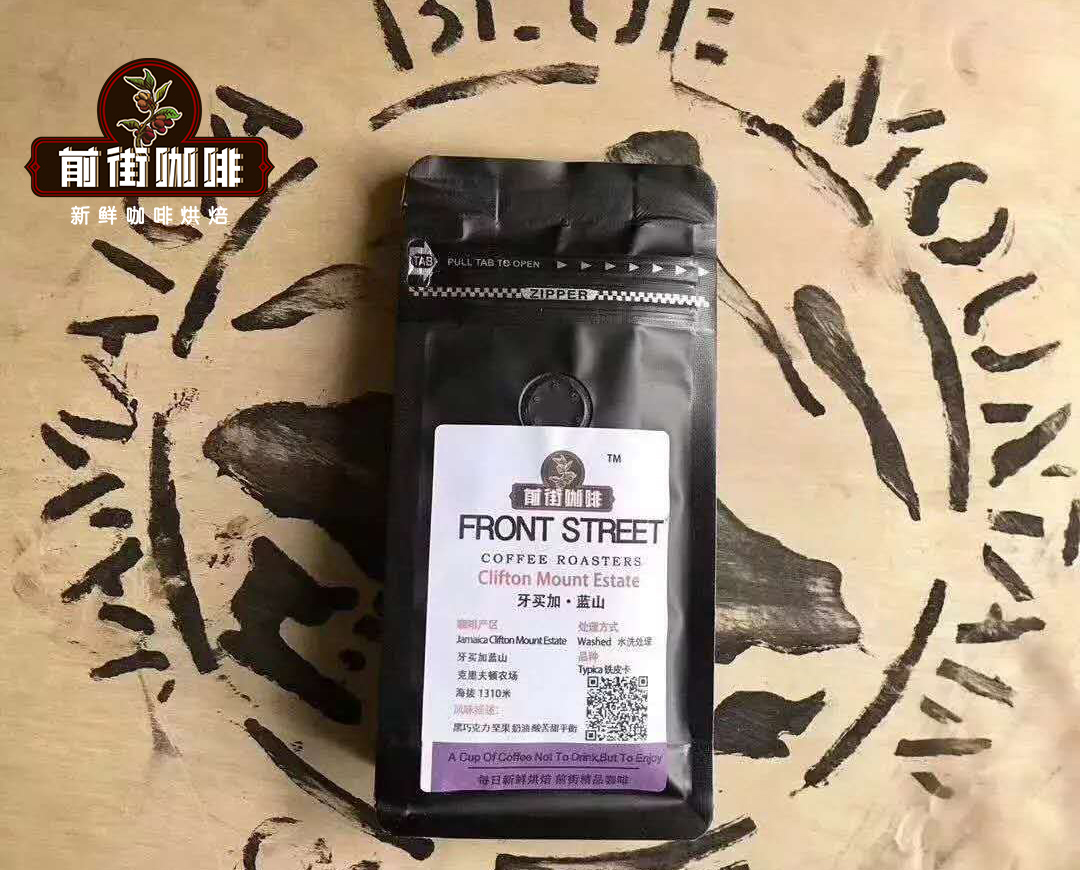
It should be noted that although the name "Blue Mountain" is widely favored in the market, not all coffees labeled "Blue Mountain" actually come from the Blue Mountain region. The genuine Blue Mountain coffee growing area is limited, only about 6000 hectares, so there are many counterfeit or confusing products on the market. Consumers should look for official certification and origin labeling when purchasing to ensure they are tasting authentic Blue Mountain No.1 coffee.