Jamaica Blue Mountain Coffee: Origin, Grades and Pour-Over Guide
Introduction: Jamaica Blue Mountain coffee is renowned as one of the finest coffees in the world, and its distinctive flavor is inseparable from its stringent growing conditions. This article provides an in-depth analysis of Blue Mountain coffee's origins, the demarcation of authentic growing regions, the grading system, and professional roasting and brewing methods, helping coffee enthusiasts gain a comprehensive understanding of this scarce specialty bean's characteristics and key tasting points.
The history of coffee cultivation in Jamaica began in the 18th century. According to records, the then-governor Sir Nicholas Lawes introduced Arabica coffee seeds from Martinique in the mid-1720s and successfully trialed them in the St. Andrew area. These coffee trees were subsequently spread to the surrounding Blue Mountain range, opening the legendary chapter of Blue Mountain coffee.
The Jamaica Coffee Industry Board (CIB), established in 1950, is the core institution safeguarding quality. The organization not only sets strict quality standards but also upgraded production technology through Japanese loans, laying the foundation for Blue Mountain coffee's international reputation. The board applies a dedicated certification stamp to exported green and roasted beans, ensuring every batch meets official specifications.
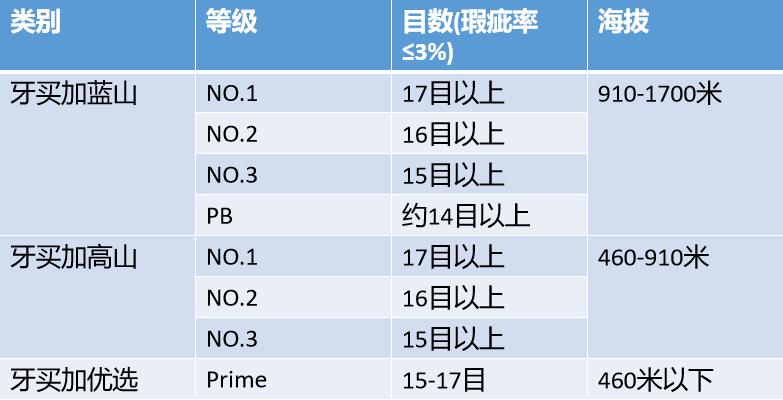
True Blue Mountain coffee comes only from four designated administrative districts on the eastern side of the Blue Mountain range: St. Andrew, St. Thomas, St. Mary and Portland. This area is strictly limited to elevations between 1,000 and 1,700 meters, with a total area of about 6,100 hectares. Note in particular that even within these four districts, growing areas below 1,000 meters can only produce High Mountain coffee (500–1,000 meters) or ordinary Jamaica coffee (below 500 meters), while the 12,000 hectares of plantations outside this area are entirely ineligible for Blue Mountain certification. Currently, less than 25% of all coffee in Jamaica meets the Blue Mountain standard.
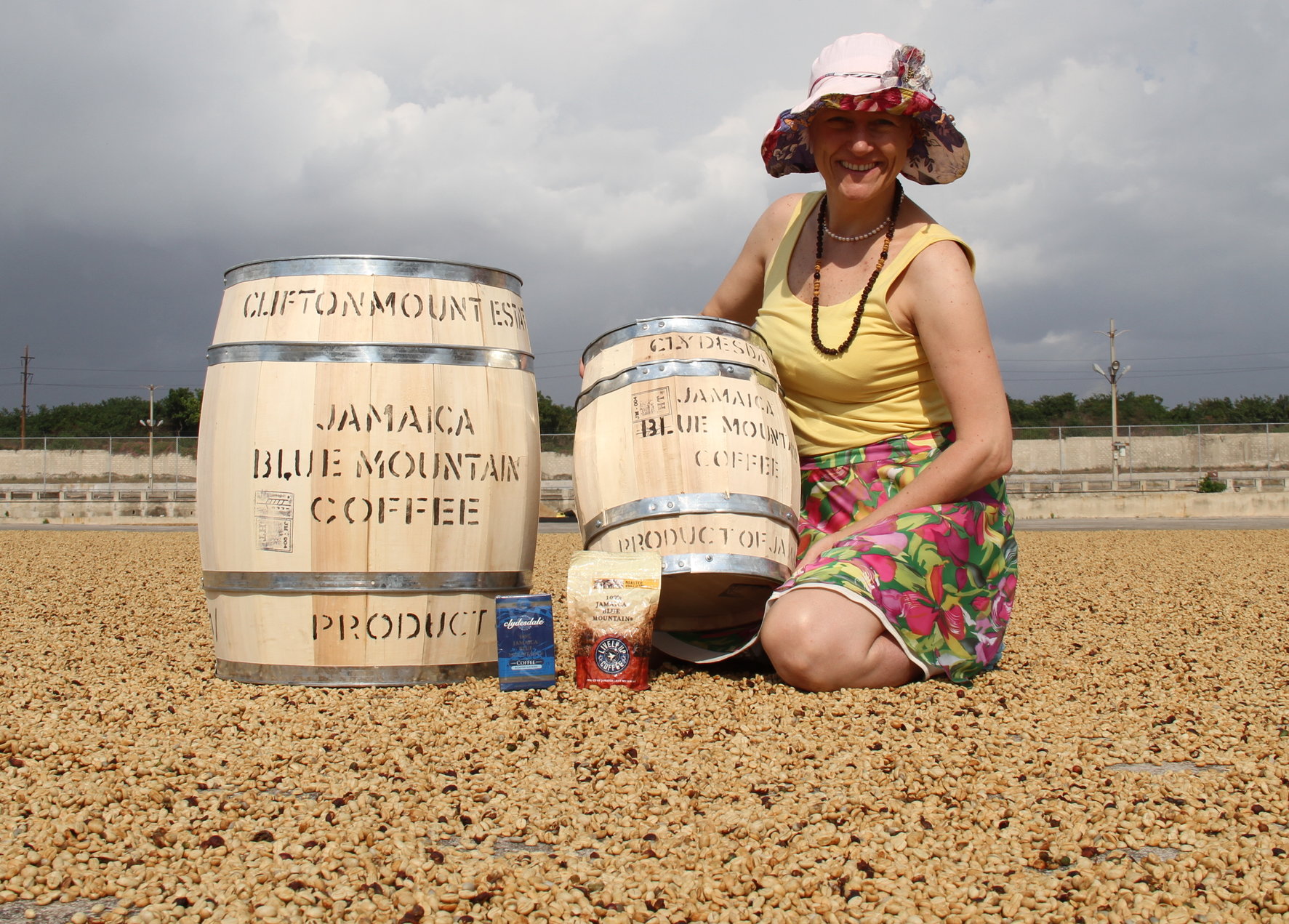
The Blue Mountain growing region is mainly divided into three blocks: St. Andrew, Portland and St. Thomas. Well-known estates include Wallenford Estate, Silver Hill Estate and Atlanta Estate, among others; these are typically small plantations run by families for generations and form the mainstay of the industry. Notably, even the largest local estate is still small-scale by international standards, and most producers are small landholders who have farmed for generations.
The Jamaican coffee grading system comprises three main grades: Blue Mountain coffee, High Mountain coffee and Jamaica coffee. Blue Mountain and High Mountain coffees are each divided into two grades—Blue Mountain No. 1/No. 2 and High Mountain No. 1/No. 2—while ordinary Jamaica coffee is the lowest grade. Professional standards further subdivide into NO.1 through NO.3 and PB (peaberry), with NO.1 green beans required to have a screen size of 17 or above, a defect rate below 3%, and a moisture content of about 13%. For example, Blue Mountain No. 1 must meet these stringent criteria to be certified.
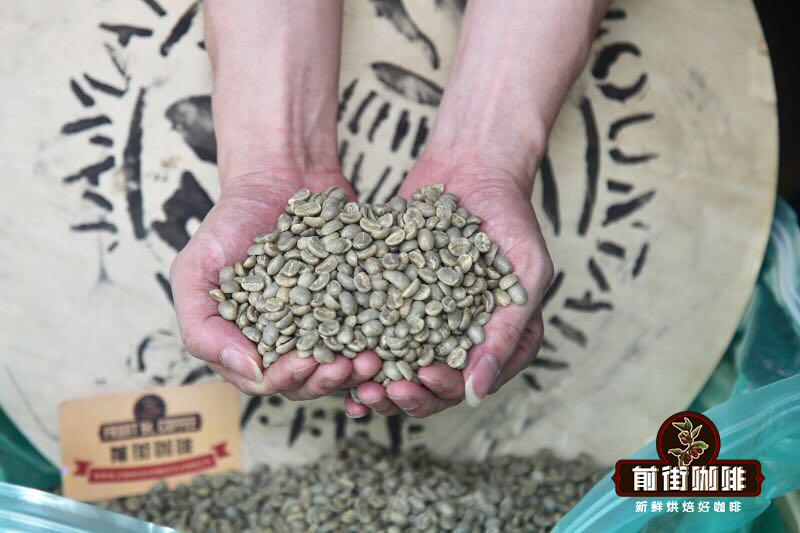
Blue Mountain coffee processing follows the traditional washed method: the skin and pulp are first removed, the mucilage is broken down through 12–18 hours of fermentation, and the beans are then repeatedly scrubbed in running clean water until the surface is smooth. At this point the wet beans, still in their parchment, have a moisture content as high as 50% and must be dried in shade to a safe range of 12–14%. The entire drying process requires continuous monitoring, followed by strict sorting and warehouse aging. Any deviation at any step can affect the final flavor expression.
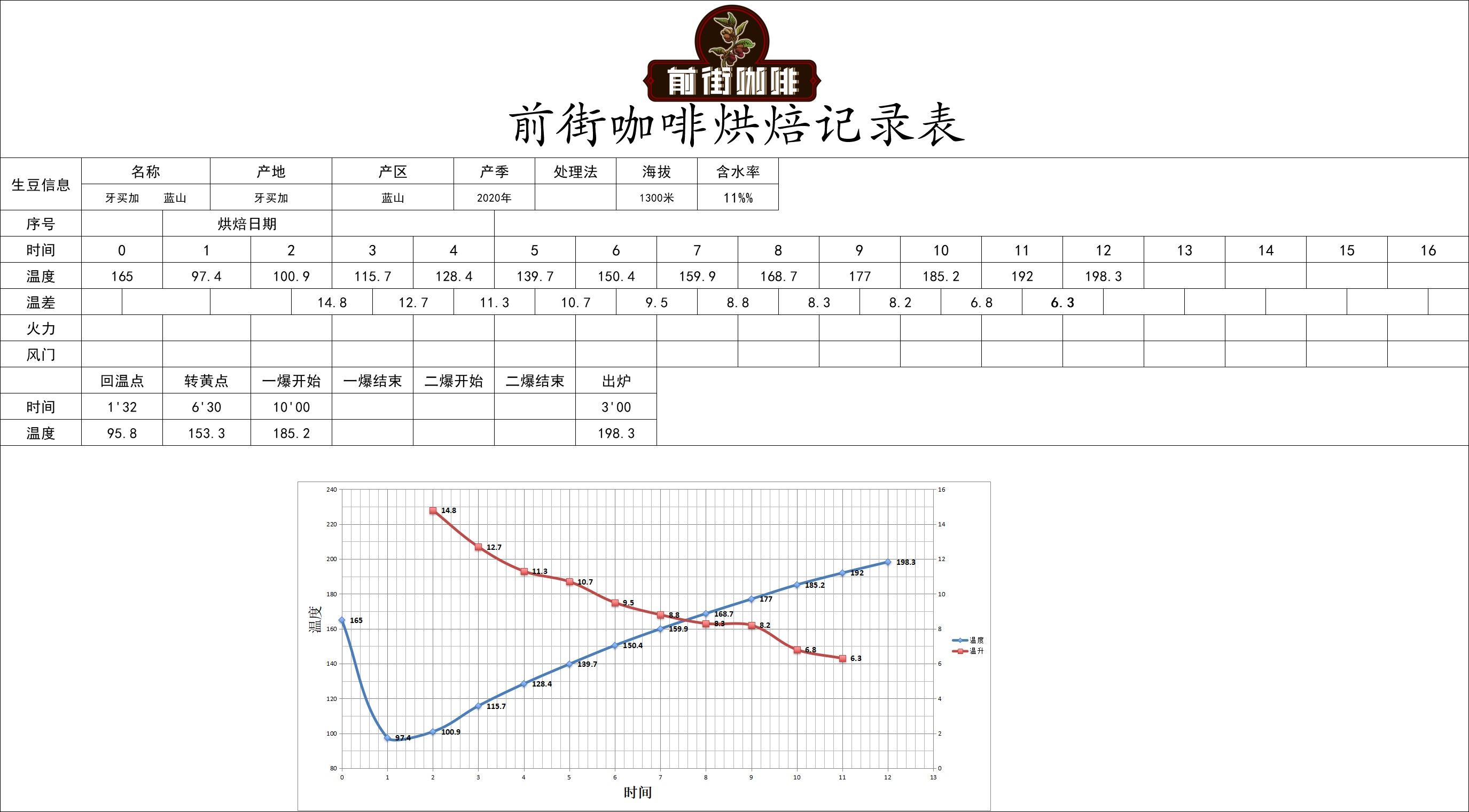
A suggested medium roast profile for Blue Mountain No. 1: charge temperature 165°C, transition to the yellowing stage at 153.3°C (about 6 minutes 30 seconds), first crack begins at the 10th minute, maintain a 3-minute development period, then drop. These parameters effectively balance acidity, sweetness and bitterness, highlighting Blue Mountain's characteristic clean mouthfeel and full body.
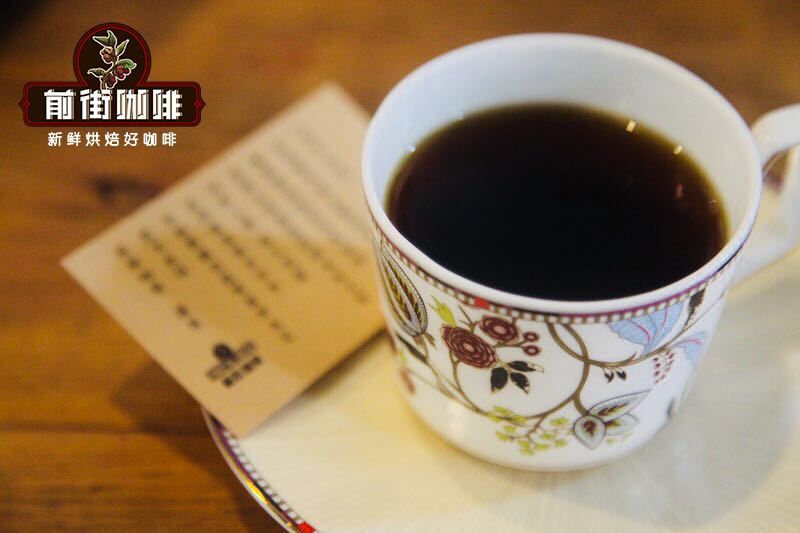
Professional brewing parameters for reference: use 15 grams of grounds, a 1:13 coffee-to-water ratio (actual liquid weight about 195 ml), and a water temperature of 88°C. Adjust the grind to 60% passing through a No. 20 sieve (equivalent to medium-fine). A KONO dripper is recommended with staged pouring: first pour 30 grams of water for a 30-second bloom, then a second stage of a slow circular pour of 100 grams up to a 130-gram water level, and finally a fast pour of 65 grams to complete a total water volume of 195 grams. The whole process takes about 1 minute 52 seconds and can present distinct chocolate and nut notes with balanced acidity, sweetness and bitterness.
When purchasing, look for the official CIB certification mark and take care to distinguish genuine Blue Mountain region products from other high-altitude Jamaican coffees. For storage, use an airtight canister with a one-way degassing valve and keep it away from light at 15–20°C to preserve flavor freshness.