Panama Natural Typica Coffee: Origin, Flavor and Pour-Over Guide
Introduction: This natural Typica coffee comes from the Boquete region of Panama, produced on the long-established Elida Estate, where cultivation at 1850 meters gives it distinctive layers of flavor. This article takes an in-depth look at its variety characteristics, natural processing method and the advantages of its regional terroir, and provides professional cupping flavor descriptions along with home pour-over parameter suggestions to help you fully understand the potential of this classic coffee.
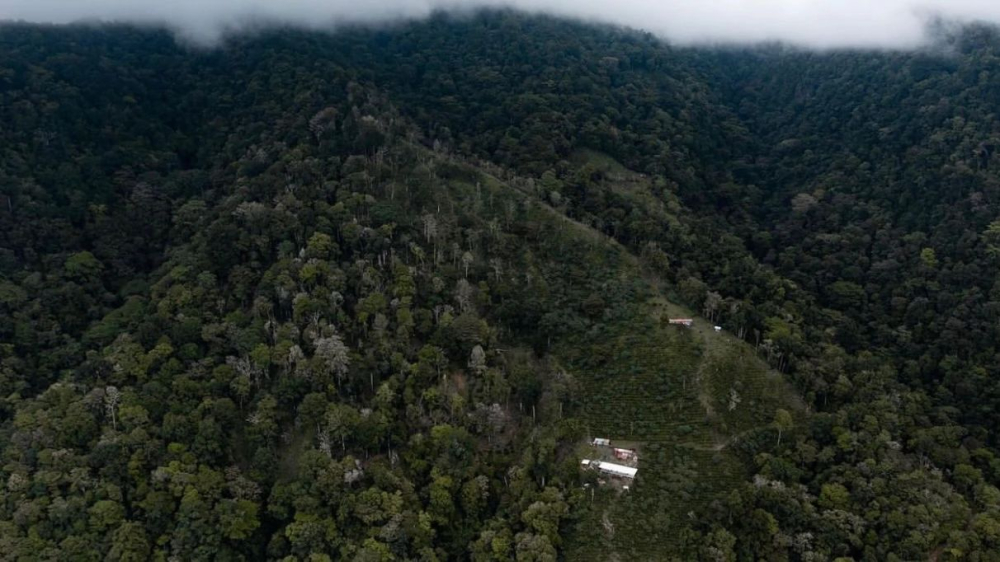
 Panamanian coffee is known worldwide for its clear regional character and consistent high quality, and the Boquete region in particular is a focus for specialty coffee enthusiasts. Elevations here are generally high, the terrain is mountainous and shrouded in cloud year-round, and the temperature difference between day and night is large. This microclimate creates ideal conditions for the coffee fruit to mature slowly, thereby producing complex and balanced flavor characteristics.
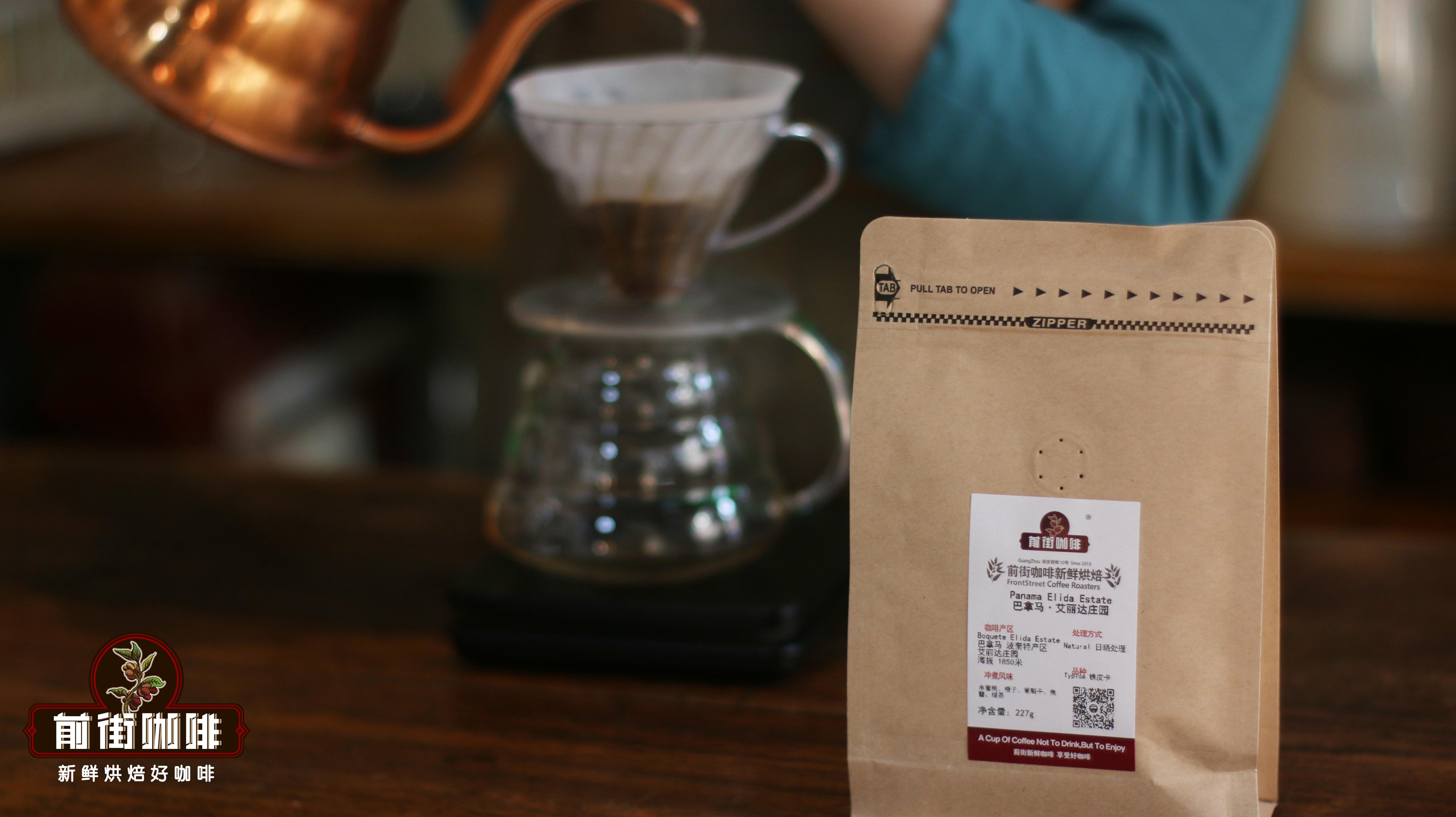
The coffee bean introduced here comes from Elida Estate, grown at an elevation of 1850 meters, of the classic Typica variety, and processed using the natural method. This combination often brings full sweetness, rich fruit tones and a full-bodied mouthfeel, making it a quality choice for coffee lovers who enjoy intense flavors.
The Boquete region is not only one of the earliest areas in Panama to develop coffee cultivation, but also an important cornerstone of the country's specialty coffee reputation. Coffees here often carry pronounced citrus, floral and mild cocoa finish, with bright but not harsh acidity, moderate body, and an overall harmonious and easy-drinking expression. Compared with other emerging regions, Boquete has a longer history of coffee cultivation and more mature growing techniques and processing experience, so the batches it produces are more consistent.
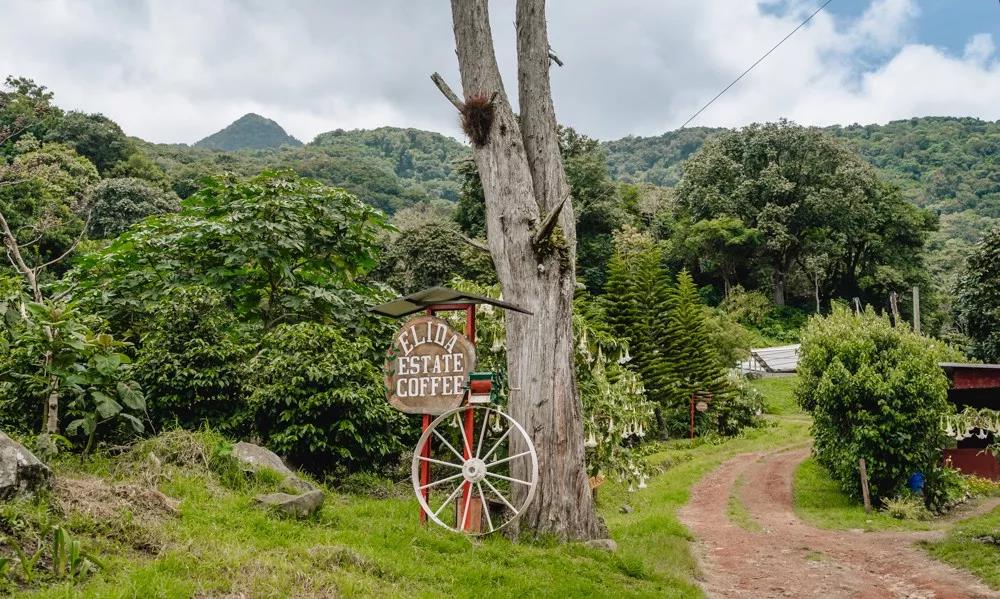
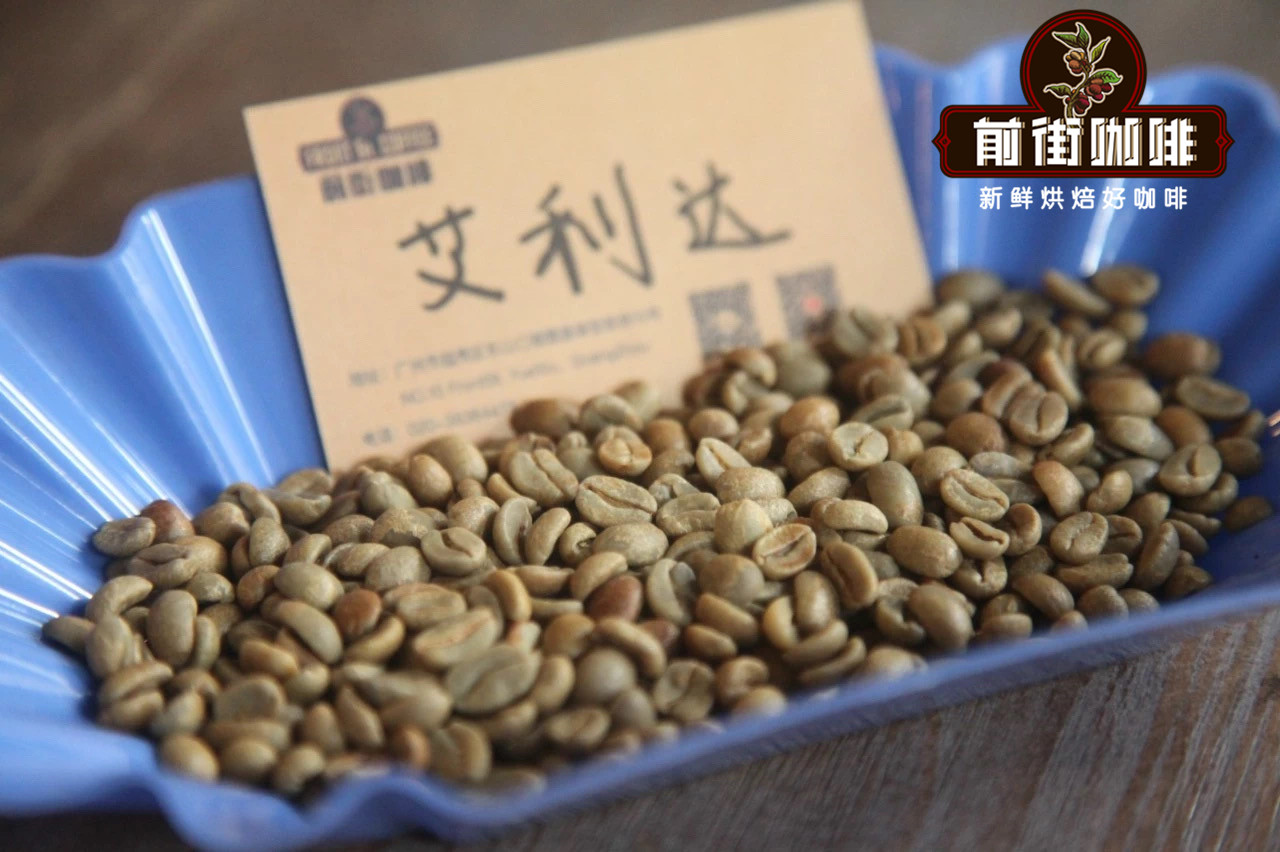
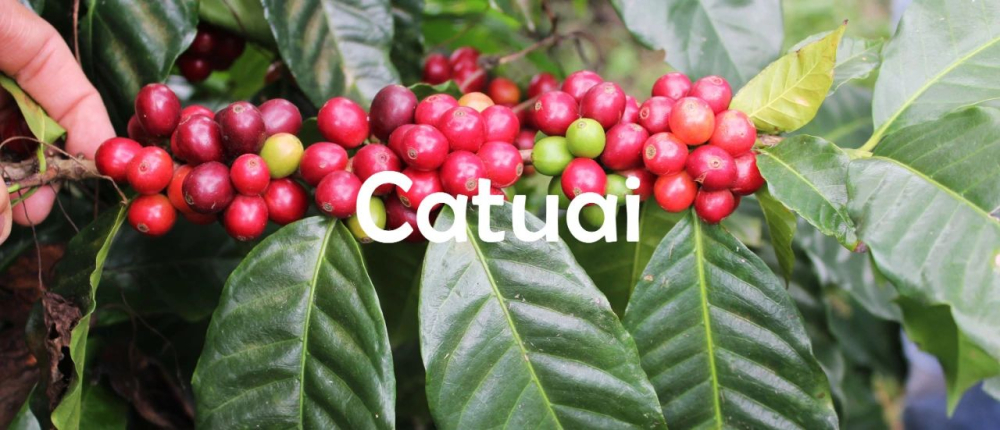
Elida Estate is one of the well-known estates with a long history in the area, run by the Lamastus family since 1918 and now passed down through four generations. The family not only focuses on coffee cultivation but also grows high-altitude specialty crops such as tree tomatoes on the estate; the aromas of these crops sometimes show up in the coffee's flavor, adding uniqueness. The main varieties grown on the estate include Catuai, Typica and Geisha, and this coffee is the Typica variety, naturally processed at the estate's processing facility halfway up the mountain to ensure freshness and quality.
Typica is one of the oldest extant Arabica coffee varieties, on par with Bourbon. Its tree form is tall, with leaves and fruit spaced relatively far apart, and its yield is low but its flavor outstanding, usually with high cupping score potential. Typica beans are rather slender, and the flavor tends toward clean, bright acidity, often with delicate sweetness and floral-fruity tones, making it very suitable for expressing the character of the terroir.
By comparison, Catuai is a cross between Caturra and Mondu Novo, with strong resistance to wind and rain and relatively firm fruit, but it is more difficult to harvest. Geisha is a star variety that rose later, becoming famous after winning the BOP competition in 2004, known for its intense floral aromatics, tea-like quality and high acidity, though its yield is scarce and cultivation relatively difficult.
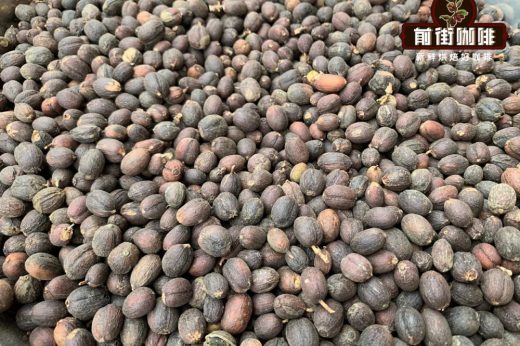
The natural processing method plays a key role in this Typica coffee. By spreading the harvested coffee fruit in the sun for a long drying period, the sugars and flavor compounds in the pulp fully permeate the seed, thereby enhancing sweetness and fruit expression. This processing method usually brings a fuller mouthfeel, higher body and complex tropical fruit or fermented flavors, such as raisin, mango and jackfruit.
It should be noted that natural processing has strict requirements for weather and handling, and moisture content changes must be continuously monitored to avoid the risk of over-fermentation or mold. High-quality natural coffees often have pronounced layers of sweetness and vinous aromas, and tend to stand out in cupping.
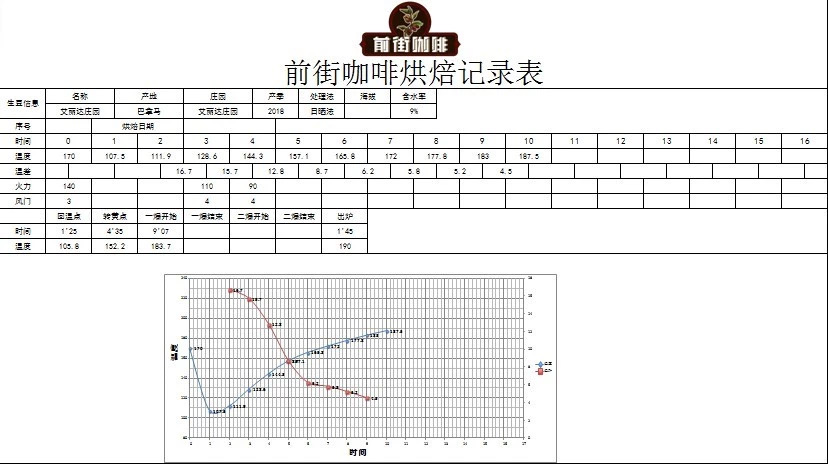
For this natural Typica, the recommended roasting strategy should focus on gentle development, avoiding a high-temperature fast charge that creates overly sharp dryness. It is suggested to start at a medium-low temperature, gradually raise the drum temperature, and control development time after first crack to ensure full but not excessive caramelization. During roasting, closely monitor the sound changes at first crack and adjust the heat in good time to ensure the final flavor is balanced and layered.
For professional roasting, a medium-dark roast range is suggested, with the charge temperature set at around 170°C, first crack beginning at about 8'45"-9'00", development after first crack of about 1'30"-1'50", and drop temperature controlled at around 190°C, to bring out a coordinated expression of sweetness and fruit.
According to cupping feedback, in the dry aroma stage this coffee shows a blend of caramel, roasted almond and delicate floral notes; in the wet aroma stage it shifts to jackfruit and fermented vinous aromas, foreshadowing rich layers of flavor. On the palate it is smooth, with clear raisin, white peach, orange, melon and cane sugar sweetness interwoven, and a finish with green tea character and clear cleanliness, balanced overall with distinct layers.
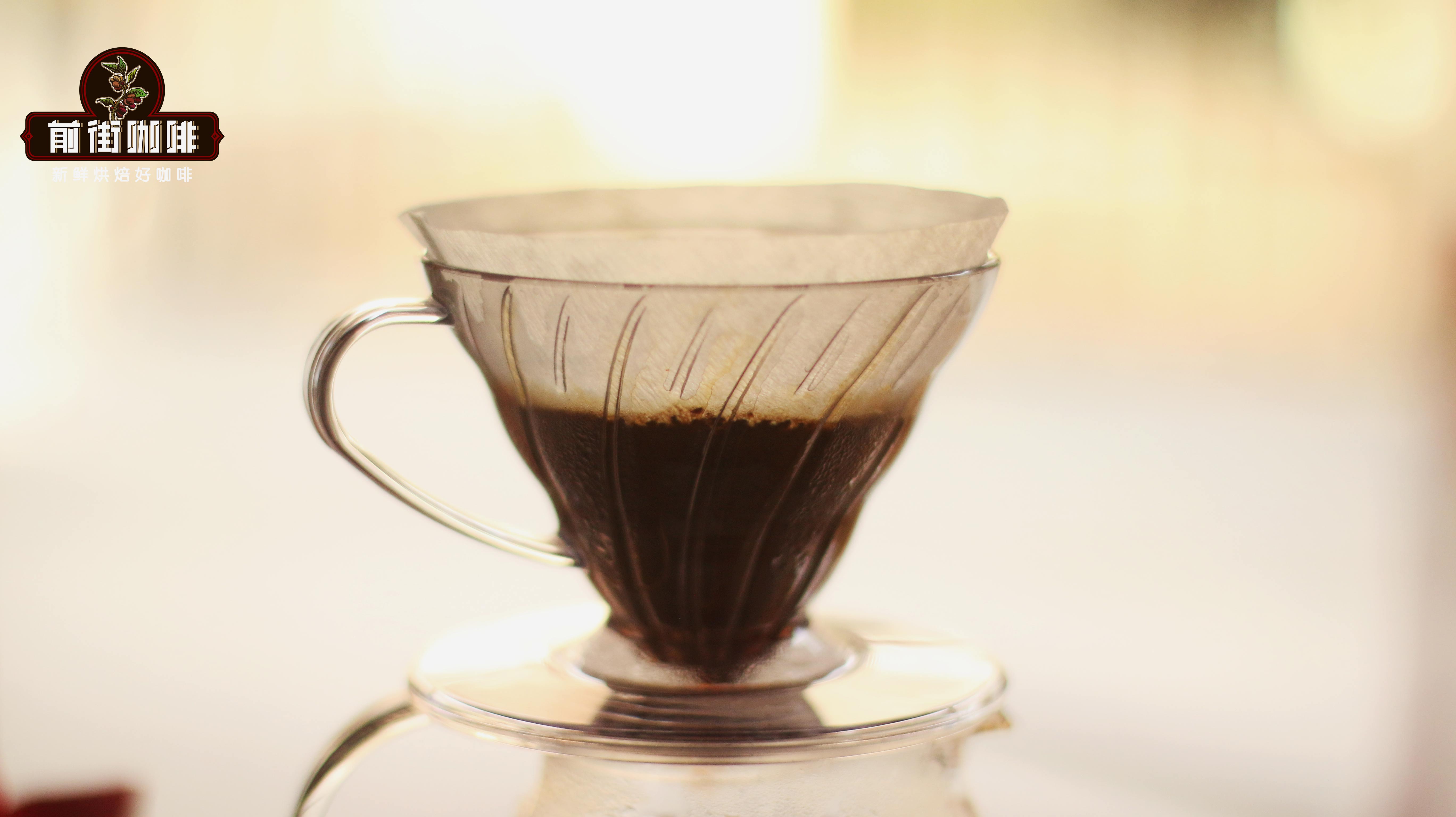
For home brewing, a V60 #01 dripper is recommended, with water temperature controlled at 91°C, a coffee-to-water ratio of 1:15, and a grind size close to granulated sugar (about 80% passing a No. 20 sieve). The specific procedure can be: first pour 30 grams of water for a 30-second bloom, then pour 95 grams of water (total about 125 grams), finishing in about 1 minute; when the water level drops to two-thirds of the coffee bed, continue pouring the remaining 100 grams of water (total about 225 grams), completing the pour in about 1 minute 35 seconds. Control the overall extraction time between 2'00"-2'10" to achieve the best flavor balance.
This parameter setup can highlight its white peach, raisin and orange flavors, with cane sugar and melon sweetness emerging in the middle, and a finish of grapefruit and green tea character, making the overall flavor clear and memorable.