Uganda Coffee Beans: Flavor Profile and Arabica Variety Growing Guide
Introduction: Although Uganda is known for robusta, its arabica coffee is emerging. This article guides you through the geographical advantages and distinctive regions of this major African coffee-exporting country, as well as the cultivation and processing of varieties such as Bourbon and SL14, helping you gain a deeper grasp of Uganda coffee's unique flavors and brewing points.
Uganda straddles the equator and is rich in natural resources, earning it the name "Pearl of Africa." This landlocked country is not only one of the world's top ten coffee exporters but has also vigorously developed arabica coffee cultivation in recent years. Between 2016 and 2017, Uganda exported approximately 4.6 million bags of 60 kg coffee beans, ranking second in Africa and eighth globally. Although robusta accounts for more than 90% of the country's coffee production, arabica coffee is gradually attracting attention, especially for the unique flavors it displays at high altitudes, making it a rising star in the specialty coffee sector.
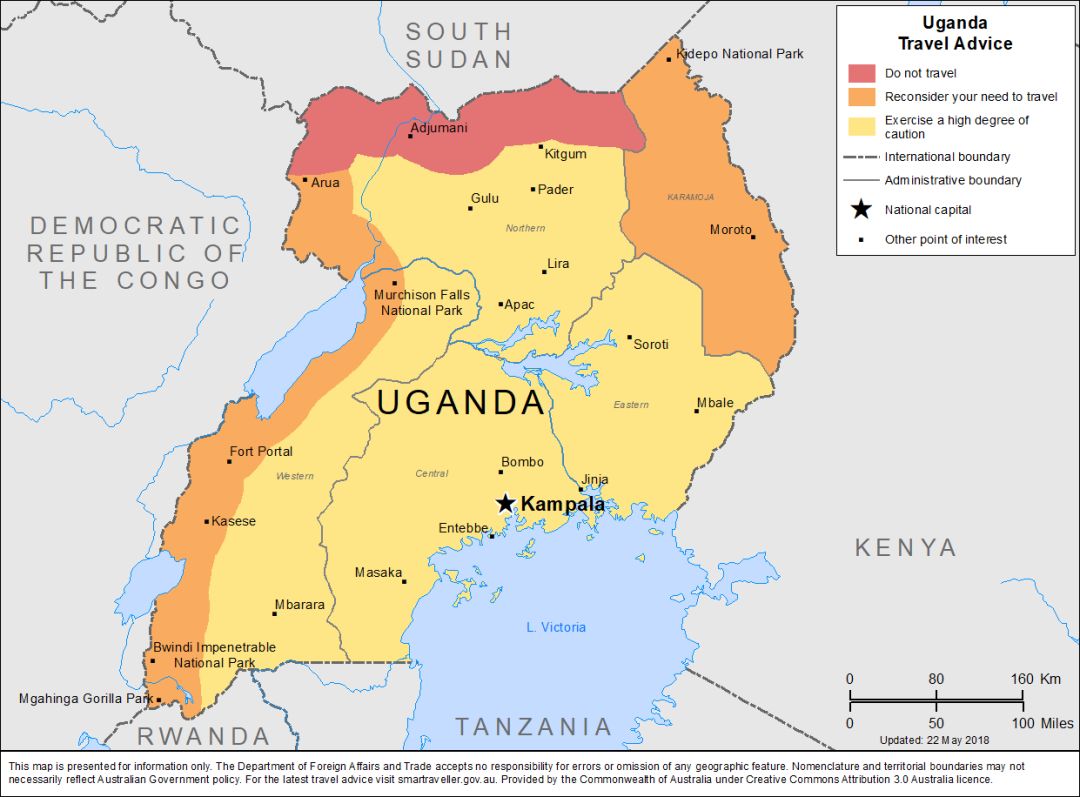
Uganda is located inland in East Africa and is one of the sources of the Nile, with abundant forests, lakes and wetlands. Although the coffee industry was once constrained by prolonged conflict, over the past fifteen years, as the situation stabilized, Uganda's coffee industry has risen rapidly. The country has about 500,000 coffee farms, and the people working in the sector account for 25% of the population. At present, robusta remains the main variety grown, accounting for as much as 94%, while arabica accounts for only 6%; however, most of these high-quality arabicas grow in tropical rainforests and are gradually gaining favor in international markets.
To promote improvements in coffee quality, Uganda holds a national green bean competition every year called "The Taste of Harvest" (TOH), similar to the Cup of Excellence in Central and South America, and an important platform for discovering quality coffee. Coffee beans are graded according to the Q and R grading systems; a score of 80 or above makes a specialty coffee, which not only enjoys high market acceptance but also commands better prices. The competition also prompts farms across the country to improve processing techniques and raise overall coffee quality, especially in areas such as Kanungu, Sipi, Iganga and Luwero, which have already produced a fair amount of high-quality coffee.
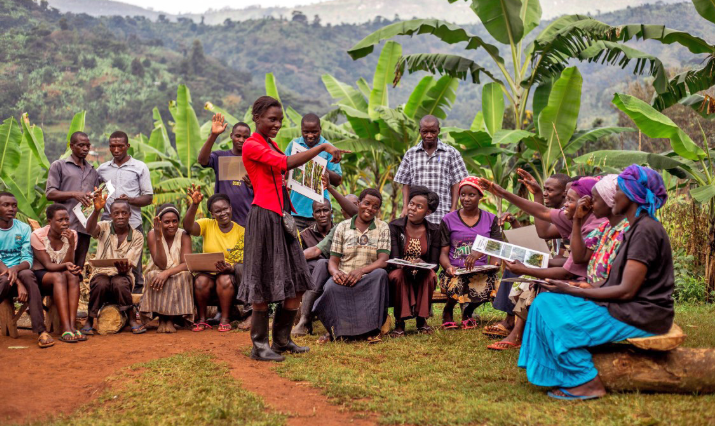
Starting in 2020, Uganda implemented new coffee cultivation regulations requiring all coffee growers to register and obtain a unique identification number containing information such as land area, number of plants, and buyer and seller details. The law aims to strengthen regulation of the coffee industry and value chain management, promote direct connections between farmers and buyers, and advance irrigation system construction, supply of planting materials and technical extension. The Uganda Coffee Development Authority (UCDA) will also provide farmers with good agricultural practice training, further supporting specialty coffee production.
Uganda's coffee regions are concentrated in three main areas: Mount Elgon in the east, the Rwenzori Mountains in the southwest, and the West Nile region in the northwest. Each region, with its unique geographical and climatic conditions, produces coffees with distinct flavors.
Mount Elgon lies on the border between Uganda and Kenya and is one of East Africa's oldest volcanoes. Coffee farms are mostly distributed in forest areas on both sides of the volcano, relying on water from steep gullies. Coffee at lower altitudes is usually harvested from June to December, while at higher altitudes harvest is delayed until July and can last until February of the following year.
The West Nile region is located in northwestern Uganda and has 1,300 to 1,600 coffee farms. Local farmers often use native tree species such as fig trees to shade the coffee trees, and the coffee produced is mostly washed to highlight its bright citrus aromas.
The Rwenzori Mountains, also known as the "Mountains of the Moon," sit on the border between Uganda and the Democratic Republic of the Congo, at altitudes between 1,500 and 2,300 meters. The volcanic soil here is rich in nitrogen, providing an ideal growing environment for coffee. Natural processing is common in the region, and some farms also use washed processing to present different flavor layers.
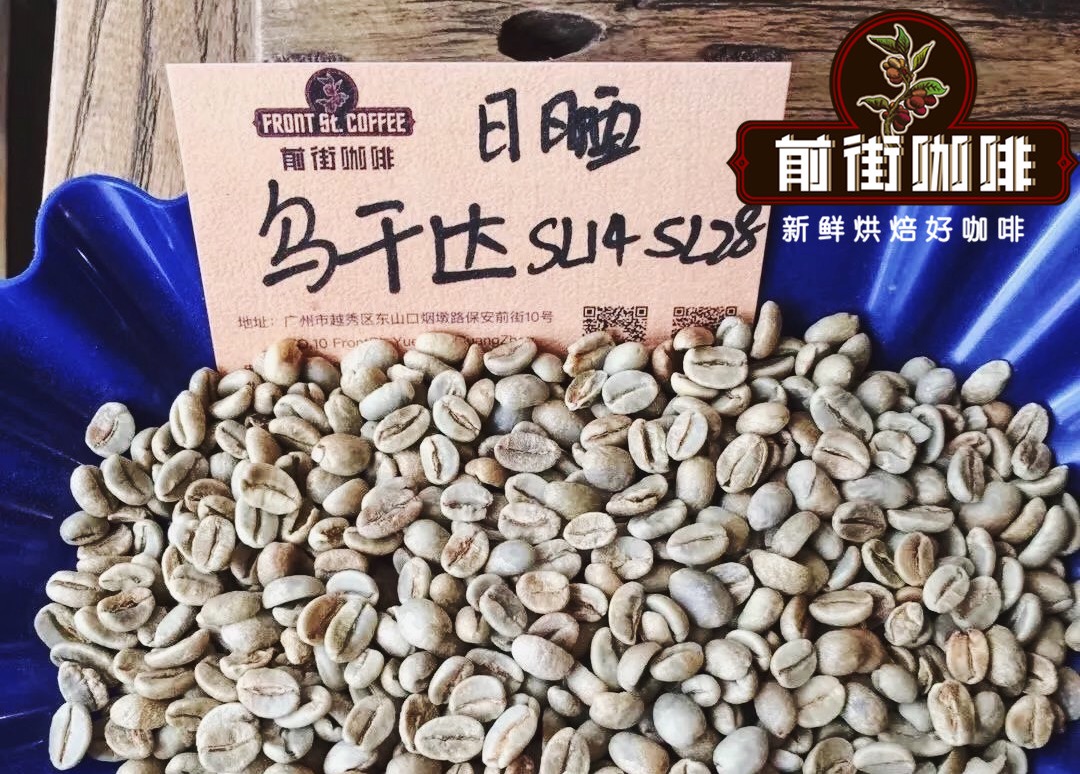
The arabica varieties grown in Uganda mainly include Bourbon, Kent, SL14 and SL28. Bourbon originated from Yemen Mocha and was later transplanted to Bourbon Island (now Réunion); its beans are rounded, and it is a mainstay variety in many specialty coffee regions worldwide. Kent is a Typica hybrid discovered in India in 1911, with strong resistance to rust and intense aroma, and has been widely introduced in Kenya, Indonesia and elsewhere. SL14 and SL28 were developed by the Scott Laboratories; SL14 is highly adaptable, drought-resistant and can be harvested in two years, making it very suitable for Uganda's growing environment, while SL28 is known for its complex flavors and is the first choice of many specialty coffee lovers.
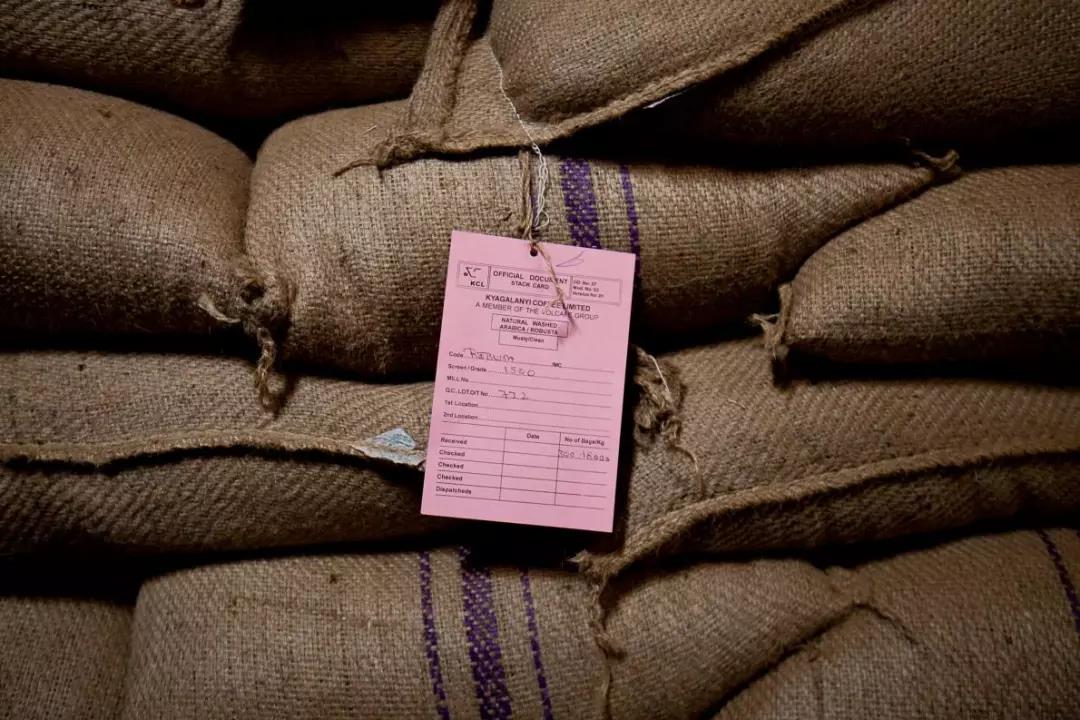
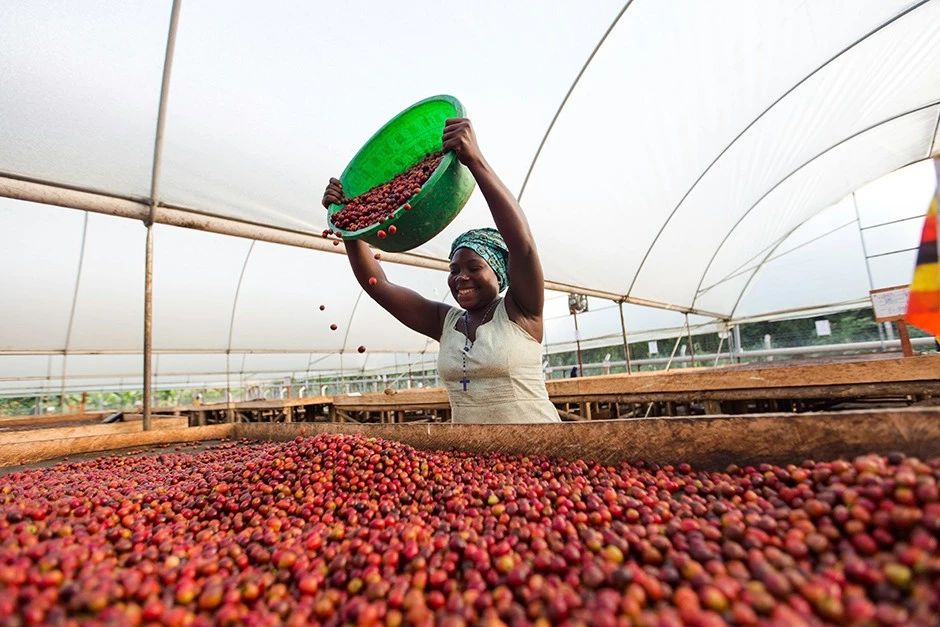
Uganda's coffee processing methods are diverse, including both washed processing and micro-lot natural processing. In natural processing, coffee cherries are sorted to remove defects, then placed on raised beds for 25 to 30 days of natural drying until the moisture content drops to about 11%. This processing method usually gives the coffee greater sweetness and rich layers of flavor.
Uganda coffee is graded according to screen size and cupping performance: AA Plus-plus is the top AA grade with outstanding flavor; AA grade has screen sizes of 17 and 18 (7.2 mm); AB grade has 15 and 16 (6.6 mm). In addition, Peaberry is classified separately by shape and has no direct relation to flavor.
Uganda's coffee cultivation and processing have distinctive regional characteristics. Take Mount Elgon in the east as an example: the area is close to Kenya, and the volcanic soil and high-altitude environment provide superior growing conditions for coffee. Local coffee processing plants, such as the Rwenzori Mountains Yagelan Yi processing plant, have significantly improved coffee quality through centralized processing and strict washing procedures. Since it was established in 2000, the plant has attracted tens of thousands of smallholder farmers to participate, and by promoting standardized processing and organic farming, it has successfully created specialty coffee with complex flavors and distinct layers.
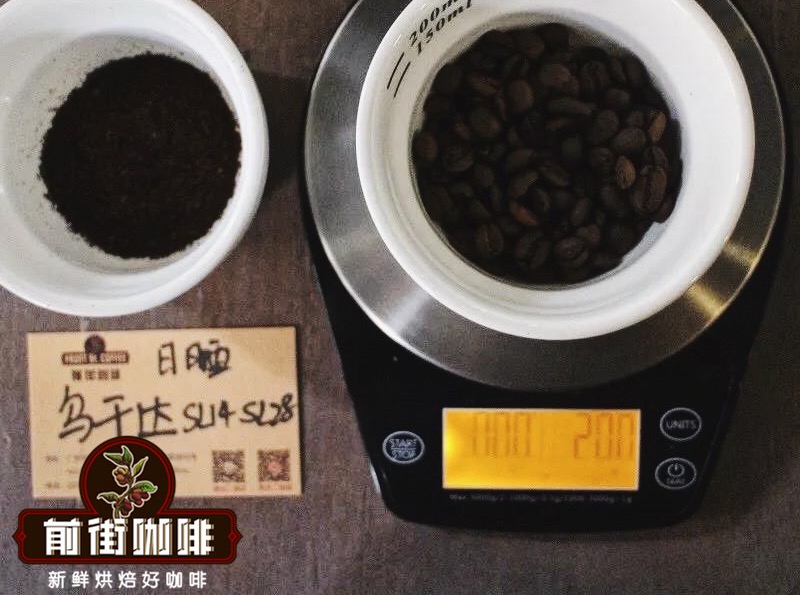
In terms of roasting, Uganda coffee beans, being smaller and denser, absorb heat quickly and show pronounced Maillard reactions. It is recommended to maintain a relatively high heat at the start of roasting to ensure sufficient heat and promote even development. Roasters usually use a light-to-medium to medium roast to fully express its citrus, berry and spice flavor characteristics.
When brewing Uganda coffee, it is recommended to use a water temperature of 90 to 91°C, a grind size like fine granulated sugar (e.g., 80% passing a No. 20 sieve), and a coffee-to-water ratio of 1:15. Use a three-pour method: first bloom with 30 g of water for 30 seconds, then pour in a thin stream to 125 g and stop, and once the water level drops, slowly pour to 225 g, for a total extraction time of about 2 minutes. This method helps highlight its bright acidity, rich fruit aromas and complex spice flavors.
Cupping results show that Uganda specialty coffee often has a vinous aroma and a dry fragrance of roasted pumpkin seeds, while the wet aroma presents sweet orange notes. On the palate, citrus, berry, spice and woody flavors interweave, with rich layers, clear acidity, and an overall balanced and layered performance.


Uganda coffee is gradually securing a place in the international specialty coffee market. Whether you are a coffee lover seeking unique flavors or a professional hoping to expand your bean list, understanding its regional characteristics, varietal strengths and processing techniques will provide a new perspective for exploring the diversity of African coffee.