Yirgacheffe Kochere Washed Coffee: Region, Flavor & Brew Guide
Introduction: Ethiopia's Yirgacheffe Kochere region is known for producing high-altitude washed coffee, and its clean honey and citrus profile has made it a first choice for many coffee lovers starting out. This article takes a deep look at the geographical advantages of the Kochere region and the characteristics of its washed processing, and provides professional-grade roasting and brewing parameters to help you precisely capture the flavor potential of this G1-grade coffee.
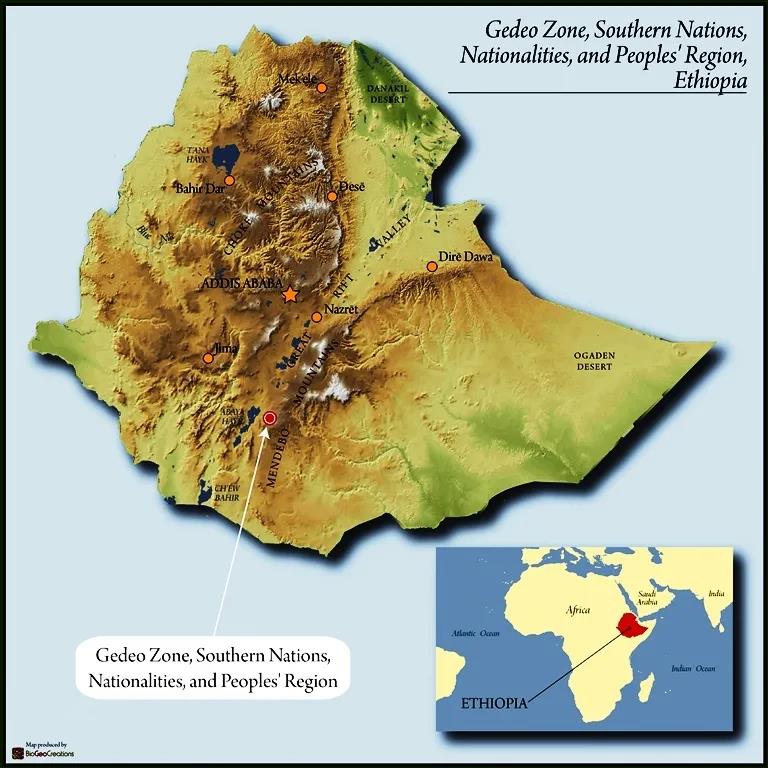
Ethiopia's Yirgacheffe Kochere region is located in the north of the Gedeo Zone, about 25 miles from the well-known town of Yirgacheffe, with growing elevations reaching 1650-1800 meters. As one of the 77 administrative areas of SNNPR (Southern Nations, Nationalities, and Peoples' Region), the region has long ranked in the top tier of specialty coffee origins worldwide thanks to its advanced washing equipment and stable microclimate. Professional evaluation organizations have given its washed beans a high score of 94 points, confirming the reliability of its quality.

Kochere is one of the three core micro-regions of Yirgacheffe, administratively belonging to the Gediyo sub-area. Local coffee farmers usually deliver fresh cherries to cooperatives for unified processing, forming the classic smallholder + cooperative model. Notably, the region is subdivided into several micro-regions (such as Banko Gutiti) and processing plant designations (such as the Alemu processing plant), and this traceability system directly affects flavor consistency—the more specific the origin labeling, the higher the flavor stability and the more obvious the premium.
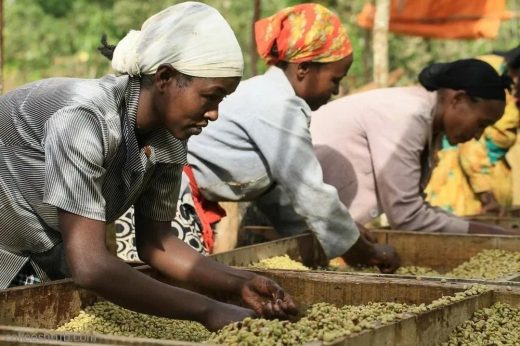
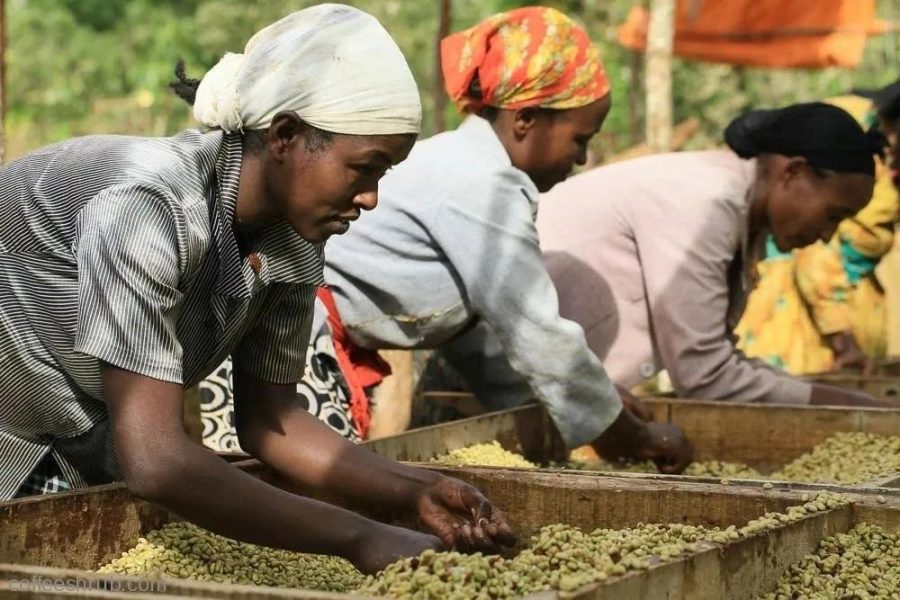
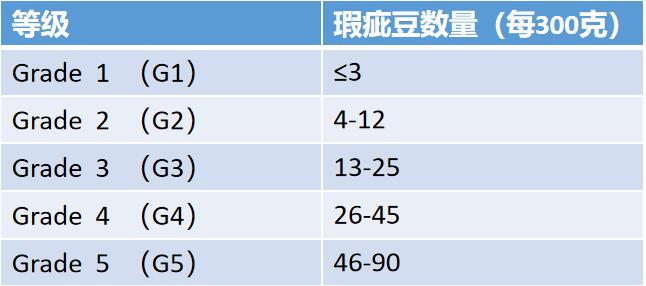
The harvest season is November-December each year. Farmers insist on manual care of the coffee trees and prohibit chemical agents, so although the region's coffee is not all certified, it still meets organic growing standards in substance. Combined with modern washing facilities, Kochere beans show a signature balance of citrus notes and honey sweetness. During processing, cooperatives strictly select G1-grade red cherries (defect rate ≤3%), which is the fundamental safeguard of their flavor intensity.
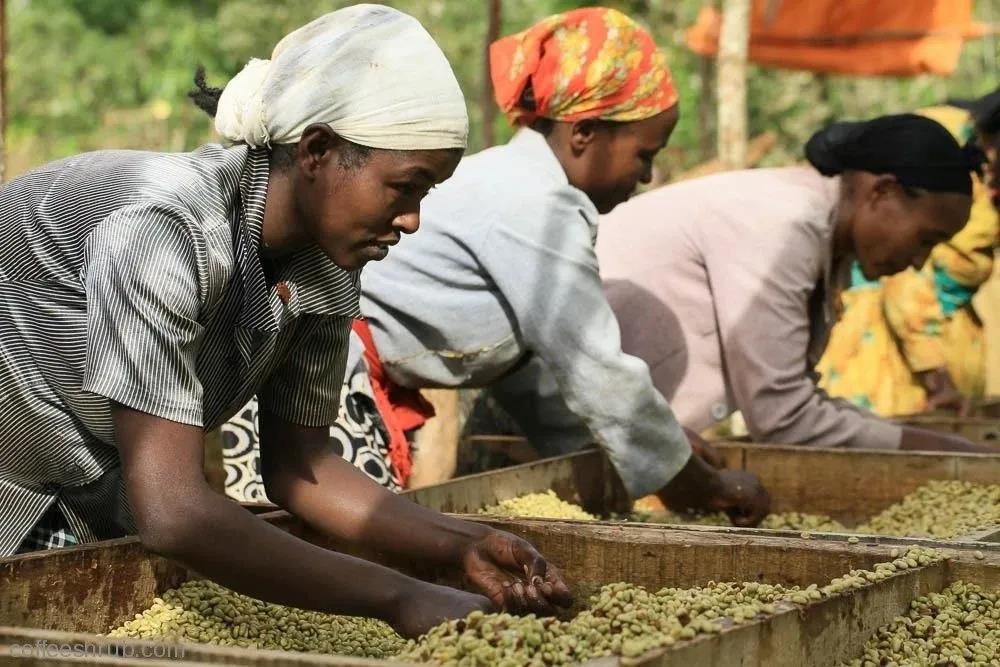
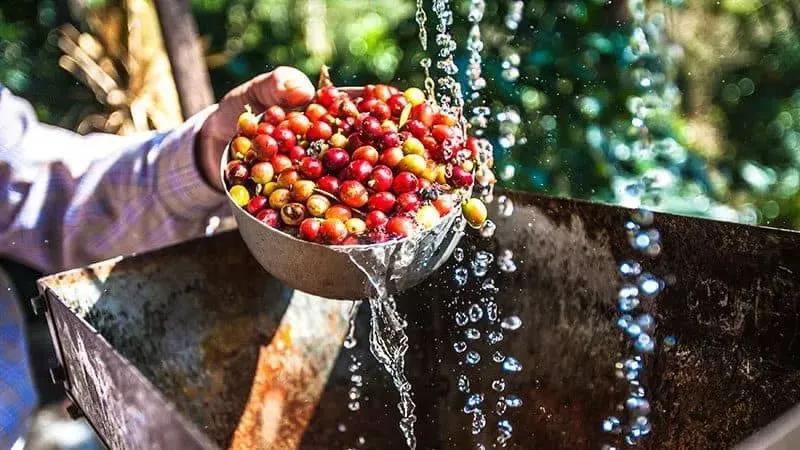
The washed processing method is key to the formation of Kochere's flavor: first the skin and pulp are removed, and the coffee beans with mucilage still attached must degrade their pectin in a fermentation tank for 18-36 hours. Differences in fermentation time among cooperatives significantly affect acidity sharpness—shorter fermentation (18-24 hours) highlights bright citrus, while longer fermentation (30-36 hours) enhances tropical fruit layers. After washing, the moisture content is reduced to 12% through sun drying or mechanical drying, and finally the parchment is removed to complete the drying stage.
The region's G1-grade washed beans present a typical three-stage flavor structure: the dry aroma is dominated by orange blossom and lemon essential oil; the wet aroma releases a blend of black tea and jasmine; on the palate, citrus acidity is accompanied by a mild ginger-like spiciness, and the finish reveals honey sweetness and an oolong tea aftertaste. The acidity is bright but not sharp, and the body is medium-light, suitable for drinkers who prefer a refreshing mouthfeel.

A special note on coffee varieties: Ethiopia, as the birthplace of Arabica, is home to tens of thousands of wild hybrid varieties. Due to government protection policies, specific genetic data is not made public, and exports are uniformly labeled "Heirloom native varieties." Uneven bean size is normal for this type and is in fact a reflection of varietal diversity.
According to the grading standards established by the Ethiopia Commodity Exchange (ECX) in 2008, washed beans are divided into grades G1-G5 based on physical defect rate and cupping score—G1 requires no more than 3% defective beans and a cupping score ≥85 points. Kochere washed beans meet this top standard, meaning they possess a distinct regional character and stable extraction performance.
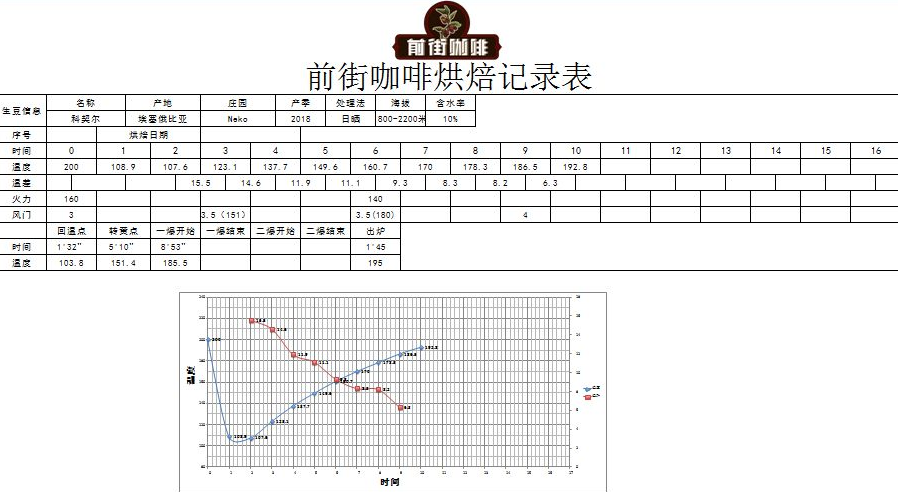
Recommended professional roasting parameters (reference values): charge temperature 200°C; the yellowing point (before first crack) controlled in the 151°C-140°C range; adjust the damper to 3.5-4 to balance dehydration and caramelization. First crack starts at 195°C, with development time maintained at about 1 minute 45 seconds, which can highlight citrus notes without amplifying defective flavors. Be careful to avoid over-roasting, which causes loss of honey sweetness.
Recommended home brewing recipe (V60 dripper): 15g dose, 1:15 coffee-to-water ratio, 91°C water temperature, medium-fine grind (78% passing a No. 20 sieve). Use a three-pour method—first pour 30g for a 30-second bloom, second pour 100g in circles, and final pour 95g to a total water amount of 225g, with total extraction time controlled within 1 minute 50 seconds. These parameters effectively balance the sweet-sour ratio and avoid the sharp acidity produced by over-extraction.

Advanced tips: if you prefer stronger citrus notes, raise the water temperature to 93°C and shorten the grind (increase to 80% passing rate); for a fuller body, lower the water temperature to 89°C and extend development time. Whatever the adjustment, maintaining a stable pouring rhythm and even bed distribution is key.