Jamaican Blue Mountain Coffee: Origin, Flavor, Processing and Pour-Over Guide
Introduction: Jamaican Blue Mountain coffee is celebrated as one of the world's top coffees, prized for its distinctive flavor and strict cultivation standards. This article takes a closer look at the growing environment, variety characteristics, main processing methods, flavor profile and pour-over recommendations for Blue Mountain coffee, helping coffee lovers fully understand this "golden bean of the coffee world" and grasp the key points of selecting and brewing it.
Mention Jamaica, and many people immediately think of the famous Blue Mountain coffee. As one of the world's recognized top coffees, Blue Mountain coffee is often called the "golden bean" of coffee thanks to its outstanding quality and scarce output. True Blue Mountain coffee comes only from specific elevation zones in Jamaica's Blue Mountain range and must pass strict certification by local official bodies, making it extremely precious on the global market.
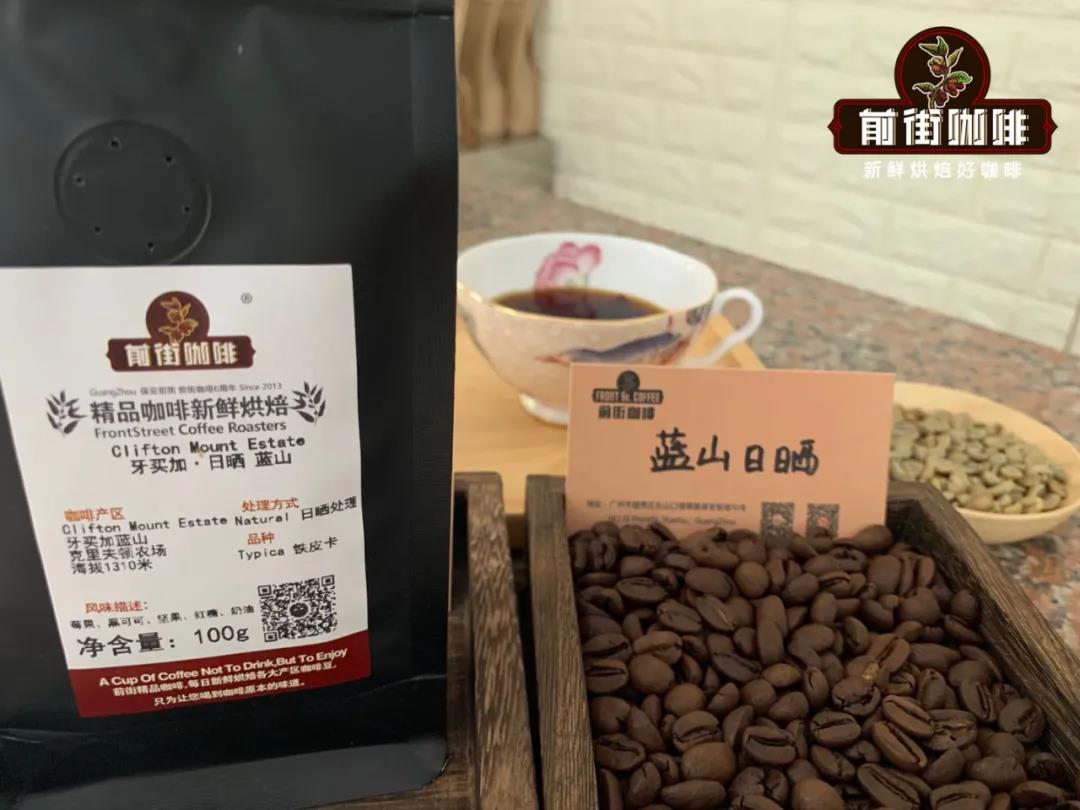
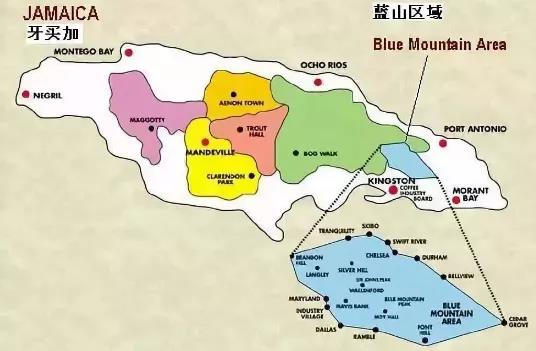
The core producing region of Blue Mountain coffee lies in the east of the island of Jamaica, surrounded by the azure Caribbean Sea; the mountains reflect the ocean's deep blue sheen in the sunlight, which is how the "Blue Mountain" got its name. The area has fertile volcanic soil, a mild climate and abundant rain and mist, providing a near-ideal environment for coffee trees. Planting elevations are generally above 1,000 meters, with premium zones mostly concentrated between 1,200 and 1,700 meters; coffee grown at around 1,310 meters is generally considered to show the best flavor expression.
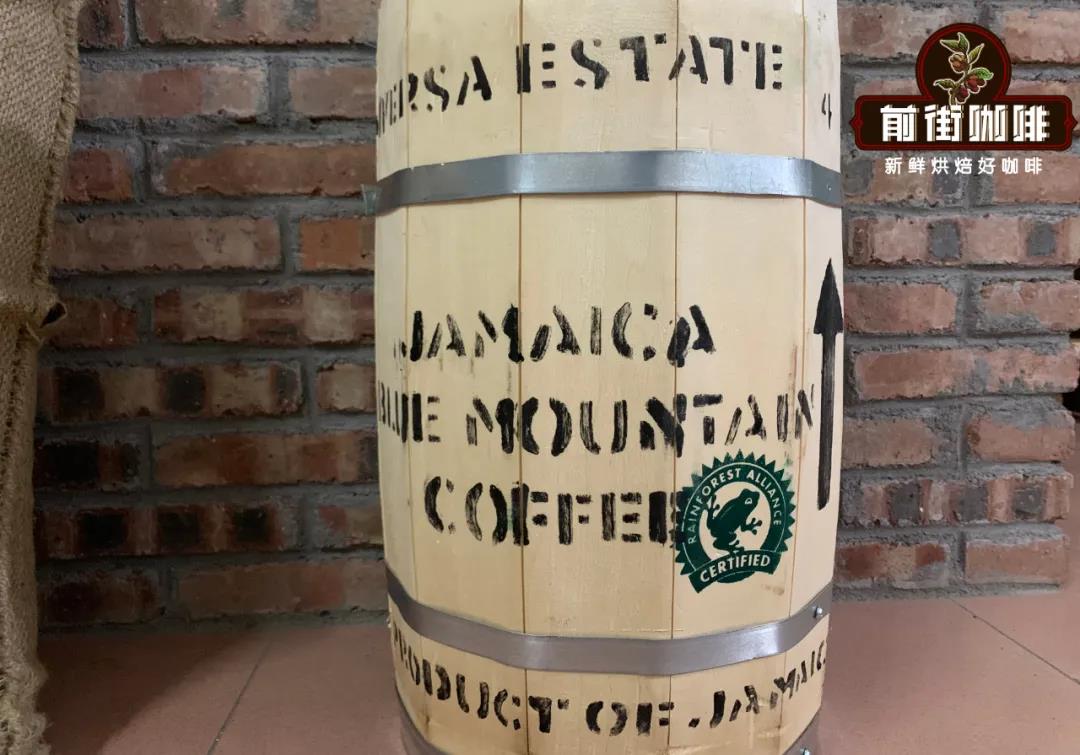
Under the strict standards of the Jamaica Coffee Industry Board (CIB), only coffee grown in specific high-elevation zones of the Blue Mountain range and produced by the four officially certified estates may bear the name "Jamaica Blue Mountain Coffee." These estates are distributed across the heart of the Blue Mountain range; among them, the historic Clifton Farm is one of the few estates certified by the Rainforest Alliance (RA), whose certification mark features a prominent frog, which is why such coffee is often called "frog beans." Rainforest Alliance certification not only requires farms to protect the surrounding ecosystem but also strictly limits pesticide use and regulates waste management, ensuring coffee cultivation is sustainable and environmentally friendly.
The scarcity of Blue Mountain coffee is closely tied to the history of its distribution. Data shows that Japan accounts for about 90% of the global Blue Mountain coffee consumer market, followed by Europe and North America, while the Chinese market accounts for only about 15%. This distribution pattern can be traced back to 1969, when Japan provided loans to Jamaica to support upgrades to the coffee industry and continued investing in cultivation and management techniques, thereby gaining priority purchasing rights to Blue Mountain coffee. In addition, the mild, balanced flavor profile of Blue Mountain coffee (low acidity, full body, prominent sweetness) aligns closely with Japanese consumers' preferred taste, further consolidating its market position.

Authentic Blue Mountain coffee is graded by quality into three levels: Blue Mountain No.1 is the highest grade, using only uniform, plump beans; Blue Mountain No.2/No.3 decrease in quality in turn; there are also Blue Mountain blend beans (containing 60% Blue Mountain beans) and Blue Mountain flavor beans (containing no Blue Mountain beans). Consumers should note when buying that only coffee certified by the CIB, grown above 1,000 meters and from the legally designated estates can be called genuine Blue Mountain coffee.
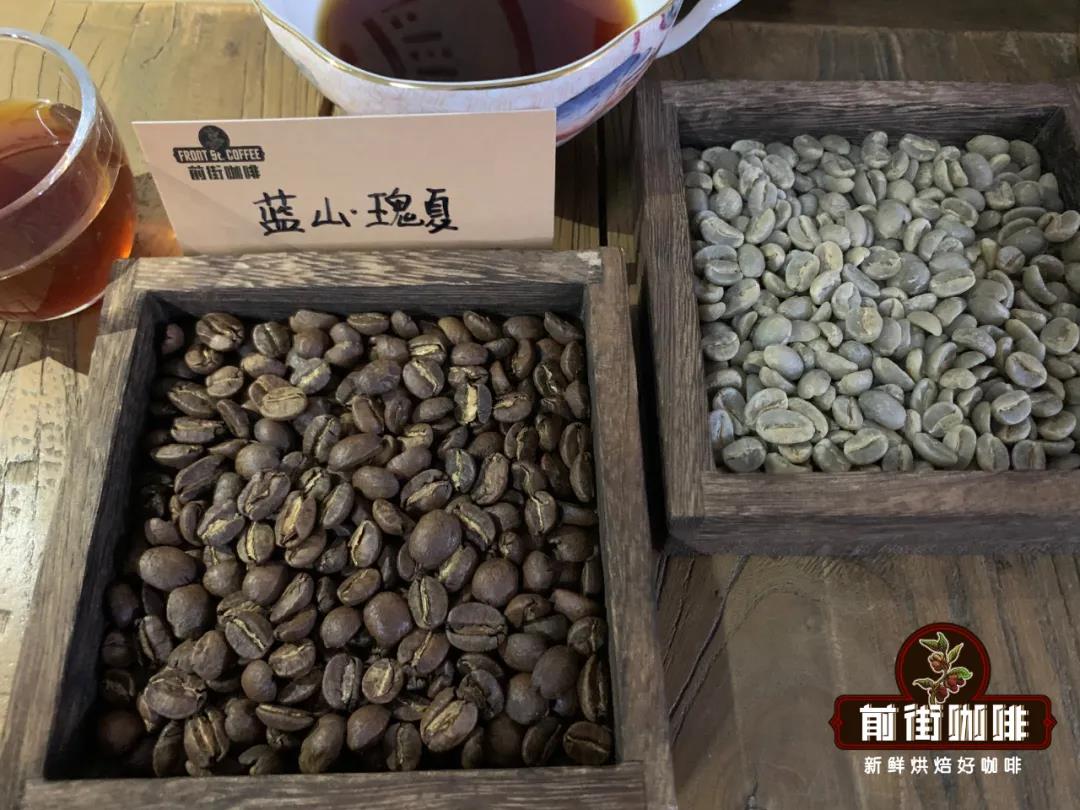
In terms of processing, Blue Mountain coffee mainly uses two traditional methods: washed and natural. The washed method is the most classic: the coffee cherries are first pulped to remove the skin and fruit, then undergo a 12-18 hour fermentation stage in which microorganisms break down the pectin; after fermentation, the beans are repeatedly scrubbed in running clean water until the surface is smooth and clean (at this point the beans are still wrapped in the parchment, with a moisture content of about 50%). Next comes the key drying stage—the beans must be dried evenly in the shade, turned regularly to ensure consistent exposure, until the moisture content drops to 12%-14% (if moisture is too high, the beans are prone to mold and spoilage, leading to abnormal flavors). Finally, the sorted beans are stored in dedicated warehouses to age, further improving flavor harmony. The flavor characteristics of washed Blue Mountain coffee are: bright, soft acidity (similar to citrus), prominent sweetness, a balanced mouthfeel, nutty and chocolate base notes, with clear overall layering and no single flavor dominating.
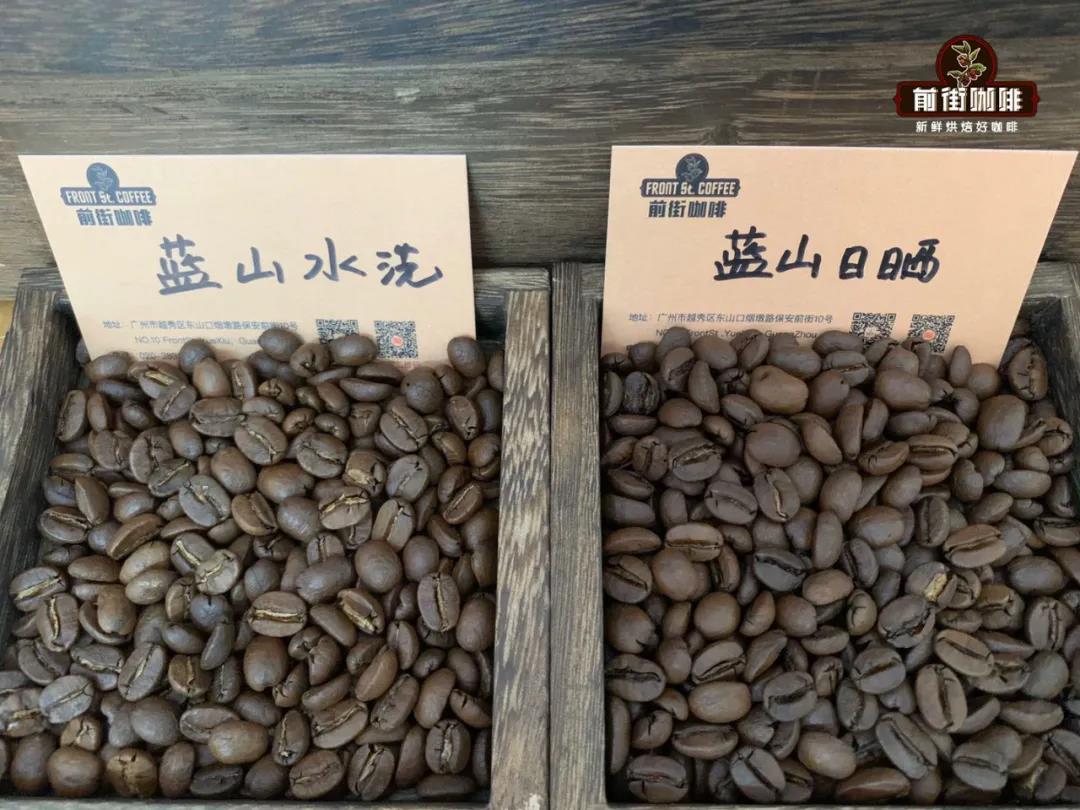
In recent years, some estates have begun experimenting with natural processing to enrich the flavor dimensions of Blue Mountain coffee. Jamaica's natural method differs from that of Ethiopia and other producing regions: the coffee cherries (with the beans inside) are spread directly on raised beds or clean ground for natural drying, during which they must be turned frequently by hand to prevent mold (especially in the rainy, humid environment), while weather changes are monitored strictly—the Blue Mountains' year-round fog and rain pose an enormous challenge to natural processing, with drying often taking as long as 2-3 weeks (far longer than the 10-15 days typical of conventional regions). Eventually, the fruit pulp and pectin gradually dehydrate during slow drying, and the remaining material is removed with a huller, bringing the moisture content down to about 11%. The flavor expression of natural Blue Mountain coffee is: a light berry acidity on entry (such as smoked plum and mulberry), accompanied by a soft tea-like quality, a mid-palate of dark chocolate and nutty richness, and a clean finish with a slight fermented aroma.
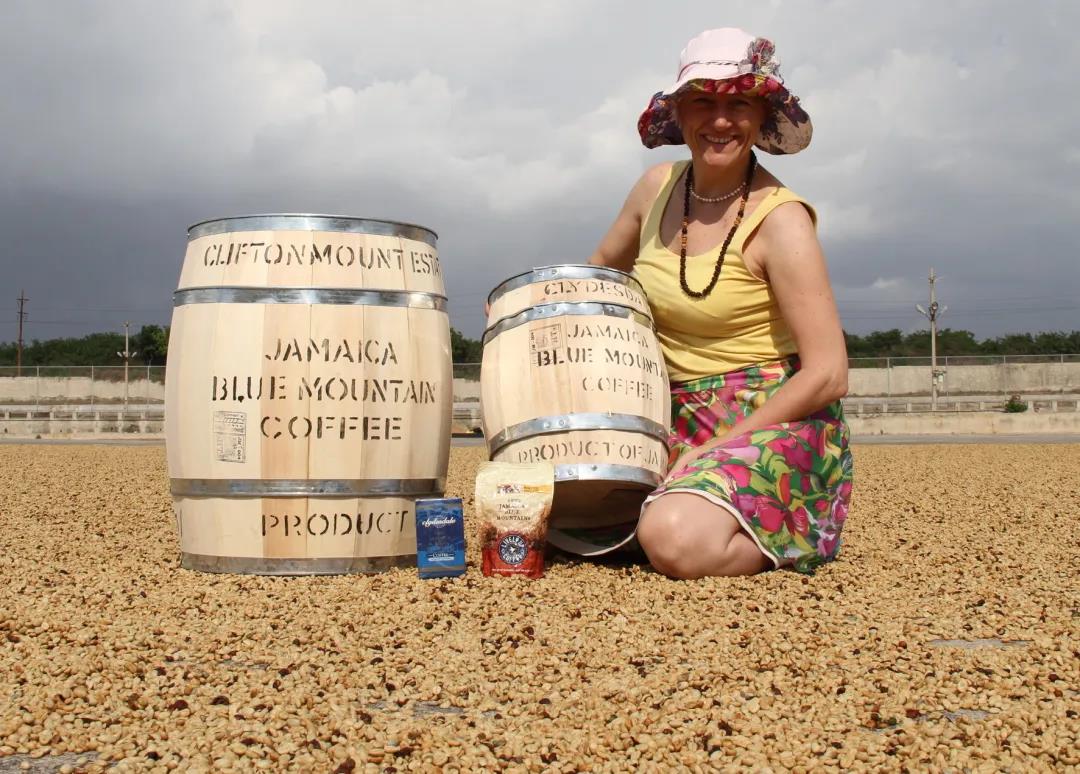
Blue Mountain coffee's packaging is also distinctive—traditionally, green beans are stored in barrels made of American temperate forest wood. These barrels not only effectively block outside oxygen and moisture but also slow the evaporation of coffee aroma, ensuring quality stability during transport. The outside of the barrel usually bears the "BLUE MOUNTAIN COFFEE®" trademark, the official Jamaican export mark by which consumers can identify genuine products.
For home brewing, the recommended parameters for Blue Mountain coffee are as follows: grind size medium-fine (close to the texture of granulated sugar, suitable for pour-over or siphon); water temperature controlled at 90-92°C (avoid high temperatures that cause over-extraction and bitterness); a coffee-to-water ratio of 1:15 (e.g., 15 grams of beans to 225 milliliters of water); for the brewing technique, a "center pour plus slow circling" approach is recommended to ensure the water flows evenly through the coffee bed and fully extracts flavor compounds. If choosing pour-over, try washed Blue Mountain first; its balanced acidity and sweetness and full body better showcase the classic flavor. If you prefer a rich, full-bodied experience, natural Blue Mountain is a good choice.
In summary, the appeal of Jamaican Blue Mountain coffee stems from its exceptional natural environment, rigorous cultivation standards and craftsmanship in processing. Whether it is the fresh balance of the washed version or the berry-and-tea character of the natural version, both offer coffee lovers a richly layered taste experience. Understanding its origin background, processing differences and brewing key points will help you more deeply appreciate the unique charm of this "golden bean."