Burundi Specialty Coffee: Regions, Varieties and Flavor Guide
Introduction: Explore the unique appeal of Burundi coffee, from its high-altitude growing environment to the bright acidity of the Bourbon variety. This article details the terroir characteristics of five core regions, washed processing methods, and professional-level roasting and brewing parameters. Whether you are a coffee enthusiast or a industry professional, you will find practical guidance on choosing beans and tasting.
As a jewel on the East African coffee map, Burundi's high-altitude growing belt produces a highly distinctive coffee flavor—vivid citrus acidity, layered fruit aromas, and a silky, full body. This land known as the "Heart of Africa" has become an important specialty coffee region thanks to its unique geographical conditions and recent industry innovation.
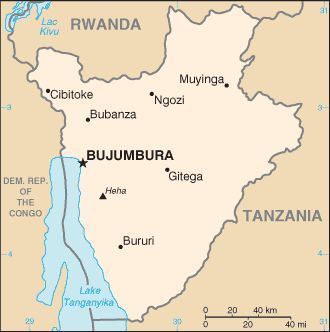 Burundi lies in the East African Rift Valley, with a national average elevation of 1,600 meters; plateaus and mountains account for over 70% of the country. A transitional subtropical-to-tropical climate brings mild average temperatures of 18-20°C, along with the main rainy season from March to April each year and abundant sunshine, providing an ideal growing environment for Arabica coffee trees.Note in particular: for every 100 meters of elevation gain, the synthesis efficiency of acidity compounds and aromatic substances in coffee beans increases by about 3%-5%, giving coffee from Burundi's high-altitude regions a natural flavor advantage.
Burundi's coffee industry has developed through ups and downs: coffee cultivation was introduced during the Belgian colonial period in the 1930s, but initial quality was limited by the lack of local consumption habits and forced collective purchasing policies. Political turmoil in 1993 brought the industry to a halt until development restarted after the 2006 ceasefire agreement. The key turning point came in 2007—the government opened up the construction of private washed processing stations, breaking the efficiency bottleneck of the state-run system; the 2011 Cup of Excellence (COE) competition further encouraged farmers to actively improve quality, with the top-scoring lot that year achieving 91.09 points.
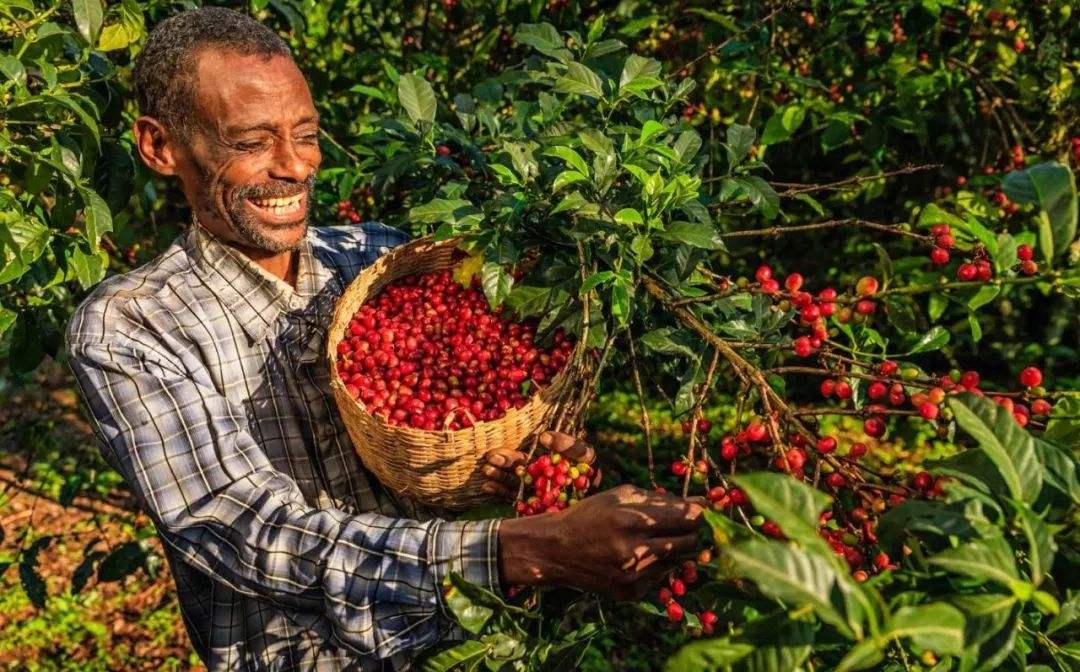 Burundi's five core regions each have their own characteristics:Kayanza and Ngozi at 1,700-2,000 meters elevation, with day-night temperature differences of 8-10°C, produce specialty beans with a dense body and prominent berry notes; in the 2015 COE competition, a Kayanza lot scored 91.09 points and Ngozi reached 88.92 points;Kirundo, near the Rwandan border, has washed beans from 1,400-1,700 meters that are already making a name, with a strong showing in the COE finals;Muyinga at 1,800 meters produces coffee with a flavor close to Kayanza but slightly less complexity;Kirimiro, in the central highlands, has a cool 12-18°C environment with 1,100 mm annual rainfall; besides producing COE-winning beans, it also has a professional coffee laboratory to control export quality.
Smaller regions are also worth attention:Rutana, though small in scale, produces coffee with a unique vanilla note through a family cooperative model, with mild acidity and a prominent body; 539 smallholder families (including 148 women growers) manage only 10-200 coffee trees each on average, with limited annual output but excellent quality.
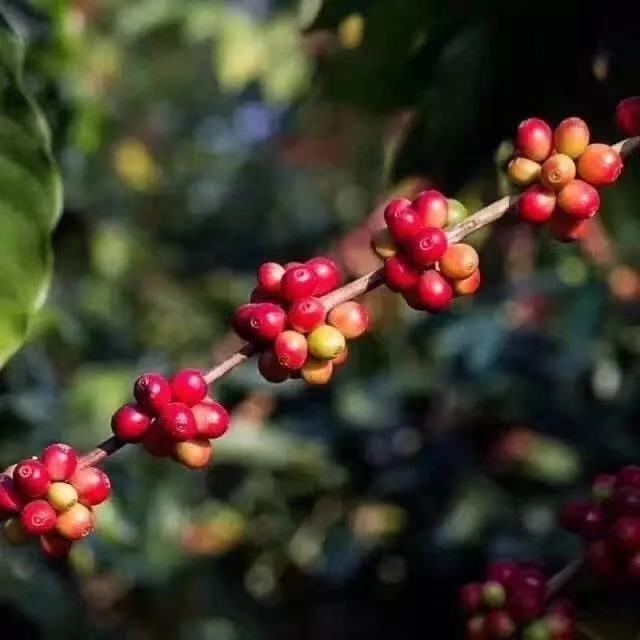
Burundi coffee cultivation is dominated by theBourbon variety, grown at elevations from 700 to 2,700 meters.Bourbon beans grown at high altitude (above 1,800 meters) accumulate more sugar in the fruit due to a longer growing cycle, often showing a bright, wine-like acidity and complex aromas. The variety originates from Réunion Island (formerly Bourbon Island); its red cherries are vivid in color when ripe, and compared with Yellow Bourbon and Pink Bourbon, Red Bourbon performs especially well in Burundi's high-altitude areas, with lively acidity and a caramel finish.
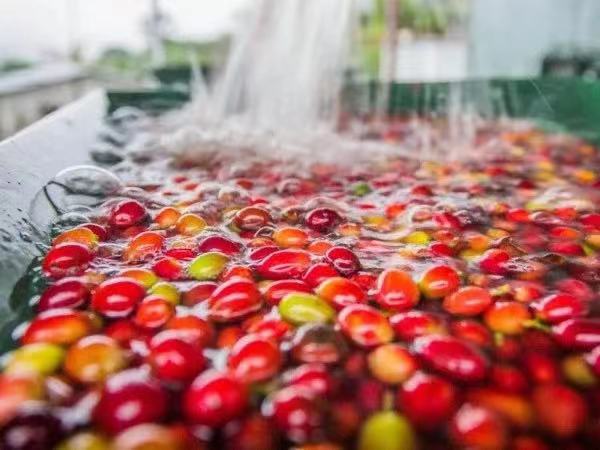
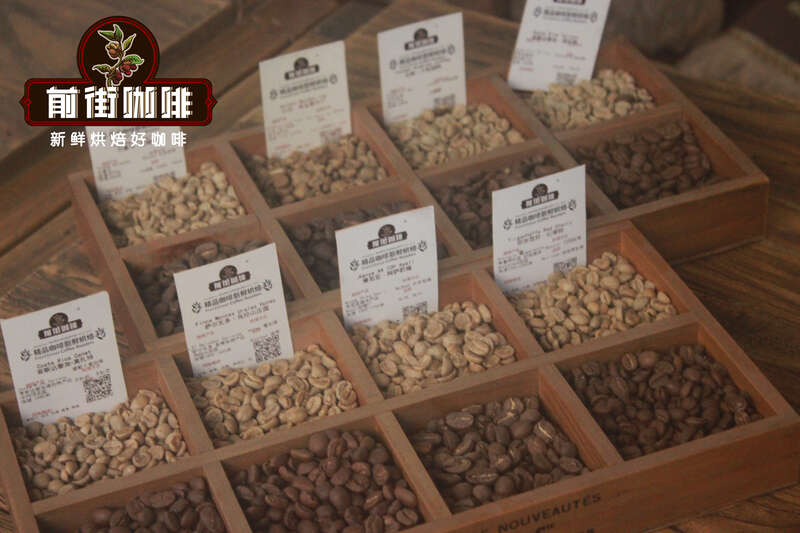 Burundi coffee generally uses thewashed processing method, which maximizes the expression of regional terroir: first, floating beans are removed to select quality fruit; after the outer skin and pulp are removed by a pulper, the mucilage-covered beans are placed in fermentation tanks for 16-36 hours to break down the pectin, then rinsed multiple times with clean water and placed on drying racks or mechanical dryers, and finally hulled after moisture content is controlled at 10%-14%. Temperature and humidity must be strictly monitored throughout the process,with an optimal drying temperature of 18-25°C over about 10-14 days.
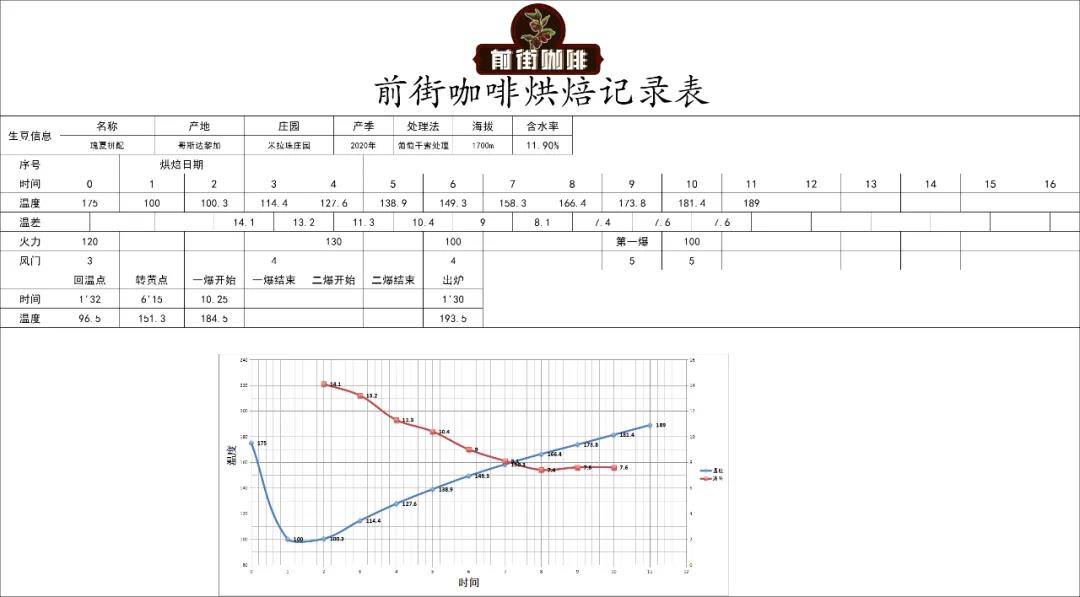
Take washed Bourbon from the Rutana region as an example: its flavor shows a harmonious balance of honey sweetness, kumquat acidity and violet floral aroma, with a light, gentle acidity. For professional roasting, a medium-light roast is recommended (for example, a Yangjia 800N roaster charged at 175°C and dropped at 193.5°C after first crack), which best highlights the acidity and floral-fruity notes. Recommended pour-over parameters: Hario V60 dripper, 15 g coffee to 225 ml water (1:15 ratio), 90°C water with a medium-fine grind (80% passing a No. 20 sieve); a three-pour technique effectively brings out its bright citrus acidity and creamy body.
 For coffee enthusiasts, cupping is recommended to experience the characteristics of different regions: Kayanza and Ngozi suit consumers who prefer berry notes, while Rutana satisfies drinkers looking for mild acidity. When buying, check the processing station information and roast date; freshness (2-4 weeks after roasting) is crucial to flavor expression.
The rise of Burundi coffee confirms the potential of African origins—from a colonial-era single crop to today's finely managed specialty system, every coffee bean carries the crystallization of highland sunshine and farmers' craftsmanship. By understanding its terroir code and processing methods, you will better appreciate this unique flavor gift from the "Heart of Africa."