Jamaica Blue Mountain No. 1 Coffee Brewing Guide: Pour-Over Parameters and Three-Stage Extraction
Introduction: Jamaica Blue Mountain coffee is known as the 'king' of the coffee world, and its distinctive flavor and rarity are sought after by coffee lovers. This article explains in detail how to properly brew Blue Mountain No. 1 coffee, including origin certification, roasting characteristics, pour-over temperature control and the three-stage extraction method, to help you fully bring out this coffee bean's mellow balance and nutty chocolate flavors.
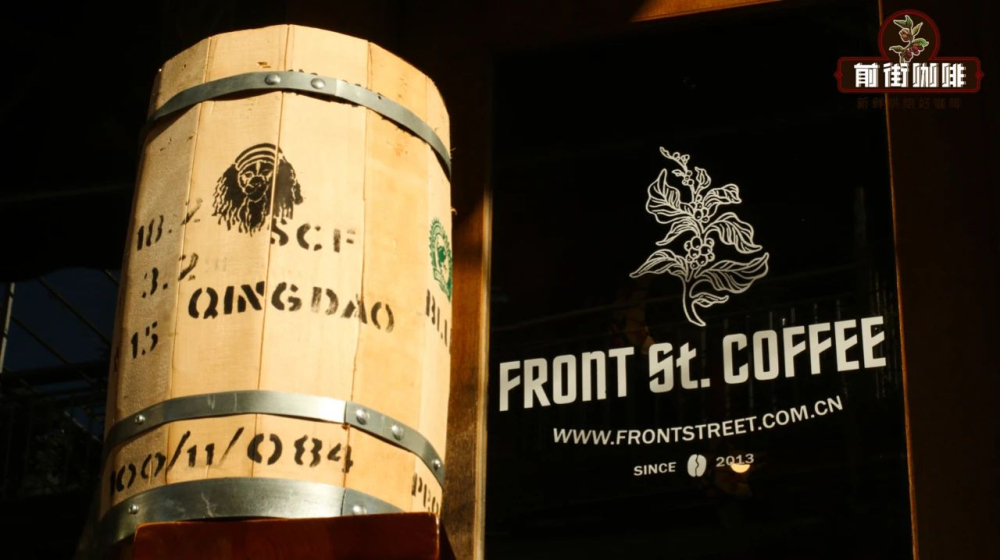
To taste authentic Jamaica Blue Mountain No. 1 coffee, you first need to understand its certification standards. True Blue Mountain coffee must come from specific growing areas above 1,000 meters in elevation in Jamaica's Blue Mountain region, and must obtain a certificate of certification issued by the Jamaica Coffee Industry Board (CIB). For import, green beans are usually shipped in wooden barrels, and superior products also bear the Rainforest Alliance green frog logo on the barrel; these details are key to distinguishing genuine from fake.
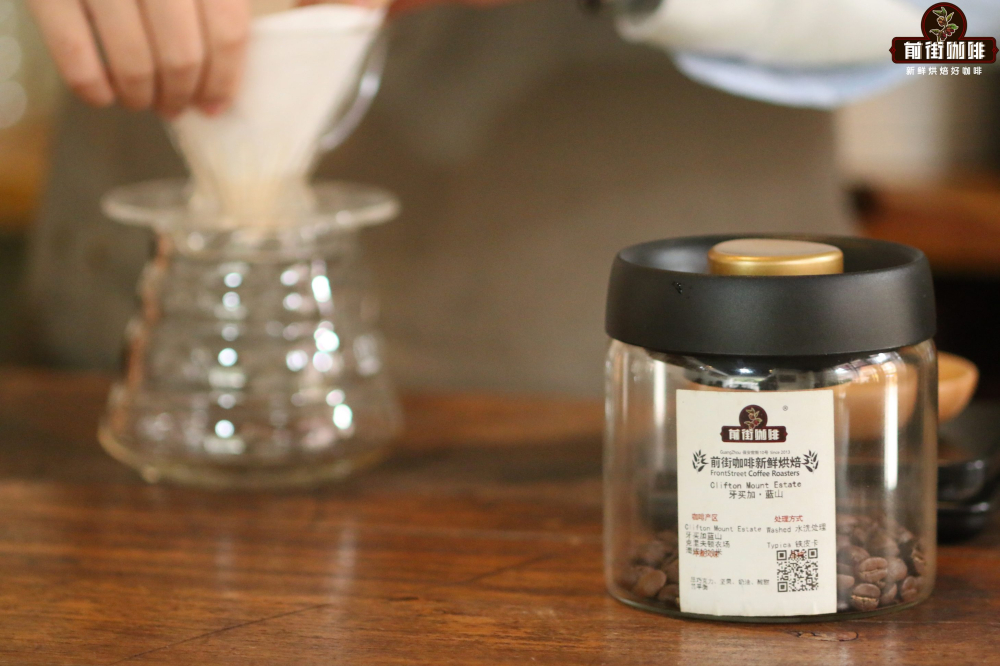
Not all coffee grown in the Blue Mountain region can be called Blue Mountain coffee. According to CIB standards, only Typica varieties grown above 1,000 meters may use the name 'Blue Mountain coffee.' Coffee produced below 1,000 meters is called High Mountain coffee; although its quality is second only to Blue Mountain, it belongs to a different grade. In particular, coffee grown elsewhere in Jamaica outside the Blue Mountain region cannot be given the Blue Mountain name, regardless of quality.
The CIB has strictly demarcated a core Blue Mountain coffee production area of about 6,000 hectares, covering the Saint Thomas, Saint Mary, Saint Andrew and Portland areas, where elevations range from 910 to 1,700 meters; the actual planted area accounts for only one third of the Blue Mountain growing region. This strict grading system ensures the quality and scarcity of Blue Mountain coffee.
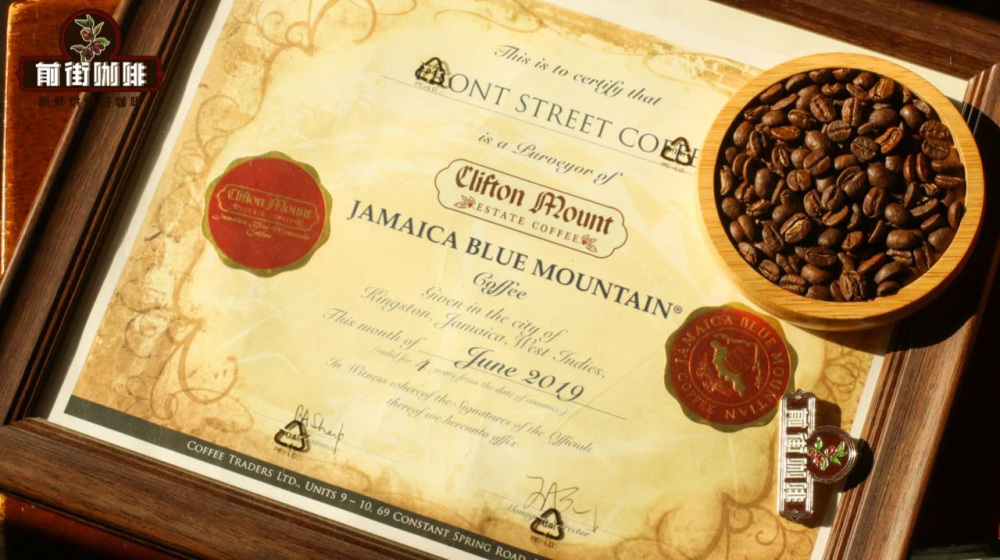
Authentic Blue Mountain No. 1 coffee usually comes from plantations at 1,310 meters in elevation, such as Clifton Farm. This farm is not only one of the larger estates in the Blue Mountain region but has also obtained Rainforest Alliance certification; the wooden barrels of the coffee beans it exports bear the iconic green frog logo. The growers here are mostly smallholder families who have farmed for generations, many for more than two hundred years, and the exceptional terroir creates the distinctive flavor of Blue Mountain coffee.
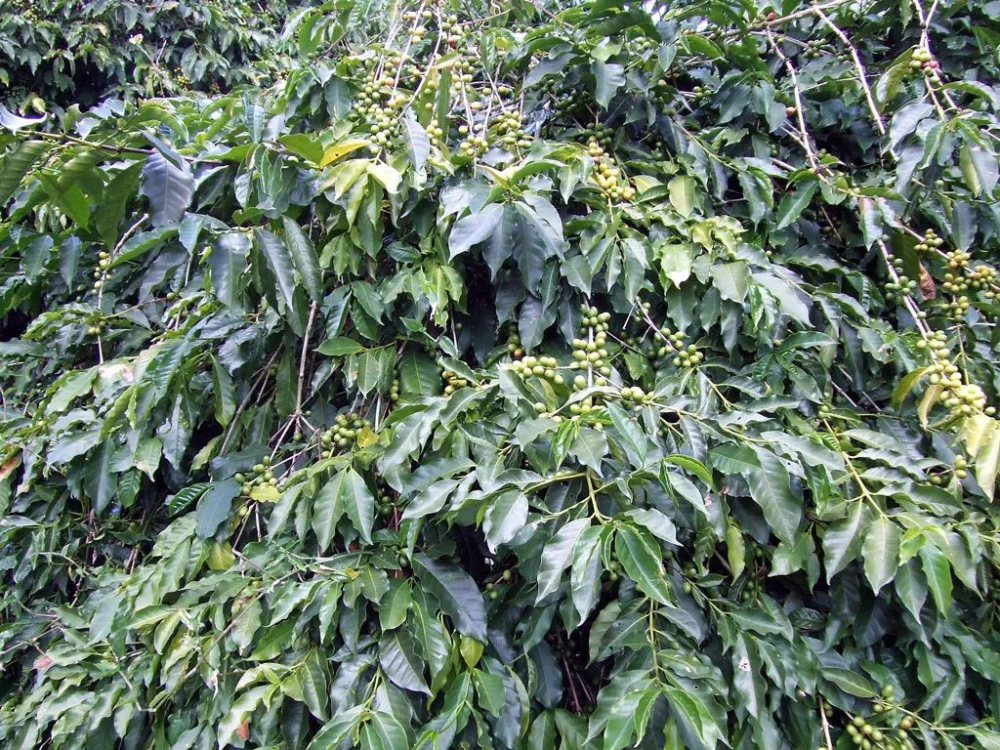
Blue Mountain coffee is mainly of the Typica variety, which was introduced to Jamaica from Martinique in the 1720s. After more than two hundred years of local cultivation, Blue Mountain Typica has developed stronger disease resistance, especially notably better resistance to coffee berry disease than ordinary Typica varieties. Note, however, that this distinctive flavor profile is difficult to replicate in other regions, which is one reason Blue Mountain coffee is irreplaceable.
In recent years, some estates have tried growing the Geisha variety, for example at a plantation 1,310 meters in elevation. However, Geisha coffee usually needs a higher elevation (such as above 1,500 meters) to fully express its signature floral aroma, and the elevation conditions in the Blue Mountains limit this characteristic. Cupping shows that the floral aroma of Blue Mountain Geisha is relatively weak, with only a faint jasmine scent detectable, in sharp contrast to Geisha from high-elevation regions.
The flavor characteristics of Blue Mountain No. 1 coffee can be summarized as a balance of acidity, sweetness and bitterness, with excellent body. Compared with the flamboyant floral aroma of Geisha, the bright acidity of Ethiopian beans, the pronounced sweetness of Brazilian beans or the heavy, aromatic body of Mandheling, Blue Mountain coffee may seem more restrained, but it represents the classic balance of coffee flavor. Many coffee lovers are devoted to Blue Mountain not only for its taste but also because it carries the deep history and sentiment of coffee culture.
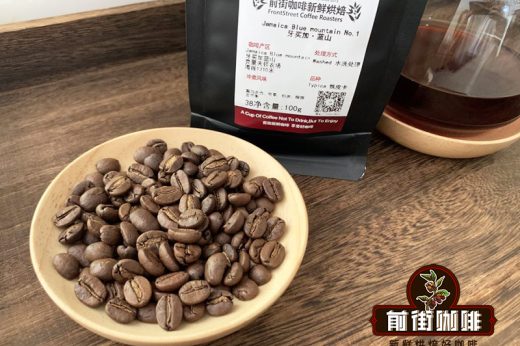
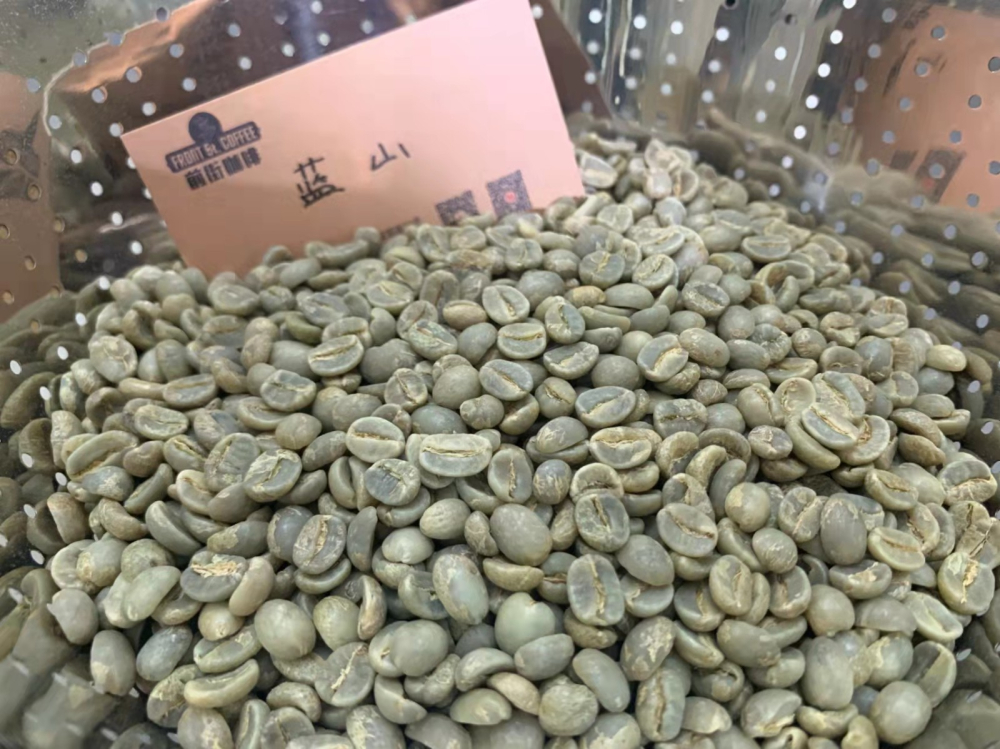
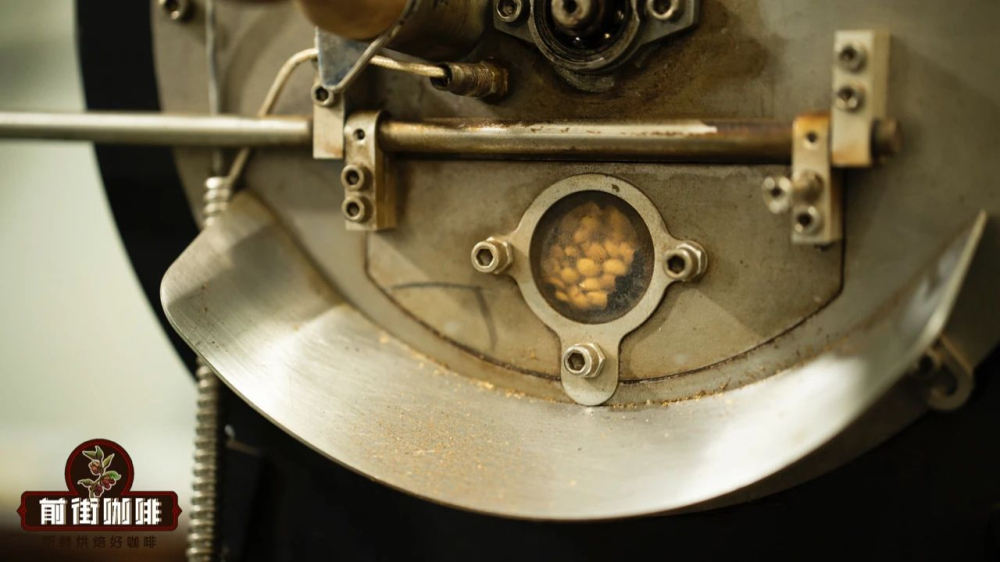
To fully bring out the characteristics of Blue Mountain coffee, a light-to-medium to medium-dark roast is recommended. A typical roast curve is: charge at a drum temperature of 165°C, initial burner setting 130, airflow 3; at the turning point of 1 minute 32 seconds, the drum temperature drops to 95.8°C; at 3 minutes set airflow to 4, and at 4 minutes increase the burner to 140. When the bean surface turns yellow and the grassy smell disappears (about 153.3°C), the dehydration phase begins; at 8 minutes 36 seconds, wrinkles and dark streaks appear on the bean surface and the toast aroma turns to coffee aroma, signaling that first crack is about to begin. Watch the first crack closely; it begins at 10 minutes 06 seconds, and after 3 more minutes of development, drop the beans at 198.5°C.
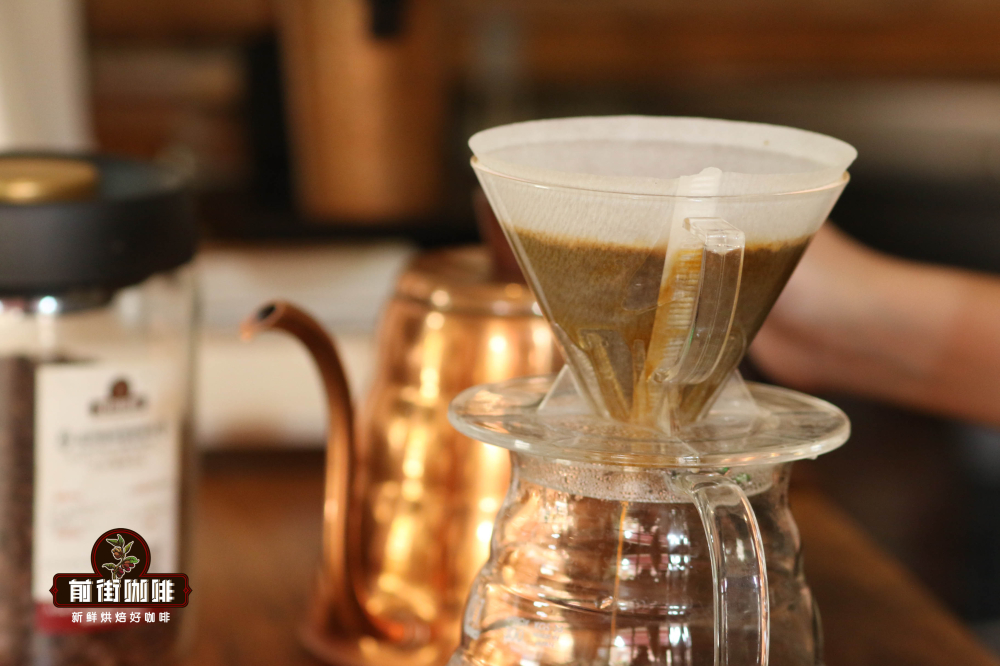
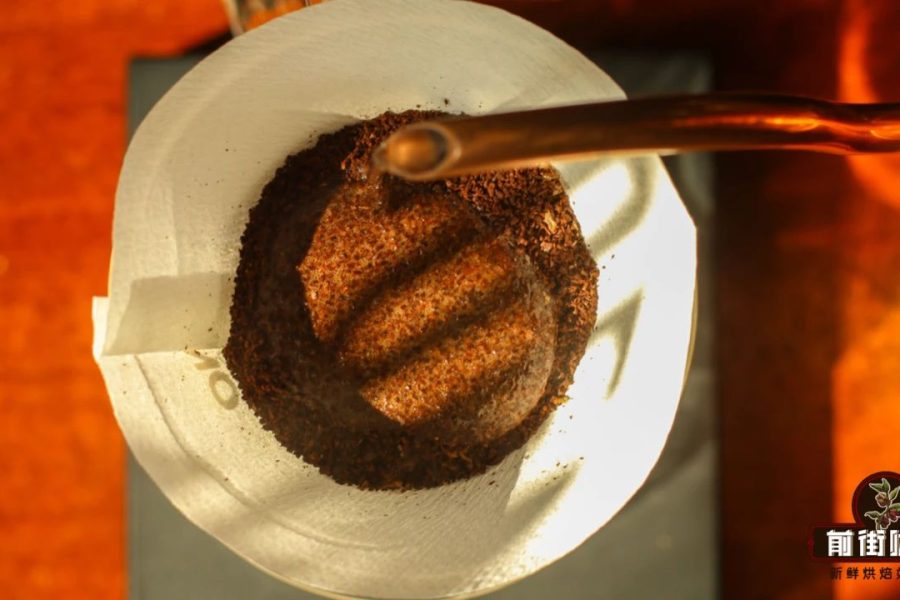
Because it is roasted to a near medium-dark level, Blue Mountain coffee has good body. To further enhance the fullness of the mouthfeel, brewing with a Kono dripper is recommended. This dripper uses a divergent rib design; unlike the spiral ribs of the V60, its small-hole filtration structure slows the water flow and favors immersion-style extraction, bringing richer flavor layers and a fuller mouthfeel.
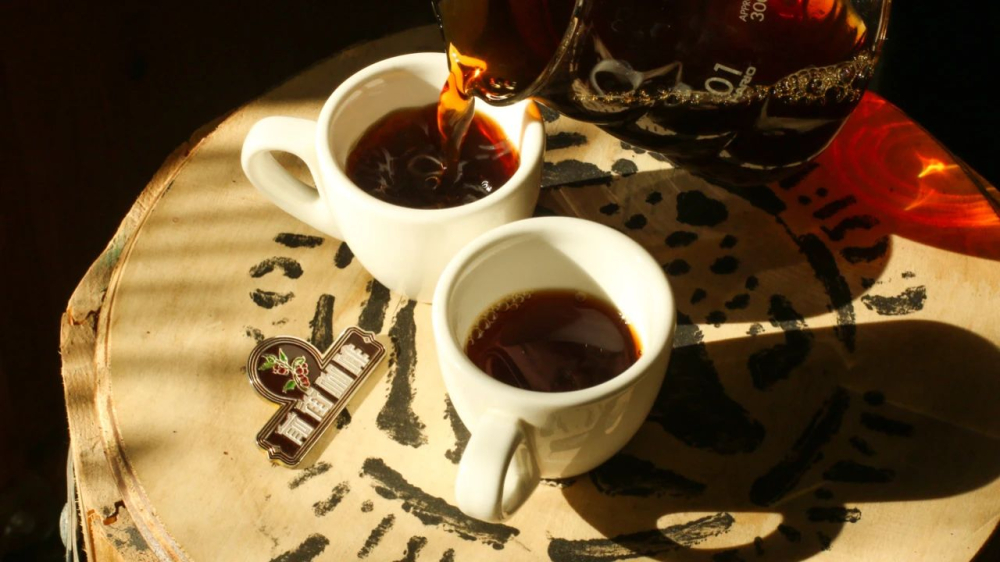
When brewing Blue Mountain coffee, the water temperature is best controlled at 88°C. This temperature avoids the lack of flavor caused by under-extraction while preventing the bitterness brought by over-extraction at high temperatures. For medium-dark roasted coffee beans, 88°C water helps balance acidity, sweetness and bitterness and fully brings out the nutty and chocolate flavors of Blue Mountain coffee.
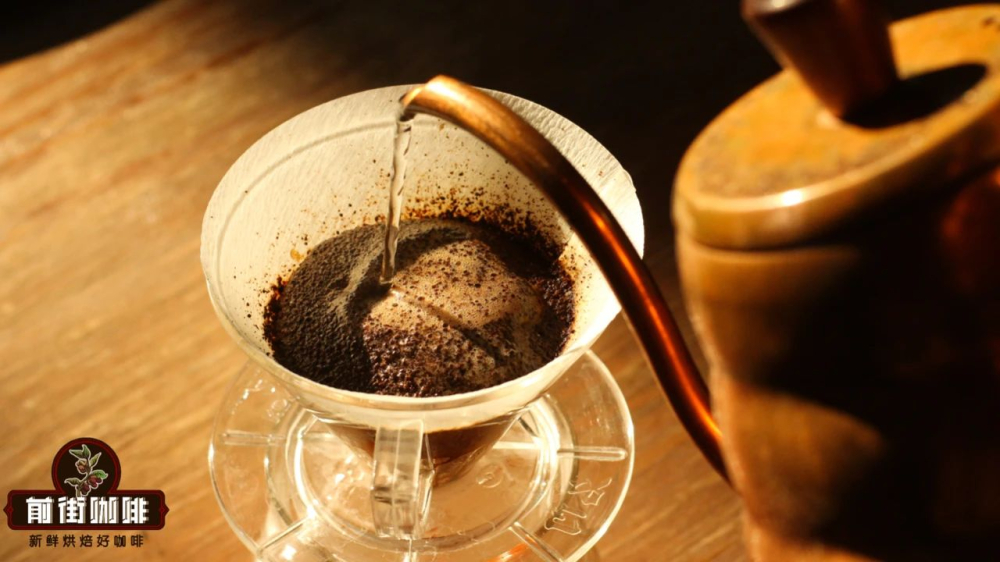
The specific brewing parameters are as follows: use a Kono dripper, 15 grams of coffee, a coffee-to-water ratio of 1:15, and a medium-coarse grind (75% passing a No. 20 standard sieve). Brewing steps: first pour 30 grams of water for a 30-second bloom; then, with a slow, small stream, pour in circles from the center outward to 95 grams (total water 125 grams); when the coffee bed has dropped by half, switch to a fast, large stream and quickly pour 100 grams of water (total water 225 grams). Finally, wait until the coffee has fully dripped through, then remove the dripper; total extraction time is about 1 minute 59 seconds. Staged extraction may cause uneven coffee concentration in the server, so it is recommended to swirl thoroughly before tasting.
The resulting Blue Mountain coffee is clear and bright, with a mellow entry of dark chocolate and nuts, a harmonious balance of acidity, sweetness and bitterness, high cleanliness and a long finish. Through precise parameter control and scientific brewing methods, you can recreate the distinctive charm of this world-class coffee at home.