Panama Elida Estate Geisha: Boquete Varieties and Processing Guide

Introduction: Explore Finca Elida in Panama's renowned Boquete region and its specialty coffee, famous for anaerobic natural Geisha. This article details the estate's geographical advantages, the characteristics of its main varieties, and its unique anaerobic fermentation with low-temperature slow natural drying process. It also compares varieties such as Typica and offers professional roasting and pour-over parameters to help you fully grasp the terroir of this top production region.
Panama Elida Estate Overview
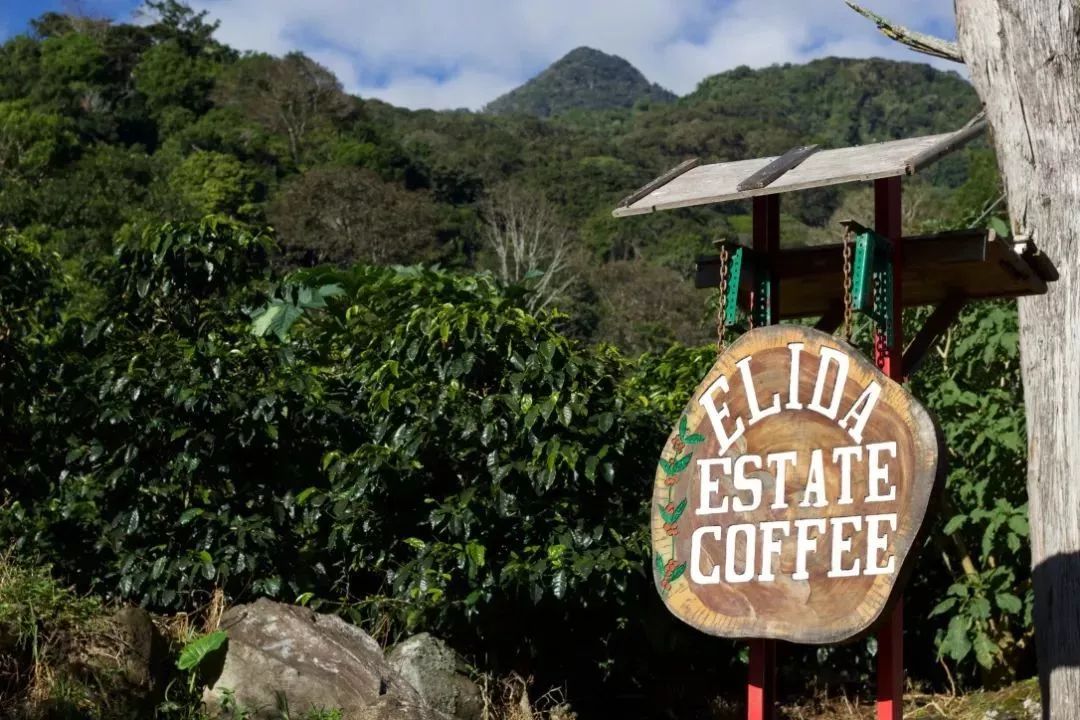
Finca Elida, located in Panama's famous Boquete region, belongs to the long-established Lamastus family and has been a representative specialty coffee producer since its founding in 1918. The 65-hectare estate has more than half of its area within Baru Volcano National Park, with only 30 hectares planted to coffee and the rest kept as primary forest. Planting elevations range from 1670 meters to 1850 meters, making it one of the highest coffee estates in Panama.

The high-altitude environment brings significant day-night temperature differences, delaying coffee cherry ripening by about a month. Combined with the rich nutrients of the volcanic soil and the unique microclimate created by Baru Volcano, this produces the outstanding quality of Elida Estate coffee. The estate is not only a frequent winner at BOP (Best of Panama), but in 2018 it set a competition cupping record with 94.66 points, and in 2019 it took first place in the Geisha processing category with 95.25 points.
Comparison of Core Variety Characteristics
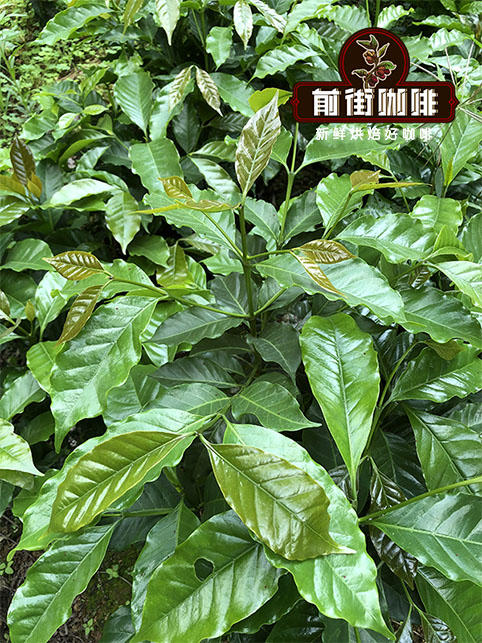
Finca Elida mainly cultivates three varieties: Geisha, Caturra and Typica. Typica, a native Ethiopian variety, is known for its elegant flavor but has weak disease resistance and low yield, and is gradually being replaced by higher-yielding varieties such as Caturra. Caturra, a Bourbon mutation, has a short tree shape that facilitates harvesting and adapts to high-density planting, but requires extra fertilizer and has a biennial bearing cycle.
The Geisha variety is known for its complex floral and fruity aromatics, often showing tropical fruit notes such as mango, guava and citrus. This unique flavor comes from its native Ethiopian genetics. Different elevations and processing methods significantly affect the final flavor expression, and Boquete's volcanic soil conditions further enhance the layering of the aromatics.
Detailed Anaerobic Natural Processing
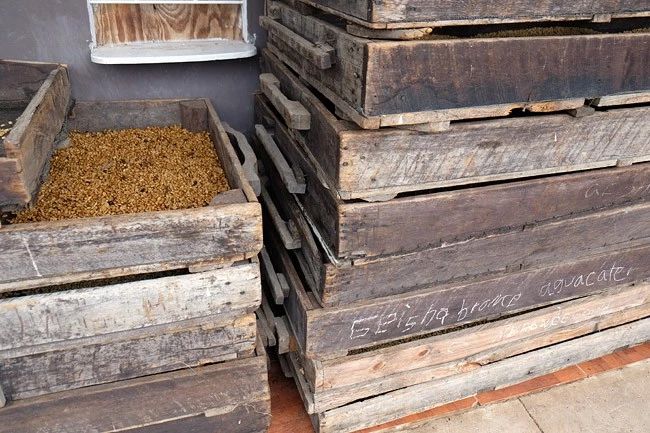
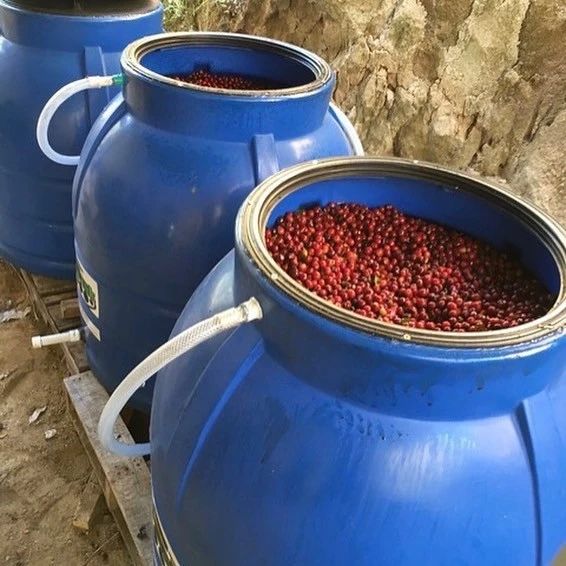
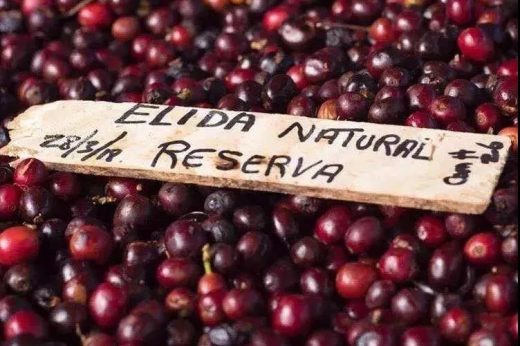
Finca Elida's top Geisha uses an anaerobic fermentation low-temperature slow natural process. After picking, the cherries are immediately transported to the processing facility halfway up the mountain, where fully ripe coffee cherries are strictly selected. The process includes 4-5 days of anaerobic fermentation in sealed containers, followed by slow drying on raised beds. This method requires more time and labor; low-temperature slow drying (usually lasting 2-3 weeks) optimizes water activity and improves flavor complexity and storage stability.
Particularly noteworthy is the low-temperature resting period of more than 5 months (Low Temperature Resting), a concept promoted by coffee expert George Howell that allows coffee beans to fully develop flavor compounds in a low-oxygen environment. In practice, resting time must be adjusted according to elevation and processing method; Boquete's high-altitude environment usually requires a longer maturation cycle.
Regional Variety Panorama and Flavor Differences
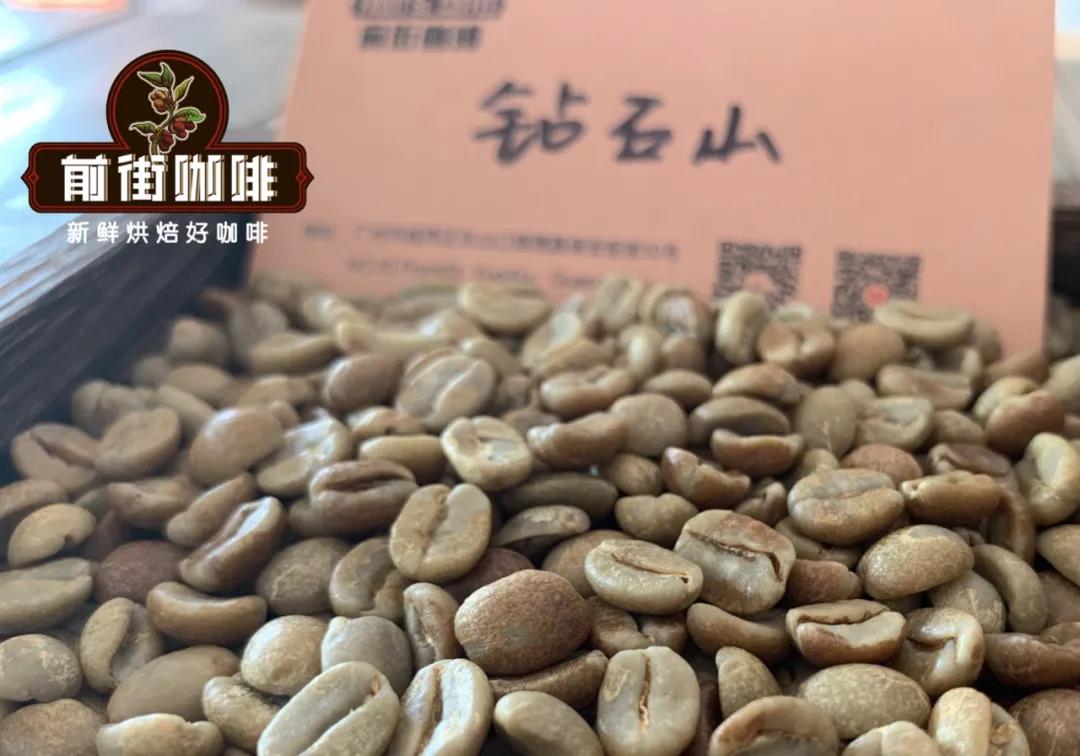
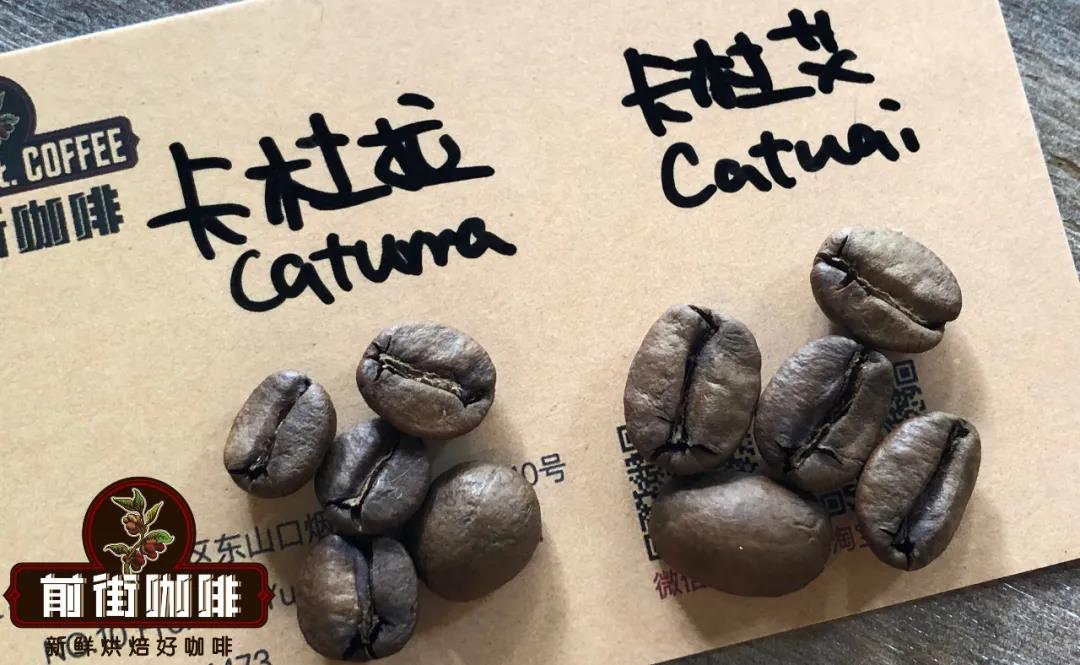
Besides Geisha, Finca Elida's Typica also performs impressively. Under natural processing, this variety shows dried-fruit aromas such as raisin and peach, with sugarcane sweetness and a refreshing green-tea finish. Compared with Hacienda La Esmeralda's Diamond Mountain Catuai natural from the same elevation range (commonly citrus and honey notes), Elida's Typica has a more restrained and lasting sweet aroma.
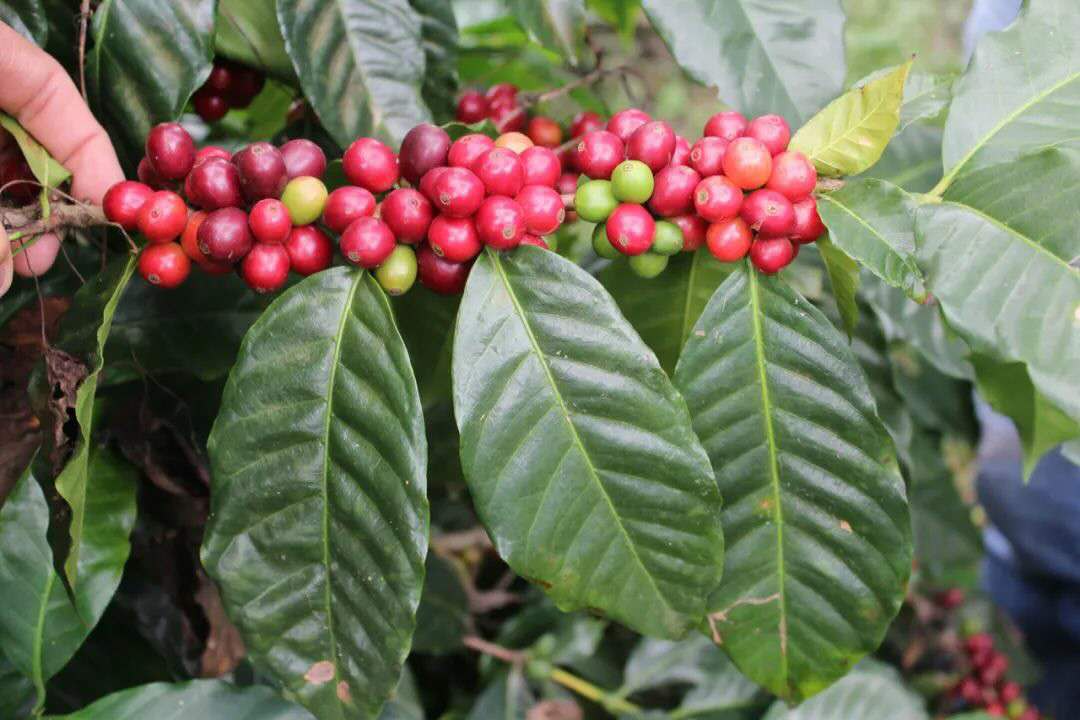
The Boquete region as a whole is dominated by the 1400-1850 meter elevation band. Besides Finca Elida, surrounding growing areas generally use shade cultivation techniques. Under different microclimatic conditions, the Geisha variety may show diverse changes from tropical fruit to a black-tea finish, closely related to fermentation technique and harvest ripeness.
Professional Roasting and Extraction Plan
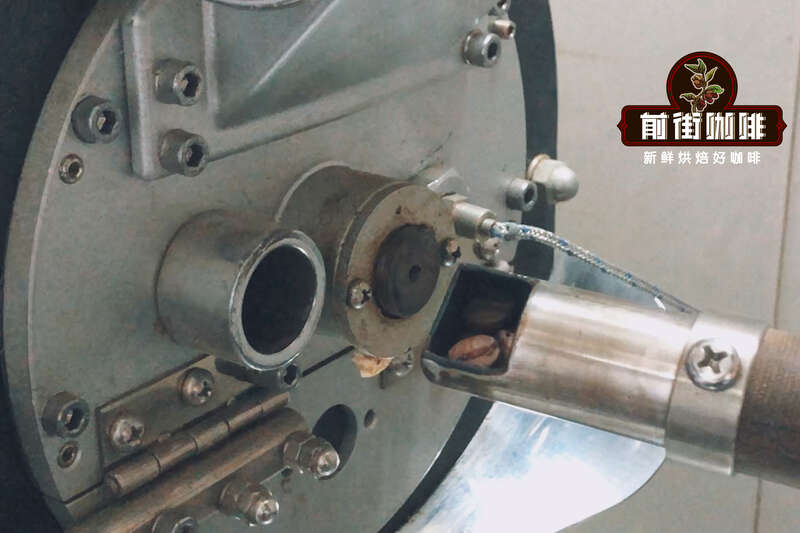
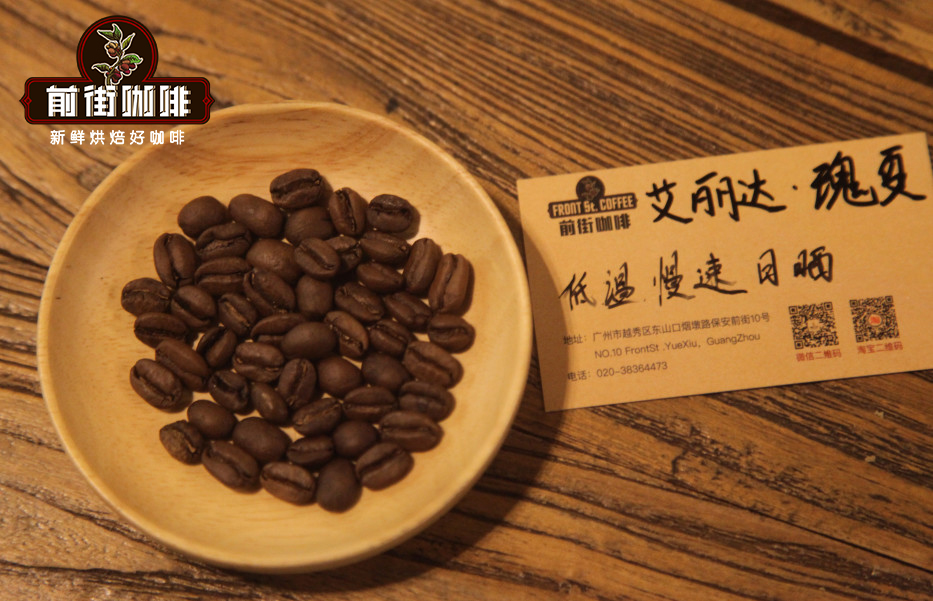
Given the medium density of Elida Geisha (density about 0.70-0.75 g/ml), a low-heat slow-roast strategy with 160°C charge temperature is recommended. Key points include: at the turning point of 1'42", control the drum temperature at 146°C; open the damper to position 4 at the yellowing stage; reduce heat to 50% before first crack, and drop at 194.5°C, maintaining a development time of 1'45" to fully bring out the floral and citrus notes.
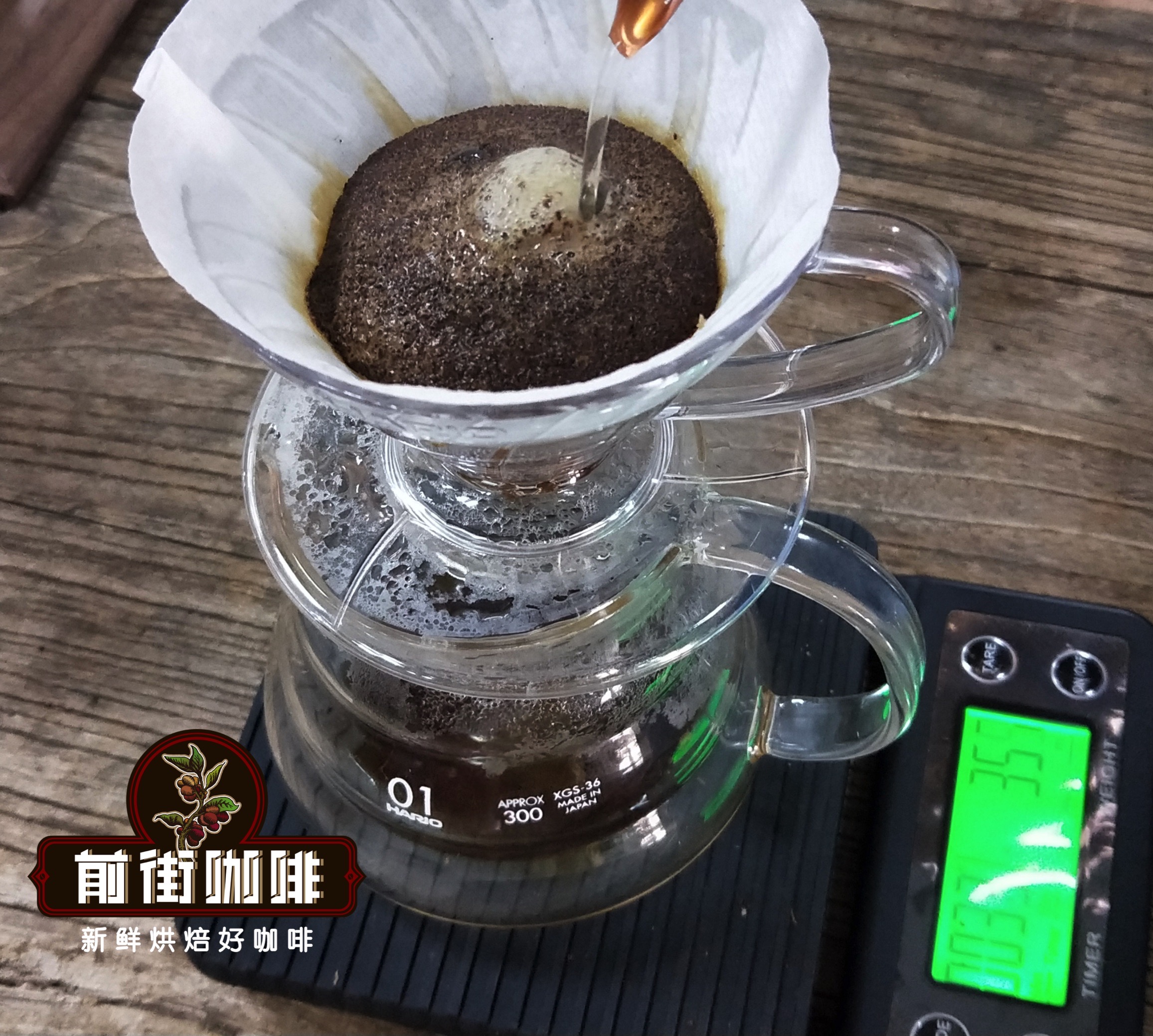
Recommended pour-over parameters: 15 g coffee / 225 ml water, medium-fine grind (78% passing a No. 20 sieve), 90-91°C water temperature with a V60 dripper. For staged extraction, first pour 30 g water and bloom for 30 seconds, then pour in circles to 125 g in stages, and finally continue pouring to a total water amount of 226 g. Keep total extraction time around 1'50" to highlight the balance of fermentation aromatics and black-tea finish.
Common Misconceptions and Practical Tips
When handling anaerobically fermented beans, note that storage humidity should be below 55%RH to avoid excessive development of fermentation flavors at high temperatures. If brewing produces excessive fruit acidity, try raising the water temperature to 92°C or extending the bloom time to 45 seconds. For the Typica variety, it is recommended to coarsen the grind to 80% passing rate to highlight sweetness and avoid excessive bitterness caused by fine grinding.
When buying Panama Geisha as a beginner, it is advisable to prioritize lots that state the specific processing method (such as "anaerobic natural" or "honey process") and elevation data, as this information directly affects the flavor direction. Coffee from the Boquete region usually reaches its flavor peak 6-8 weeks after the harvest season, and tasting is best completed during this period.