Panama Janson Estate Natural Geisha: Origin, Flavor and Pour-Over Guide

Introduction: Janson Estate in Panama's Volcan region is the second-largest Geisha coffee producer, and its natural-process Geisha is known for its distinctive floral and fruity aromas and full-bodied mouthfeel. This article takes an in-depth look at this estate, run for three generations by a family of Swiss immigrants, revealing the oxblood-red coffee cherries nurtured by volcanic soil at 1,750 meters, explaining the influence of the natural process on flavor, and providing professional pour-over parameters and a flavor wheel to help you precisely capture the layers of berry, honey and tea notes.
A Hidden Gem on Panama's Geisha Map
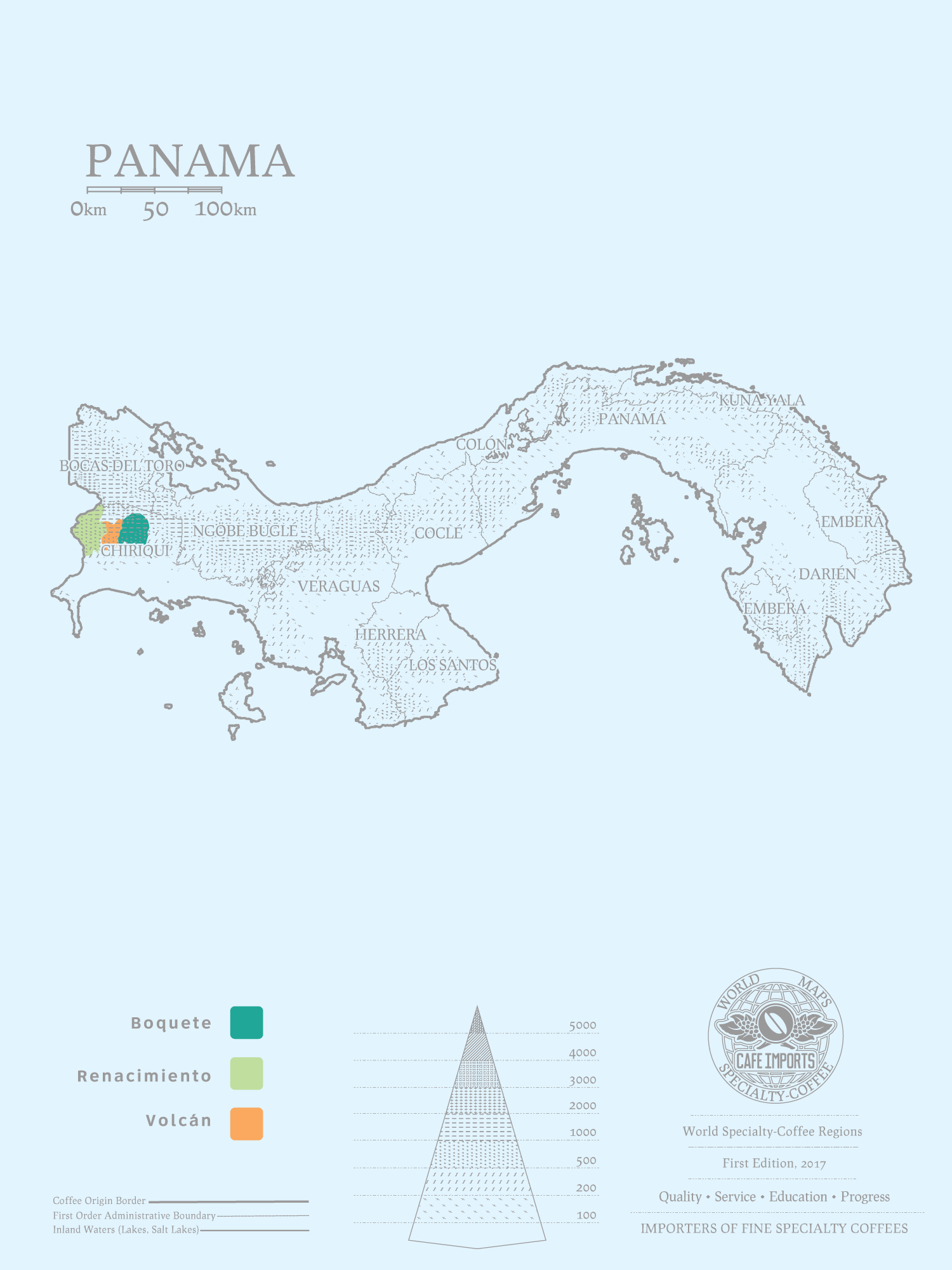
When it comes to Panamanian Geisha, most people first think of Hacienda La Esmeralda, but Janson Estate in the Volcan region is equally worthy of attention. Half of this sprawling estate is planted with Geisha, making it the country's second-largest Geisha producer. Its growing zone at 1,750 meters creates distinctive flavor characteristics—compared with the bright acidity of the Boquete region, Volcan, being near Barú Volcano and receiving less annual rainfall, gives the coffee richer dried-fruit sweetness and a fuller body.
A Century-Old Family and the Volcanic Gift
The story of Janson Estate began in 1940, when Swiss immigrant Carl Janson and his wife Marguerite were drawn to the rolling mountains of the Volcan region and bought this land, which later became a cradle of Geisha.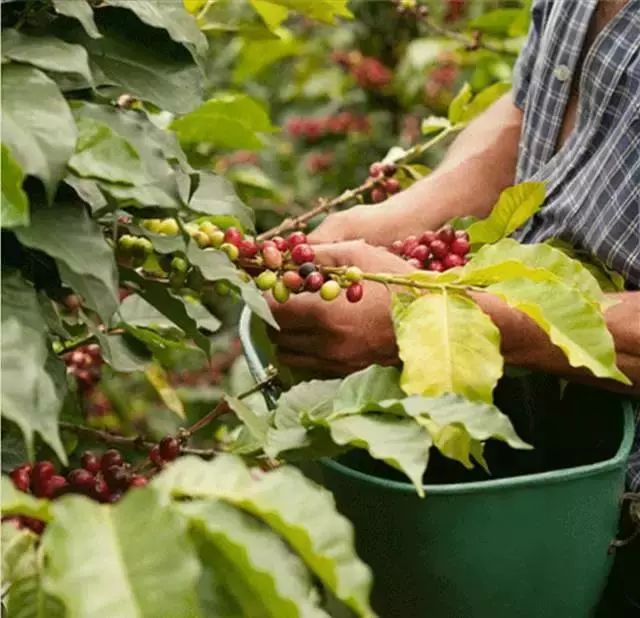 The family has now passed to the third generation, with four brothers dividing the work: some specialize in developing roasting equipment, while others oversee the circular system linking livestock and coffee cultivation. They insist on 100% sustainable farming, regulating soil nutrients through enzyme microorganisms, and planting only 2,000 Geisha trees per hectare to ensure growing space.
The Geisha Variety, Past and Present
This coffee variety, whose name sounds like the Japanese word for geisha, was discovered in 1931 in the Geisha forests of Ethiopia, passed through Kenya and Uganda, and finally rose to fame at Hacienda La Esmeralda in Panama. The Geisha trees at Janson Estate grow in mineral-rich volcanic red soil, and at harvest the coffee cherries show a distinctive "oxblood red" color, with significantly higher sugar content than ordinary varieties. It is worth noting that the SHG (Strictly High Grown) grading standard requires an altitude above 1,200 meters, and Janson Estate's 1,750 meters gives it an even firmer pectin structure.
The Magic of the Natural Process
Unlike the common washed process, Janson Estate uses the traditional natural method: freshly picked coffee cherries are spread on drying beds and sun-dried for 27-30 days, during which they must be turned daily to ensure even drying. This process slowly reduces moisture from 60% to 12%, retaining more sugars and aromatic compounds.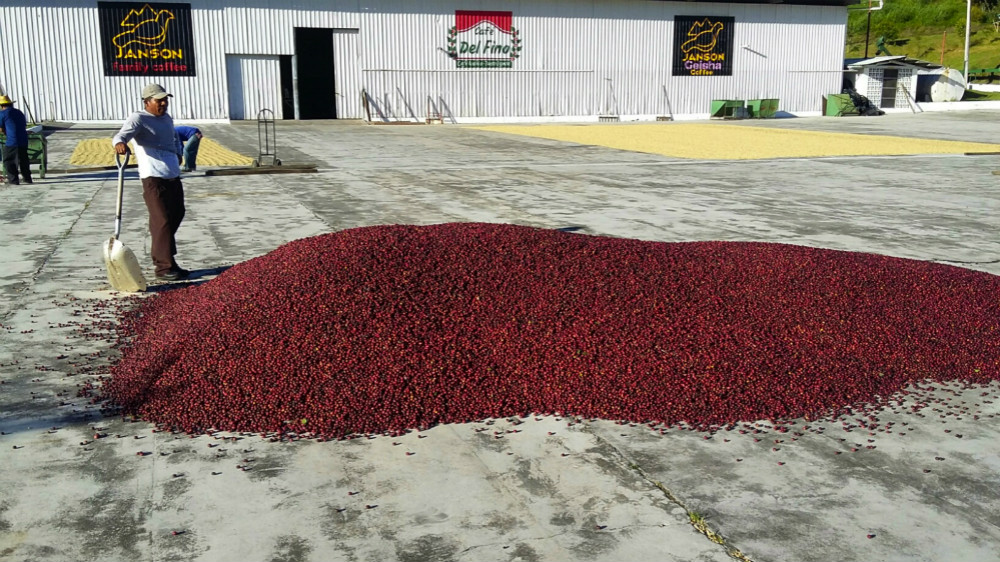 The final product has soft acidity but outstanding sweetness and a noticeably full body, though slightly lower cleanliness than a washed process. In the dry aroma you can already catch a complex blend of jasmine, berries and tropical fruit, while the wet aroma shifts to the richness of wild ginger flower and blackcurrant.
Scientifically Setting Pour-Over Parameters
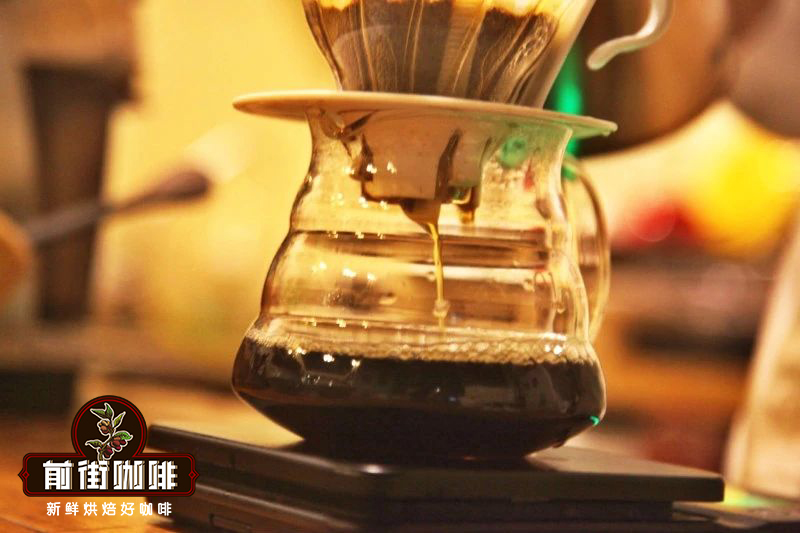
Given this bean's high density, a Hario V60 dripper is recommended with the following recipe:
• Water temperature: 90°C (avoid overheating, which causes over-extraction)
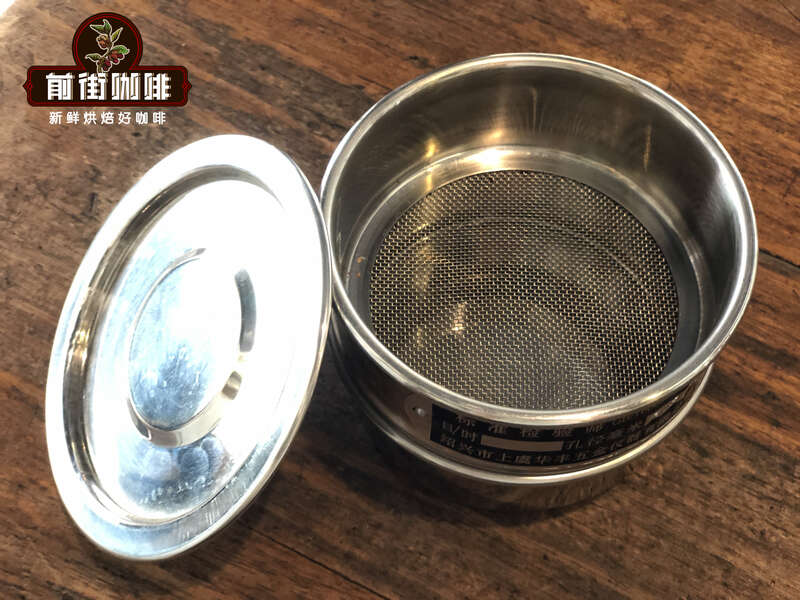
• Grind size: 80% passing through a No. 20 standard sieve (medium-coarse particles balance the flow rate)
• Coffee-to-water ratio: 1:15 (15 grams of coffee to 225 milliliters of water)
Use a three-stage pour: first 30 grams of water for a 30-second bloom, then pour in small circles until 125 grams, and finally top up to 225 grams. Keep the total extraction time at 2 minutes to highlight the balance of citrus acidity and honey sweetness.
The Many Facets of the Flavor Wheel
Clear layers are visible during cupping:
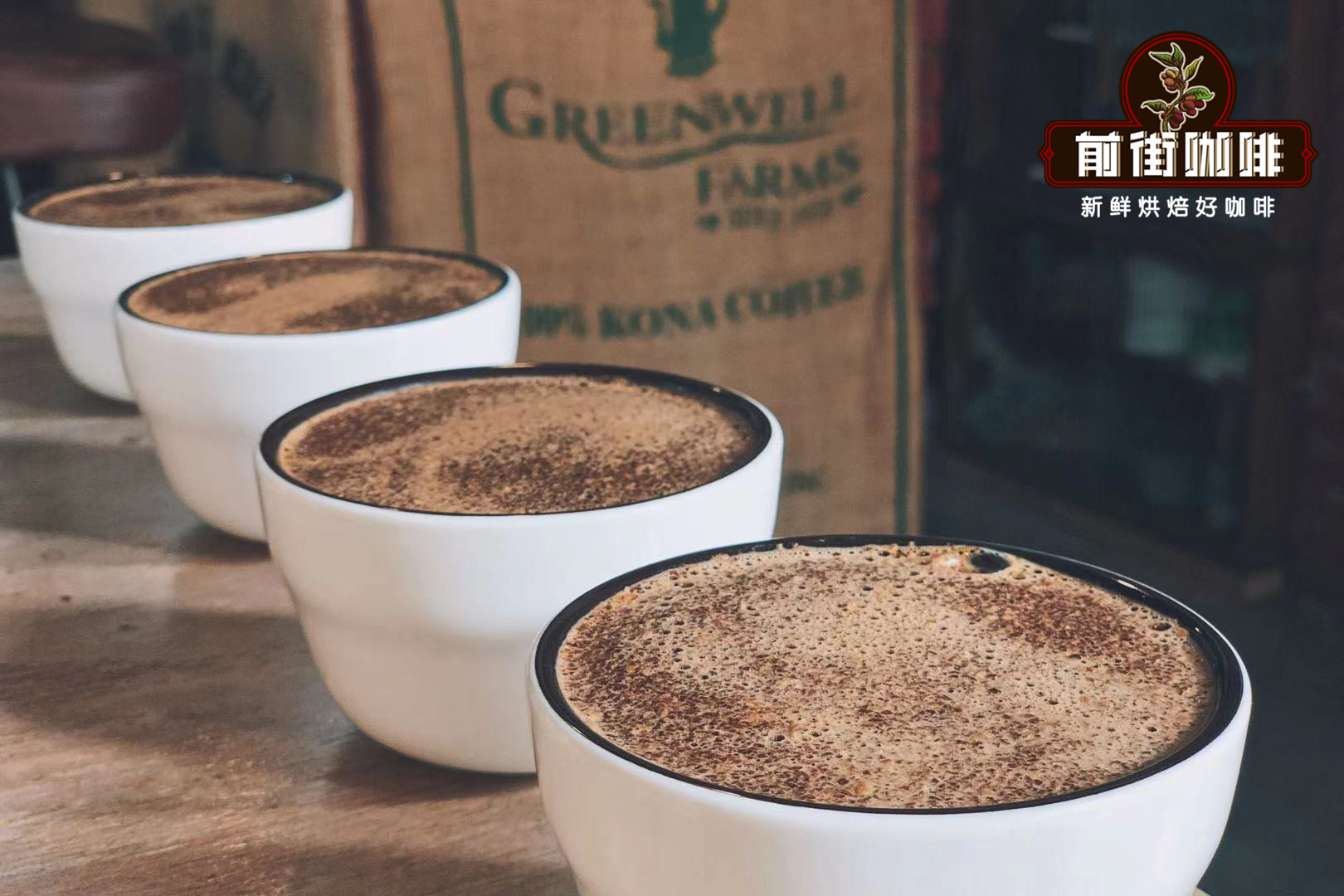
• Dry aroma: a jasmine base, accompanied by the freshness of berries, citrus and tropical fruit (banana/peach/mango)
• Wet aroma: transitioning to the spice of wild ginger flower and the depth of berries (grape/blackcurrant)
• On the palate: the front is bright berry and citrus sweetness and acidity, the middle wraps tea notes in a honey texture, and the finish reveals a maple-syrup-like sweetness.
Actual brewing may vary slightly with water quality; filtered water and pre-warmed cups are recommended.
Changes in the Global Geisha Landscape
Although Hacienda La Esmeralda has long dominated the Geisha market, in recent years BOP competition champions have been won by emerging producers such as Elida Estate. This confirms the dynamic development of Panama's coffee industry—Janson Estate, with its stable domestic sales channels and family-inherited growing philosophy, continues to produce high-quality Geisha that combines traditional flavor with modern processing techniques. For coffee lovers seeking a different experience, this natural Geisha offers a taste path unlike the classic Esmeralda.