How to Choose Your Pour-Over Grind Size: A Complete Guide from Coarse to Fine and Brew Ratios
Introduction: The flavor of pour-over coffee is 70% determined by grind size and precise control of brewing parameters. This article takes an in-depth look at how grind coarseness affects brewing flow rate, extraction yield and the final flavor, shows you how to find the optimal grind range for each coffee bean by observing the state of the coffee bed and using a practical sieve test, and provides brewing plans for every scenario from coarse to fine grinding.
In the world of pour-over coffee, grind size is the most easily overlooked yet crucial element. It not only determines the coarseness of the coffee particles but also directly affects the resistance water encounters as it passes through and the efficiency with which flavor compounds are released. Whether you use a home grinder or a hand grinder, mastering the grinding baseline for beans of different roast levels is the first step to brewing a balanced cup.
The relationship between grind size and extraction efficiency follows physical laws: when coffee is ground finer, the gaps between particles shrink and form a dense bed, and the water flow slows noticeably. In this case, the contact time between hot water and coffee grounds is extended, extracting more soluble compounds, but over-grinding causes excessive release of bitter compounds. Conversely, a coarser grind makes the bed loose and lets water pass through quickly; while it preserves the coffee's bright acidity, it tends toward under-extraction and a thin body.
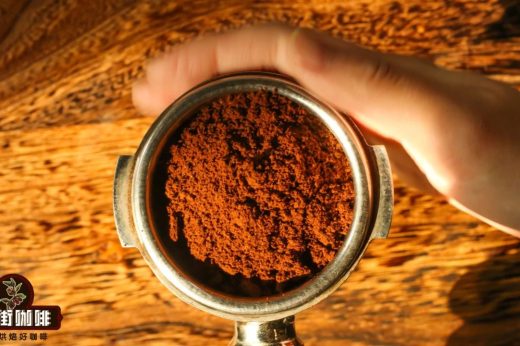
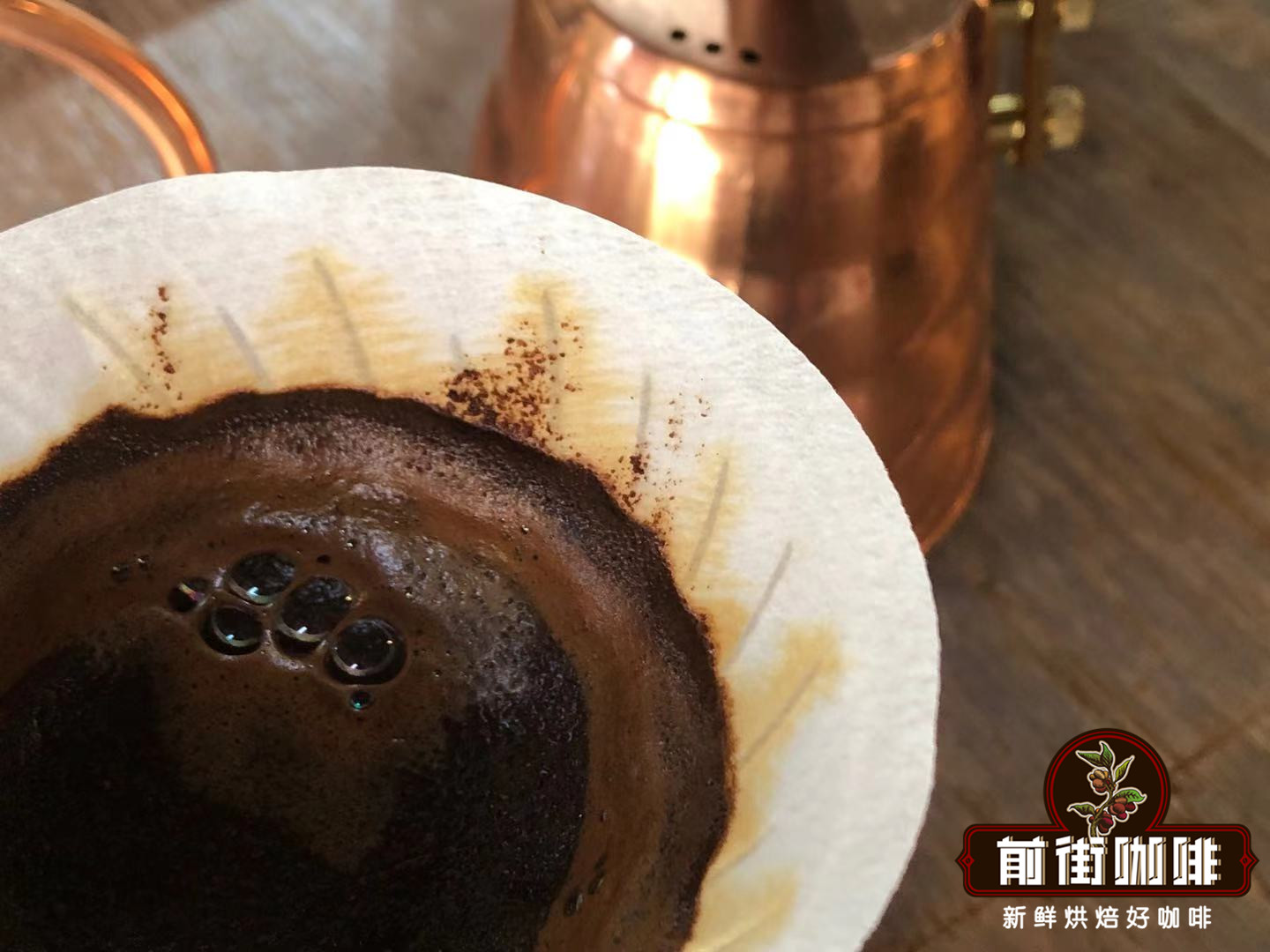
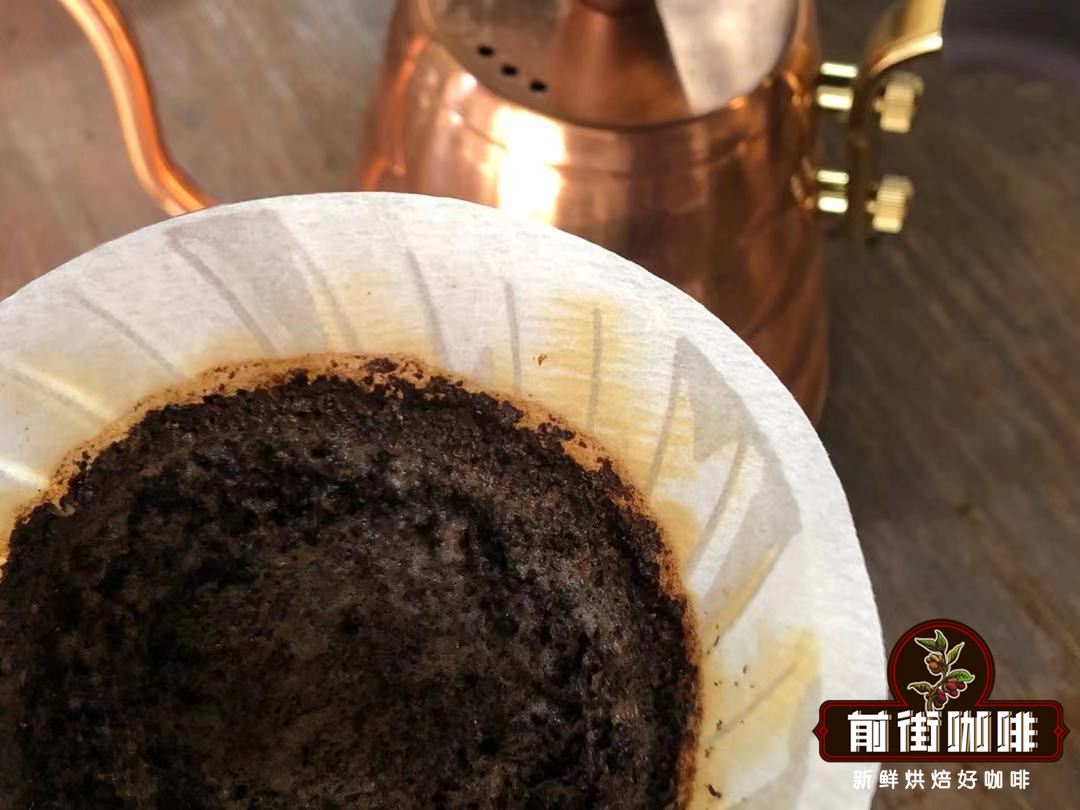
The most obvious sign of over-fine grinding is an abnormal coffee bed.Fines tend to pile up on the filter paper surface into a dense mass; you can see the coffee forming a sticky, paste-like structure, and the drip rate below the dripper may extend from a normal 2 minutes to over 4 minutes. Observing the bed at this point, you'll find the surface dark and compact while the bottom layer still contains coffee particles that are not fully wetted.
The problem with over-coarse grinding is exactly the opposite.Coarse particles form obvious gaps between them, and hot water takes the path of least resistance first, leaving some coffee grounds under-extracted. Typical signs include uneven collapse of the coffee bed, intact coffee-bean fragments visible at the edges that are not wetted, and an overall extraction time that may shorten to under 1.5 minutes, producing a brew that tastes thin and lacks complexity.
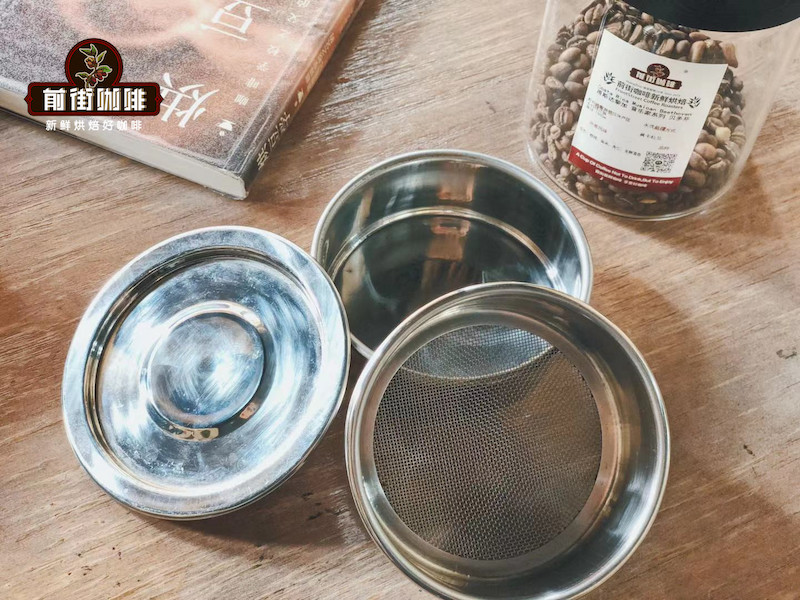
To judge precisely whether the grind size is right, you can use a standardized sieve test.A stainless-steel test sieve with 0.85 mm openings is recommended, as this size corresponds to the ideal particle range for pour-over coffee. In practice, weigh out 10 grams of freshly ground coffee, shake it thoroughly through the sieve, and measure the weight of the powder that passes through. For medium-light roasts, the ideal pass-through rate should stay in the 75%–80% range (i.e. 7.5–8 grams), while medium-dark roasts suit a 65%–70% pass-through rate (6.5–7 grams).
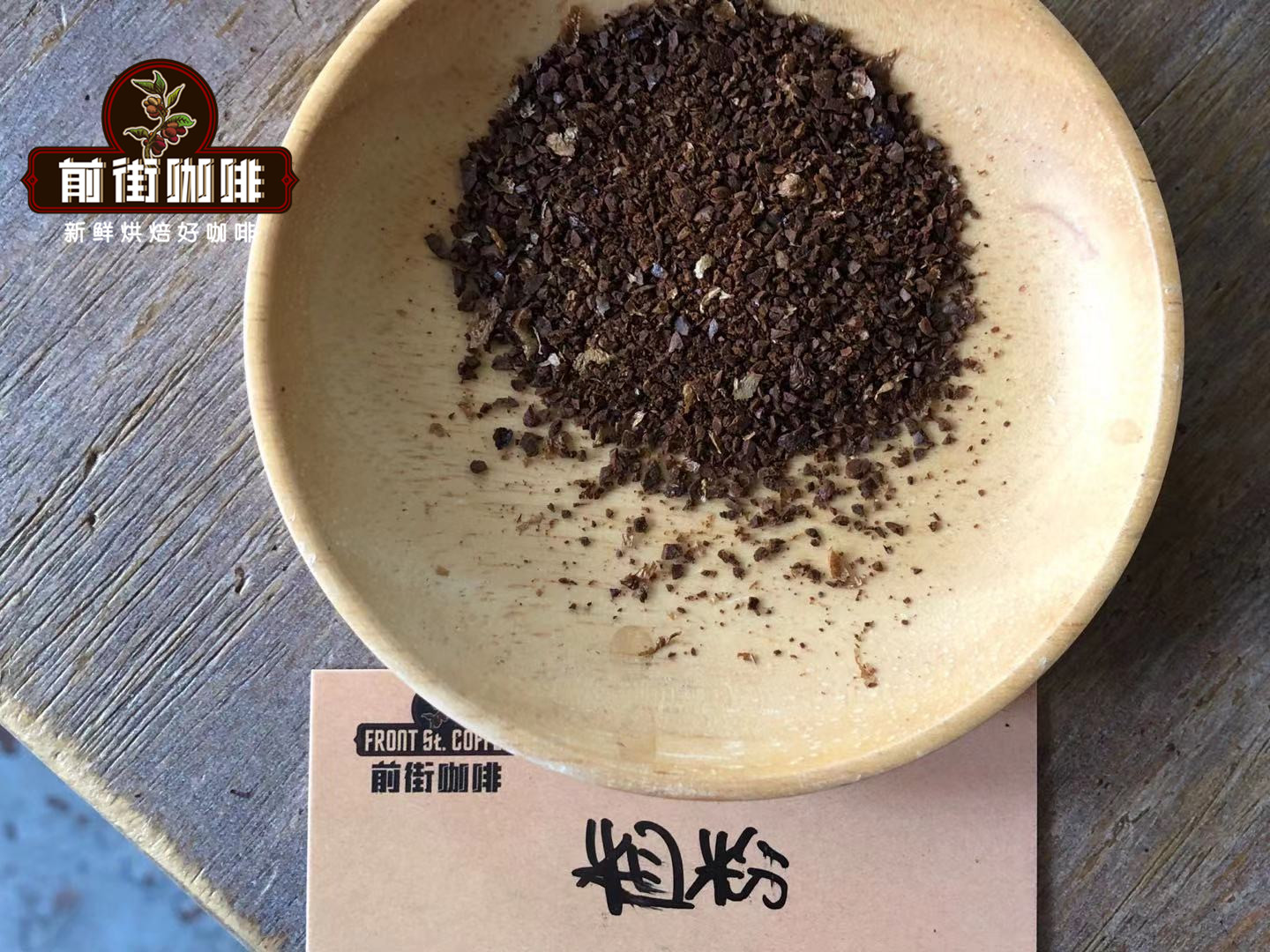
The professional particle-size classification standards are worth consulting: particles larger than 0.85 mm fall into the coarse category, and too many of these lead to under-extraction; when extremely fine particles smaller than 0.25 mm exceed 40% of the total, they easily cause over-extraction and channeling. In everyday brewing, you should ensure the particle distribution is relatively uniform and avoid obvious layering of large particles and fines.
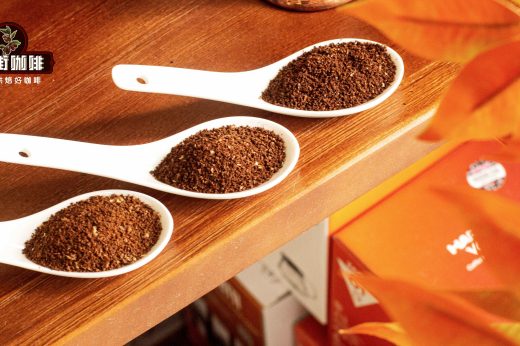
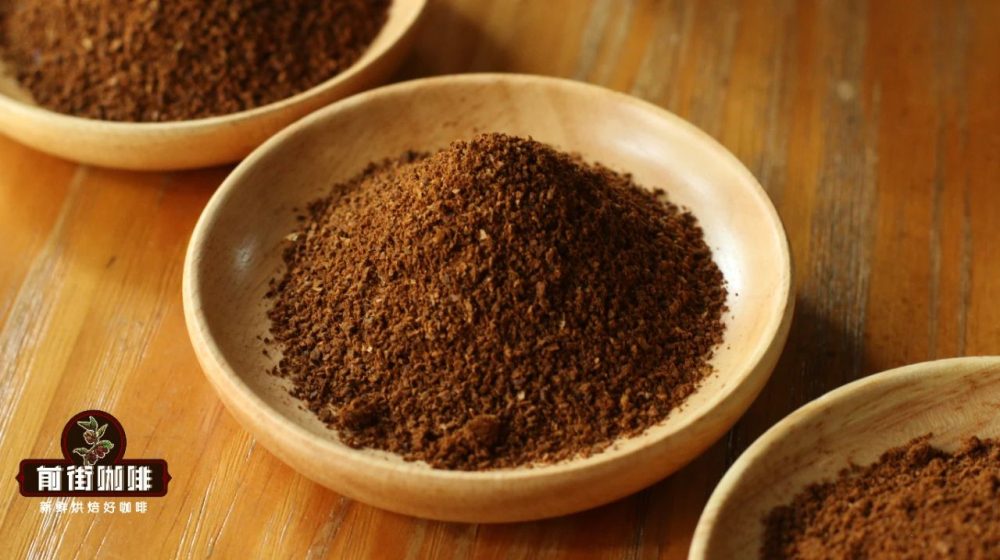
For beans of different roast levels, differentiated grinding strategies are recommended. Light-roast beans (such as Ethiopian Yirgacheffe) are denser and need a medium-fine grind about the size of granulated sugar, paired with 92–94°C water to bring out floral and fruity aromas; medium roasts (such as Colombian Huila) suit a medium-fine grind similar to fine white sugar; and dark roasts (such as Mandheling) need a medium-coarse grind at the level of coarse sugar to prevent the burnt bitterness that comes with over-extraction.
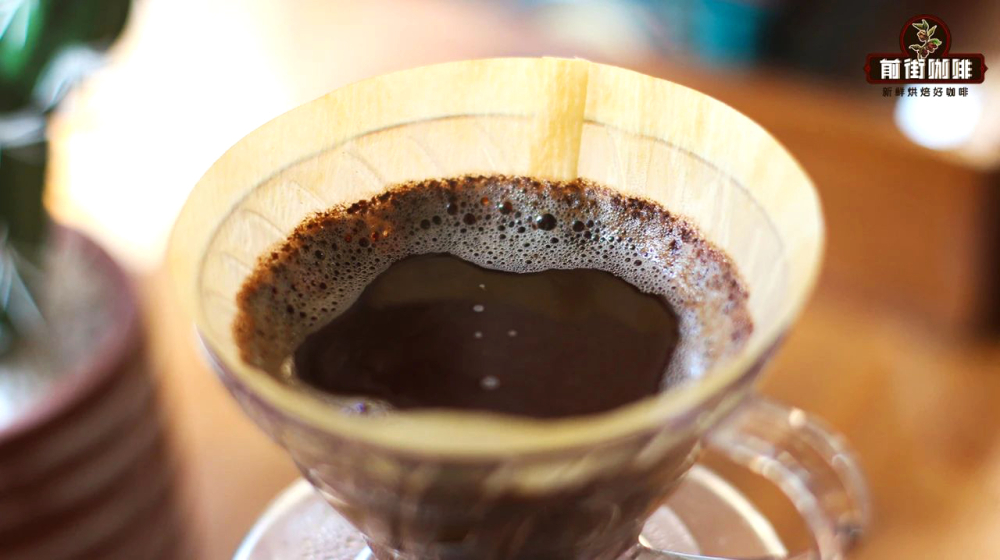
In actual brewing, you also need to adjust the coffee-to-water ratio and flow rate together. The golden ratio range is usually 1:15 to 1:17 (e.g. 15 grams of coffee to 225–255 ml of water), and when pouring, a centered spiral motion with a steady stream is recommended. When you find the extraction time drifting outside the ideal range (usually 2 minutes ±10 seconds), you should first fine-tune the grind size rather than simply changing the pouring speed—this is a common misconception among most coffee enthusiasts.
The key to mastering grind adjustment lies in observation and practice. Each time you change beans, it's advisable to first brew a test with a baseline grind, then fine-tune by ±0.5 of a setting based on the state of the coffee bed and the flavor. Remember, perfect pour-over coffee comes from precise attention to detail—from maintaining the grinder's burrs to pre-warming the beans before each grind, all of these affect the final grinding result.