Coffee Grind Size Explained: Grind Guide for Pour-Over, Espresso and French Press
Introduction: From pour-over to espresso, different brewing methods have significantly different requirements for coffee grind size. This article explains in detail the characteristics of five grind levels—coarse, medium, fine and more—and combines practical brewing parameters with flavor outcomes to help you precisely match grind size with equipment, avoid problems such as under-extraction and bitterness caused by grounds that are too coarse or too fine, and improve coffee flavor.
 Coffee grind size is one of the core factors affecting extraction efficiency and flavor expression. Many beginners learning pour-over are often confused about "how coarse the grounds should be"—they know that grind size has coarse and fine requirements, but do not understand why slight differences in particles make the same bean present completely different mouthfeels. Understanding the underlying logic of grind size can help you quickly identify the cause when problems arise and adjust parameters accordingly.
The coarseness of coffee grounds directly affects the speed at which water passes through and the extraction yield. The finer the grounds are ground, the more tightly the particles pack together, the greater the resistance at the bottom of the filter paper, the slower the water flow, and the longer the extraction time. In this case, soluble substances in the coffee (such as acids and bitterness precursors) have a higher extraction yield, and the final cup may be more intense, but it is also prone to negative flavors such as woody notes and astringency. 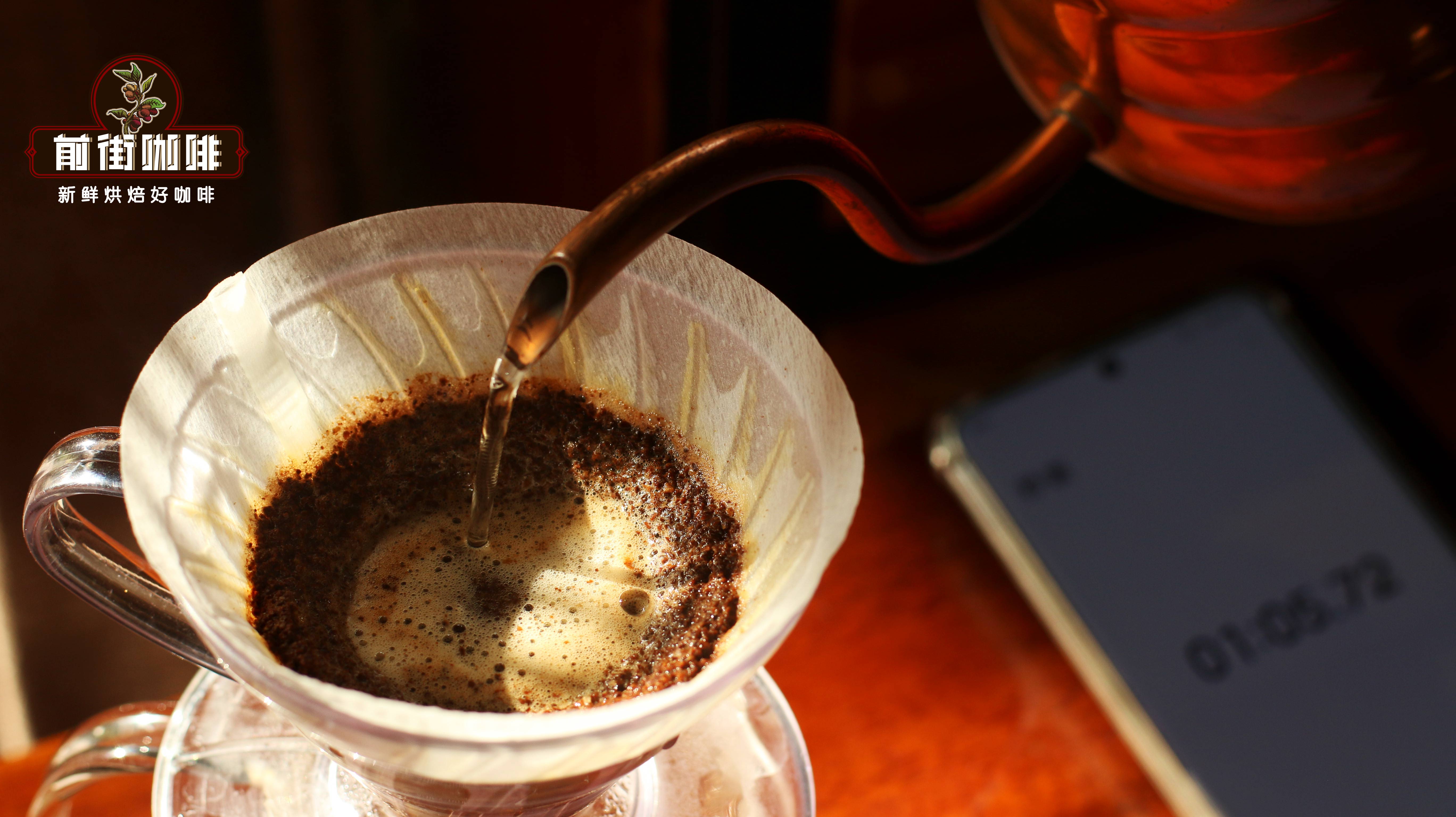 Conversely, coarse coffee grounds leave larger gaps between particles, the effective surface area contacted by hot water is smaller, resistance is weaker, flow is faster, extraction time is shorter, flavor compounds are insufficiently released, and the final coffee tastes weaker.
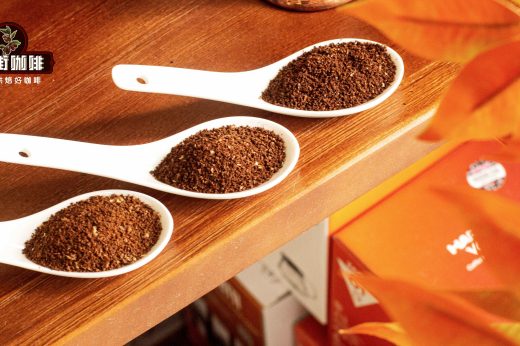
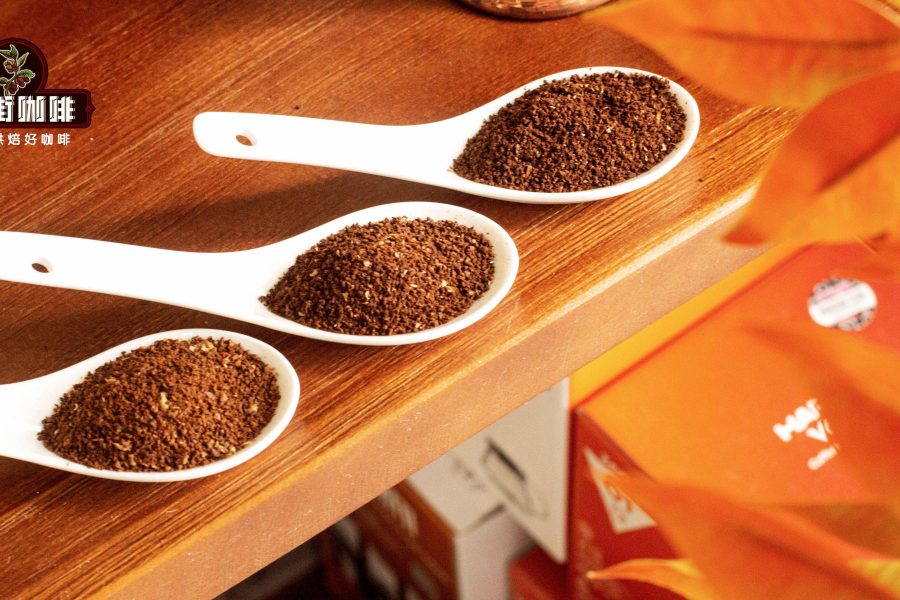
Across common brewing scenarios, coffee grounds are generally divided into five levels: extra-fine, fine, medium-fine, medium and coarse. Each level corresponds to different equipment and brewing methods, and choosing the right match is key to improving coffee quality.
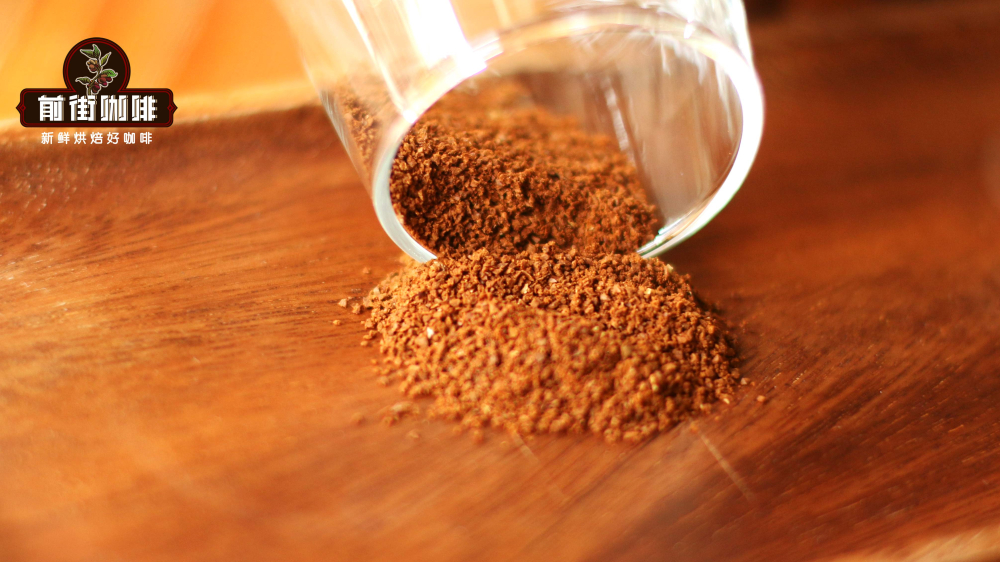
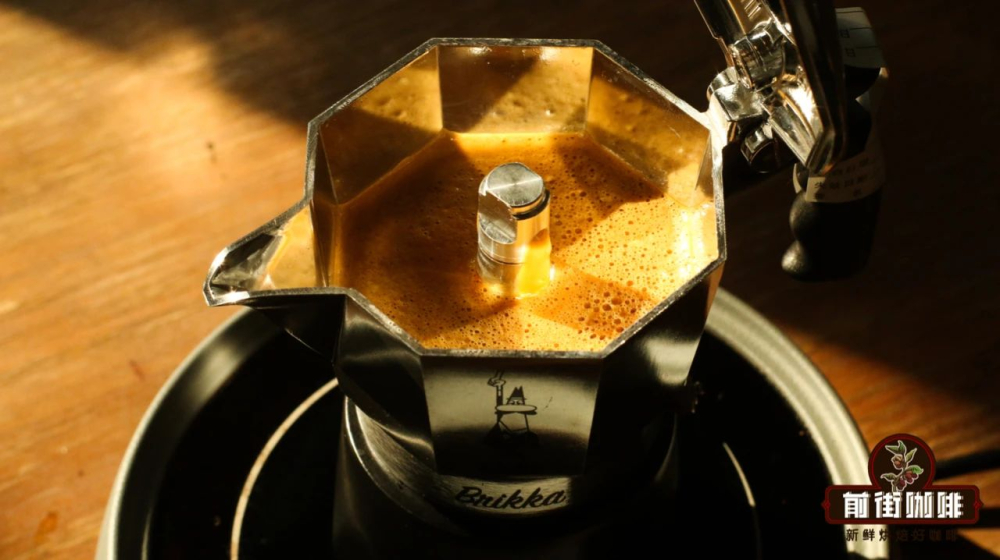
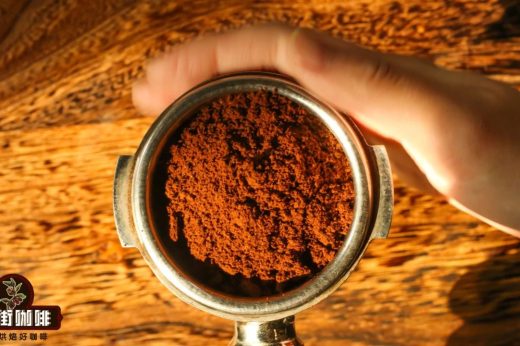
Extra-fine grounds have particles close to flour and are the finest of all levels. They are mainly suitable for espresso machines and moka pots—these two devices extract with high-pressure hot water and require the coffee bed to form high resistance in order to fully extract the essence. Taking an espresso machine as an example, grinding too coarse will cause water to pass through the puck too quickly, extracting only a small amount of substances, and the coffee will be thin and lack crema; uniformly extra-fine grounds, after tamping, can evenly resist the high-pressure water flow, allowing water and coffee to fully contact and extracting rich aroma and body. 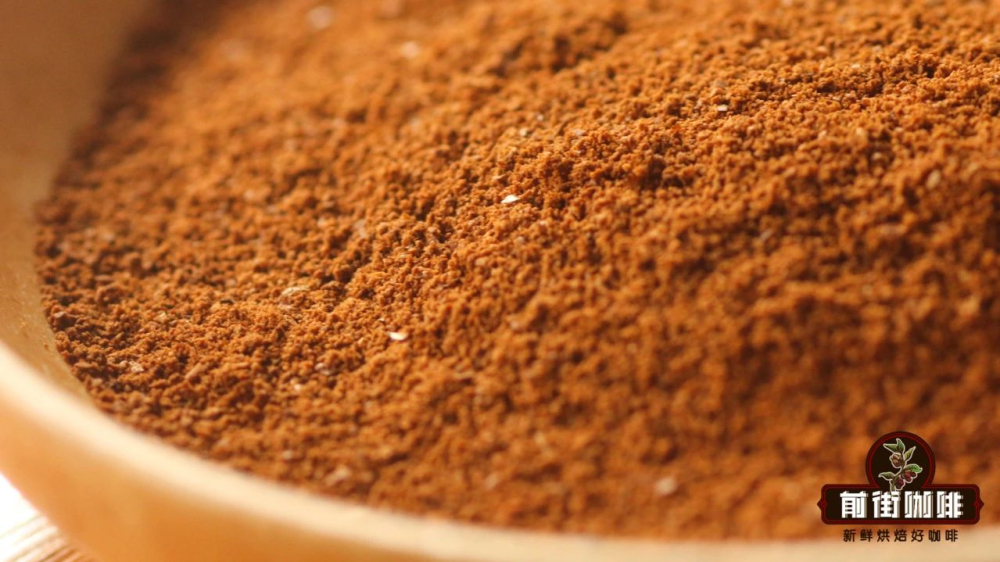 Note that moka pots using extra-fine grounds risk over-extraction: although some crema may be produced, bitterness is prominent, and if the particles are too fine and block the vent hole, they may cause a safety hazard.
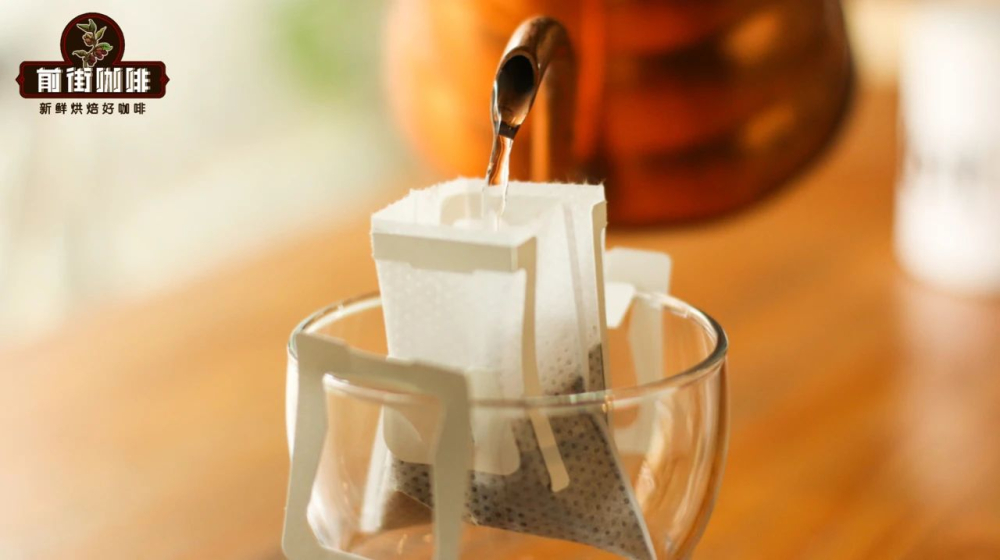
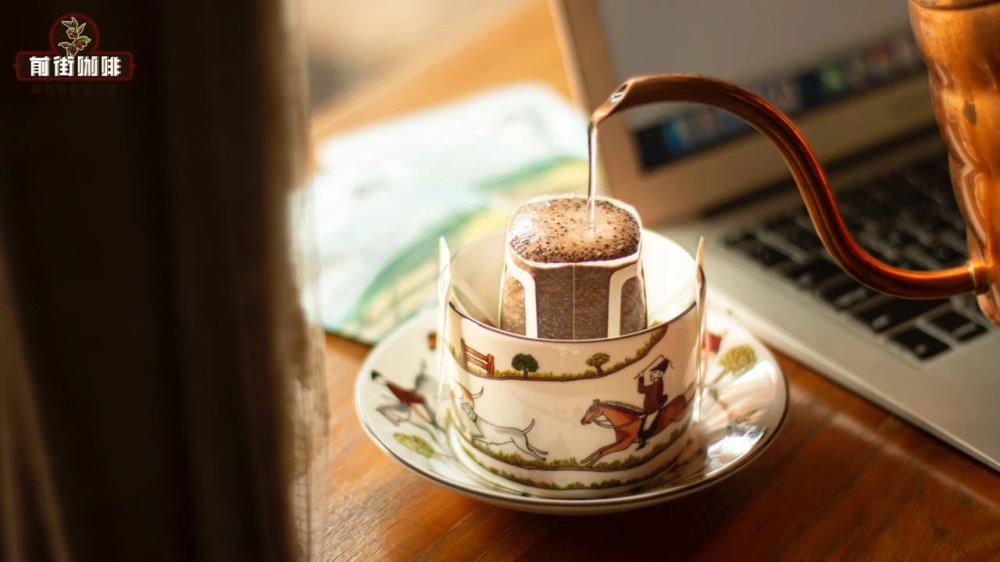
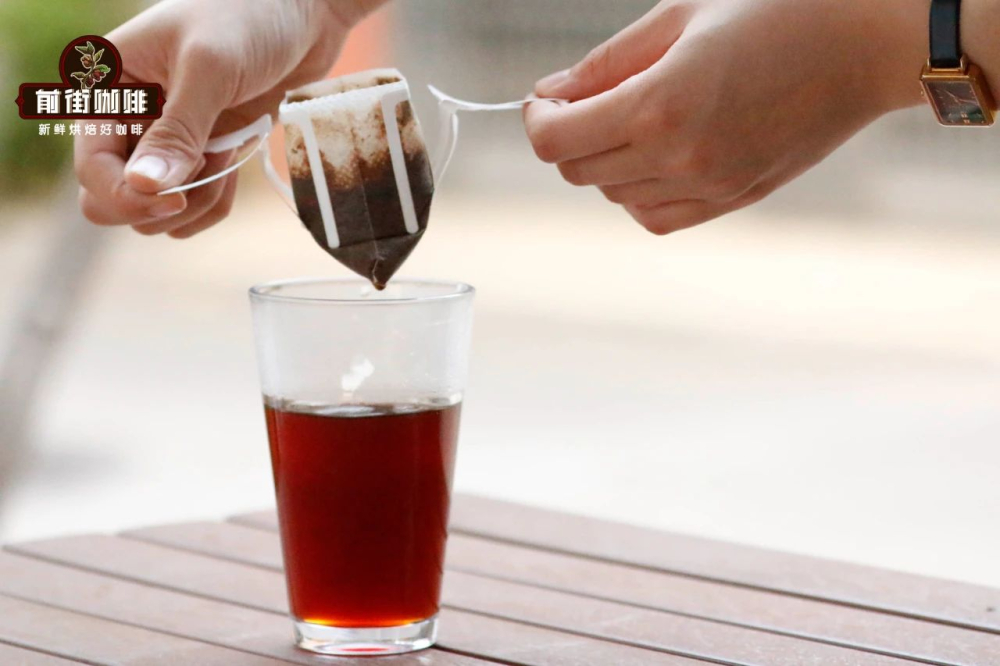
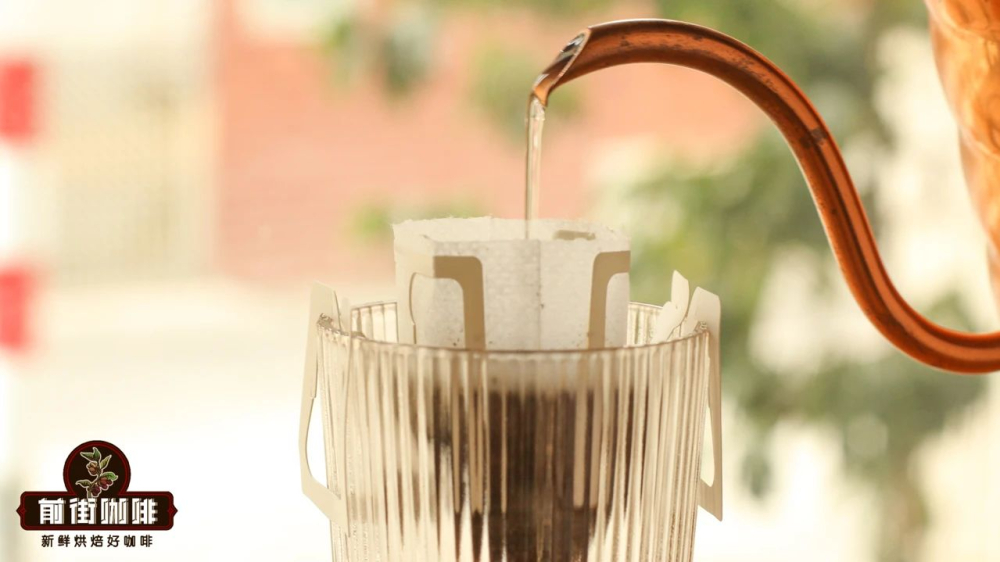
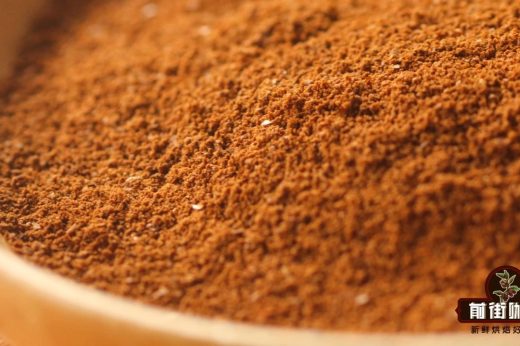
Fine grounds are similar in coarseness to fine granulated sugar but closer to a powdery texture. This grind level is often used for drip bag coffee—although drip bags extract by steeping through filter paper, because their filter paper is highly permeable, using medium-coarse grounds directly would cause water to flow too fast and result in under-extraction. Experiments show that drip bag coffee, with proper blooming (for example, pouring water to bloom for 30 seconds and then pouring to the target water amount), can effectively bring out flavor layers: a drip bag without blooming may taste weaker, while coffee extracted after blooming has softer acidity and more obvious citrus or berry notes in the finish. 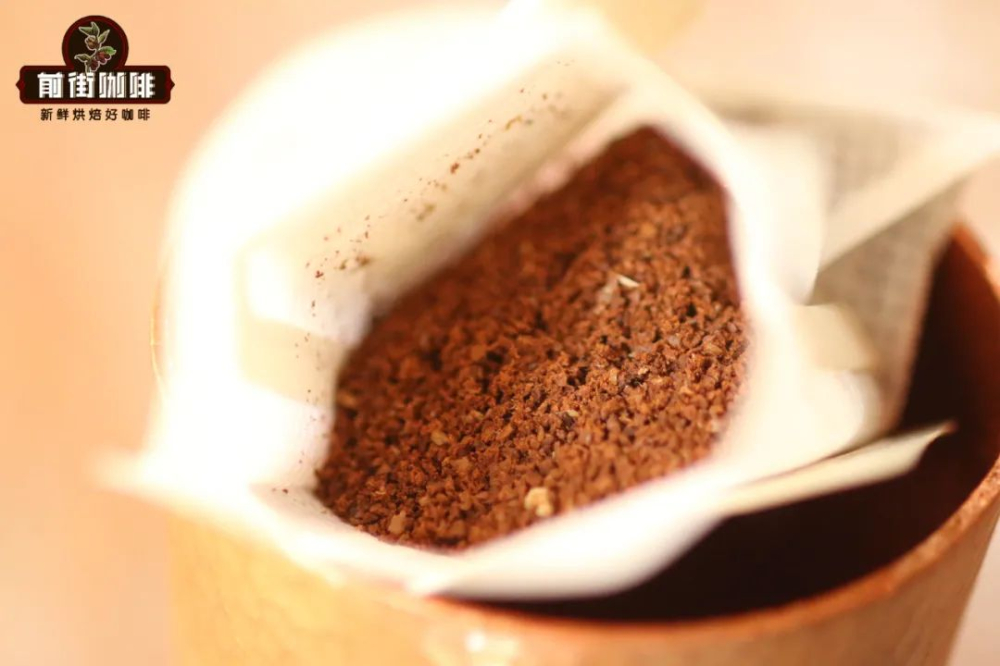 However, drip bag operation is relatively convenient; if you want to simplify the process, immersion extraction without blooming (such as pouring directly to the target water amount and letting it sit) can also yield basic flavor.
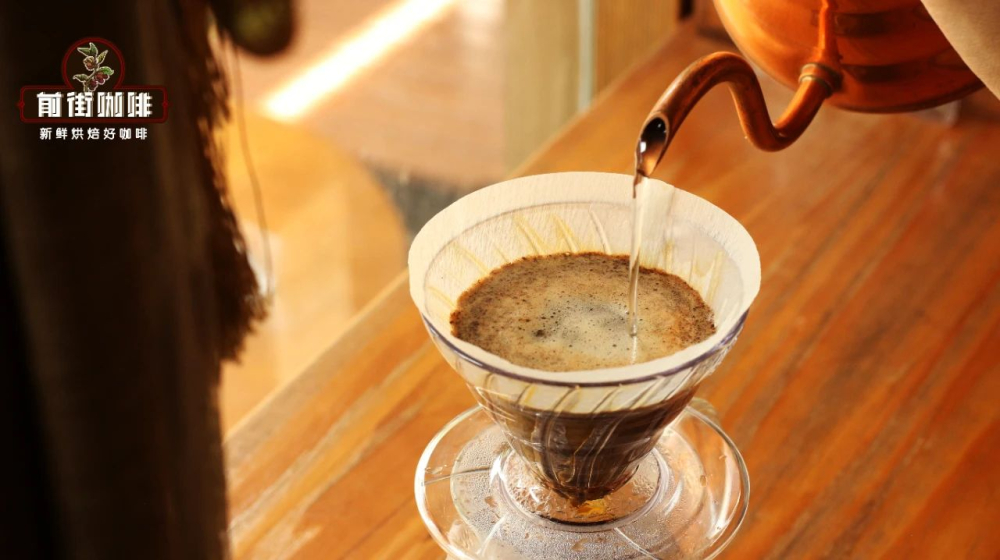
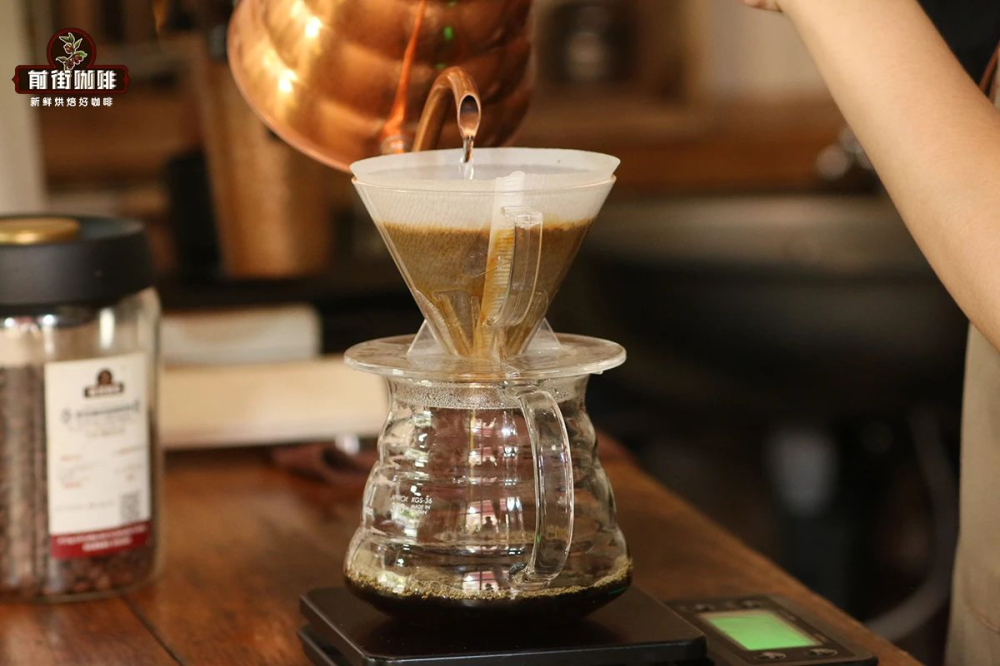
Medium-fine grounds have a texture close to fine granulated sugar (slightly finer than common supermarket white sugar) and are a common choice for pour-over with light-roast beans. This coarseness ensures sufficient water flow speed to avoid over-extraction while allowing hot water to fully contact the surface of the coffee grounds and release bright flavors such as floral and fruity notes and fermented aromas. Taking a washed light-roast Geisha as an example, using medium-fine grounds (such as 80% passing through a Chinese standard No. 20 sieve) with a V60 dripper, staged extraction can clearly show layers of tropical fruit, berries and honey, with a cocoa sweetness in the finish. 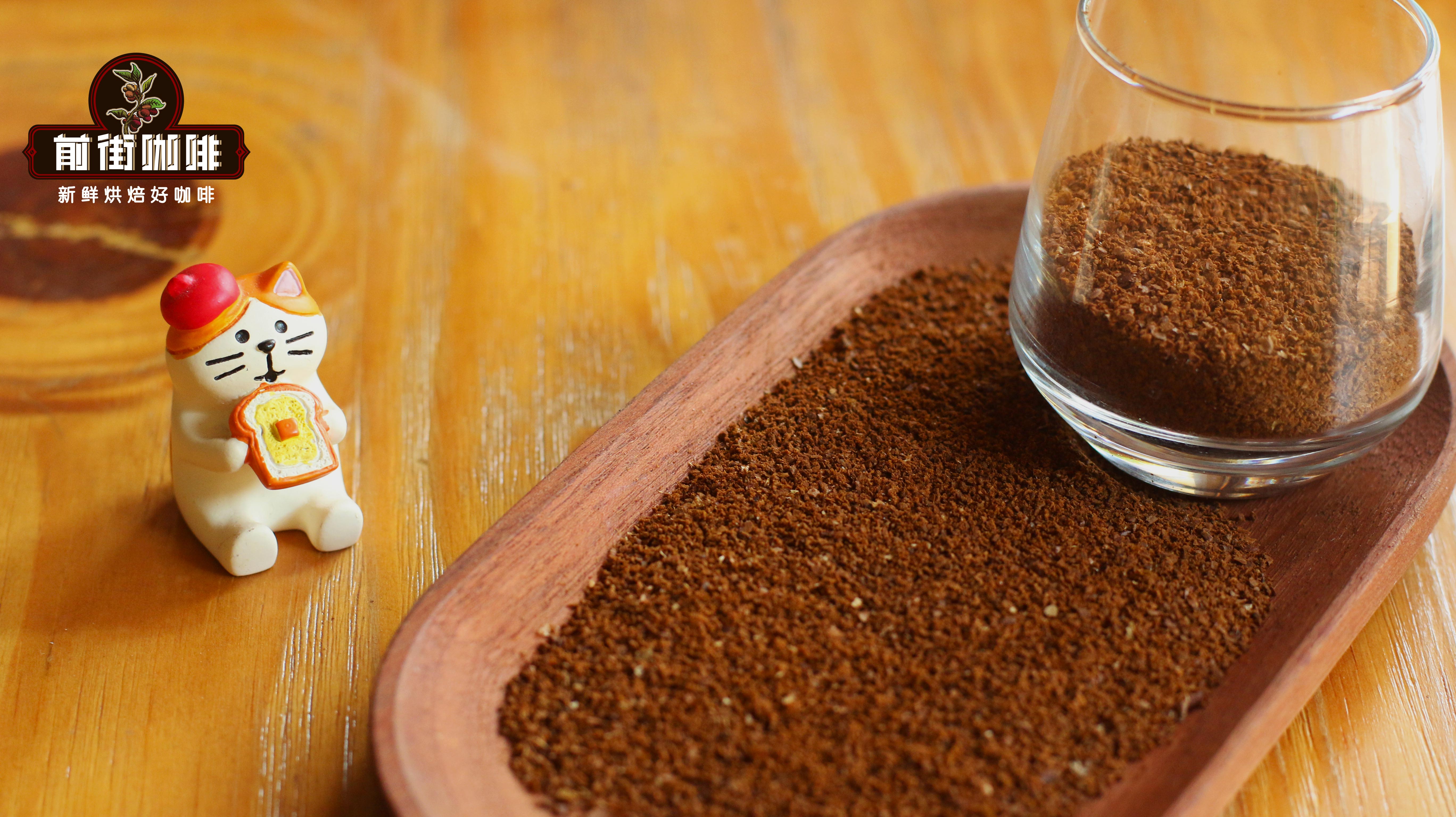
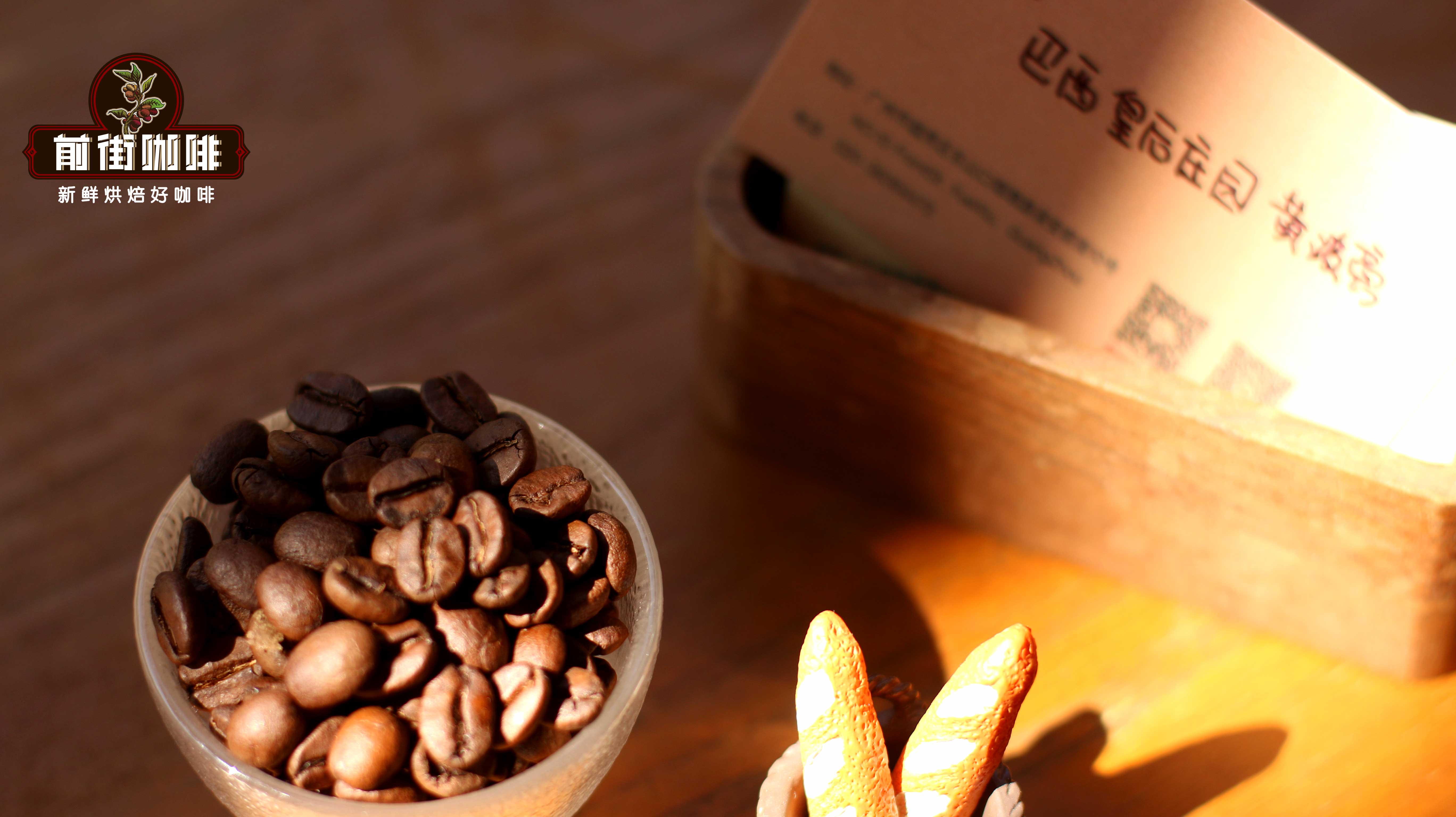
Medium grounds are roughly equivalent in coarseness to the large-grain white sugar commonly found in supermarkets, slightly coarser than medium-fine but far from the coarse level. They are suitable for medium-roast beans (such as Brazil Yellow Bourbon), which have milder acidity and highlight nutty and caramel flavors. Reducing the grind (compared with light-roast beans) and lowering the water temperature (such as 88°C) can reduce the risk of over-extracting fine particles and avoid bitterness. During staged extraction, medium grounds with a KONO dripper can balance acidity, sweetness and nutty aroma within an extraction time of about 2 minutes, and the final cup is round and full-bodied. 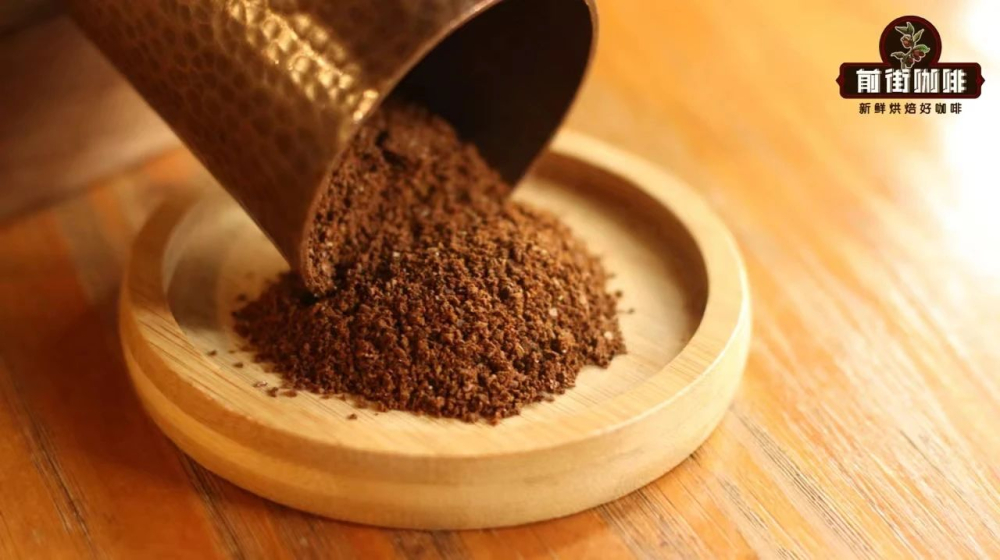
Coarse grounds have particles between coarse granulated sugar and brown sugar and are the ideal choice for French presses and siphon brewers. In high-temperature environments (such as the 92-96°C commonly used for French presses), coarse grounds can slow extraction, prevent bitter substances from being extracted in large amounts, and preserve the coffee's full-bodied base and malty aroma. Note that coarser is not always better—if the particles are too large, hot water cannot fully contact the coffee grounds, leading to under-extraction and thin flavor. When using coarse grounds in a French press, it is recommended to allow about 4 minutes of steeping so that water and grounds fully soak and blend. 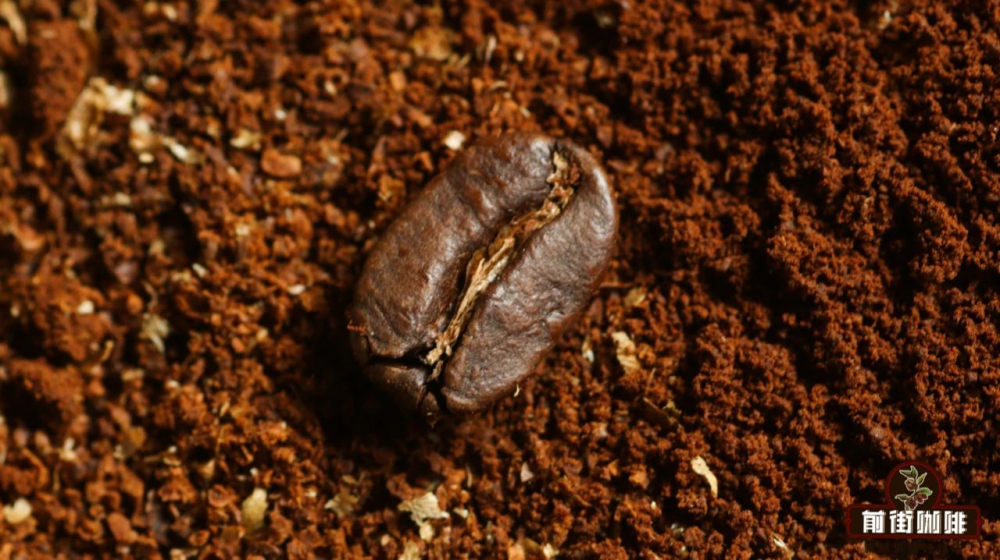
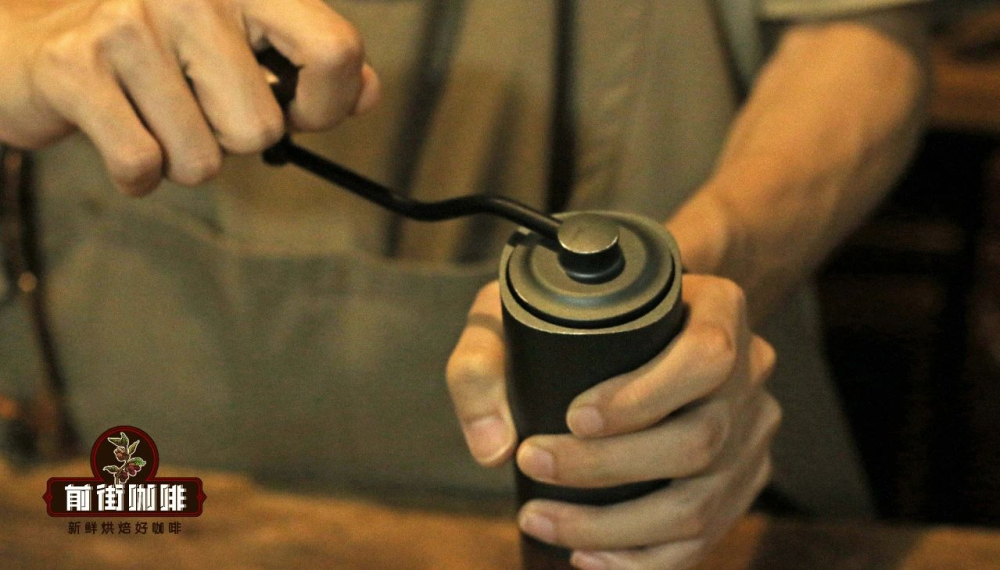 Finally, it must be emphasized that grind uniformity is more important than the setting number. Different grinders vary greatly in their setting standards (even for the same model, burr wear or calibration differences may cause different particle sizes at the same setting), so there is no need to rely excessively on "setting parameters" shared by others; instead, judge by observing the state of the grounds: in a high-quality grind, the target coarseness accounts for the highest proportion of particles, and the ratio of coarse particles to fine powder is balanced. Excessive fine powder may cause over-extraction (bitter, off-flavors), while too many coarse particles will make the coffee weak. Only by mastering the principle of "uniform grind + matching coarseness" can you consistently present the best flavor of coffee.