Black Coffee Explained: Definition, Types, Differences from Americano, and Flavor

Introduction: As the purest form of coffee, black coffee is popular among health-conscious consumers. It contains no additives and can help promote metabolism, making it a common choice for those pursuing a low-calorie diet. This article takes an in-depth look at the definition of black coffee, its common types, the core differences between it and Americano, and the bean selection and flavor characteristics of single-origin coffees such as pour-over, to help you choose and taste black coffee more scientifically.
In recent years, black coffee has gradually become a daily choice for coffee lovers due to its pure and healthy characteristics. Unlike blended coffees with added milk and syrups, black coffee contains no extra chemical ingredients and retains the original flavor of the coffee beans and rich caffeine. Drinking it in moderation helps accelerate metabolism and, combined with exercise, can assist with fat loss to a certain extent.
So what is true black coffee? What types are there? How should coffee beans be selected when making it? This article provides a comprehensive introduction to the concept of black coffee and its main differences from Americano, while also explaining bean selection and flavor performance for single-origin coffees such as pour-over, taking you deeper into this pure form of coffee.
1. What is black coffee?
Black coffee, as the name suggests, refers to a pure coffee beverage with no additional ingredients (such as milk, sugar, cream, etc.). It presents the original flavor of the coffee beans themselves, usually with a relatively pronounced bitterness, but also blending the five flavor layers of aroma, sweetness, body, acidity, and bitterness. Because of this, black coffee places higher demands on bean quality, growing environment, processing methods, and roast level. Factors affecting its final flavor include the climate of the origin, coffee variety, green bean processing method, storage conditions, and roasting technique.
Common forms of black coffee are diverse, including pour-over coffee, cold brew coffee, and ice-drip coffee, as well as pure espresso or Americano extracted with an espresso machine without added milk. Among these, pour-over coffee is a typical type of black coffee, usually made with light-to-medium roasted single-origin beans to showcase regional flavor characteristics. It should be noted that white coffee is not coffee that is white in color, but coffee that has been roasted to a medium-light level and processed with a special method to reduce caffeine and bitter substances, resulting in a milder overall taste, lower acidity and bitterness, and a lighter golden color.

2. Differences between black coffee and Americano
Americano is one of the most common types of black coffee. Its preparation is simple: espresso is mixed with hot water in a certain ratio to produce a coffee beverage with a lighter taste and clear color. Although it is often regarded as a separate category, Americano is in fact a branch of black coffee.
Black coffee covers a broader range; it can be single-origin coffee such as pour-over or cold brew, or Americano made from espresso extracted from Italian-style blended beans. Therefore, Americano is essentially a type of black coffee, but the two differ noticeably in bean selection, roasting method, and flavor.
3. Common bean types and roasting methods for Americano
The beans used to make Americano are usually dark-roasted Italian-style blended beans. By blending coffee beans from different regions, this type of bean achieves a balanced and rich taste, suitable for making black coffee beverages that remain stable in flavor even after dilution. Dark roasting fully brings out the coffee's roasted aroma and full body while releasing rich oils, making it suitable both for drinking directly and for pairing with milk.
In contrast, single-origin coffees such as pour-over mostly use medium-light roasted single-origin beans to better reflect the origin characteristics of the beans, such as unique flavors of fruit, floral notes, or nuts.
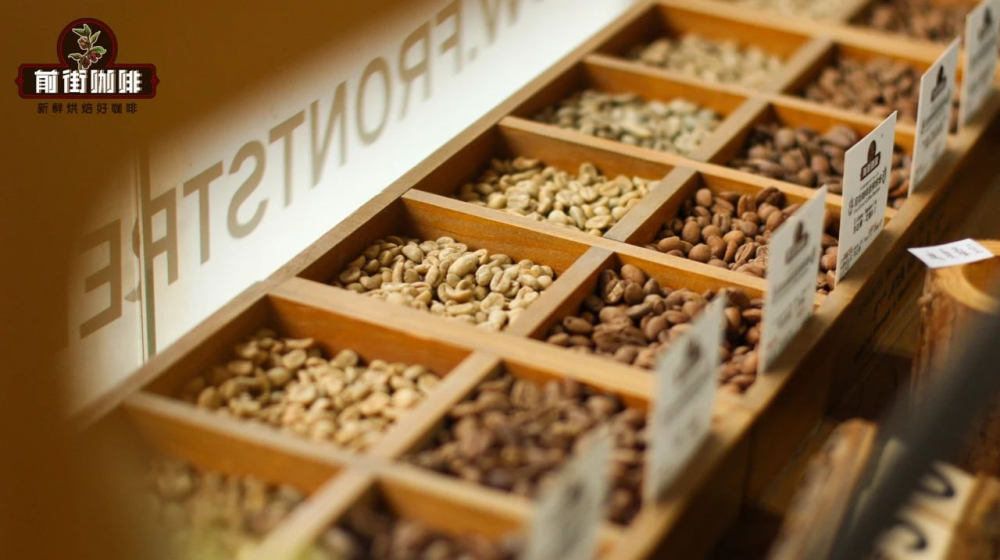
4. Common bean types and flavor characteristics of pour-over coffee
Pour-over coffee is an excellent way to experience the flavor of black coffee. Its operation is flexible and can fully display the regional characteristics of different origins. Below are several representative pour-over coffee beans and their flavor performance:
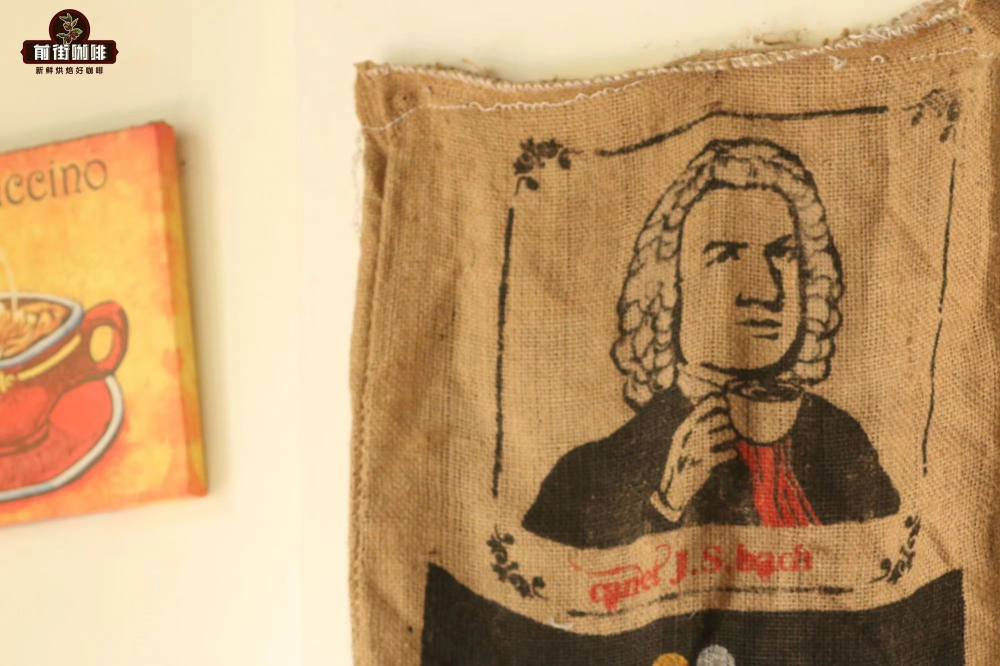
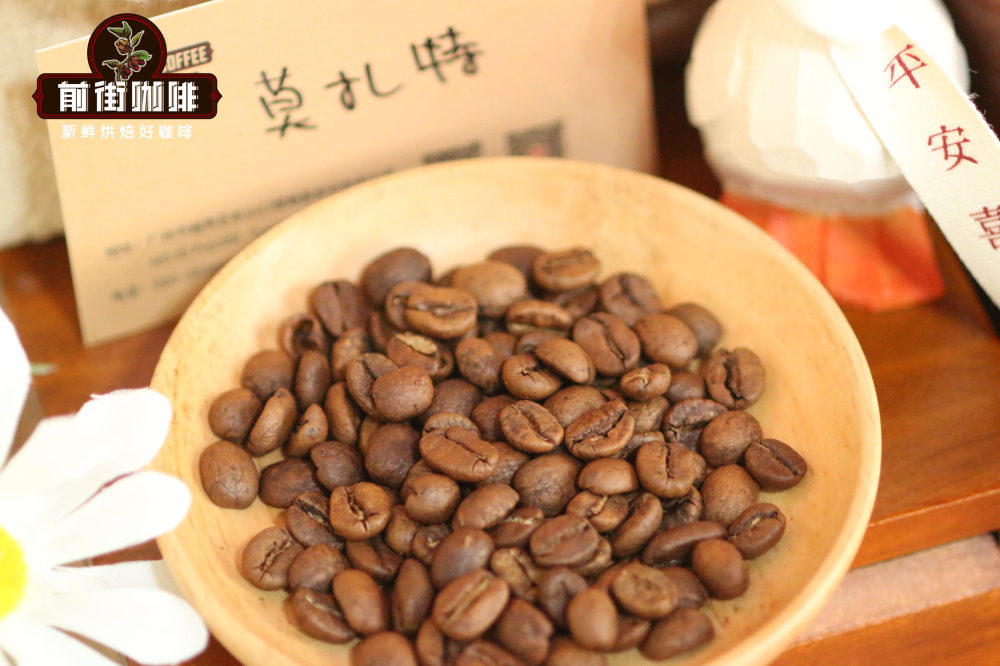
1. Costa Rica Musician Series (such as Beethoven, Mozart, Bach)
This series of coffee beans comes from the high-altitude Tarrazú region of Costa Rica (1,700–1,950 meters), using Caturra and Catuai varieties, mainly processed by raisin honey processing and washed processing respectively. These coffee beans are all SHB (strictly hard bean) grade, with prominent sweetness and fruity notes such as strawberry, citrus, grape, and tea aroma, bright acidity, a clean and refreshing mouthfeel, and rich layers.
Among them, Beethoven has flavors of green grape, vanilla, strawberry, and red pomegranate juice, with fresh acidity and aroma; Mozart is known for its sweet berry and dried banana sweetness; Bach displays diverse tropical fruit and honey toffee flavors.

2. Indonesia Golden Mandheling
From the Gayo Mountain region of Sumatra, at an altitude of 1,100–1,600 meters, processed with the unique wet-hulling method. This process gives the coffee a full-bodied and intense character, with distinct herbal, spice, and caramel aromas, full sweetness, and a strong, distinctive mouthfeel.
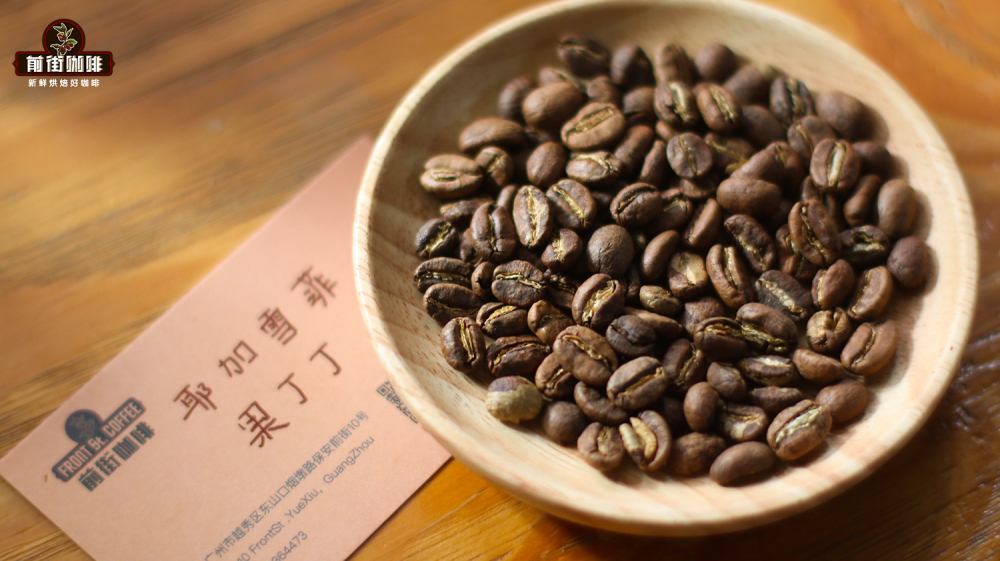
3. Ethiopia Yirgacheffe Gudingding
From the high-altitude Woka region (1,900–2,300 meters), processed with the traditional washed method. This coffee stands out for its bright citrus and berry acidity, with a fresh entry accompanied by tea notes and a honey finish; overall clean and balanced, it is a typical highland fresh-style coffee.

5. How to choose a black coffee that suits you
When choosing black coffee, consider your personal taste preferences and drinking scenarios. If you prefer refreshing, bright fruit acidity and floral notes, you can try light-to-medium roasted pour-over single-origin coffee; if you favor a full-bodied, intense taste, Americano made from dark-roasted Italian-style beans or blended beans may suit you better.
In addition, different brewing methods also significantly affect the flavor performance of coffee. Pour-over, cold brew, and ice-drip methods better highlight the delicate flavors of coffee, while espresso is more suitable for those seeking a strong taste and oily experience.
In summary, black coffee is not only a beverage but also a way to experience the essence of coffee. By understanding different types, roasting methods, and processing techniques, you can more precisely find the black coffee that suits your taste buds and enjoy the pure and diverse pleasures of coffee.