Ethiopian Heirloom Coffee Beans: Regions, Flavors and Brewing Guide
Introduction: As the birthplace of coffee, Ethiopia holds the world's richest coffee gene pool, and its heirloom coffees are known for their distinctive fruit aromas and varied flavors. This article takes an in-depth look at the geographical features, processing differences and flavor profiles of Ethiopia's six core regions, and offers professional advice from green bean identification to brewing parameters, helping coffee lovers choose the bean they want with precision.
 Ethiopia stretches across northeastern Africa, and of the country's 2,000 coffee varieties, 1,927 are native heirloom types. These ancient varieties, never subjected to artificial selection, together form coffee's genetic treasure house. Because the government does not publish detailed variety classifications in order to protect wild germplasm resources, local growers refer to them collectively as 'heirloom' varieties, which is also why Ethiopian coffee retains its mysterious regional character.
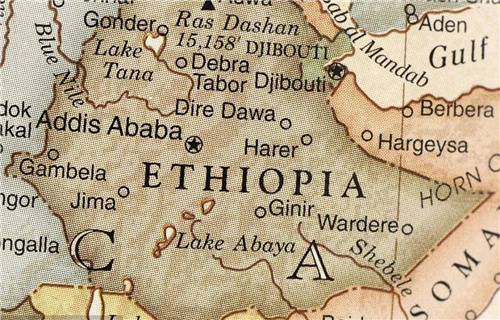 The country's coffee regions are mainly distributed across the southern highlands and the eastern Rift Valley belt, with Sidamo, Yirgacheffe, Harar, Guji, Limu and the Yirgacheffe sub-regions forming the core production zone. Owing to differences in altitude (1,500-2,200 meters), soil type and microclimate, each region nurtures a completely different flavor map—from bright citrus notes to rich berry wine aromas, expressing coffee terroir to the fullest.
 The diversity of heirloom varieties is visible in the appearance of the green beans: plant forms range from low shrubs to tall trees, leaf color ranges from dark green to pale copper, and fruit size varies markedly. This biodiversity gives Ethiopian coffee both strong disease resistance and complex flavors, but it also increases the technical difficulty of variety identification.
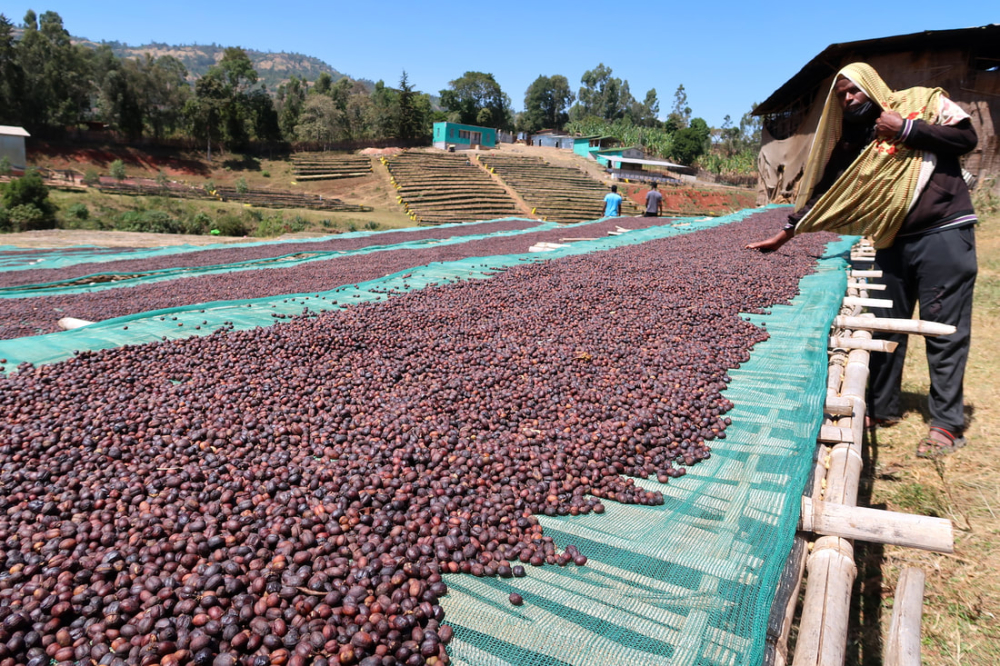 In terms of flavor preference, domestic consumers are especially fond of the jasmine aroma and citric acidity of Yirgacheffe and the blueberry jam and red wine texture of Sidamo. Notably, the Harar region is known for its distinctive spice notes (cinnamon/blueberry) and heavy body, while the emerging Guji sub-region produces specialty beans that combine citrus sharpness with tropical fruit sweetness.
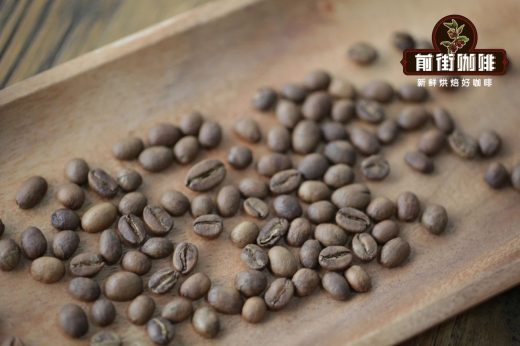
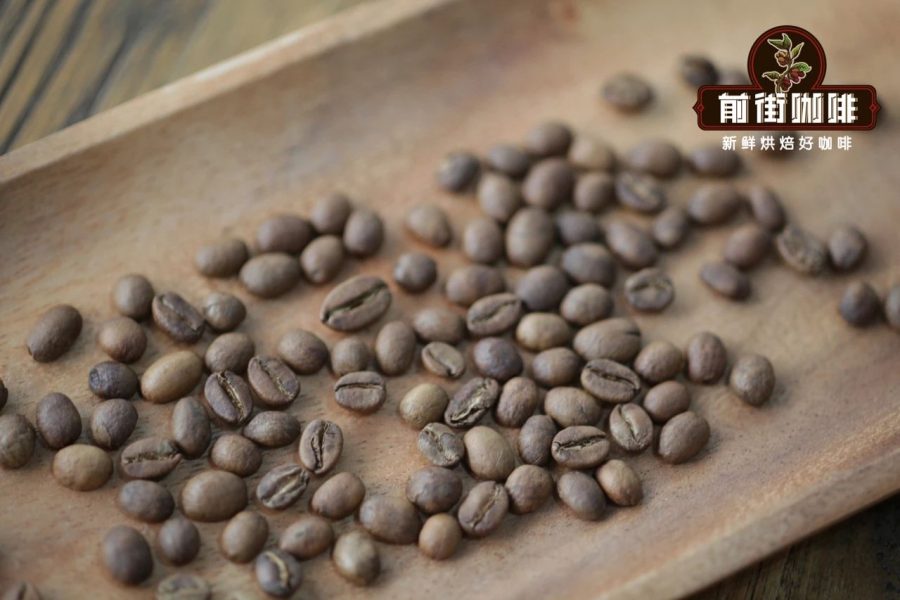
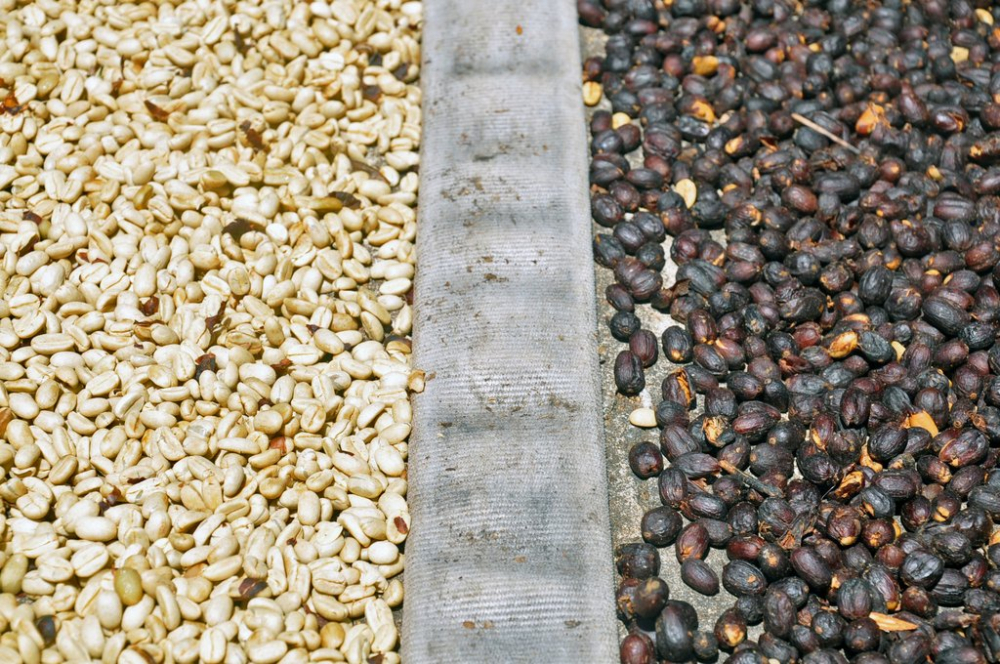
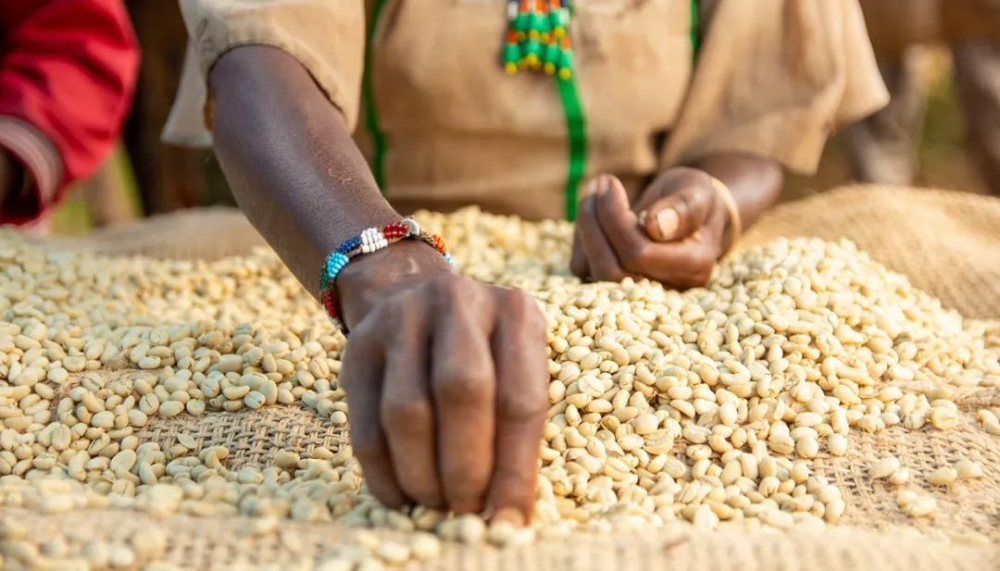 Processing method directly affects the final flavor presentation: washed beans show a blue-green color (little silver skin remains) and develop clear citrus acidity, a green tea finish and a light body; natural beans are yellow-green (much silver skin attached) and, after sun fermentation, produce berry sweetness, a caramel finish and a full mouthfeel. Consumers can quickly distinguish processing methods by observing green bean color and the degree of silver skin attachment.
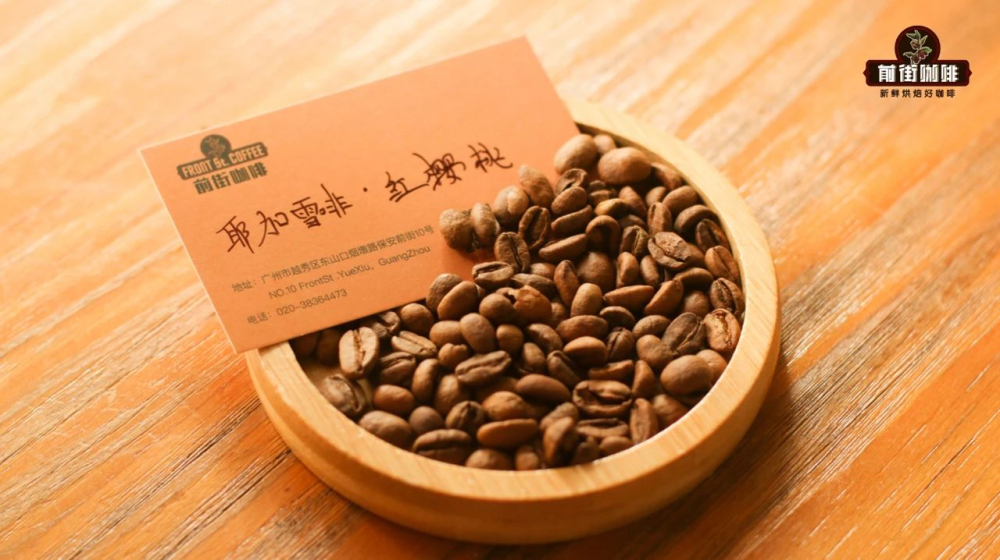 Actual tasting data shows that natural-processed Yirgacheffe-type beans often display medium-low acidity (pH 5.2-5.4) and medium body (body score 6-7/10), with flavor layers resembling fruit tea; the washed version, by contrast, shows high acidity (pH 5.6-5.8) and a crisp mouthfeel (body score 4-5/10), highlighting bergamot and white florals. Choose according to the drinking occasion—washed beans for morning alertness, natural beans for afternoon relaxation.
 Relying on the special geographical environment of the East African Rift Valley, the Sidamo region's coffee trees grow in volcanic soil mixed with humus, and with more than 2,000 hours of sunshine a year, this creates its signature red-wine-like full body. The Guji and West Arsi sub-regions stand out in particular: the former is known for passion fruit acidity paired with fermented wine aromas, while the latter presents a complex sweetness of dried plum and honey.
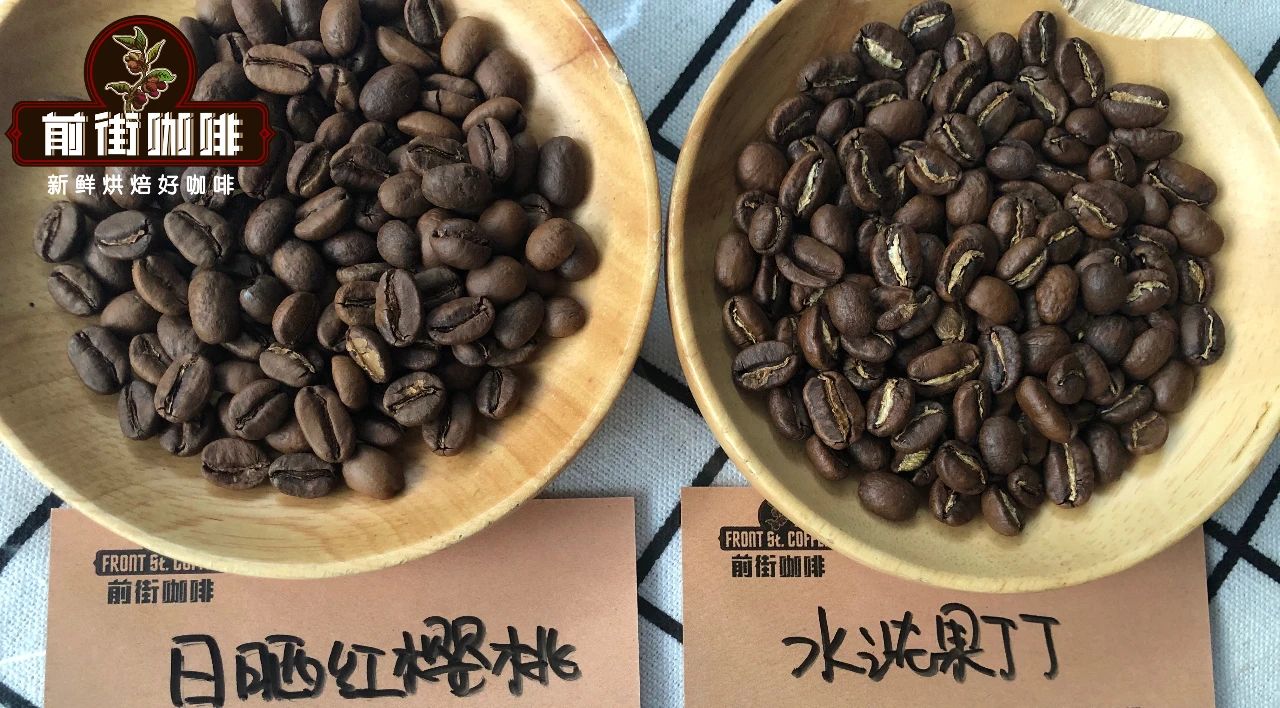 Professional roasters advise: when brewing Ethiopian heirloom coffees, use 92-94°C water and a medium-fine grind (75% passing a Chinese standard No. 20 sieve) for washed beans to highlight their clean acidity; natural beans are suited to slow extraction at a low temperature of 88-90°C, and a flannel filter cloth can enhance sweetness. In pour-over brewing, the technique of center pour → spiral expansion effectively balances the release of the multi-layered flavors typical of heirloom varieties.
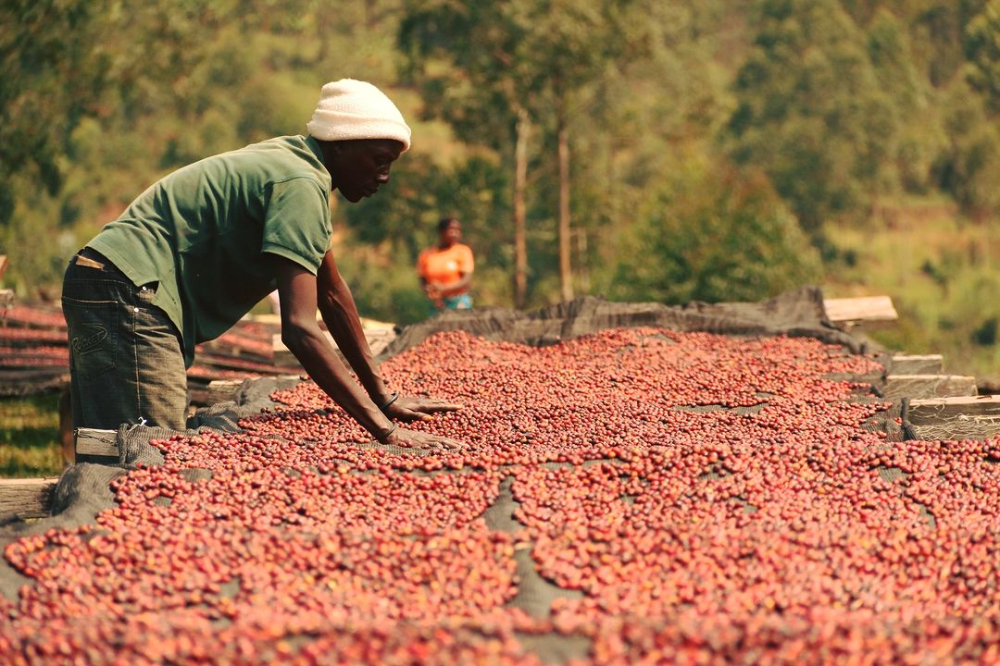 When buying, note: high-quality heirloom green beans should have a uniform blue-green color, firm, plump beans (specific gravity ≥1.25 g/cm³) and a moisture content below 12%. For storage, use jute bags with one-way exhaust valves and keep them in a cool environment at 15-20°C; the best flavor period is 45-60 days from the roasting date.