Yunnan Small-Bean Coffee Review: Flavor, Grading and Value Guide
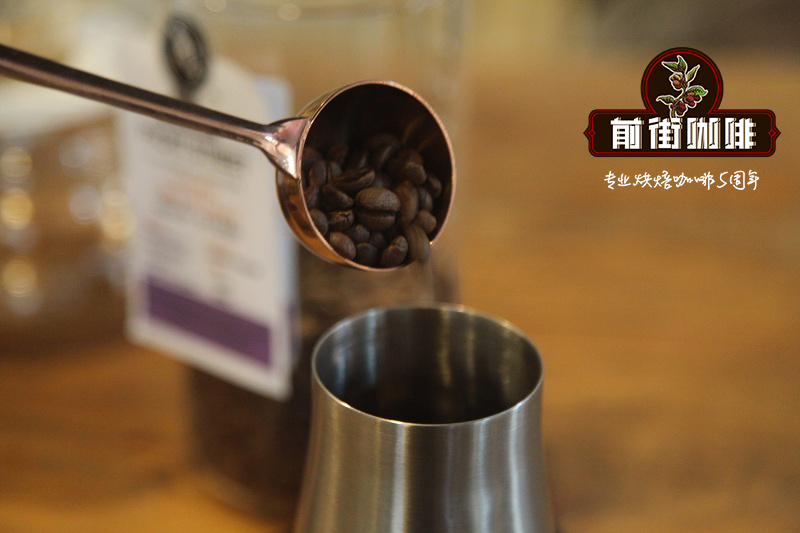
Introduction: Yunnan small-bean coffee, shaped by its unique geographical environment, develops a distinctive flavor and has become a representative of domestic Chinese coffee. This article takes an in-depth look at the true quality of Yunnan small-bean coffee, from flavor characteristics and cultivation techniques to buying advice, helping coffee lovers fully understand whether it is worth trying and how to choose high-value quality beans.
Thanks to its unique geographical and climatic conditions, Yunnan has become one of China's and even the world's important specialty coffee regions. The small-bean coffee produced here, with its flavor profile of "rich without bitterness, aromatic without harshness, with a hint of fruit," has long been recognized by coffee professionals at home and abroad, and has even been described by some international coffee experts as world-class.
Yunnan small-bean coffee is in fact a variety of Arabica coffee formed through long-term local cultivation and acclimatization. The beans are usually small but dense, a trait that allows them to heat more evenly during roasting and thus release complex, balanced flavors. Its flavor descriptions often include citrus, nuts and light floral notes, with moderate acidity, a clean mouthfeel and an overall balanced expression, making it very suitable as a bean choice for everyday drinking or pour-over coffee.
<>When it comes to the quality of Yunnan small-bean coffee, several key dimensions need to be considered. First, coffee beans themselves do not have "brands"; most branded coffee beans on the market are green beans purchased in bulk by merchants, roasted in-house and then sold under a brand. What truly affects the final flavor of the coffee is the quality grade of the green beans themselves, the roast level and freshness. Generally speaking, specialty coffee beans refer to beans with a cupping score above 80; such beans, regardless of origin, have the opportunity to show surprising layers of flavor as long as they are handled properly.
Many people mistakenly believe that "having a brand means good quality." In reality, coffee is an agricultural product whose core value lies in the raw material and processing. For ordinary consumers, rather than agonizing over brands, it is better to learn to identify the roast date, processing method, origin information and flavor description of coffee beans; these are the keys to judging whether coffee is good or bad.
When buying Yunnan small-bean coffee, price is indeed a focus for many consumers. Compared with imported specialty coffee beans from Central and South America or Africa, coffee beans produced in Yunnan are generally more affordable. This is mainly due to the low cost of local cultivation and shorter transport distances. But this does not mean that all low-priced Yunnan beans have excellent flavor. Some low-priced products may be commercial-grade or generic beans; these often score below 80 in cupping, have a one-dimensional flavor and may even carry undesirable notes such as grassy or over-fermented aromas.
Therefore, if you are a beginner just getting into coffee, it is advisable to give priority to Yunnan small-bean coffee beans labeled "specialty" and clearly marked with a cupping score above 80. At the same time, try to choose products that provide a roast date—the optimal flavor period for specialty coffee is generally 1 to 2 weeks after roasting, and it is best to grind and brew within 7 to 14 days after roasting so you can experience its fullest flavor expression.
In addition, Yunnan small-bean coffee also has its advantages in cultivation techniques. Through years of practice, local growers have mastered key techniques including shade growing, precise water and fertilizer management and ripe-picking, which help improve the consistency and ripeness of the coffee fruit and thus guarantee the quality of the green beans at the source. Small-bean coffee from some high-altitude production areas (such as Pu'er, Baoshan and Lincang) often has fuller, more concentrated flavor and better sweet-acid balance because of the large temperature difference between day and night and the long growing cycle.
In summary, Yunnan small-bean coffee is not synonymous with "cheap and low quality." Within a reasonable price range, consumers can absolutely buy specialty-grade Yunnan coffee beans with excellent flavor and stable quality. The key is to understand basic coffee knowledge, learn to look at origin, roast date, processing method and flavor description, and avoid blindly pursuing brands or low prices. If you are looking for a coffee bean with a unique flavor and high value, you might try small-bean coffee from Yunnan; perhaps it will open a new door for you to discover domestic specialty coffee.