Indonesian Mandheling Coffee: Flavor Profile and Pour-Over Guide
Introduction: Indonesian Mandheling coffee is known for its rich, full-bodied mouthfeel and distinctive spice notes, and Golden Mandheling, with its strict sorting process, has become a representative of specialty coffee. This article examines the origin of the Mandheling name and the characteristics of its growing regions, explains the causes of its low-acidity flavor, and offers professional roasting suggestions and precise pour-over parameters to help coffee lovers better experience the appeal of this classic bean.
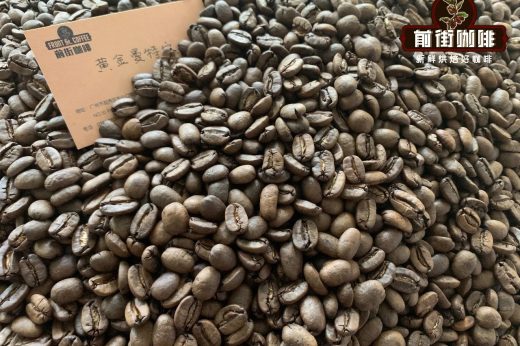
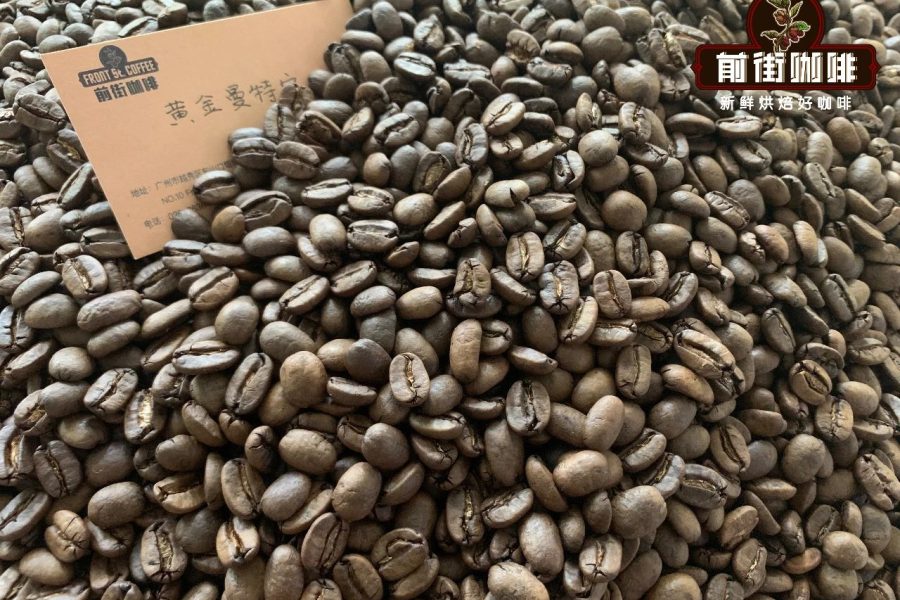
When people mention Mandheling coffee, they always associate it with its intense aroma, solid mouthfeel and signature herbal spice notes. Among the many specialty coffees, Golden Mandheling stands out for its exceptional quality—Japanese buyers introduced a four-round manual sorting system more than ten years ago that removes all defective beans, ultimately presenting a uniformly colored dark green bean. This innovation not only sparked a craze in Japan but also successfully entered high-end markets in Europe and the United States.
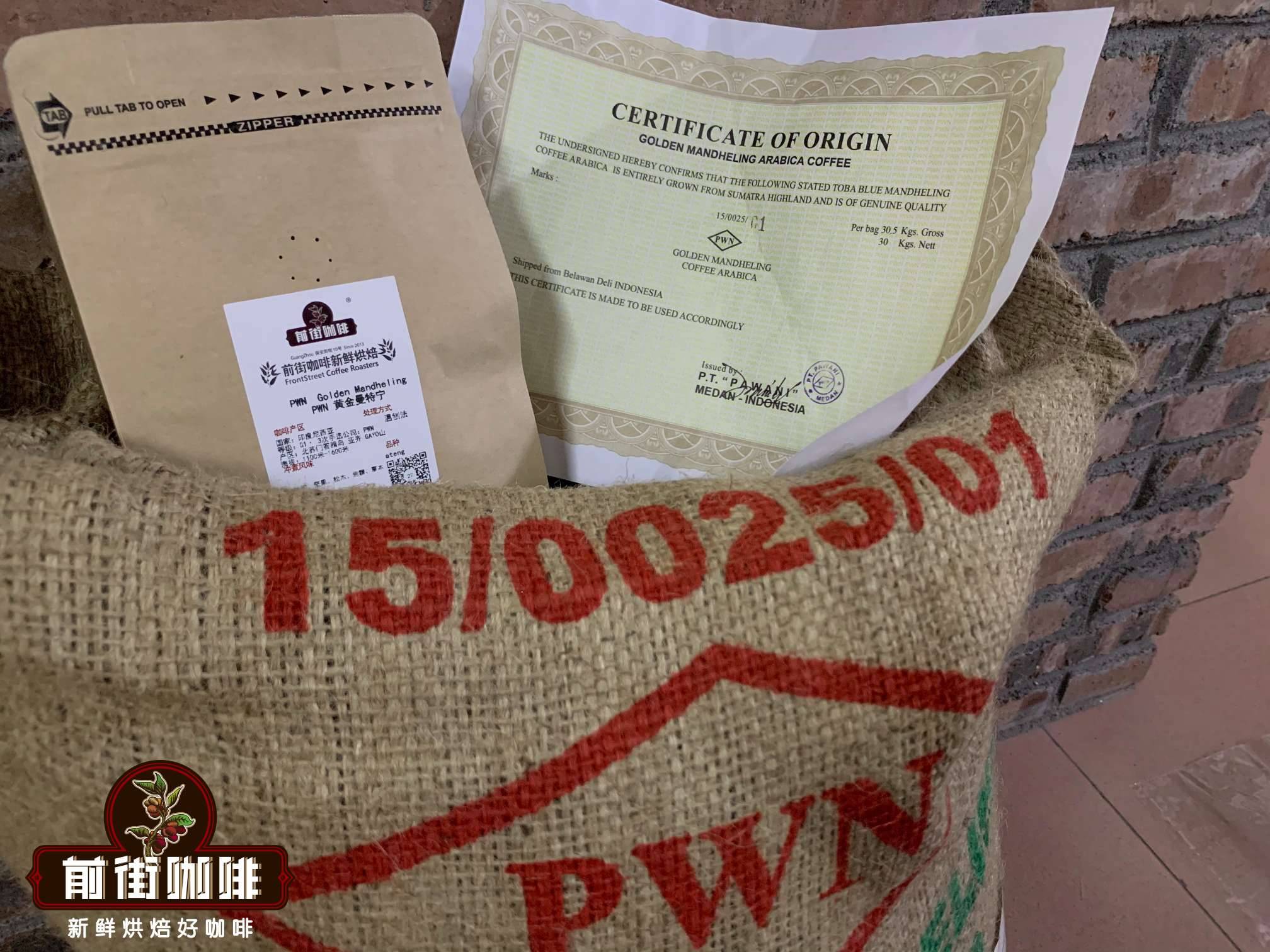
The name "Mandheling" hides a historical misunderstanding. It does not come from a place name or a coffee variety, but is a misnomer for the Mandailing people of Indonesia. During World War II, a Japanese soldier stationed in Indonesia tasted a coffee at a local café that amazed him; when he asked the owner, a language barrier led to the answer "Mandailing people." After the war, the soldier brought back 15 tons of coffee beans from memory, and the drink called "Mandheling" quickly became popular, with the supplier being the later-famous Pwani Coffee Company (PWN). Today the generally recognized authentic Mandheling comes from around Lake Toba in northern Sumatra, with a distinct herbal and forest character.
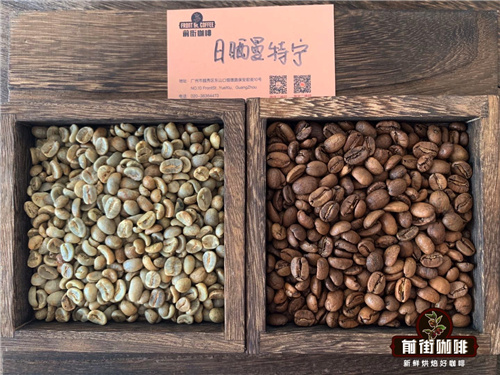
Interestingly, Mandheling green beans are themselves fairly acidic, yet the brewed cup shows low acidity. This is mainly due to two key processing steps: first, a pretreatment with a shorter duration and lower fermentation intensity, and second, a longer drying process. It should be noted in particular that the special "earthy flavor" produced during wet-hulling has several explanations in academic circles—it may reflect the characteristics of Tim Tim and Catimor varieties (which contain Robusta genes), or the interaction between the microclimate of specific growing regions and the green beans, or even be related to defective beans mixed in due to loose early sorting standards.

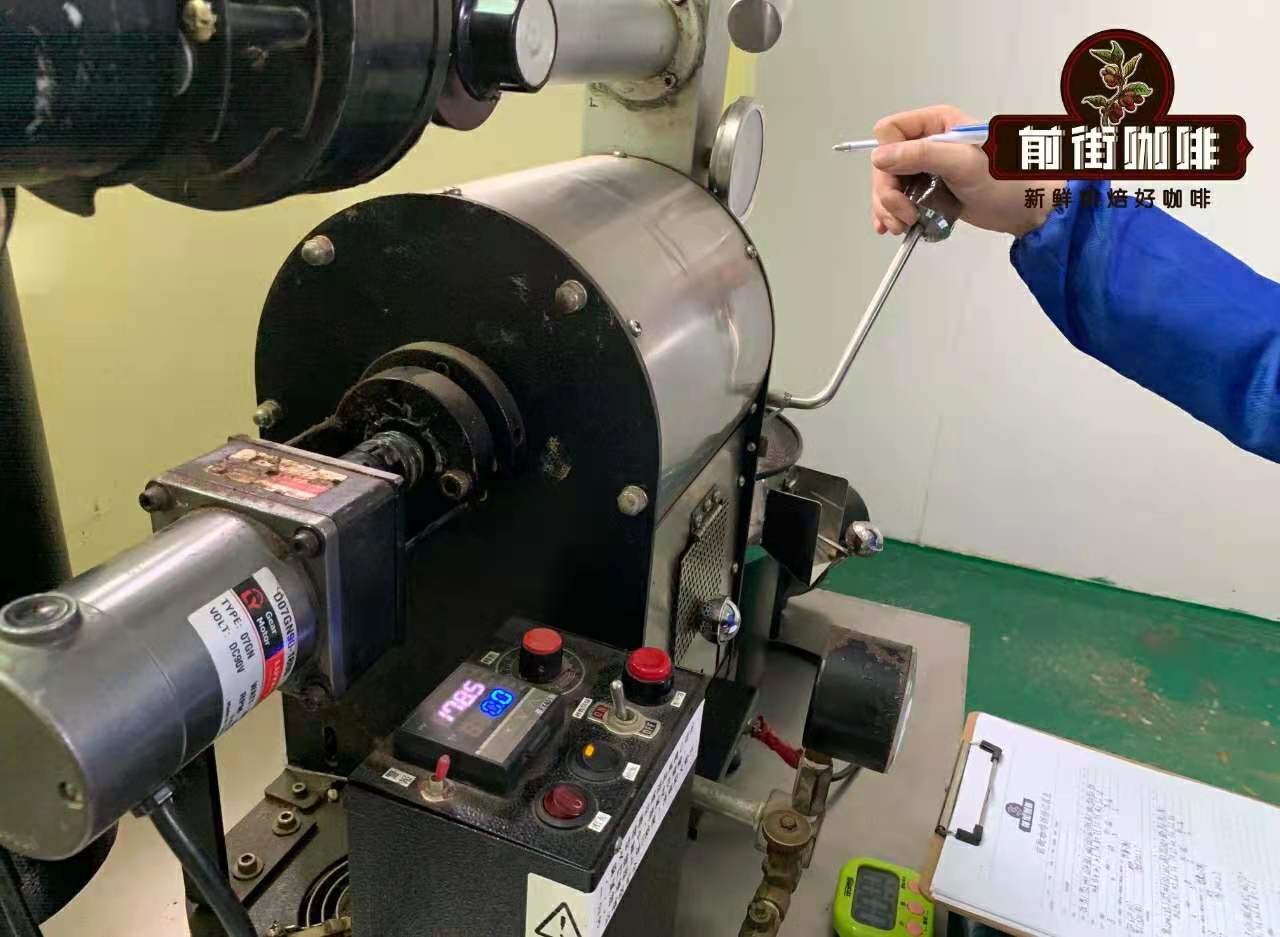
Given Mandheling's flavor characteristics, professional roasters usually adopt a medium-dark roast profile. A typical process, for example: charge temperature set at 200°C, reaching the yellowing point after 5 minutes 40 seconds, entering first crack at 9 minutes 54 seconds, maintaining a development period of 3 minutes 30 seconds, and completing the roast at 204.5°C. This roasting strategy effectively weakens the original acidity by extending dehydration time and controlling the heat curve, while promoting caramelization to give the coffee richer sweetness and a full-bodied texture.
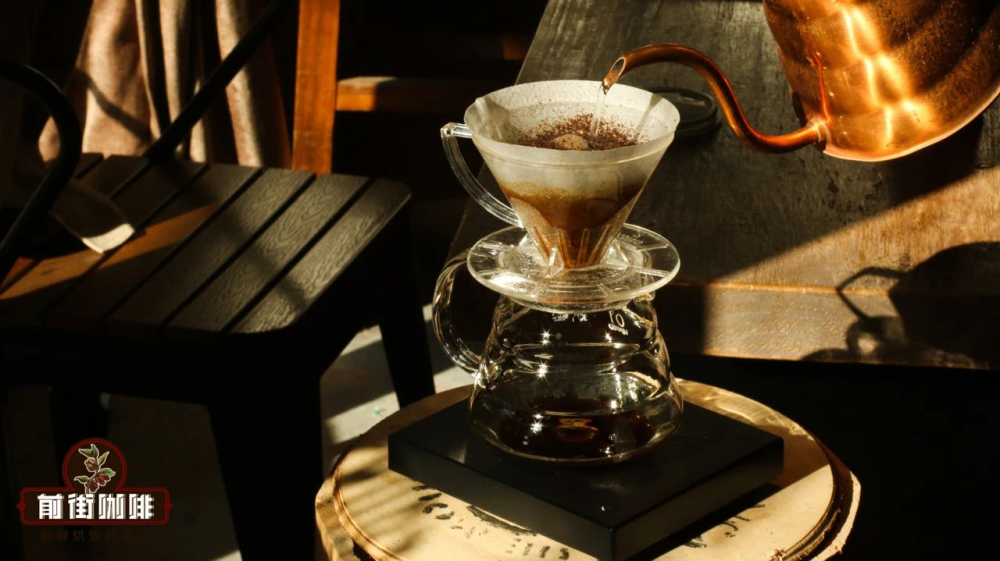
In the extraction stage, the choice of equipment is equally important. Observation shows that using a Kono dripper with short, straight ribs and smaller holes can significantly extend the contact time between water and grounds (compared with ordinary drippers), and this design helps fully express Mandheling's full-bodied character. Suggested operating parameters: use 15 g of medium-fine ground coffee (sugar-like coarseness) with a 1:15 coffee-to-water ratio (total water 225 ml). First, pour 30 ml at 88°C for a 30-second bloom, then pour in two stages—first add 95 ml to bring the total to 125 ml (10-second interval), and finally complete the remaining water within 1 minute 30 seconds, with the entire extraction controlled at about 2 minutes.
Technical points: keeping the water temperature in the 85-88°C range avoids over-extraction of dark-roasted beans that produces burnt bitterness; a 1:15 coffee-to-water ratio has been proven to achieve a balanced expression of acidity, sweetness and bitterness; and the three-stage pouring method ensures full extraction while preventing channeling. Note in particular that wet-hulled coffee beans often contain more fine defects, so it is recommended to shake and mix them evenly three times before use.
For enthusiasts seeking the ultimate experience, try fine-tuning the parameters to explore personal preference: if you prefer a brighter mouthfeel, raise the water temperature to 90°C and switch to a medium-coarse grind; if you favor a richer style, extend the extraction time to 2 minutes 15 seconds or grind slightly finer. Remember, a high-quality Mandheling should present a dark-chocolate-like full-bodied base, accompanied by a layered spice finish of cedar and clove.