Sumatra Aged Mandheling Coffee: Flavor, Storage Tips, and Pour-Over Guide
Introduction: Aged Mandheling coffee has become a collector's choice for experienced coffee enthusiasts thanks to its uniquely mellow flavor. This article explains this special bean variety that requires years of maturation, from traditional Indonesian warehousing methods to modern processing techniques, and analyzes the science behind its acidity conversion and aroma evolution. It also provides professional-grade pour-over parameters, grind-size recommendations, and flavor-wheel descriptions to help you precisely present its signature caramel and herbal notes.
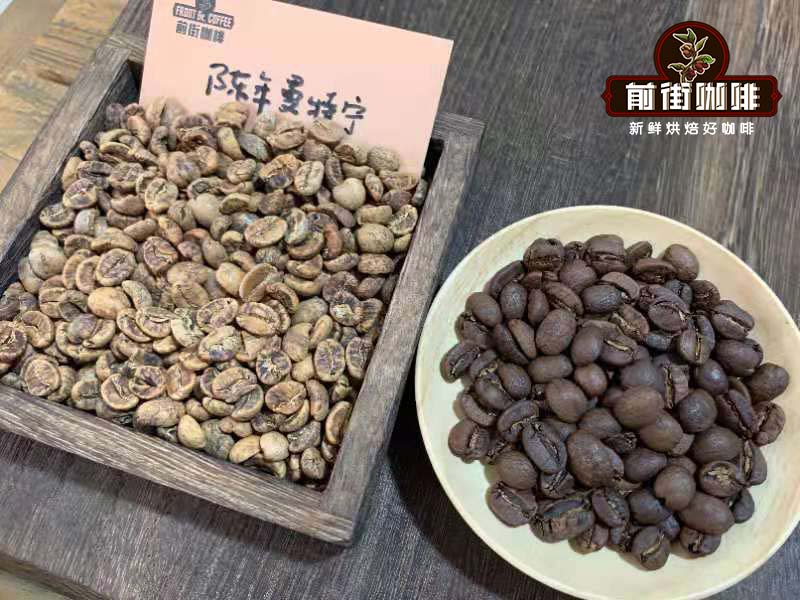
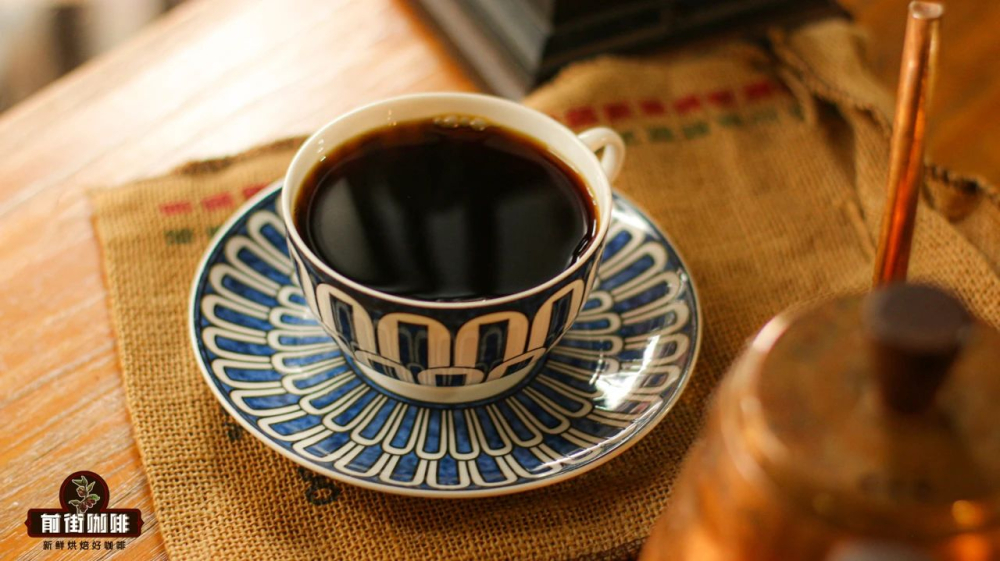
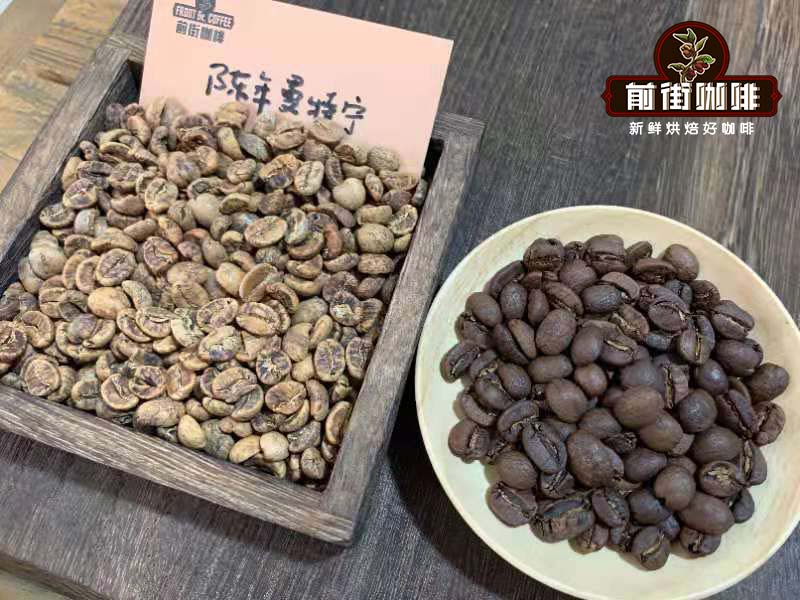
When aged coffee is mentioned, most people think of the cellar-aging art of wine. Sumatra aged Mandheling is the coffee world's "time-aged brew"—these beans must undergo professional storage for more than 24 months, with precise control of temperature and humidity and regular turning, so that the originally bright fruity acidity gradually transforms into a mellow nutty character. Unlike ordinary freshly roasted beans, their surface often shows a dark brown or even nearly black color, a natural protective layer formed by long-term oxidation.
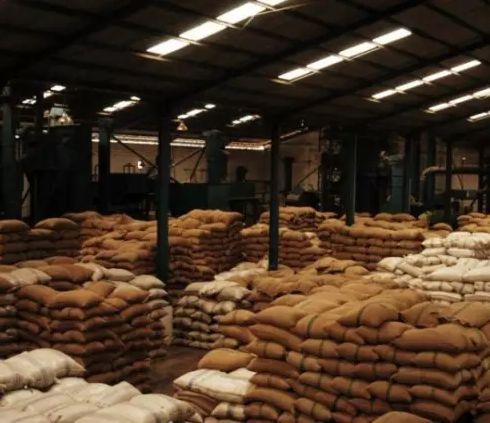
The essence of the aging process lies in "controlled aging." Indonesian coffee farmers select Typica variety green beans and carry out staged maturation in a ventilated, cool storage environment. Each batch of beans must be turned by hand every two weeks, ensuring even contact with air while avoiding localized dampness that could breed mold. This process loses about 15% of moisture, reducing bean density, but at the same time promotes the conversion of sucrose into more caramelized substances. It is worth noting that true aged beans are by no means simply stored unsold beans, but a special cultivation process that begins right after picking.
Compared with the bright acidity of fresh roasts, aged Mandheling shows an entirely different dimension of charm. Acidity shifts from bright citric acid to soft malic acid, body increases by 30%-40%, accompanied by a distinct dark chocolate finish. Professional cupping shows that high-quality batches aged for two years can reach a sweetness index of 8.2/10 (fresh beans average 6.5) while maintaining a low defect rate. This transformation benefits from Indonesia's unique maritime climate—the high-humidity environment accelerates the polymerization reactions of non-volatile substances.
The debate over the merits of fresh versus aged beans essentially depends on the drinking occasion. Varieties such as natural Yirgacheffe suit consumers seeking fresh floral and fruity notes, while aged Mandheling is the ideal choice for those who prefer bold flavors. Its unique woody notes and spice aromas (such as cinnamon and cardamom) come from the slow interaction between wood fibers and the beans during storage. Historical records show that this processing method originated in the 19th-century sailing-ship transport era, when six-month sea voyages accidentally created a special flavor, which Indonesian producers later developed into a standardized process.
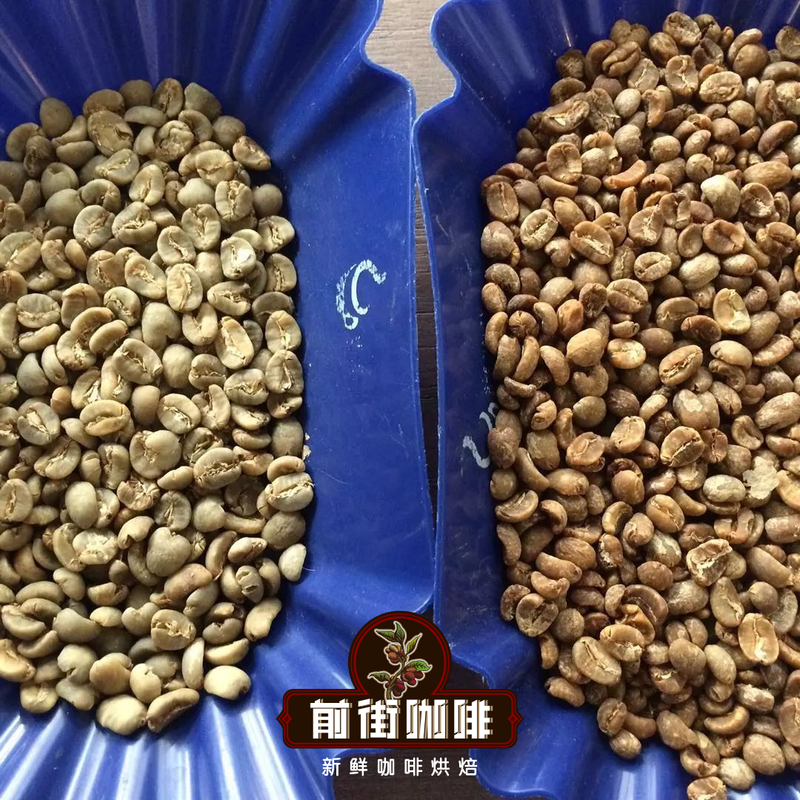
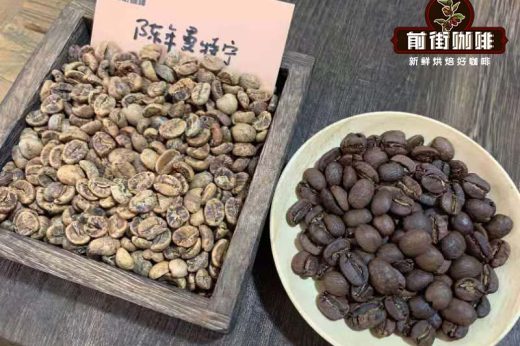
Observing the green bean form of aged Mandheling reveals obvious physical changes: the color shifts from pale green to dark brown, fine cracks appear on the bean surface, and some samples carry a smell like burlap fabric. These features are all normal and are instead evidence of full maturation. But beware the risk of over-aging—beans stored for more than 48 months may develop a machine-oil or cardboard taste. It is recommended to have a professional institution test the oxygen transmission rate (should be <0.5cc/m²/day) to judge storage condition.
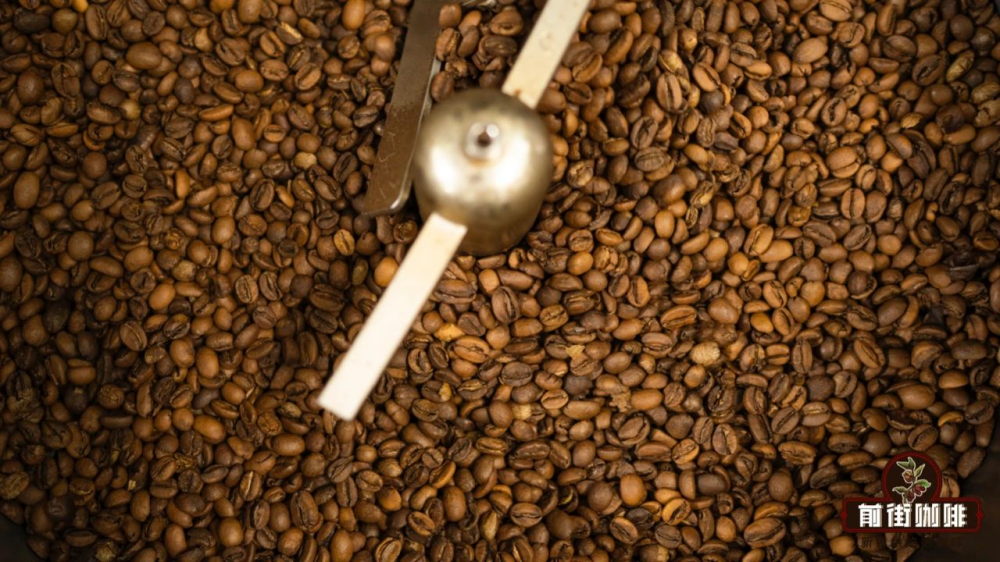
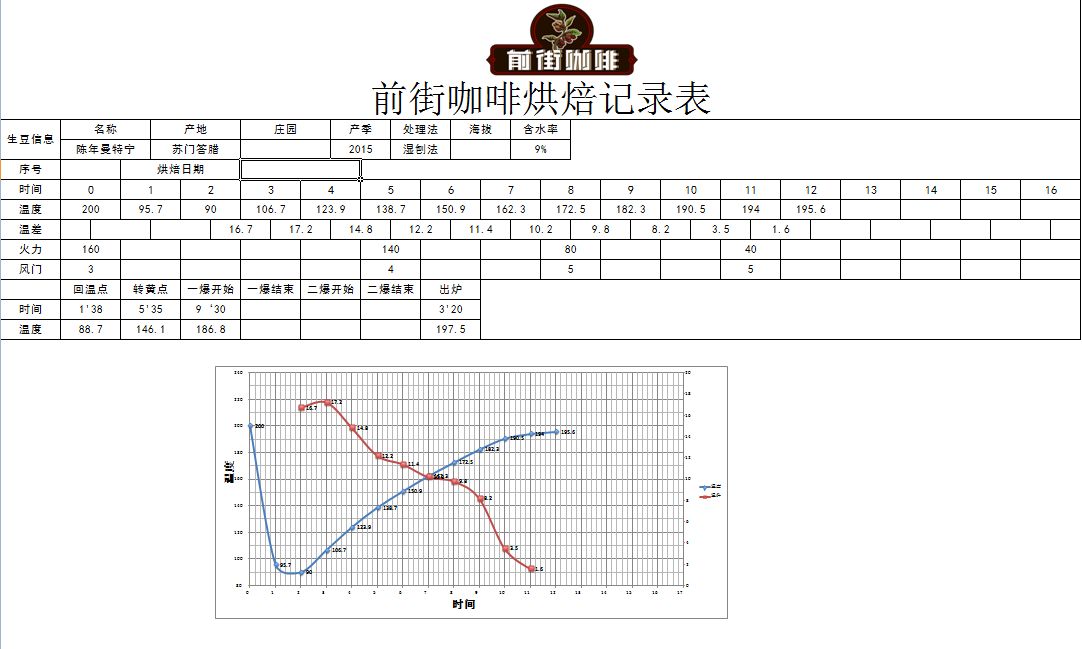
For roasting this special bean variety, special attention must be paid to the density-compensation roasting method. Because aged beans have a moisture content of only 9%-10% (fresh beans about 11%-12%), the initial charge temperature should be raised to 200±2°C, using a "fast attack, slow development" strategy: maintain high heat for the first 1-3 minutes for rapid dehydration, lower the heat to 140-150°C during minutes 4-6 to promote the Maillard reaction, and in minutes 7-9 finely adjust the airflow damper (from position 3 to 5) to control the pace of first crack. In practice, when rough textures and scattered oil spots appear on the bean surface (about 9'30''), immediately set the heat to the lowest setting and prepare to drop the beans.
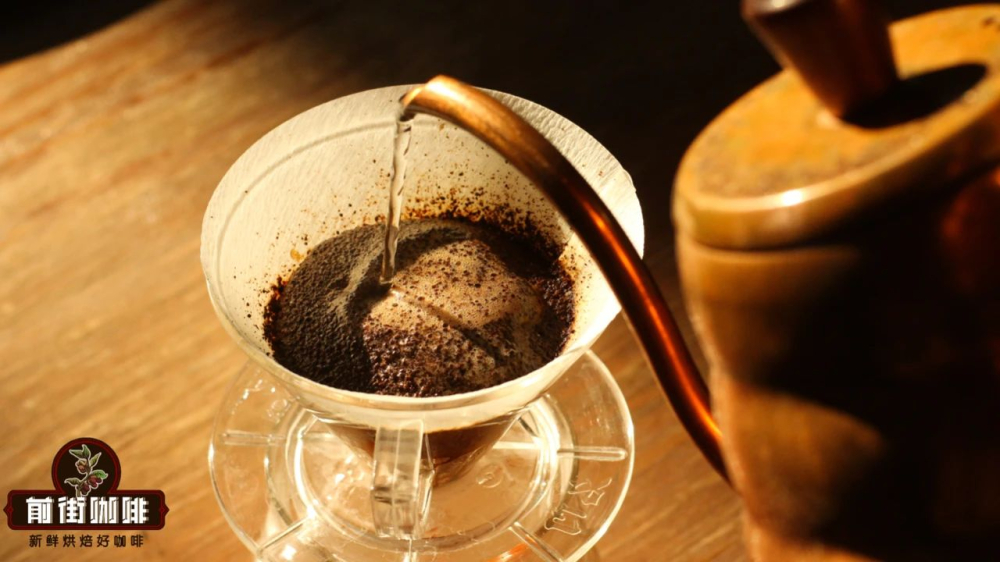
For the pour-over extraction stage, the KONO dripper + grind size 4 combination is recommended. This setup extends the water-coffee contact time to 2 minutes through its denser rib structure, making it especially suitable for coarsely ground aged beans. Specific parameters: water temperature 88°C (2-3°C lower than usual to prevent over-extraction), coffee-to-water ratio 1:14, and a first bloom pour of 25g lasting 30 seconds. The key technique is to keep the water flow steady during the second pour; when the water level drops to two-thirds of the bed, use a center-outward radial pouring method to ensure all coffee grounds participate evenly in extraction. The flavor wheel shows that under these parameters, the intensity of herbal notes (such as rosemary) and caramel sweetness reaches the best balance point.
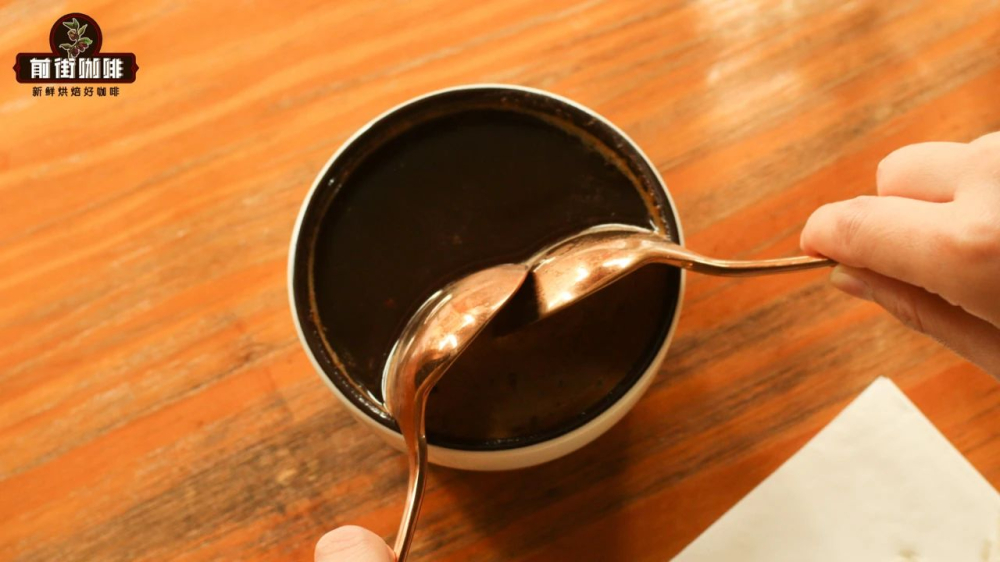
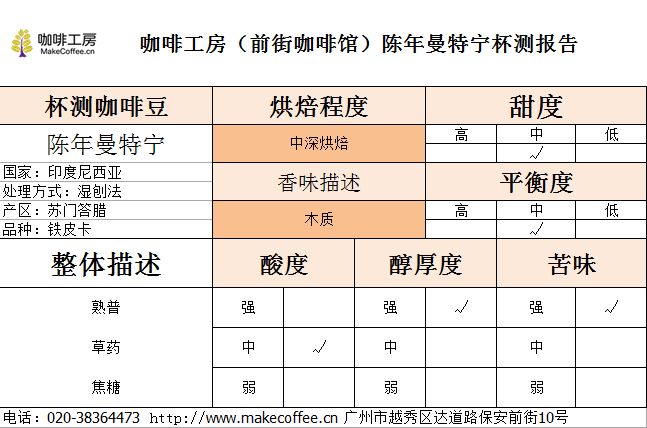
Cupping reports from professional roasters show that excellent batches of aged Mandheling should present the following flavor layers:
• Dry aroma: sandalwood/tobacco
• Wet aroma: caramel pudding/roasted almond
• Entry: dark chocolate/cinnamon
• Finish: licorice/light smokiness
If a vinegar taste from over-fermentation or an earthy, fishy smell appears, improper storage is likely. After opening, it is recommended to store in an airtight canister with a one-way degassing valve, with the ambient temperature controlled at 18-22°C and relative humidity <50%.
In summary, aged Mandheling represents the pinnacle of coffee processing—it is both an artwork of time and a crystallization of science and experience. From the Typica variety nurtured by Sumatra's volcanic soil to the mellow flavor developed over two years of aging, every step embodies the wisdom of coffee farmers and roasters. For coffee enthusiasts pursuing depth of flavor, mastering the correct storage methods and brewing parameters allows you to recreate a professional coffee-shop-level tasting experience at home.