Yirgacheffe vs. Hualkui Coffee Beans: Pour-Over and Moka Pot Guide
Introduction: This article provides an in-depth comparison of coffee beans from two renowned Ethiopian regions—Yirgacheffe and Sidamo Hualkui—analyzing everything from origin history and processing methods to flavor differences. It focuses on practical methods for brewing Hualkui coffee beans in a moka pot, covering key parameters such as grind size, dose, and heat control, and offers flavor pairing suggestions to help you precisely grasp the performance potential of these two specialty beans.
Among Ethiopia's many specialty coffee regions, Yirgacheffe and Sidamo's Hualkui are arguably the two most representative stars. Yirgacheffe originally belonged to Sidamo; its name means "let us settle in this snowy land" in the local dialect. Because of its early distinctive flavor, nearby farmers rushed to imitate it, ultimately forcing it to be established as a separate region. The region introduced washed processing technology in the 1970s, which not only improved production efficiency but also created its fresh, transparent flavor base.
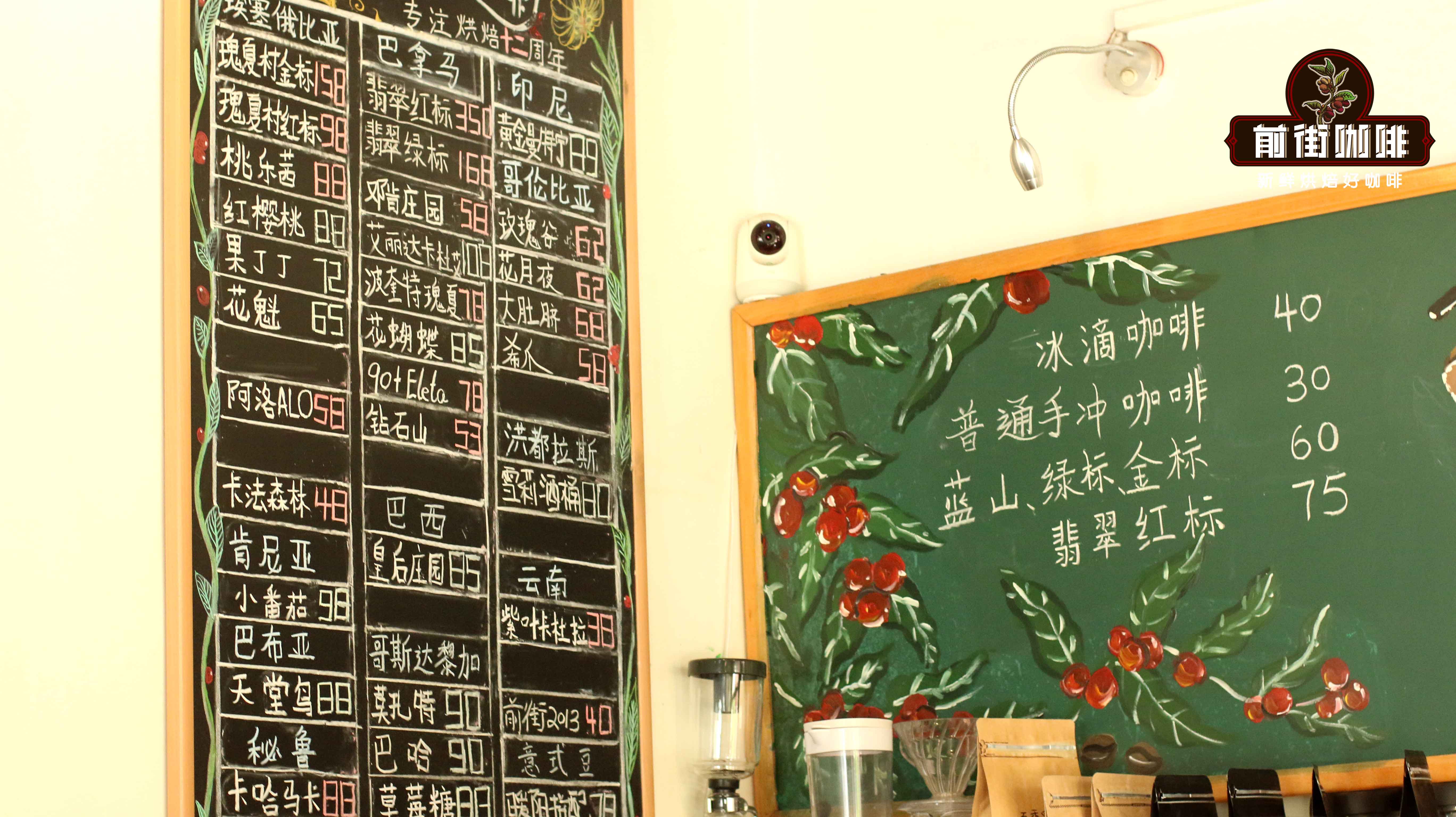
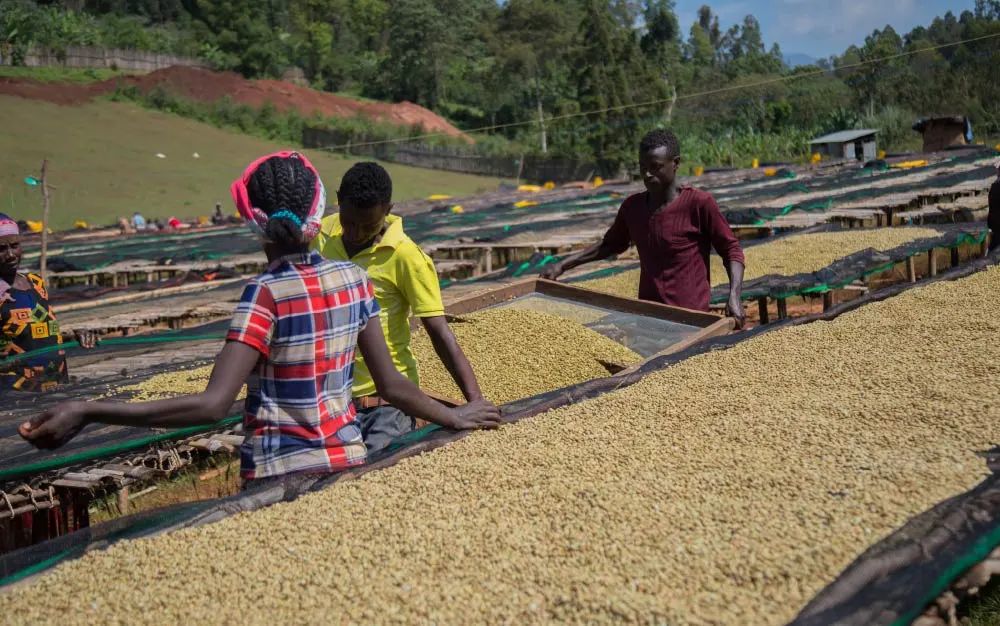
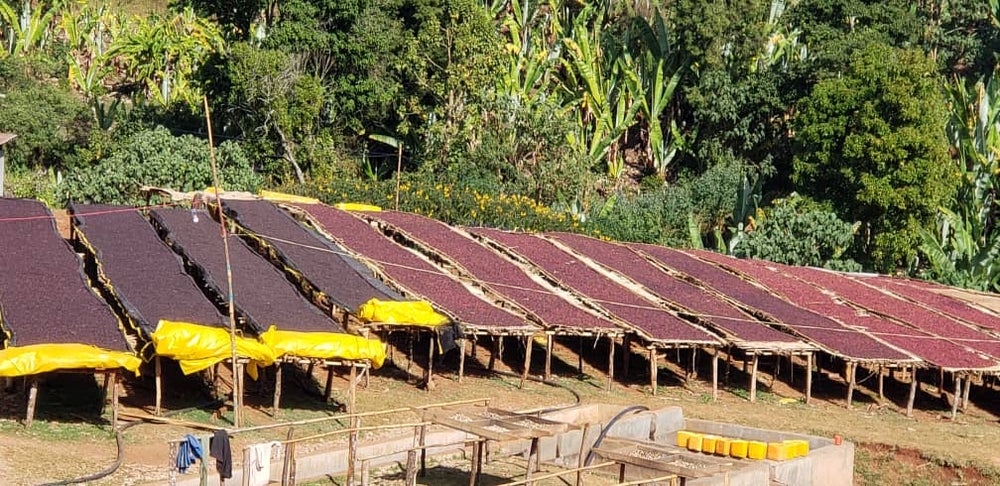
The signature flavors of washed Yirgacheffe include delicate floral aromas, bright citrus notes, and clear citric acidity, with a clean, well-layered mouthfeel. This processing method gives the coffee higher cleanliness and sweetness balance, quickly winning it favor among coffee lovers worldwide. The region's core areas mostly lie at elevations between 1,900 and 2,300 meters; the high-altitude environment, combined with the natural advantages of heirloom varieties, provides ideal conditions for flavor complexity. The area shown is the Worka sub-region in southeastern Yirgacheffe, home to several cooperatives focused on specialty coffee.
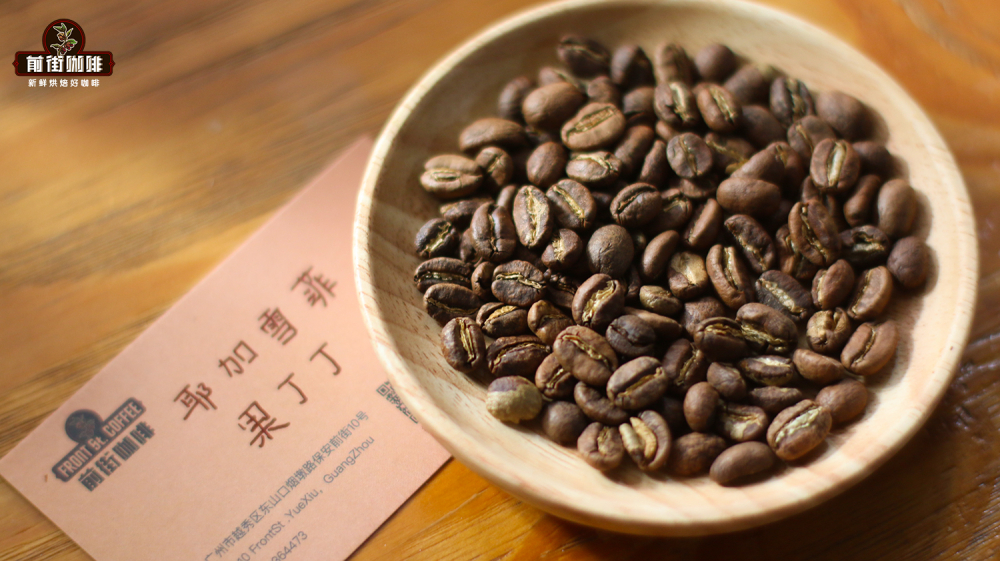
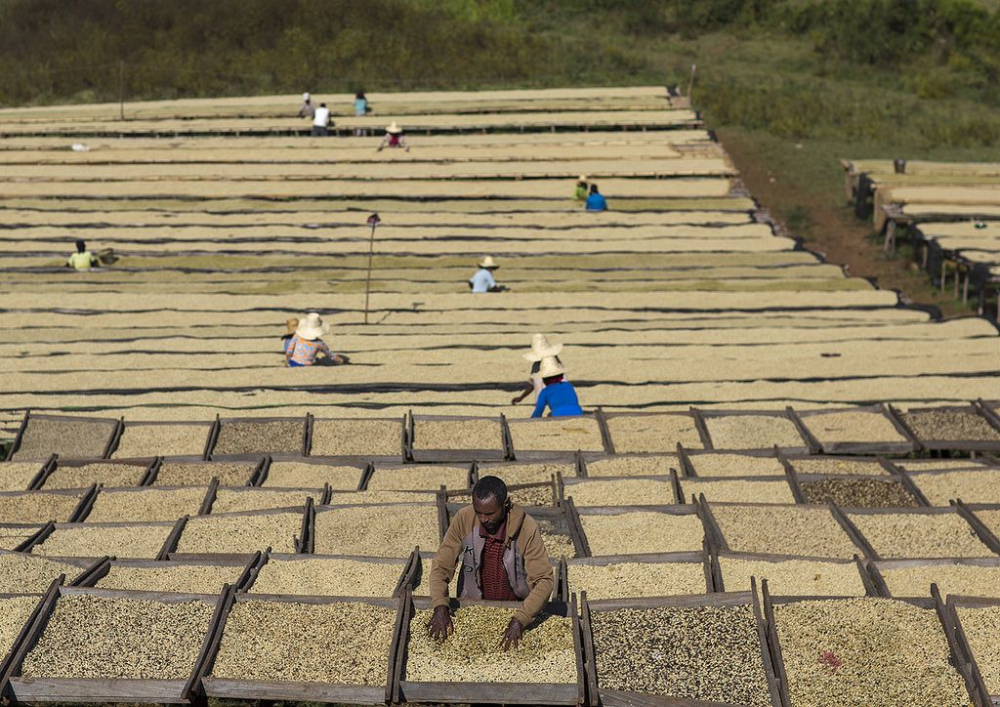
Turning to the Sidamo region, its flagship Hualkui coffee beans display a completely different character. Hualkui originates from the Hambela sub-region of the Guji zone within the greater Sidamo area, where coffee is mostly processed using the traditional natural method—drying the whole fruit directly so that sugars from the pulp and mucilage fully permeate the green beans, giving the coffee a richer sweet aroma and fuller body. In 2017, Hualkui won the TOH natural category championship with its signature strawberry-cream flavor, rising to fame ever since.
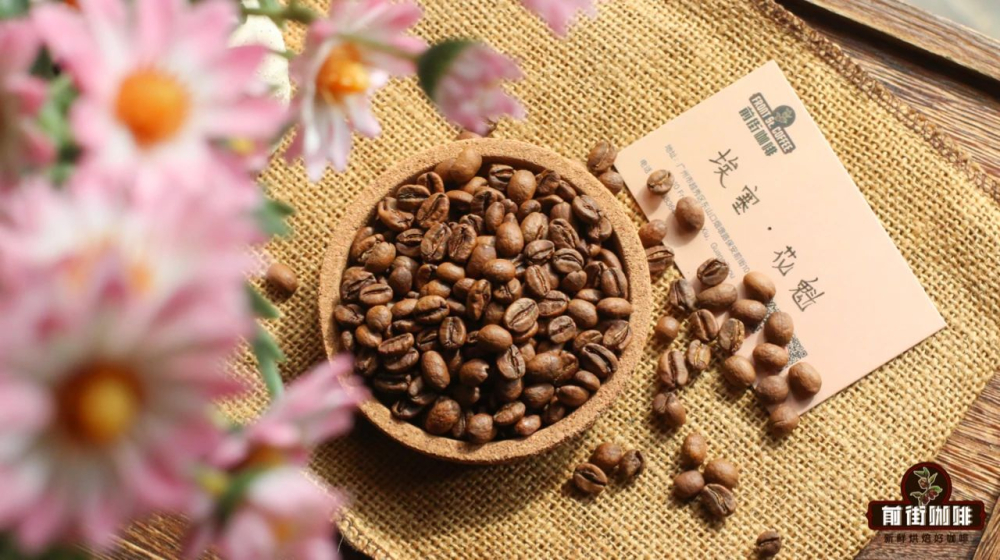
Hualkui's flavor spectrum is rich, with both the sweetness of tropical fruit and a soft fermented aroma. After being introduced to China that year, it was given the name "Hualkui" (meaning "leader of flowers") for its distinctive cream soda, guava, and dried mango flavors, symbolizing the best among specialty coffees. Hualkui beans commonly available on the market come in various roast levels; the light-roast version suits pour-over, highlighting the fresh sweet-tart notes of citrus, blueberry, and guava, while for a moka pot or espresso machine, an optimized natural Hualkui SOE is recommended to release a fuller nutty and caramel finish. The image shows Hualkui coffee beans' award records in competitions, confirming their quality consistency.
Next, we focus on how to extract Hualkui SOE coffee with a moka pot. In the preparation stage, gather freshly roasted coffee beans, purified water, a grinder, a heat source (gas stove or induction cooktop), a moka pot, and measuring tools. First, remove the lower chamber of the moka pot and fill it with clean water to about 0.5 cm below the pressure relief valve—this shortens heating time, prevents the coffee grounds from being heated too early and turning bitter, and also keeps water from rising above the safety valve and causing a hazard.
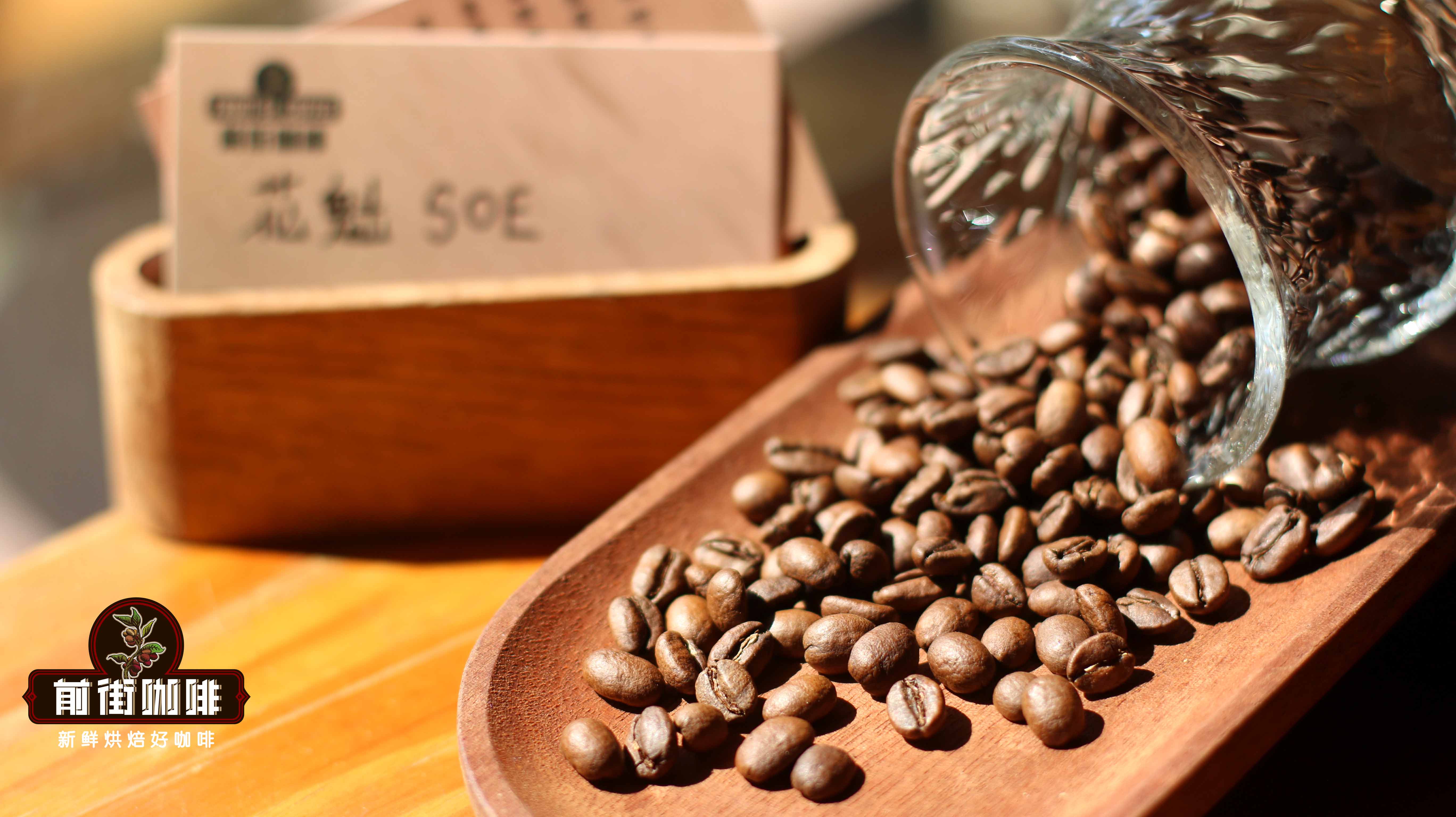
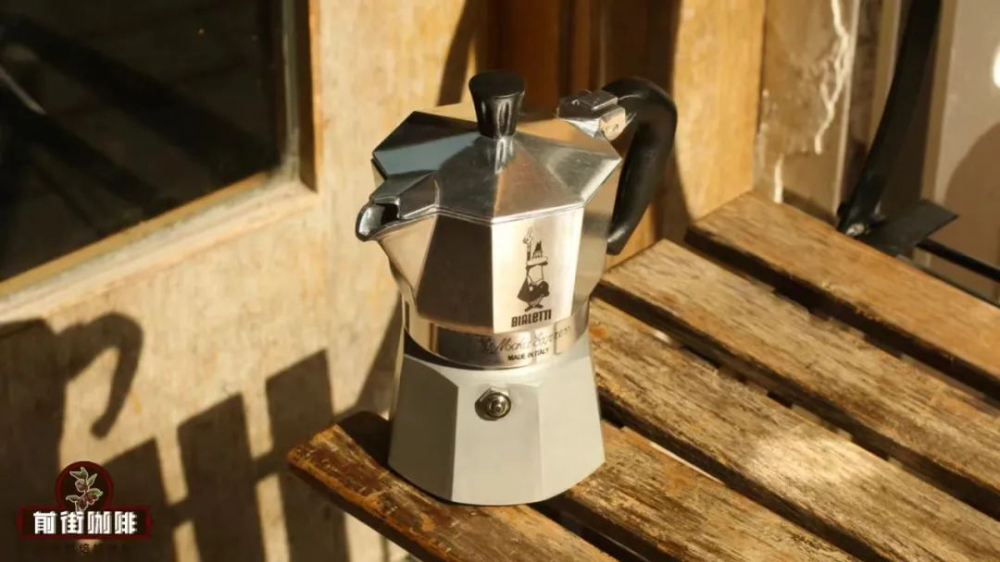
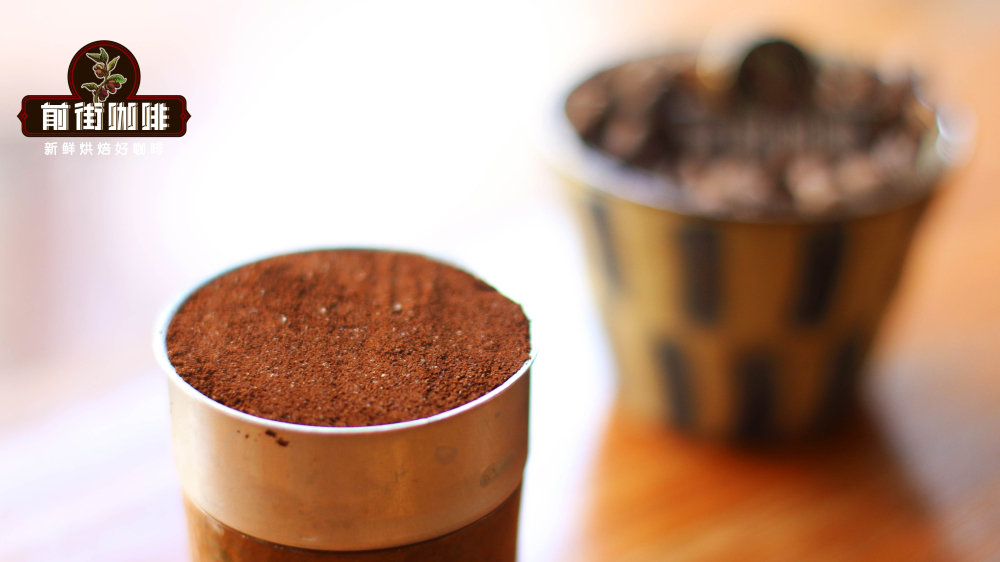
The grinding step is crucial: a grind finer than regular pour-over is recommended, for example an EK-43s grinder set at the 0.5 mark (close to espresso standard). Adjust the dose according to the moka pot's capacity; for a classic three-cup Bialetti pot, 18 g is appropriate. Fill the basket with ground coffee to about nine-tenths full and gently smooth the surface with your finger—no need to tamp heavily, as an overly compacted bed will obstruct water flow and affect extraction evenness.
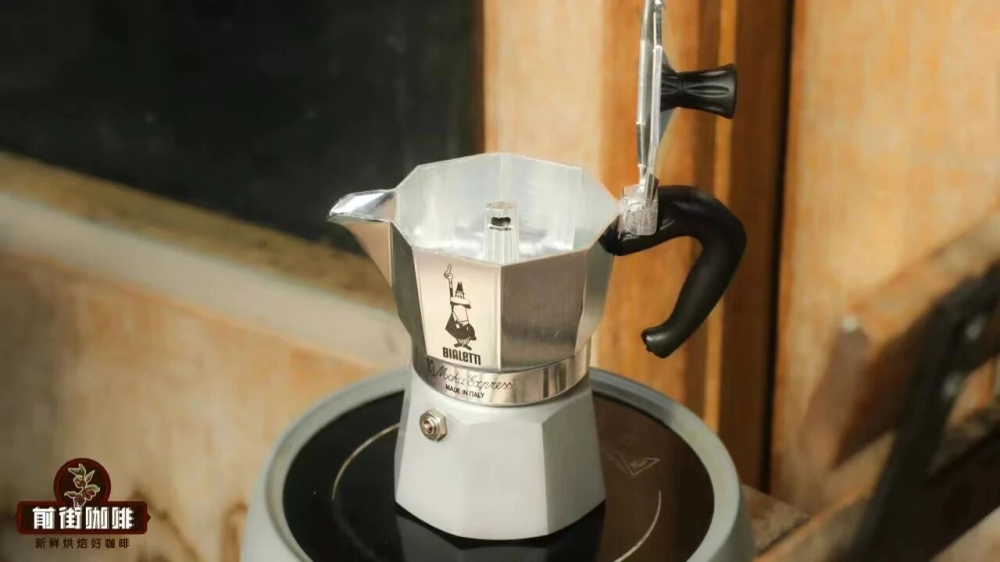
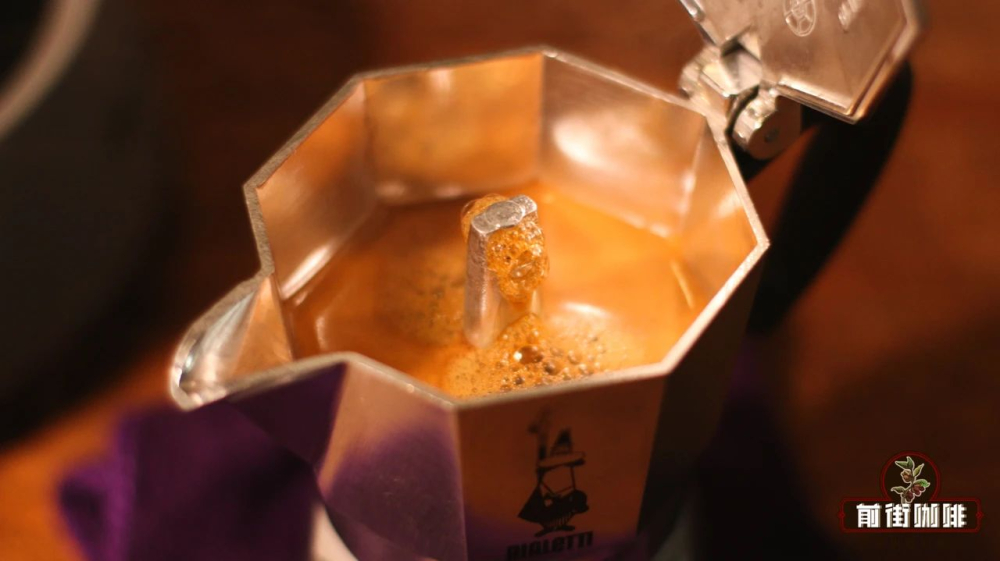
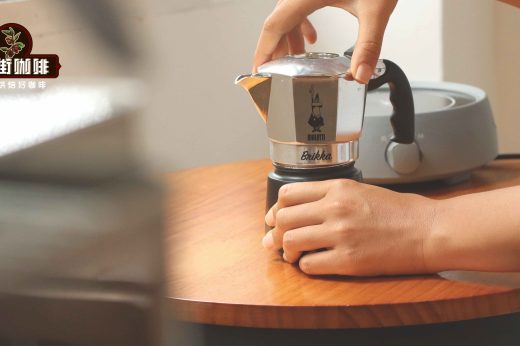
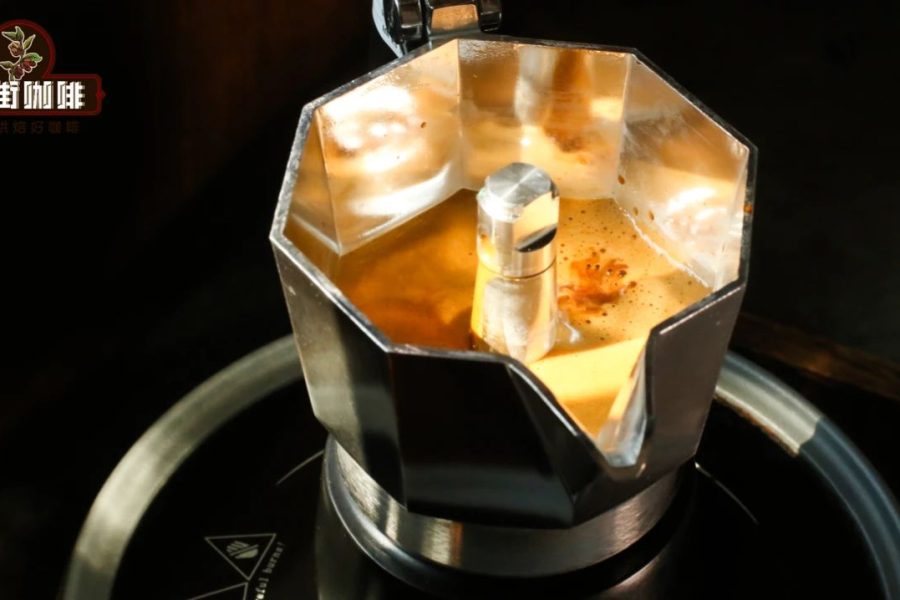
When assembling the moka pot, make sure the upper and lower chambers are screwed tight with no leaks. For heating, use medium-low heat; with an open flame, keep the flame within the base of the pot. When you hear a continuous hissing sound from the pot, extraction has begun—turn the heat to low and watch the flow rate of the coffee. Once the coffee in the upper chamber is half full, turn off the heat and move the pot to a heat-resistant surface, letting residual pressure complete the extraction.

The resulting moka pot coffee is rich and full-bodied, suitable for drinking straight to experience the full flavor. If you prefer a lighter taste, dilute with 70–80°C hot water at a 1:5 ratio to highlight the fruit's sweet-tart notes; when paired with milk, delicate floral aromas and a complex aroma like cranberry cookies emerge, enriching the drinking experience. The images break down the key steps of the moka pot extraction process to help you precisely control heat and timing.