Indonesian Golden Mandheling coffee review: wet-hulled SOE beans and moka pot brewing guide
Introduction: Sumatra Mandheling is a classic choice for coffee lovers thanks to its signature full body and low acidity. This article explains in depth how the region's unique wet-hulling process shapes its distinctive flavor, and highlights G1 Golden Mandheling beans suited to moka pot and SOE brewing. From growing altitude and variety traits to professional roasting advice, it offers a complete guide to buying and brewing, helping you unlock the complex aroma of tropical forest spice and dark chocolate.
Faced with the striking character of Sumatran coffee, coffee lovers tend to split into two camps: those who prefer fruity acidity often steer clear, while drinkers in pursuit of a full body fall for it. The root of this unique flavor lies largely in the local wet-hulling process (known locally as Giling Basah). Constrained by the rainy climate and economic conditions, Sumatran coffee farmers developed this processing system, entirely different from traditional washing.
After picking, the coffee cherries must be depulped within 24 hours, and the parchment beans still coated in mucilage go straight into a water tank to ferment for about 12-18 hours. After fermentation, the pectin is removed by rinsing with clean water, and the semi-wet beans in their husks are then spread thinly to dry until the moisture content reaches about 30-40%. At this point the beans are still soft, and they are transported to the processing station for further work. The key difference is that wet hulling removes the parchment layer while the beans still have a moisture content of 40-50%; this high-risk operation easily damages the bean surface, yet unexpectedly gives rise to a unique flavor development.
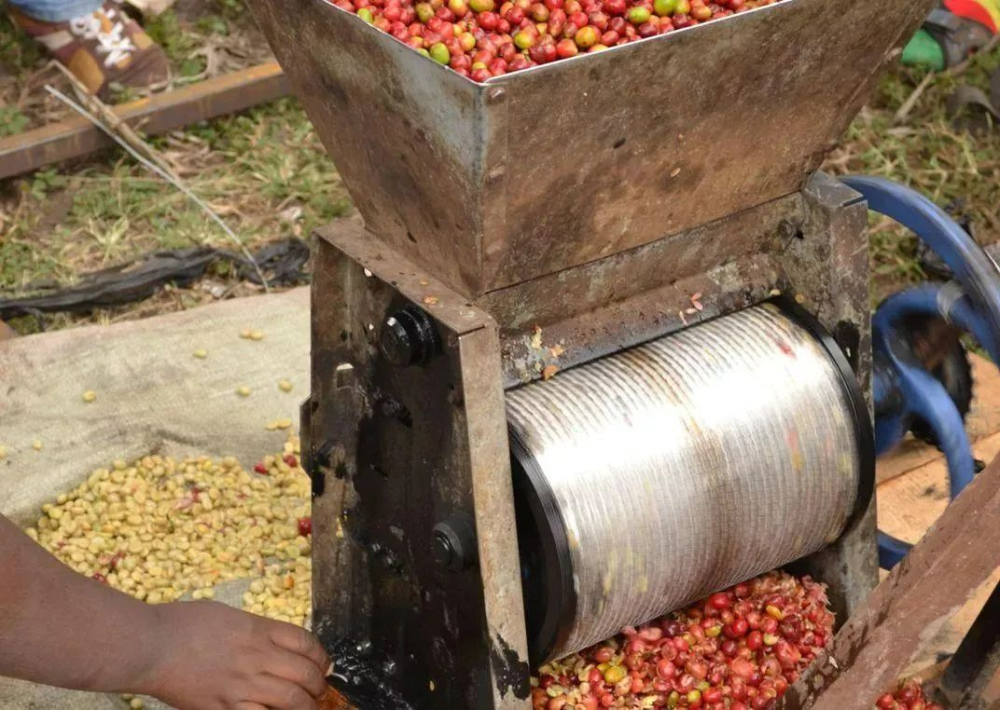
After the processing station receives the semi-wet beans in their husks, it first mechanically strips off the parchment layer to expose the green beans completely, then dries them in the sun to a safe moisture content of 13%. This special processing creates Mandheling's signature herbal, spicy and woody notes, and with a medium-dark roast it can further develop layers of dark chocolate, roasted nuts and caramel.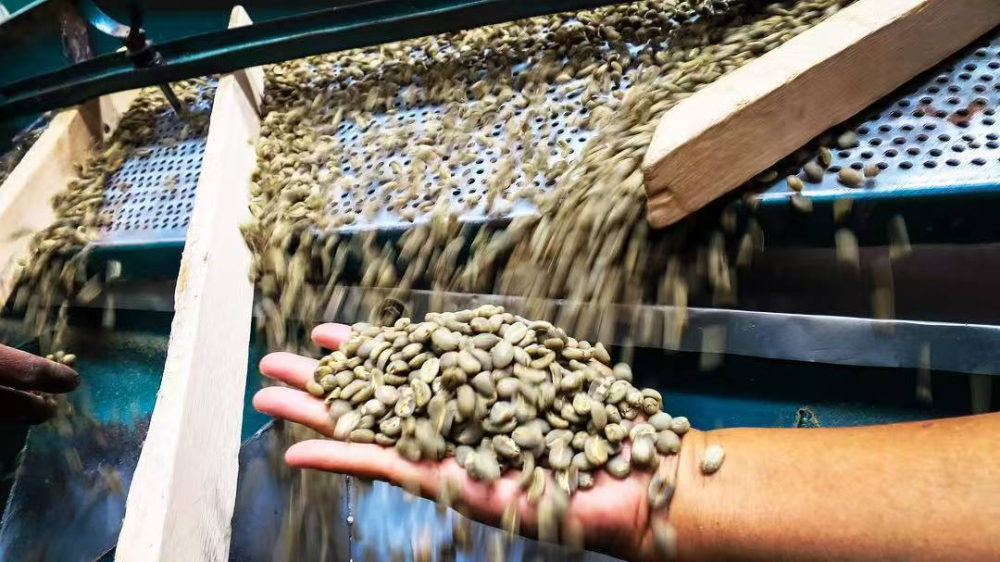
For beginners new to Mandheling, it is recommended to choose strictly screened G1-grade beans. These beans are plump and even, and after a medium-dark roast (about 205-215°C) they retain the signature full body of Sumatra while developing a rich sweet base through the Maillard reaction. When brewing, it is recommended to use a water temperature of 92-94°C with a coffee-to-water ratio of 1:15-1:16, to better balance body and cleanliness.
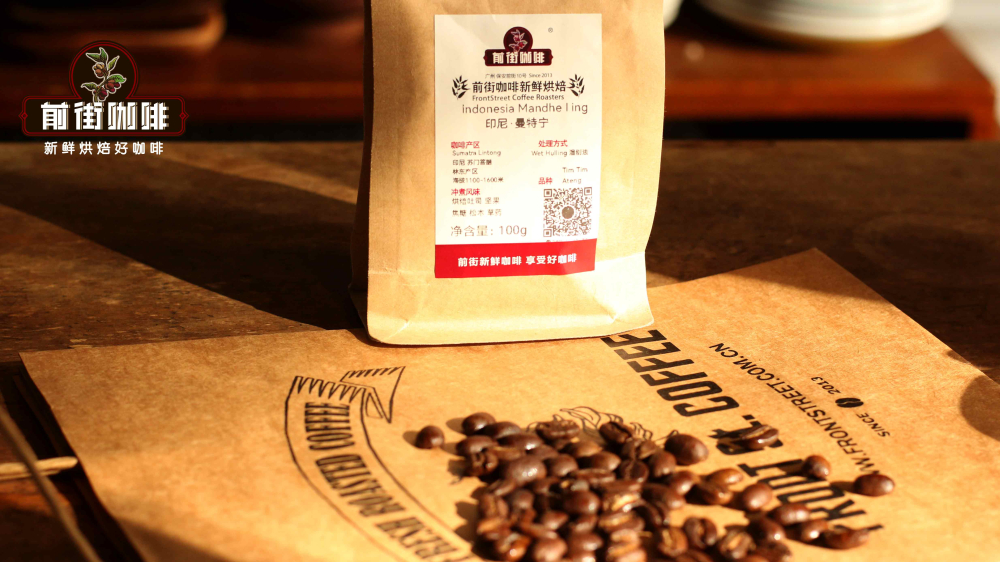
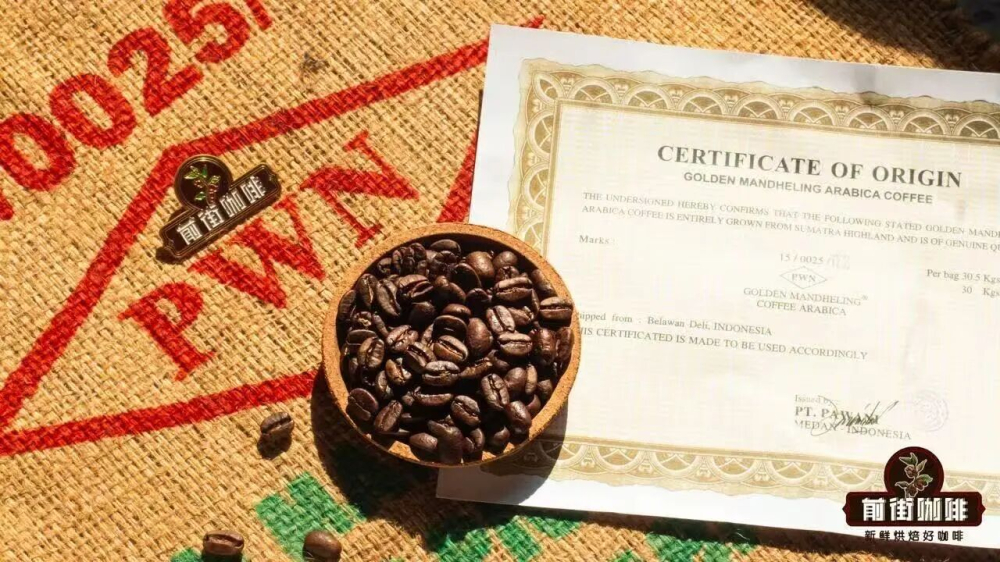
More advanced enthusiasts can look at G1-grade Golden Mandheling. These top-grade beans must pass three rounds of hand sorting and machine re-screening to ensure every bean is flawless and uniform in size. They are grown in the Gayo highlands of Aceh at an altitude of 1,100-1,600 meters, and the Ateng variety, processed by wet hulling, shows a clearer citrus finish and honey sweetness. Note that authentic Golden Mandheling is produced only by PWN; when buying, check the security label on the burlap sack and the official certification documents.
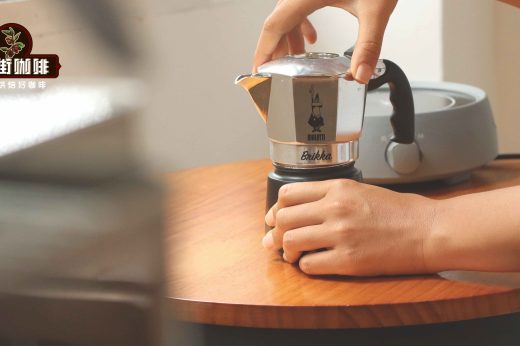
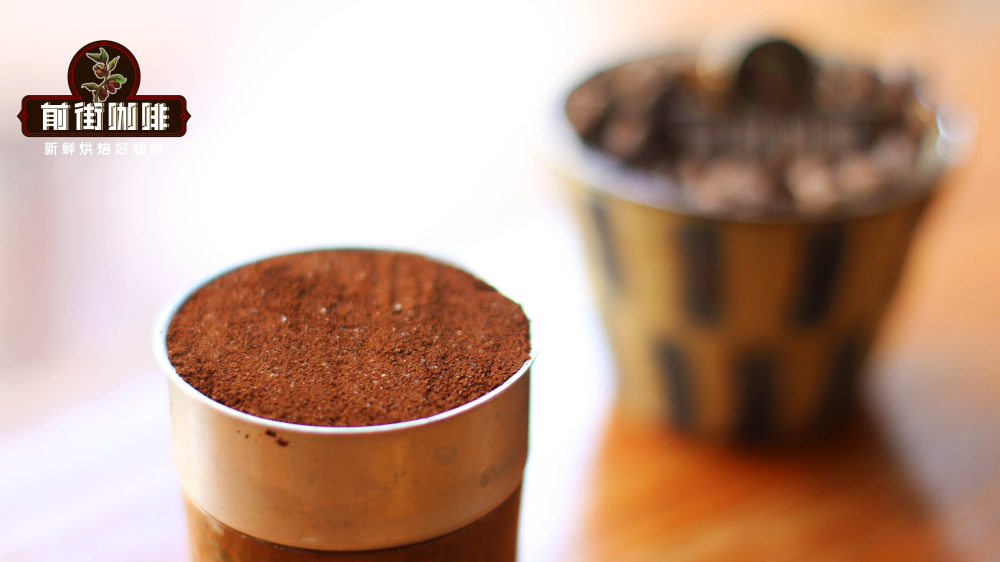
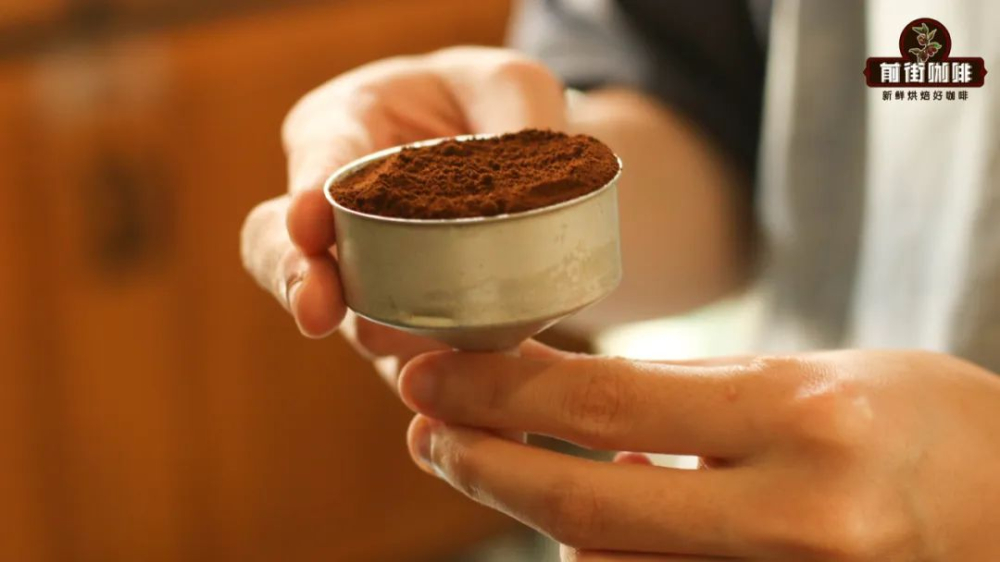
When using this kind of quality Mandheling to make moka pot coffee, it is recommended to follow these professional parameters: weigh out 30g of coffee beans and grind to a medium-fine size (similar to fine sugar); when filling the basket, note that the center should mound about 5mm high, with the edges tamped evenly. After adding water, turn off the heat as soon as you hear a continuous buzzing sound; at this point the extracted coffee crema can reach a thickness of 2-3mm. You can add an appropriate amount of hot water to dilute it to taste, or mix with steamed milk to make a latte.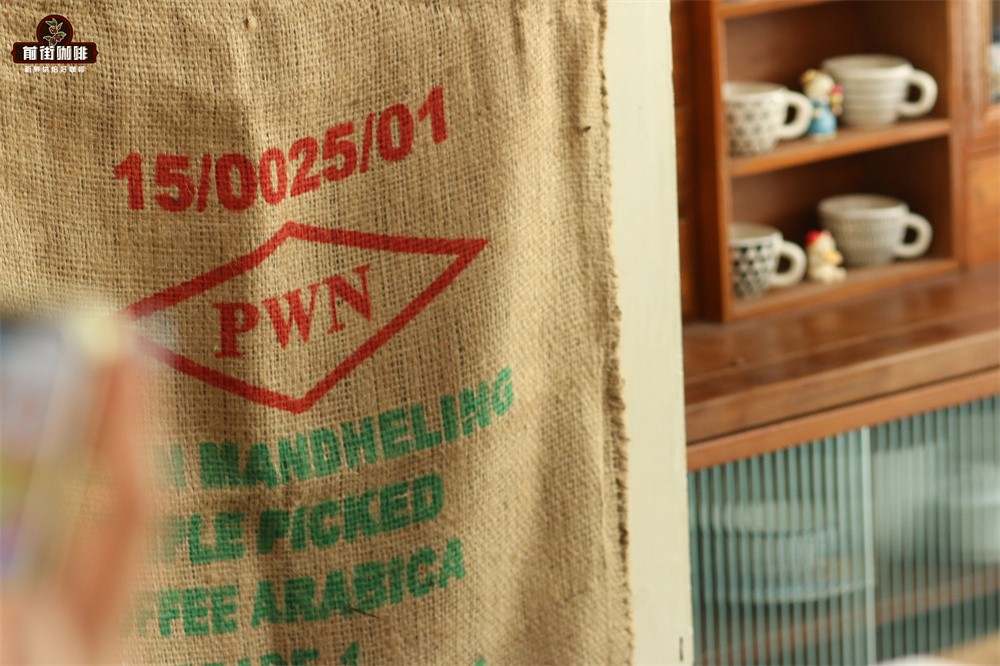
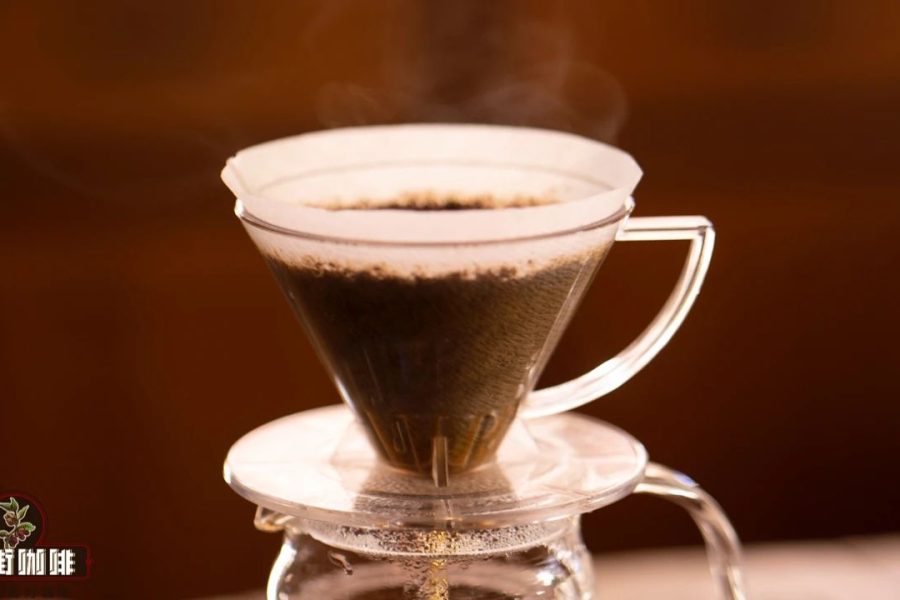
Professional tip: wet-hulled Mandheling is usually at its best 2-4 weeks after roasting; store it sealed away from light in a dry environment. For consumers used to pour-over, try the golden ratio of a V60 dripper with 15g of coffee to 240ml of water, using a three-pour center-pour extraction method, which better highlights its complex spicy notes.
When buying, you can identify quality Mandheling by three features: first, the bean color should be a dark green with a bluish, glossy sheen; second, the dry aroma should have obvious nutty and earthy notes; finally, after brewing, check that the crema is reddish-brown rather than simply black. Remember, truly good Mandheling does not need to hide its flaws on purpose—its earthy fragrance and woody finish are precisely the unique mark bestowed by Sumatra's volcanic soil.

Whether you are a beginner in pursuit of a full body or a seasoned player studying origin terroir, Sumatra Mandheling offers a rich taste experience. From the craft secrets of wet hulling to the practical techniques of the moka pot, once you master these key points you will be able to appreciate the unique charm of this classic coffee more precisely.