Colombia Huila Coffee Beans: Flavor Profile and Regional History
Introduction: This article provides a comprehensive analysis of the flavor characteristics and growing background of coffee beans from Colombia's Huila region, covering its unique sweet-acid balance, nutty notes and other sensory features, while tracing the region's development history from its introduction in the 18th century to the present. Through analysis of altitude and climate, comparison of cultivation techniques and review of historical events, it helps coffee enthusiasts gain a deeper understanding of the core value and market positioning of this classic washed Arabica bean.
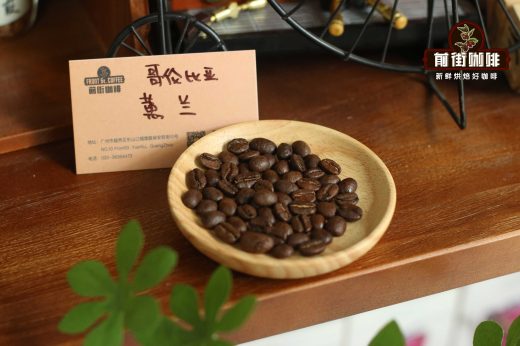
Colombian coffee is known worldwide for its signature balanced flavor, and the Huila region, as a representative area, produces beans that combine full body with bright acidity. These high-grade coffees typically display full nutty aromas, with sweet, sour and bitter notes in harmony on the palate and a lingering caramel sweetness in the finish. What sets them apart is that through refined washed processing, they retain bright citrus notes while developing a rich texture reminiscent of roasted almonds.
Looking at the flavor layers, high-quality Huila beans at light-to-medium roast highlight citric acidity and black tea aroma. For optimal extraction, a water temperature of 92-94°C and a 1:15 coffee-to-water ratio are recommended; a medium-fine grind can enhance their complexity. When developed to a dark roast, they shift to a full-bodied profile dominated by dark chocolate and smoky flavors, suitable as an espresso base.
About 10,700 square kilometers of land across Colombia is used for coffee cultivation, more than twice the area of Luxembourg. The country's original "Coffee Triangle" geographical indication system ensures that six major regions, including Huila, all use shade-growing techniques. Notably, local smallholders manage no more than 3 hectares of hillside each on average, harvesting ripe cherries by hand and performing strict density selection—keeping only about 3,000 high-quality fruits per coffee tree.
Historically, coffee was introduced to South America in the 18th century by Jesuit missionaries, but large-scale exports only began through the Cúcuta customs port in 1835. The key turning point came in 1927 with the founding of the national coffee growers' association, which allowed scattered farmers to connect with international markets through a grading system and quality control system. Particularly after the Thousand Days' War, the traditional central growing areas gradually shifted to the Andean foothills of the west at altitudes of 1,400-1,800 meters; the valley area where Huila department now lies, with an average annual temperature of 18°C and 2,000 mm of annual rainfall, has become a core specialty coffee region.
In terms of cultivation techniques, Colombia adheres to fully washed processing, requiring that after the pulp is removed, the fruit undergo 12-36 hours of fermentation to remove the mucilage, then be washed with spring water and dried in the shade to 11% moisture content. Compared with the semi-dry method commonly used in Brazil, this rigorous process increases costs by 30% but effectively reduces the defect rate to below 0.5%—the Specialty Coffee Association's certification standard is ≤5%.
Market data shows that of the country's 302,000 coffee farms, more than 85% are family-run micro-farms, and these producers share roasting equipment and export channels through cooperative models. Importers in the United States, Germany and Japan particularly favor their consistent cupping performance; in the SCA scoring system, high-quality Huila lots often earn high scores of 84-86, making them especially suitable as a blending base for specialty cafés seeking balanced flavor.