Why Japan Buys Most Jamaican Blue Mountain Coffee, and Can China Get the Real Thing?
Introduction: Jamaican Blue Mountain coffee is hailed as one of the world's finest coffees, yet it is hard to find on the market. Behind this lies not only Japan's long-standing monopoly of ninety percent of production but also strict origin certification standards. This article explains the origin definition of authentic Blue Mountain coffee, the current state of production allocation, and how Chinese consumers can tell real from fake, while offering buying advice and an analysis of flavor characteristics.
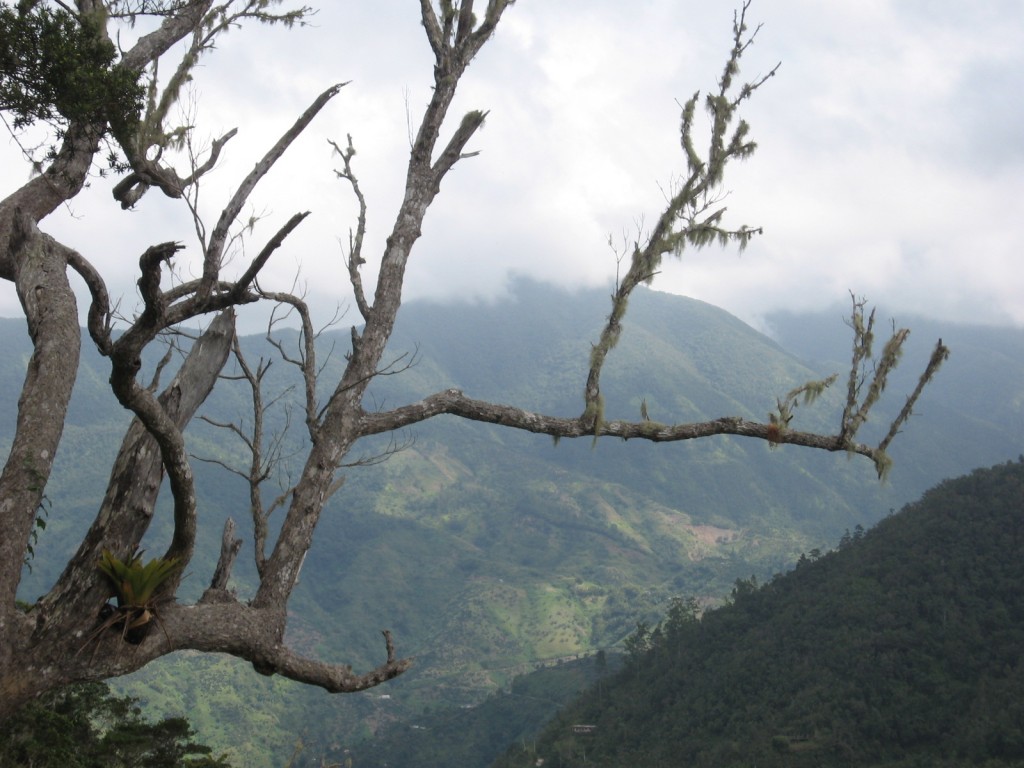
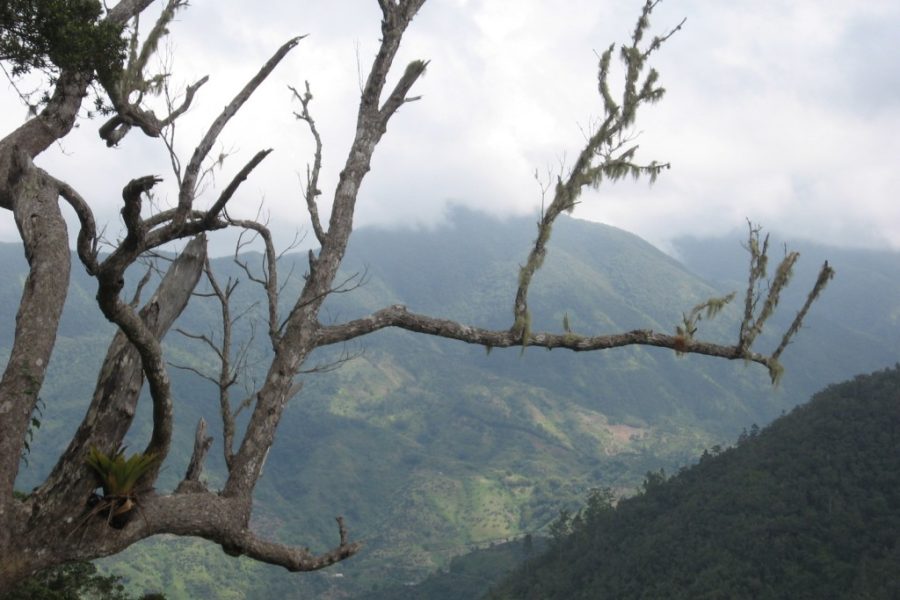
The fame of Blue Mountain coffee stems from its unique growing environment—the Blue Mountain range in eastern Jamaica, whose elevation and microclimate, as the highest peak in the western Caribbean, provide excellent conditions for coffee beans. Note, however, that only beans grown above 1,700 meters can receive the Jamaican government-certified "Blue Mountain Coffee" label; anything lower can only be called "High Mountain Coffee." This stringent standard makes the output of true Blue Mountain coffee extremely limited.
According to public data, annual Blue Mountain coffee production is about 2,000 tons, of which 90% has long been supplied to the Japanese market under agreement. This special allocation stems from a historical cooperation in the 1970s: after Jamaica's coffee industry was devastated by a hurricane in 1969, Japan's UCC Ueshima Coffee introduced ecological growing techniques to aid its recovery, and in return the two countries signed an agreement in 1971 guaranteeing Japan priority purchasing rights. Of the remaining 10%, most goes to high-end consumers or the royal family, and the so-called "Blue Mountain coffee" circulating in ordinary markets is mostly a flavor imitation.
The "Blue Mountain flavor coffee" that domestic consumers often encounter is usually made by blending beans from different origins to simulate the Blue Mountain taste. More reputable shops may use Jamaican High Mountain coffee paired with Hawaiian Kona or Colombian beans, while some low-priced products even mix in cheap coffees from Brazil, Guadeloupe and other regions. Such products can provide a similar acid-bitter balance, but they are fundamentally different from the genuine article.
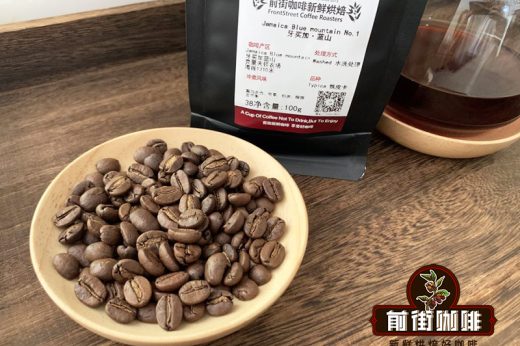
Authentic Blue Mountain coffee beans can be identified from five angles: first, observe the green bean's form—genuine green beans are blue-green, medium-small in size with slightly upturned ends, and after roasting they expand significantly in volume and become plump in texture; second, when hand-grinding, high-quality high-altitude beans have a loose cell structure, so grinding should be smooth and continuous without catching; third, the genuine article gives off an intense, concentrated aroma, which imitation blends usually lack in layering; fourth, the real thing tastes balanced and mellow, with no single flavor standing out, and though the Peaberry version has a more restrained aroma, its mouthfeel is more intense; finally, drinking it brings a natural satisfaction from the classic balanced character.
Consumers hoping to try the genuine article should note that certified Blue Mountain coffee circulating in the domestic market is mostly auction-grade product imported in small quantities, and prices are generally high. When buying, look for the certificate of origin issued by the Jamaica Coffee Industry Board (CIB), and give priority to channels with complete traceability information. In addition, understanding Blue Mountain coffee's flavor characteristics (such as a mild citrus note and a delicate nutty finish) helps in identifying whether it is truly a high-altitude origin bean.