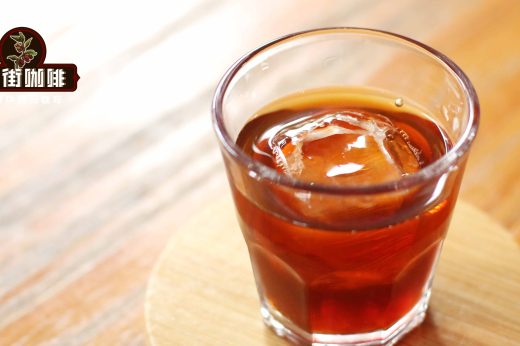
Decaf Coffee Production Explained: 3 Decaffeination Methods Compared and Their Flavor Impact
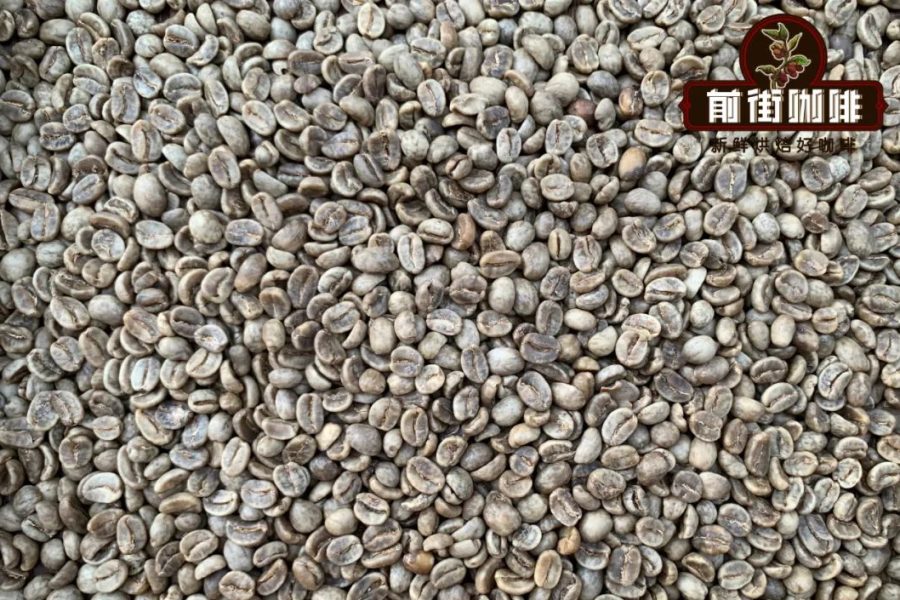
Introduction: Decaf coffee is not completely caffeine-free; rather, it has more than 97% of its caffeine removed through special processes. This article provides an in-depth analysis of the principles, advantages and disadvantages of three mainstream technologies—solvent extraction, the Swiss Water Process and high-pressure carbon dioxide extraction—and compares their effects on coffee flavor. From a professional perspective, it explains why decaf coffee may still contain trace amounts of caffeine, and the key parameters consumers should pay attention to when purchasing.
Decaf coffee refers to coffee products from which at least 97% of the caffeine has been removed through special processes. Although called "decaf," it actually retains 2%–3% of its natural caffeine—equivalent to about 0–7 mg of caffeine per cup of decaf espresso, a dose that will not produce a noticeable stimulating effect for the vast majority of people.

Caffeine removal must be completed before the coffee beans are roasted and ground. It is worth noting that different processing methods not only affect the amount of residual caffeine but also change the final flavor profile of the coffee: some processes make the coffee aroma milder and cause subtle changes in color. These characteristics make it an ideal choice for people sensitive to bitterness.
The industry currently mainly uses three mature processes:
1. Solvent extraction (chemical solvent method)
Process flow: First, the green beans are softened and expanded with steam, then soaked cyclically in a dichloromethane (CH3Cl) solvent. This technology exploits the solvent's high affinity for caffeine, selectively extracting it at 60–80°C, and finally removing solvent residue by evaporation. Its advantage is that it preserves the original flavor compounds relatively well, but solvent residue standards must be strictly controlled (international standards require less than 0.001%).
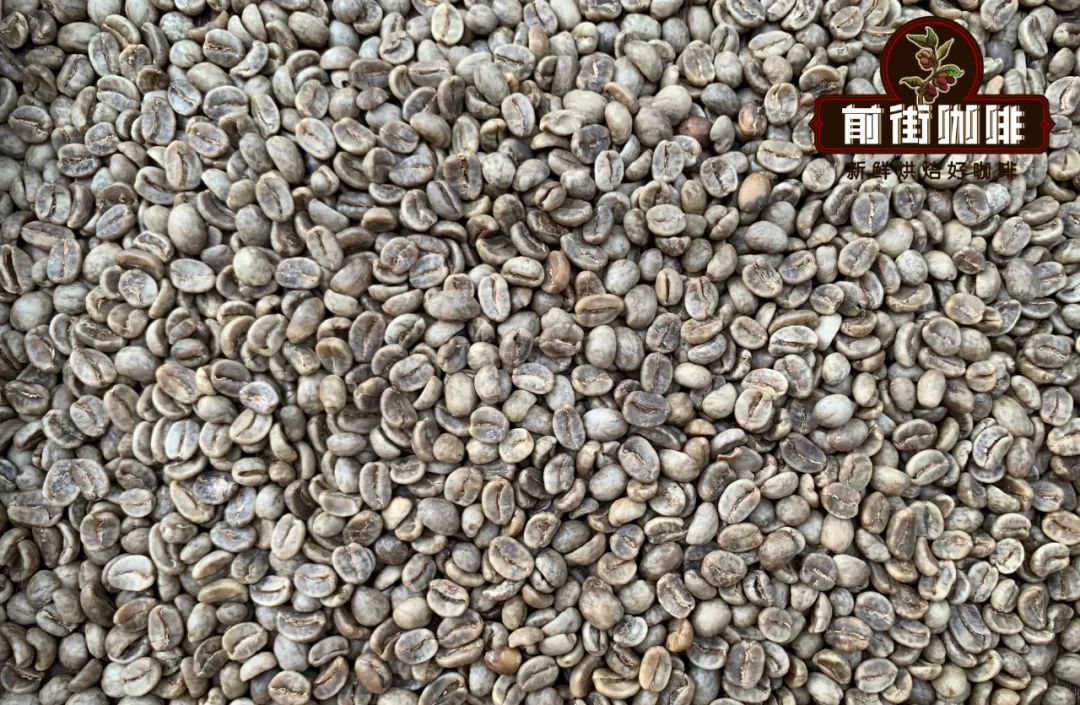
2. Swiss Water Process (no chemical additives)
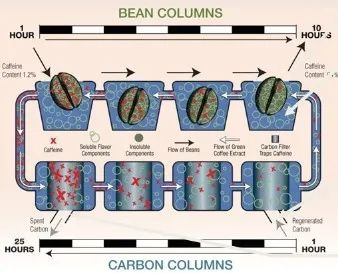
Innovative process: The green beans are soaked in hot water to dissolve all water-soluble components (including caffeine), and the caffeine molecules are then precisely adsorbed by an activated carbon filter column. The treated flavor solution is then re-infused into the coffee beans, restoring the balance of all substances other than caffeine. This method completely avoids chemical solvents, but it causes the loss of some aromatic substances and has higher production costs.
3. Supercritical carbon dioxide extraction (physical high-pressure method)
Cutting-edge technology: Under conditions of 250–300 atmospheres and 60–80°C, carbon dioxide is converted into a supercritical fluid state. This special form combines gas-like permeability with liquid-like dissolving power, and can precisely target caffeine molecules without affecting other compounds. Process characteristics: it perfectly preserves the coffee's color and flavor, but requires specialized high-pressure equipment (a single unit costs more than one million US dollars), so currently only a small number of high-end products use it.
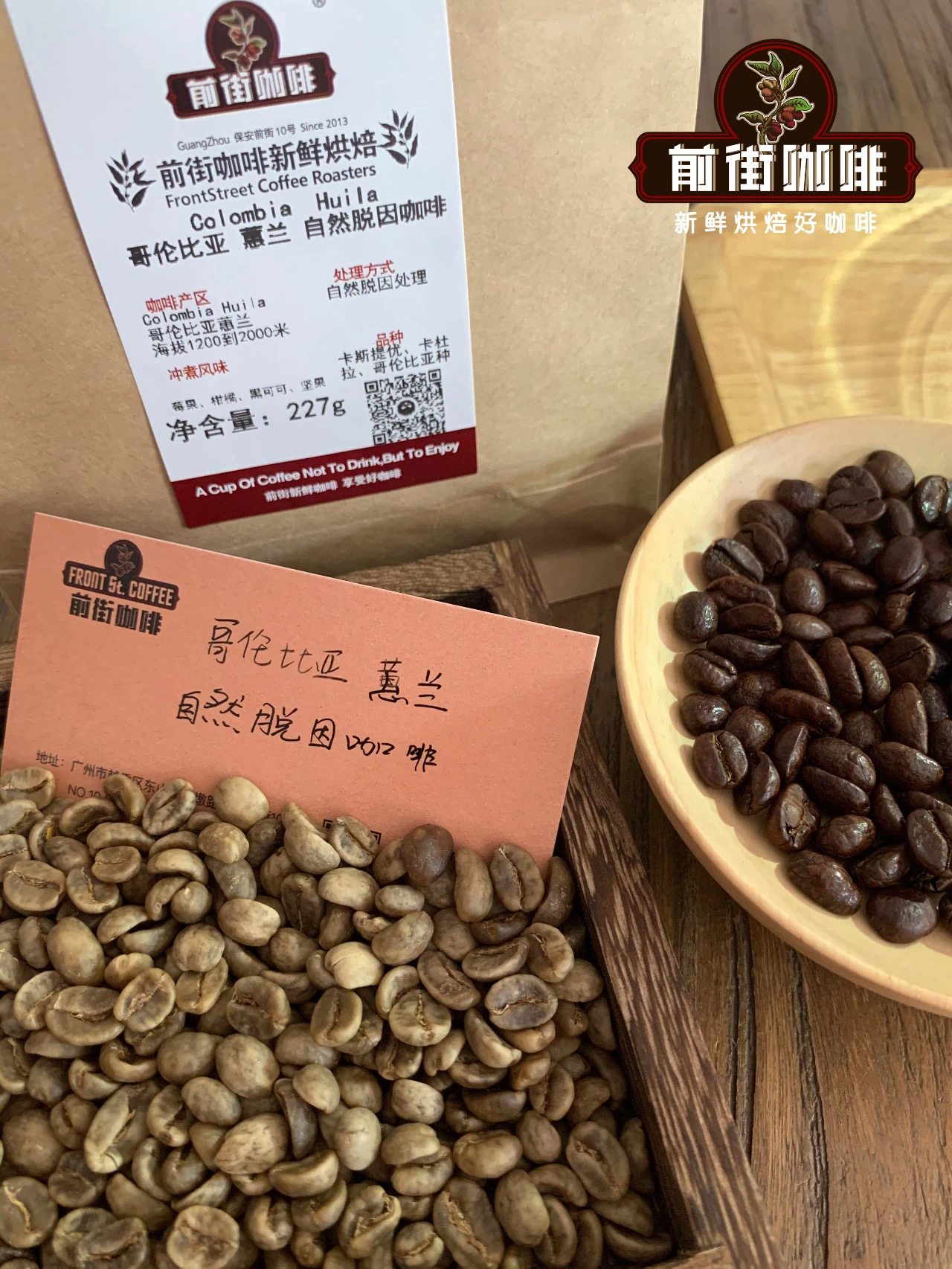
Whichever process is used, industrial decaffeination faces the challenge of flavor loss. Key data note: High-temperature steam pretreatment (usually 90–100°C) and solvent contact may cause the breakdown of some aromatic esters. Consumers are advised to note: even after decaffeination, excessively long brewing times (more than 4 minutes) or overly fine grinds (such as Turkish coffee grade) may still release additional caffeine.
One common misconception deserves special clarification: there is no need to worry excessively about calcium absorption when drinking decaf coffee. Modern research shows that under normal consumption (no more than 3 cups per day), caffeine's effect on calcium absorption is negligible. Consumers should choose according to their individual constitution, and those who truly need strict caffeine control are advised to consult a nutrition expert.